


Registered Address: 32D Floor Guomao Building, No.388, Hubin South Road, Siming District, Xiamen,Fujian, China
ISO 9001:2015 Certified
Our quality management system covers sourcing,testing and dispatch
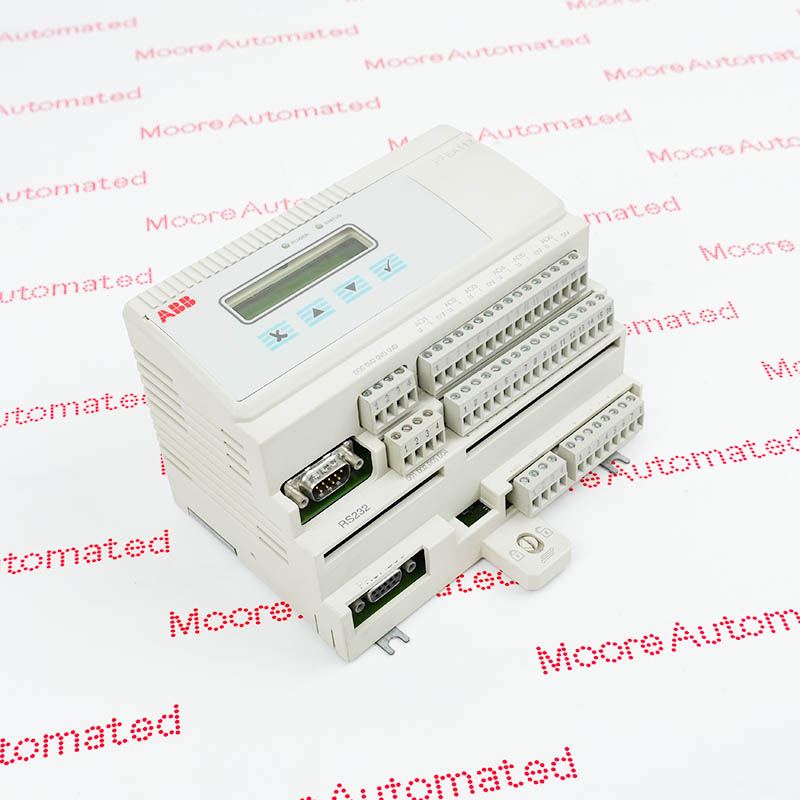
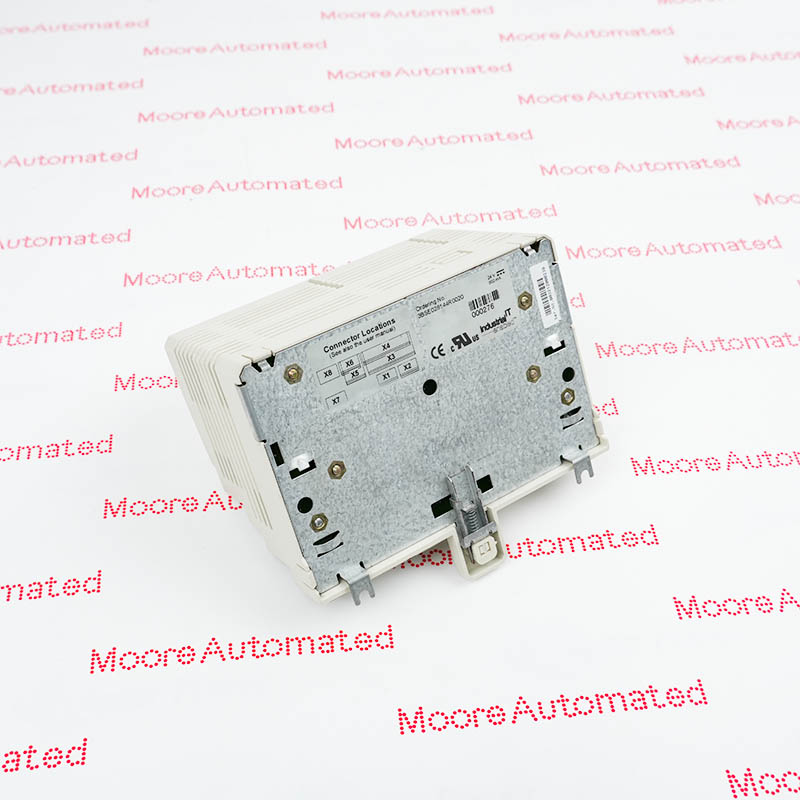
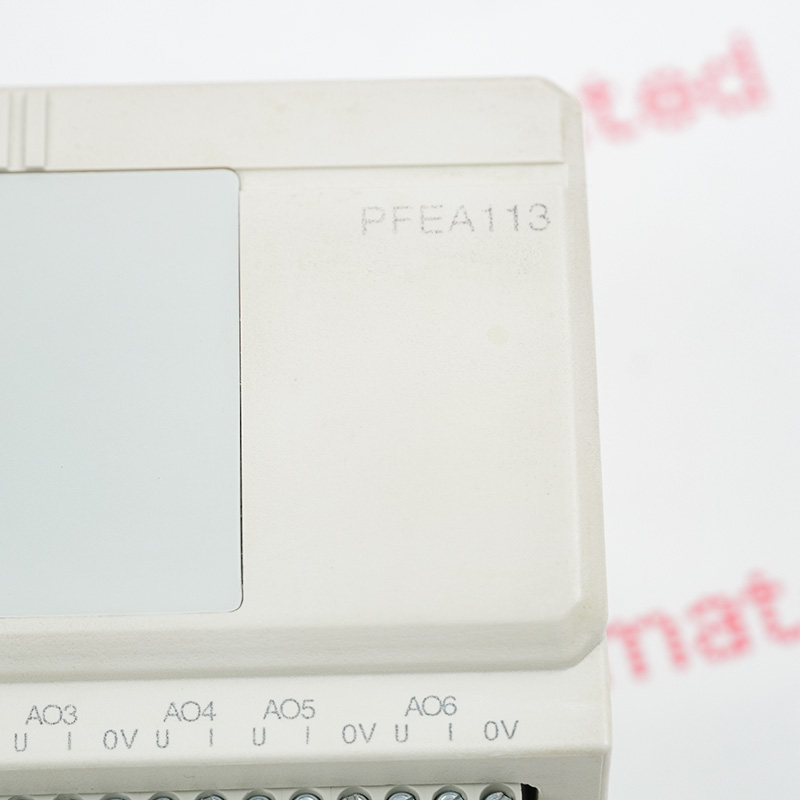
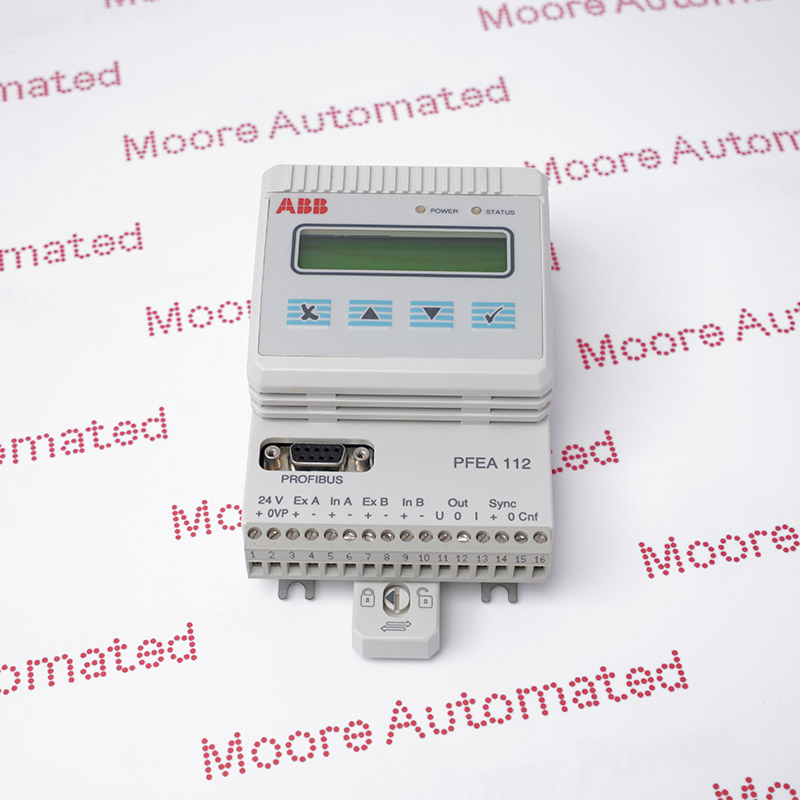
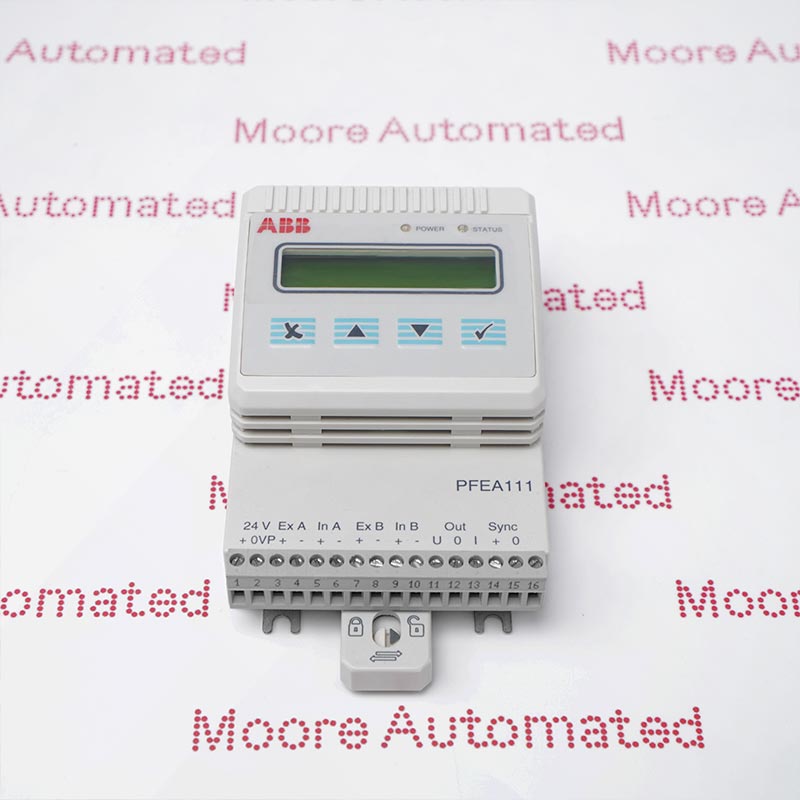
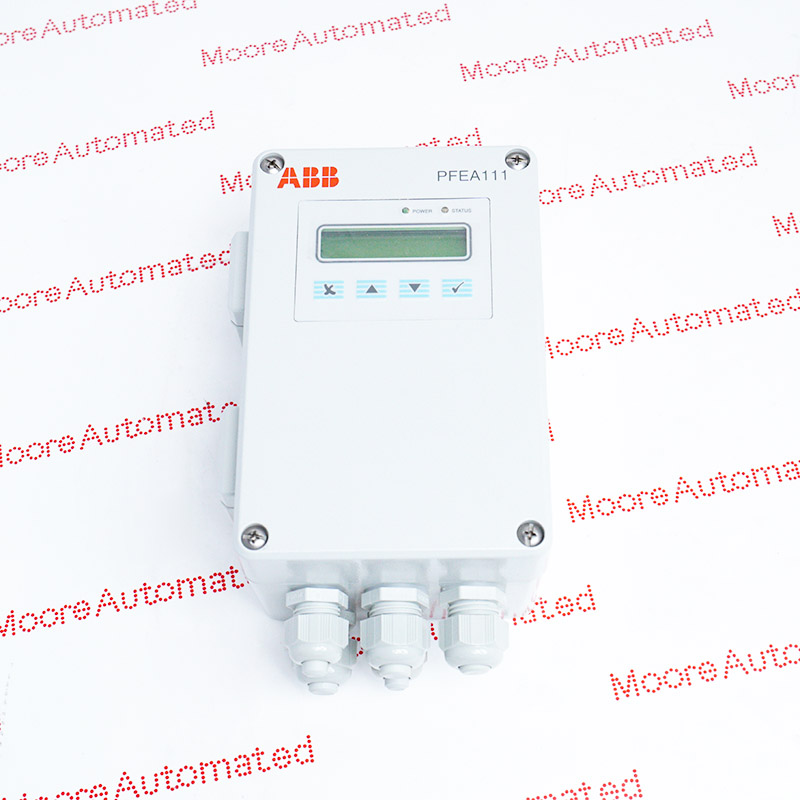
ABB article 3BSE028144R0020 identifies PFEA113, advanced tension electronics for up to four load cells. It provides configurable analog and digital outputs, PROFIBUS-DP and measurement combinations for sum, difference and individual channels. Use it in a documented web-tension system whose load cells, force range and control interface match the configured PFEA113. Confirm article number, load-cell types and quantity, excitation/signal wiring, analog output modes, PROFIBUS address, strip-path gain selection and mechanical calibration.
PFEA113 3BSE028144R0020 is selected from the complete manufacturer identity and receiving-system evidence. Record all parameters and zero/tare data, isolate supply and field circuits, preserve shield grounding and verify load-cell polarity. Calibrate zero and known load, compare individual and combined signals, then prove analog outputs, digital outputs, diagnostics and PROFIBUS data.
Confirm load-cell type, force rating, excitation and polarity for every connected channel.
Configure sum, difference or individual outputs to match the machine tension-control design.
Calibrate with known load, then verify outputs, diagnostics and PROFIBUS values.
PFEA113 can process up to four load cells and form sum, difference or individual channel values. The configured mathematical combination must follow roll geometry and the control objective; an incorrect polarity or channel assignment can conceal a mechanical load imbalance.
Six configurable analog outputs, four configurable digital outputs and PROFIBUS-DP allow several consumers to receive tension data. Verify scaling, fail behavior, address and register mapping independently for every destination before closing the control loop.
Availability and lifecycle status are confirmed for the exact PFEA113 3BSE028144R0020 article at quotation.
Moore Automated verifies the supplied condition, included items and installed-system match against the complete manufacturer identity.
The replacement must be commissioned with the checks listed in the technical sections.

Registered Address: 32D Floor Guomao Building, No.388, Hubin South Road, Siming District, Xiamen,Fujian, China
MooreAutomated.com is the official website and primary online platform operated by Moore Automation Limited. The website provides information about the company’s industrial automation parts sourcing services, product coverage and customer support. Moore Automation Limited operates as an independent supplier and is not an authorized distributor or representative of the manufacturers displayed on this website unless expressly stated.