

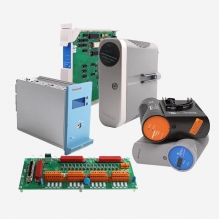

MP 3009X
Get A Quote
Monitoring the health of your industrial turbines is important for stopping expensive downtime. The Bently Nevada 3300 XL proximity probe system is a reliable choice for this task, but picking the right components can seem difficult. To choose correctly, you need to know how the parts work together to give you accurate data.
A Bently Nevada 3300 XL measurement setup is a complete transducer system, not just a single probe. It has three parts that are precisely matched to work together as a calibrated team. For the system to give correct readings, these parts must be selected as a set and not mixed with parts from other systems or companies.
This is the sensor that goes inside the machine and faces the turbine shaft. It has a coil that creates a small magnetic field to check the shaft's position and movement. Probes are available in different physical styles, like the common M10x1 threaded model 330103-00-10-15-02-05, to fit various mounting needs.
This special cable links the probe to the Proximitor Sensor. Its exact electrical properties and length are vital to the system's tuned circuit. Changing the cable or using the wrong one can mess up the system's calibration and cause wrong readings.
This is the electronics box that gives power to the probe, handles the return signal, and turns it into a voltage that shows the shaft's vibration and position. Different sensors are set up for specific system lengths and jobs. For instance, a sensor like the 330180-X1-05 is made for a certain total system length and might have special approvals for use in hazardous areas.
These three parts must have a total electrical length that matches what the Proximitor Sensor is designed for, usually 5 or 9 meters. Following this rule is key to getting the accuracy and easy part-swapping that Bently Nevada systems are famous for.
First, figure out what the probe needs to do. Different monitoring jobs need probes with different measurement ranges, which is tied to the probe's tip diameter. A bigger tip makes a bigger magnetic field, so it can measure larger movements.
| Probe Diameter | Typical Linear Range | Primary Applications |
| 5 mm | 2 mm (80 mils) | Radial Vibration, Speed Measurement, Tight Spaces |
| 8 mm | 2 mm (80 mils) | Radial Vibration, Axial Position, Keyphasor® (Phase/Speed Reference) |
| 11 mm | 4 mm (160 mils) | Axial (Thrust) Position, Rod Drop Measurements |
| 25 mm | 12.7 mm (500 mils) | Differential Expansion on Steam Turbines |
| 50 mm | 27.9 mm (1100 mils) | Differential Expansion on Large Steam Turbines |
| NSv (Narrow Side View) | 1.5 mm (60 mils) | Installations with very tight side clearances or small shafts |
Picking the right probe diameter for the measurement job is the most important first step. This choice makes sure the system has the right range to correctly measure the machine's movement.
Turbines work in tough conditions, and the probe system must be strong enough for its specific environment. There are several options to protect the system from heat, physical harm, and other dangers.
Picking these environmental options helps the system last a long time. A system that breaks down early because of its surroundings offers no protection.
A great system won't work well if you install it wrong. It's important to follow the right steps during installation to get clean, correct signals from your probes.
Good signal quality is the key to correct measurements. To keep electrical noise from messing up the probe's low-voltage signal, you need to route and ground the cables correctly.
The DC gap voltage is the baseline DC voltage that the probe's AC vibration signal sits on. Setting this gap the right way makes sure the full range of shaft movement is measured inside the probe's linear range.
Correct installation is the last step to make sure your machinery protection system works well. These steps help make sure the data you depend on is accurate and clean.
Picking the right Bently Nevada 3300 XL probe system is a step-by-step process that protects your most important rotating machines. As long as the parts are carefully matched to the job and the environment, the monitoring will work reliably for a long time.
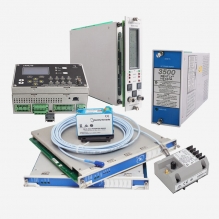
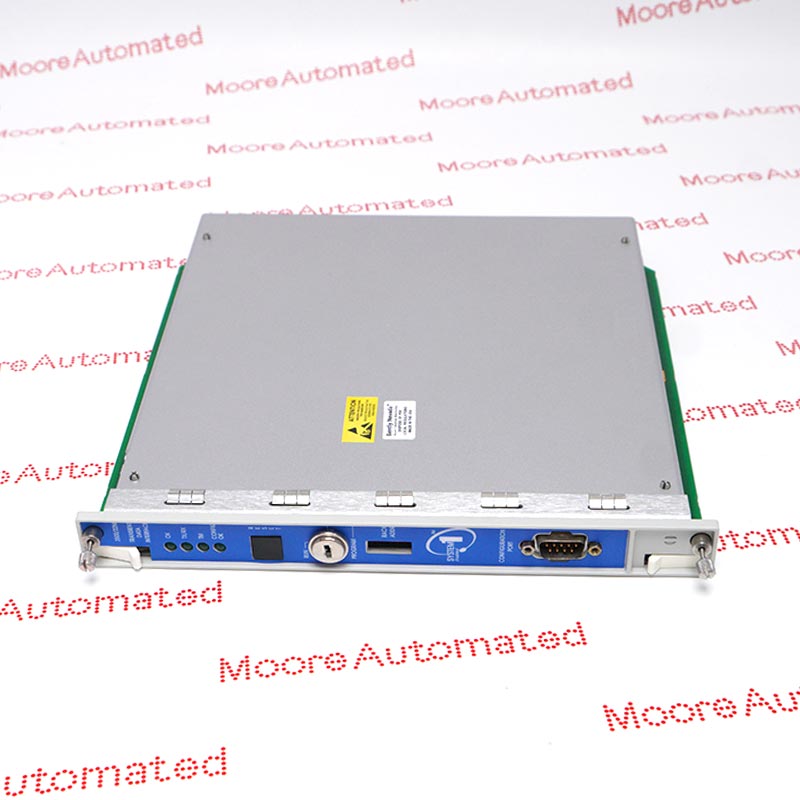
The 3300 XL and 3500 systems are two different but related parts of a full machinery protection setup. The 3300 XL is the sensor system, which includes the probe, extension cable, and Proximitor Sensor. Its function is to accurately change the physical movement of a shaft into an electrical signal. The 3500 is the machinery protection and monitoring platform. It takes the signal from the 3300 XL, processes it, checks it against alarm limits, and can trigger alerts or shut down a machine to prevent damage.
Mixing parts from different companies is a bad idea. A Bently Nevada transducer system is a finely tuned and calibrated circuit. Using a part from another brand creates an uncalibrated "Frankenstein" system that will have an unknown and probably non-linear response. This leads to incorrect and untrustworthy data, which defeats the purpose of the protection system and could also void safety certifications for hazardous areas.
Standard Bently Nevada 3300 XL Proximitor Sensors are calibrated at the factory for AISI 4140 steel, a material often used for machine shafts. If a probe is aimed at a different material, like stainless steel, the factory calibration is no longer correct. The system's scale factor will be different, causing wrong vibration readings. While sensors calibrated for other materials can be special-ordered, they lose the major benefit of being interchangeable with standard spare parts you have in stock.


Copyright Notice © 2026 mooreautomated.com All rights reserved,Moore Automated is not an authorized distributor or representative of the manufacturers featured on this website. Brand names and trademarks featured are the property of their respective owners.
Leave Your Comment