
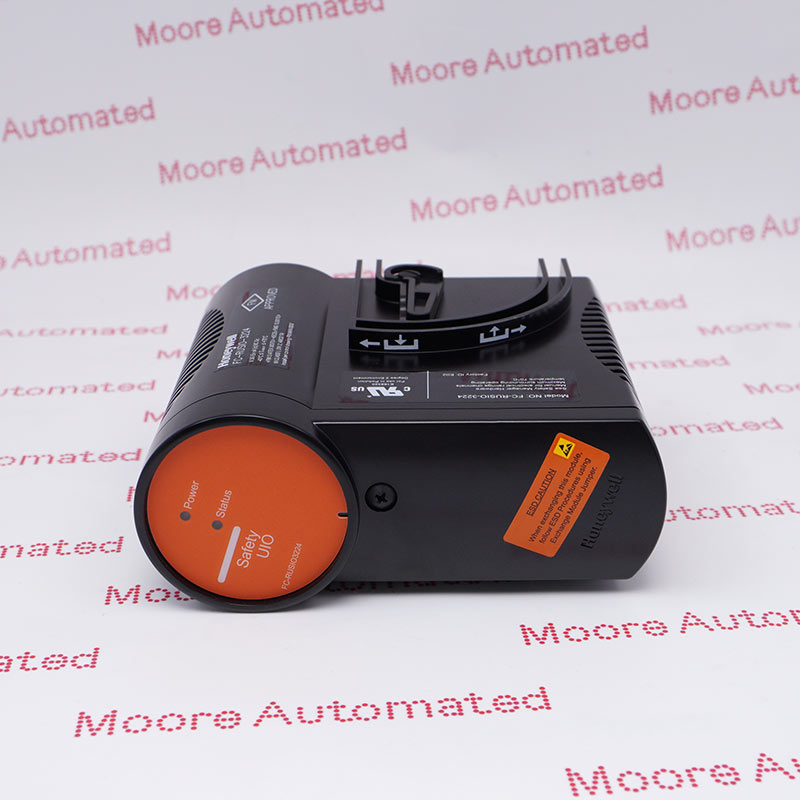
FC-RUSIO-3224
Get A Quote
The control system in your plant is like the brain of your business, but strange things do happen from time to time. A big warning could go off for no reason, a temperature reading could go through the roof, or a control valve could start to act in a strange way. It’s possible that the monitor is broken or the code isn’t working right. But before you think those things, you should check for something called “noise.”
Noise is electrical clutter that you can’t see that messes up the data your Distributed Control System (DCS) needs. Your process could be hurt by this interruption, and you might not even be aware of it. It could make your system not work right, cause downtime, and require pricey fixes.
Simply put, signal noise is any unwanted electrical energy that mixes with a clean process signal. Think about trying to hear someone whisper in a loud room. The chatter is the noise, and the whisper is the important data from your equipment. When noise gets into a signal, the DCS can’t tell the difference between the real measurement and the noise. This causes wrong readings and bad control choices, which can create big problems for your whole operation. The real-world impact of signal noise includes:
Basically, signal noise makes a system that should be precise and stable become unpredictable. Finding where the noise comes from is the first step to fixing the problem.
Noise in a factory usually has more than one cause. The problems are often related to power, wiring, and other machines.
Think of EMI as electrical noise from big machines. Large motors, drives, and transformers create strong magnetic fields.2 If a signal cable is too close to them, the field can create a small, unwanted voltage on the wire. This is the main reason why you should never run signal and power cables in the same pipe.
RFI is noise that travels through the air from things like walkie-talkies and cell phones.3 Using a radio near a control cabinet can be enough to send a noise spike into a signal wire. This can cause a quick false reading on a module like the CC-PAIH01 51405038-175.
This noise comes from the AC power that runs your system. When large machines turn on or off, they can cause spikes and dips in the power. If your DCS power supplies don’t have good filters, this “dirty power” can get into the system. This is a big problem for parts that need stable power, like a pulse counter module such as the CC-PCNT01 51405046-175.
Grounding is very important but often done wrong. A “ground loop” is a difficult problem. It happens when a shielded cable is connected to ground in two different places.4 Because these two ground spots almost never have the exact same voltage level, a small current flows through the shield. This current creates a magnetic field that puts noise on the signal wires inside—the very thing the shield is supposed to stop.
So, noise can come from big equipment, radio signals, the power supply, or bad wiring. You need to check carefully to find the real source of your problem.
You have to find the source of a noise problem before you can fix it. This needs a step-by-step plan, starting with simple checks and moving to tests with tools.
Following these steps helps you slowly find the real cause of the problem. This saves time and makes sure you use the right fix.
Most noise problems can be solved by following the basic rules for wiring, shielding, and grounding. These rules are the foundation of a good control system. Getting them right from the start prevents many problems later.
Sometimes, even with great wiring and grounding, a factory just has too much electrical noise. In these cases, you can use special tools that clean, isolate, and filter signals before they get to the DCS. These tools are put in the same line as the signal wire, usually in a cabinet.
| Solution Type | How It Works | Best Use Case |
|---|---|---|
| Signal Isolators | These tools break the physical electrical connection between the field equipment and the DCS. They send the signal using light or magnets, which physically blocks ground loop currents from getting through. | Used to get rid of tough ground loops or to protect the DCS from high voltage problems. |
| Signal Filters | These are circuits made to take out noise at certain frequencies. For example, a low-pass filter lets the real DC signal pass through but blocks high-frequency AC noise from things like VFDs. | Good for cleaning up a signal that looks “fuzzy” or jumps around, especially when you can’t get rid of the noise source. |
Using these tools adds another layer of protection and can solve the most difficult noise problems.
If you have tried all the wiring and grounding fixes and still have noise problems that won’t go away, it might be time to check the system hardware. Even though modern DCS parts are well-made, old equipment can start to cause problems.
For example, old power supplies might not be able to control voltage well anymore, which lets more noise into your I/O modules. An older I/O card might not have the better filters that new models have. If you think a hardware part is the problem, talking to an expert or the company that made the part can help. They can help you decide if an upgrade is a good idea for your system’s reliability.
Planning ahead and working step-by-step to manage signal noise is very helpful for keeping your plant running smoothly. When you know the causes, use careful checks, and use fixes that work, you can build a strong control system. This will give you clean, reliable data for a long time.


Copyright Notice © 2026 mooreautomated.com All rights reserved,Moore Automated is not an authorized distributor or representative of the manufacturers featured on this website. Brand names and trademarks featured are the property of their respective owners.

Leave Your Comment