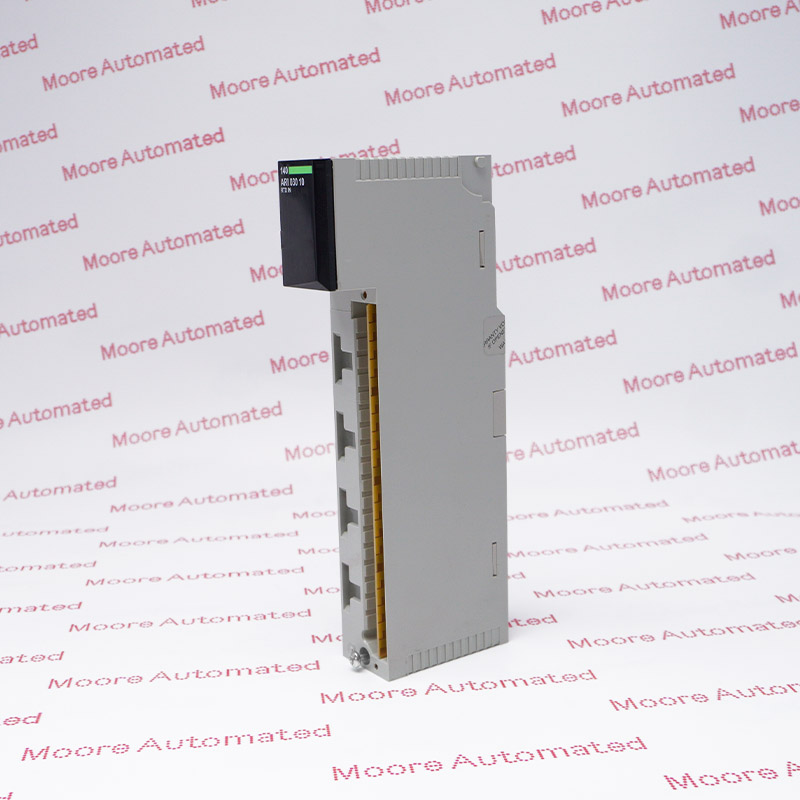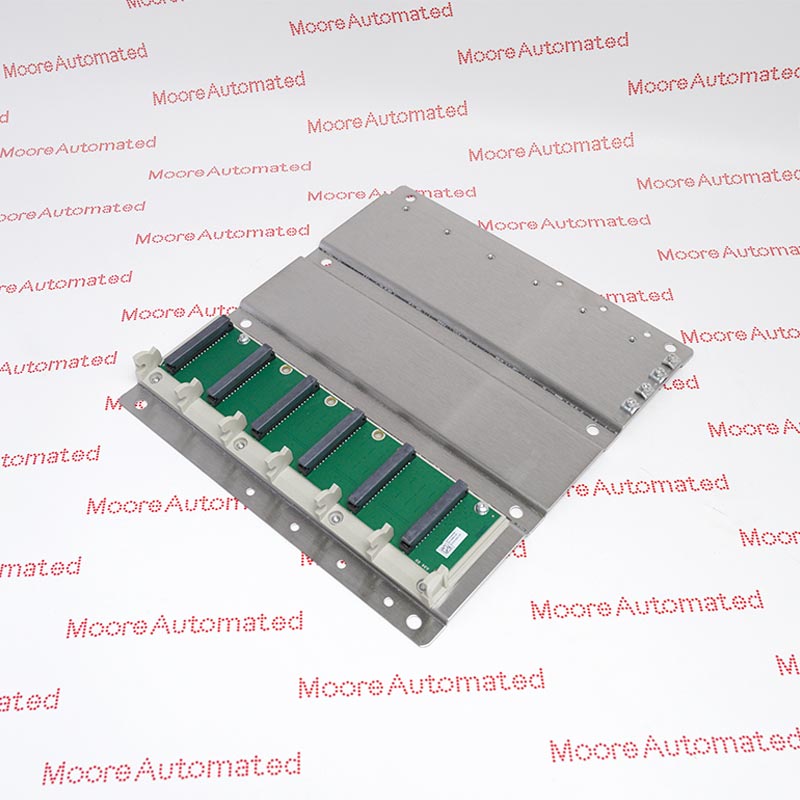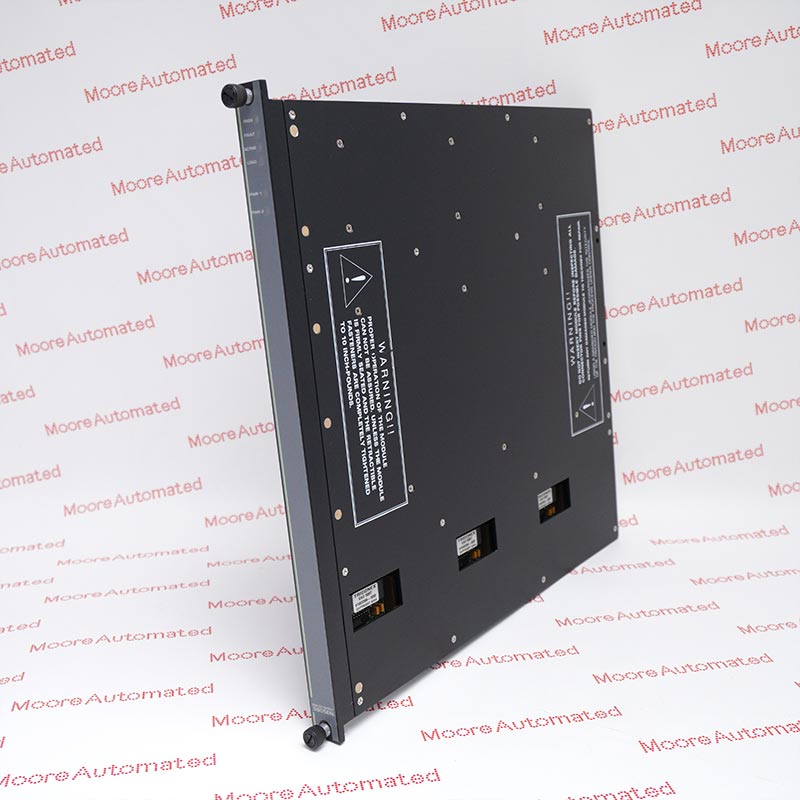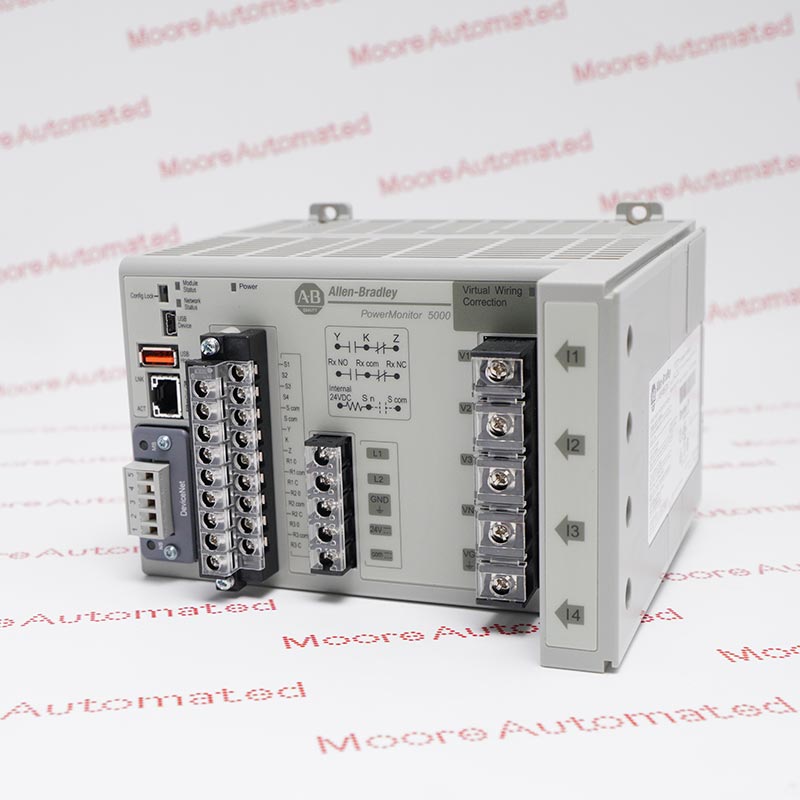
a dual-band infrared (IR2) flame detector
associated with General Electric (GE) industrial automation parts
These detectors are used for high-reliability fire detection in industrial settings
They are designed to detect infrared emissions from flames
What fundamental detection paradigm does the GS9208/IR2 employ to identify combustion events in industrial environments?
The GS9208/IR2 utilizes a dual-spectrum infrared (IR2) sensing architecture, whereby two discrete infrared wavelength bands are continuously analyzed to identify the characteristic radiation signature of flames. This dual-channel discrimination mechanism significantly enhances detection fidelity while mitigating false positives caused by non-flame IR sources.
How does the GS9208/IR2 achieve high-speed fire recognition under dynamic process conditions?
The GS9208/IR2 demonstrates an ultra-fast response latency—typically less than 1 second—through continuous real-time signal processing and high-sensitivity IR sensing. This enables near-instantaneous alarm activation, which is critical for mitigating escalation in high-risk industrial scenarios.
To what extent does the GS9208/IR2 provide spatial coverage and detection range for flame monitoring?
The GS9208/IR2 is engineered for medium-to-long-range detection, offering coverage of up to approximately 20–30 meters, depending on flame type and environmental conditions. This wide-area surveillance capability makes it suitable for large-scale industrial installations.
What environmental resilience characteristics define the GS9208/IR2 in harsh industrial deployments?
The GS9208/IR2 is designed with ruggedized industrial-grade construction, supporting operation across an extended temperature range of approximately –40°C to +70°C. Its robust housing and resistance to humidity and contaminants ensure stable performance in extreme environments such as petrochemical plants and power facilities.
Which electrical and interface specifications govern the integration of the GS9208/IR2 into control systems?
The GS9208/IR2 operates on a low-voltage DC supply (typically 12–24VDC) and provides dual SPDT relay outputs (24VDC, 5A) for alarm signaling. Additionally, certain configurations support industrial communication protocols (e.g., Modbus RTU), facilitating seamless integration into distributed control systems (DCS) and fire & gas systems.
How does the GS9208/IR2 mitigate nuisance alarms caused by non-flame infrared interference?
Through its dual-infrared comparative analysis algorithm, the GS9208/IR2 differentiates between genuine flame flicker signatures and spurious IR emissions (e.g., sunlight, hot surfaces). This spectral filtering capability significantly enhances selectivity and reduces false alarm incidence.
What categories of combustible sources can the GS9208/IR2 reliably detect?
The GS9208/IR2 is capable of detecting a broad spectrum of flame types, including hydrocarbon and non-hydrocarbon fires such as natural gas, gasoline, and diesel combustion, owing to its sensitivity to infrared emission patterns common to these fuels.
For more information on how your data is processed and stored by Moore automated please read our privacy policy.
Trusted by 5,000+ plants worldwide | Backed by our vast inventory of top-tier control parts, drives and servo motors, fast shipments are dispatched to cover your urgent needs. ABOUT US >>
Moore Disclaimer: Moore Automated's sales automation equipment and related solutions are intended for industrial automation and business operational efficiency improvement purposes only. Product information, technical parameters, and application cases are for reference only and do not constitute an absolute guarantee of performance for any specific industry, scenario, or final application. Actual equipment performance may vary depending on factors such as the usage environment, system integration method, and maintenance conditions. Users should confirm compatibility and safety based on professional technical assessments. Moore Automated assumes no liability for any direct or indirect losses caused by improper use, modification, or failure to operate according to specifications, to the extent permitted by law.