Overview
Principle
Primary Applications
Features:
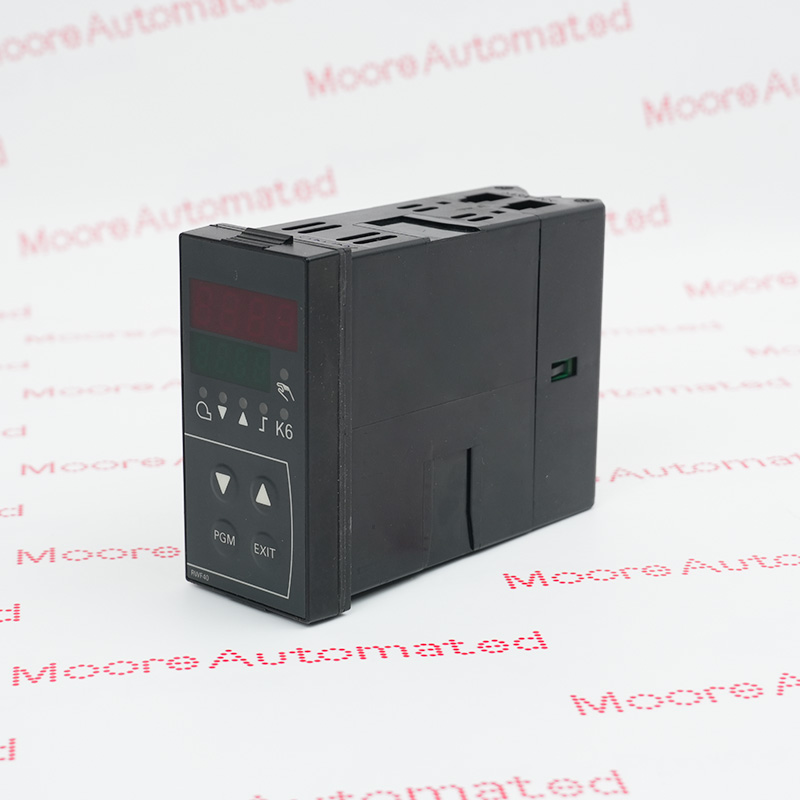
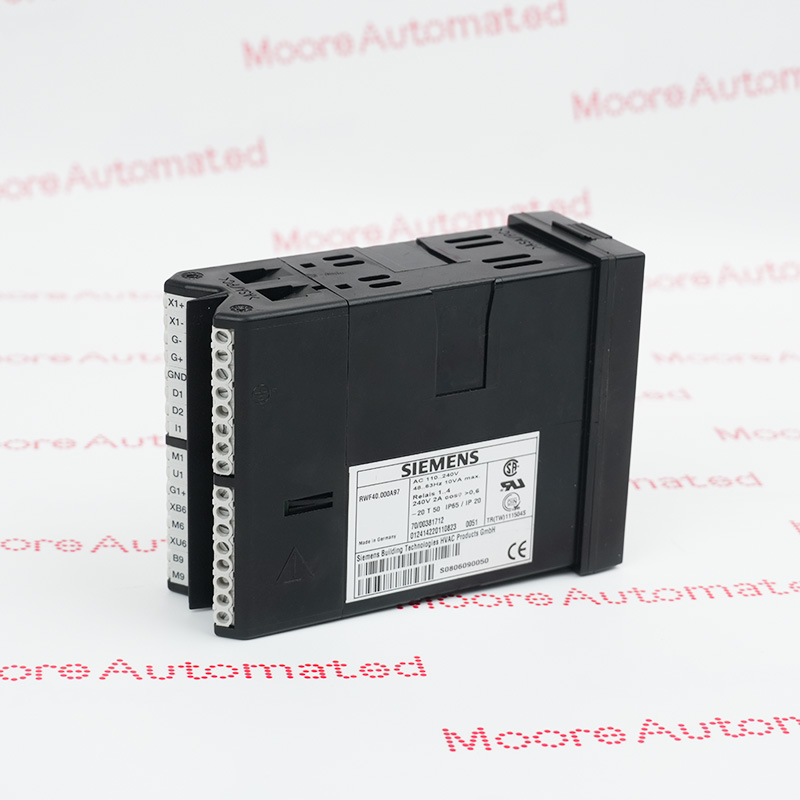
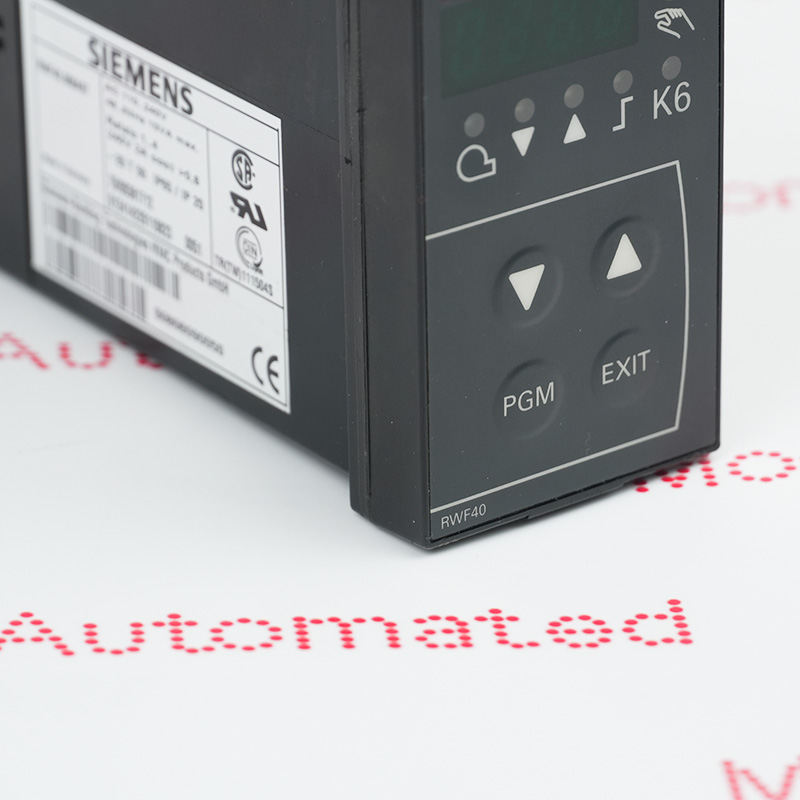
- RWF40 Compact Universal Controllers
- This module is a general-purpose digital boiler temperature/pressure controller
- Its functions are specifically designed for the control of thermal power generation units
As a member of the RWF40 series controllers, the RWF40.000A97 integrates advanced control functions and a user-friendly interface for efficient monitoring and adjustment of process parameters. It is widely used in thermal process systems, burner management solutions, HVAC systems, and industrial heating equipment, where stable and accurate control is crucial for operational efficiency and safety.
This controller accepts a variety of analog input signals, including thermocouples, resistance temperature detectors (RTDs), and standard industrial current or voltage signals, meeting diverse measurement needs. Furthermore, the RWF40.000A97 can output control signals via analog or relay channels to regulate actuators such as valves, dampers, or heating elements. This versatility allows engineers to deploy the controller in various automation architectures while maintaining precise control over dynamic industrial processes.
The RWF40.000A97 Siemens Compact Universal Controllers may still be available for purchase and support from Moore Automated Company beyond End-Of-Life (EOL) by the manufacturer (OEM).
The controller continuously receives measurement data from connected sensors and compares the measured process variables with predefined setpoints. Based on the deviation between these values, the RWF40.000A97 controller uses a PID algorithm to calculate and correct the output signal, thereby adjusting the control output in real time. By adjusting actuators such as control valves or heating elements, the controller maintains process variables at the required setpoints, ensuring stable and efficient operation of the controlled system.
Boiler Control: Used as a PID/PI controller to manage water temperature or steam pressure in heating systems.
Burner Regulation:
Provides three-position output (no position feedback) for driving dampers or gas valves.
Two-Stage Burners: Switchable to two-position control for managing primary/secondary combustion.
Weather-Related Control: When used with external sensors (e.g., QAC22), automatically adjusts setpoints based on external temperature.