ABB Industrial Robotics in the AI Era: Lifecycle Management, Predictive Maintenance, Obsolescence, and Supply Chain Resilience
2026-08-20 10:13:09
9 min read
About the author
Written by Miya Zheng , Director of Moore Automated
Miya Zheng's linkedin:
Miya Zheng, Sales Director at Moore Automated, brings more than twelve years of deep, hands-on industry experience and a consistently demonstrated ability to drive commercial success. Throughout her career, miya has developed a comprehensive understanding of automation technologies, market dynamics, and customer requirements across diverse sectors. Her track record includes building sustainable client relationships, leading high-impact sales initiatives, and delivering revenue growth in both established and emerging markets.
What will define the next generation of industrial robots? How will artificial intelligence (AI) revolutionize robot lifecycle management?
Industrial automation is rapidly evolving as manufacturers seek greater productivity, flexibility, and operational resilience. ABB industrial robots are increasingly becoming a key component of this transformation, combining advanced motion control, connectivity, and intelligent automation with artificial intelligence (AI) technologies. AI can help manufacturers optimize robot performance, identify potential failures, improve production planning, and support data-driven decision-making. Simultaneously, companies need to consider the entire robot lifecycle—from installation and commissioning to maintenance, upgrades, and eventual replacement. Therefore, effectively managing end-of-life (EOL) and discontinuation notices is crucial to avoiding unexpected production disruptions and ensuring sufficient time for technology transitions.
Lifecycle Intelligence
AI-driven predictive maintenance is becoming a significant trend in the industrial robotics field. By analyzing robot operating data, alarms, performance metrics, and historical maintenance records, AI can help identify anomalies, prevent serious equipment failures, and mitigate potential problems. For ABB robots, this approach supports condition monitoring, maintenance planning, spare parts management, and reduces unplanned downtime. Manufacturers are no longer solely reliant on fixed maintenance schedules but can adopt more proactive maintenance strategies based on actual equipment conditions and operational data.
How can AI make robot maintenance more predictive and efficient?
Proactive Product Discontinuation Management
Industrial robot lifecycle management also requires effective management of product discontinuation and obsolescence. When ABB robots, controllers, drives, or related components approach the end of their commercial or service lifecycle, manufacturers need timely information to assess replacement, modification, or upgrade options. Early awareness of milestones such as Product Discontinuation Notices (PDNs), Order of Sale (EOS), and End of Service (EoS) helps companies develop migration plans, ensure the supply of critical spare parts, and minimize the risk of production disruptions. Structured lifecycle strategies can extend asset value while supporting a controlled transition to newer automation technologies.
Intelligent Supply Chain Resilience
The combination of industrial robots, artificial intelligence, lifecycle management, and supply chain intelligence is building a more resilient industrial automation model. Artificial intelligence can support demand forecasting, spare parts optimization, inventory planning, and risk identification throughout the automated supply chain. By linking robot asset data with maintenance needs and lifecycle information, manufacturers can predict spare parts shortages, plan procurement in advance, and coordinate upgrades more efficiently. This integrated approach helps companies reduce downtime, improve asset utilization, and build a more agile and sustainable industrial automation ecosystem.
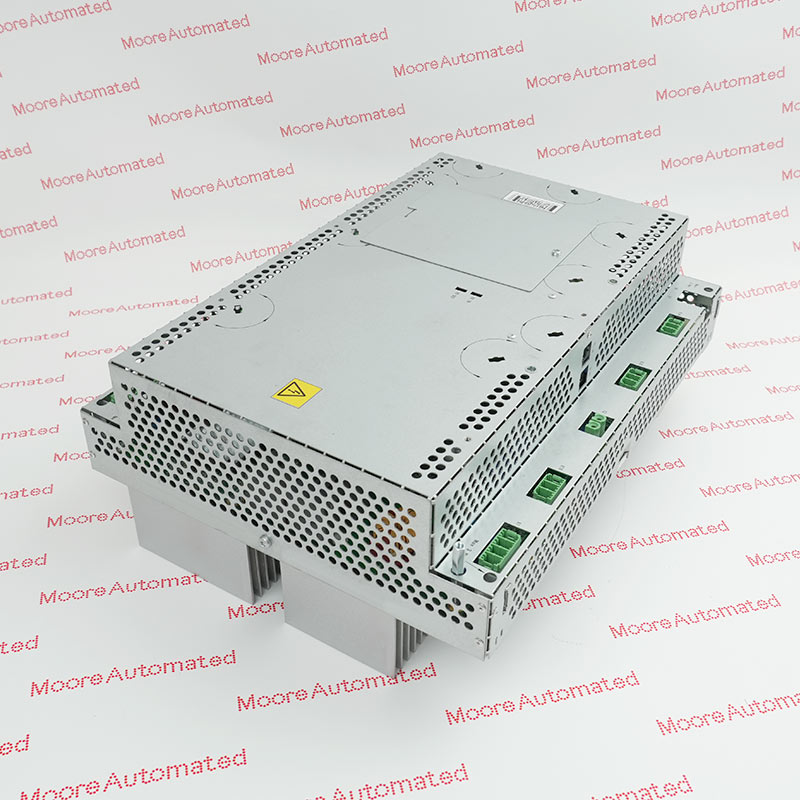
The ABB DSQC625 (3HAC020464-001) is a computer power module designed specifically for the IRC5 robot controller platform. It provides a stable and reliable power supply to the controller's computer unit, ensuring continuous operation of robot applications and system communication functions. As a critical component of the controller architecture, the DSQC625 plays a vital role in maintaining controller performance and system availability. Proper lifecycle management and a timely replacement plan are recommended following the issuance of discontinuation or end-of-service notices.
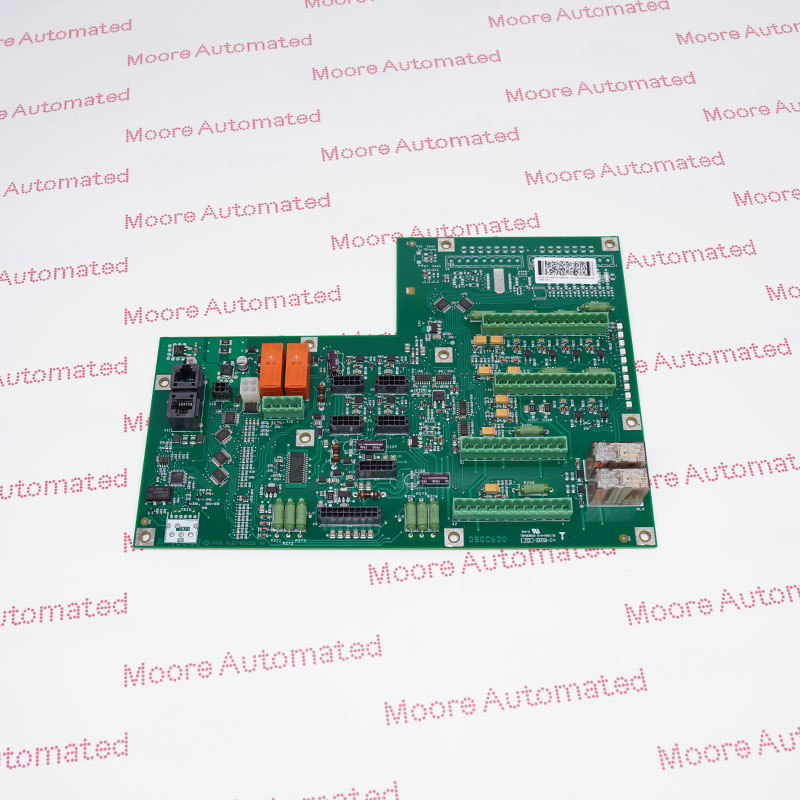
The ABB DSQC406 is the main drive unit (MDU) of ABB's industrial robot drive system. It provides power and control to the robot's servo axes, enabling precise motion control and high-performance robot operation. The DSQC406 is typically integrated into IRC5-based robot systems and is a key component of the drive architecture, directly impacting the robot's productivity, accuracy, and reliability. Effective preventative maintenance and spare parts planning are crucial for minimizing downtime and ensuring long-term equipment performance.
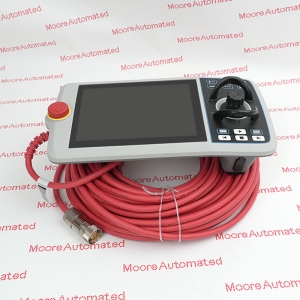
The ABB DSQC3120 (3HAC085590-001) is a FlexPendant teach pendant used with the ABB IRC5 robot controller. As the primary human-machine interface (HMI), it enables operators and maintenance personnel to configure, program, monitor, and troubleshoot robot systems. The DSQC3120 features an intuitive user interface that improves operational efficiency and simplifies robot commissioning and maintenance. Due to its crucial role in the daily operation of the robot, it is recommended to maintain an adequate inventory of spare parts throughout the product's lifecycle.
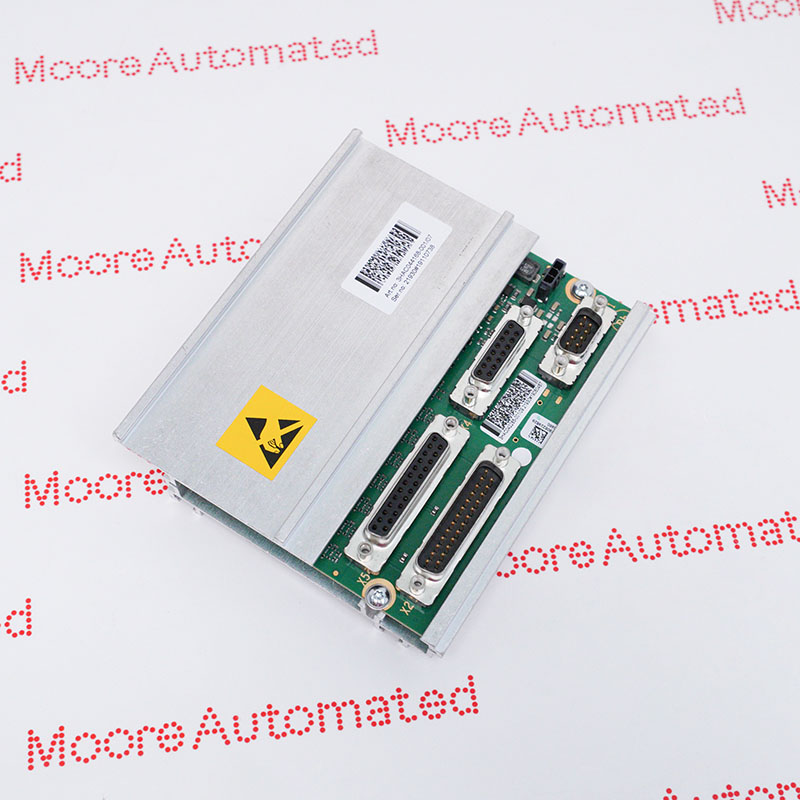
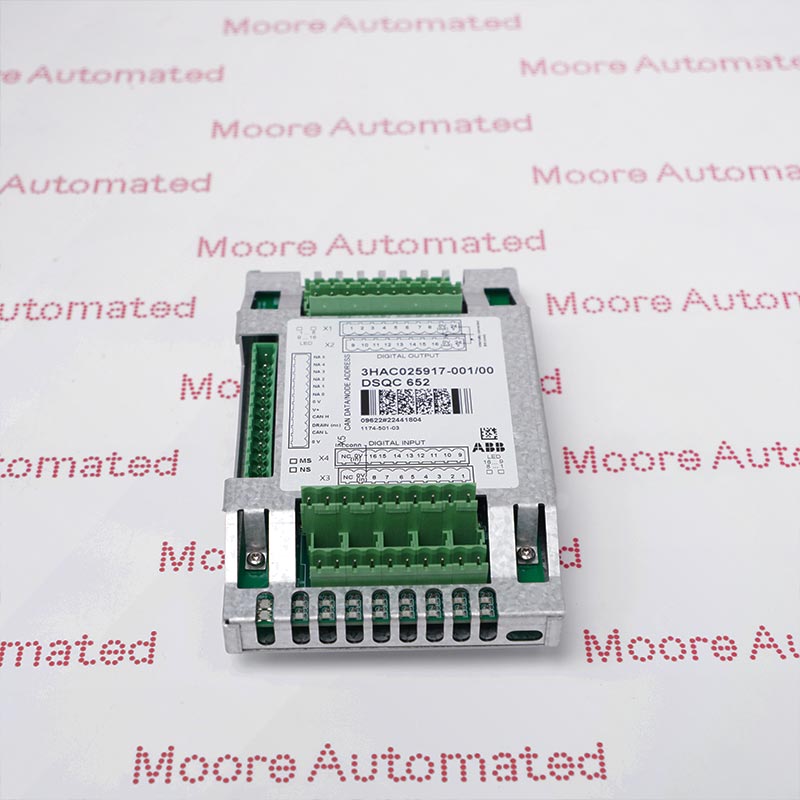
The ABB DSQC266G is a robot axis control and measurement board previously used in ABB's earlier robot products, including S3-based systems. As part of the robot's motion control architecture, it handles feedback signals and supports precise axis positioning and motion control. The DSQC266G is an upgraded replacement for the earlier DSQC236G series, offering enhanced reliability and compatibility. For factories using older ABB robots, proactive lifecycle management and spare parts procurement strategies are crucial to ensure continued system support and operational continuity.
Automation Spare Parts & Controller
High-quality automation spare parts
Reliable spare parts and controllers are essential for maintaining Helping our customers is paramount and has guided our company from the very beginning. With this spirit, we have built relationships and trust, striving to become a leading company in the industrial automation spare parts distribution market. Our expertise lies in stocking parts that manufacturers have discontinued. This relieves our customers of the worry of lost time in their factories and the cost of machinery. One of our top priorities is comprehensive, professional, and timely customer service. Our primary goal is to ensure there are no unnecessary expenses or stress.
Q1:What ABB robot spare parts does Moore Automated supply?
Moore Automated provides sourcing support for a wide range of industrial automation components, including ABB robots and DSQC spare parts. Its ABB product range covers DSQC robot modules as well as other automation components for control, motion, and robot systems. Availability and condition of specific parts may vary depending on part number, version, and stock status.
Q2:How to find the right ABB robot replacement part?
The complete ABB part number is the most important starting point. Customers should provide the complete catalog number (including suffix and version information), as well as the robot or controller model, and ideally, a clear photograph of the nameplate. Moore Automated recommends always verifying the complete manufacturer part number and system context before accepting a replacement part.
Q3:Why is lifecycle management important for ABB robots?
Industrial robots can be produced continuously for many years, making lifecycle management crucial for minimizing unexpected downtime. When controller components become obsolete or are difficult to procure, manufacturers may need to ensure spare parts availability, find compatible alternatives, or plan controller upgrades. ABB’s documentation provides detailed information on controller configuration, spare parts, and system versions, while vendors like Moore Automated can provide additional sourcing channels for hard-to-find components.
Q4:Does Moore Automated offer a warranty for ABB robot spare parts?
Moore Automated states that most products are covered by a one-year Moore Automated warranty from the date of shipment, unless otherwise specified in the written quotation. Manufacturer warranty coverage should not be assumed unless explicitly stated in the quotation.
Q5:Does Moore Automated ship ABB robot spare parts worldwide?
Yes. Moore Automated states that its customers are located in over 120 countries and it provides international shipping services through carriers such as DHL, FedEx, TNT, and UPS. This makes the company a potential sourcing partner for manufacturers who need to source ABB robot components from different production locations.
Q6:What information should I provide when requesting a quotation for an ABB robot?
To obtain the fastest and most accurate quotation, please provide the ABB manufacturer name, complete part number, required quantity, required product condition, destination country, and any available nameplate photographs. Providing the robot model and controller type is also helpful when compatibility checks are required. Moore Automated specifically recommends that if the exact model number cannot be determined, please provide the complete part number and clear nameplate information.











Leave Your Comment