Overview
Manuals
Principle
Features:
- Power Interface board
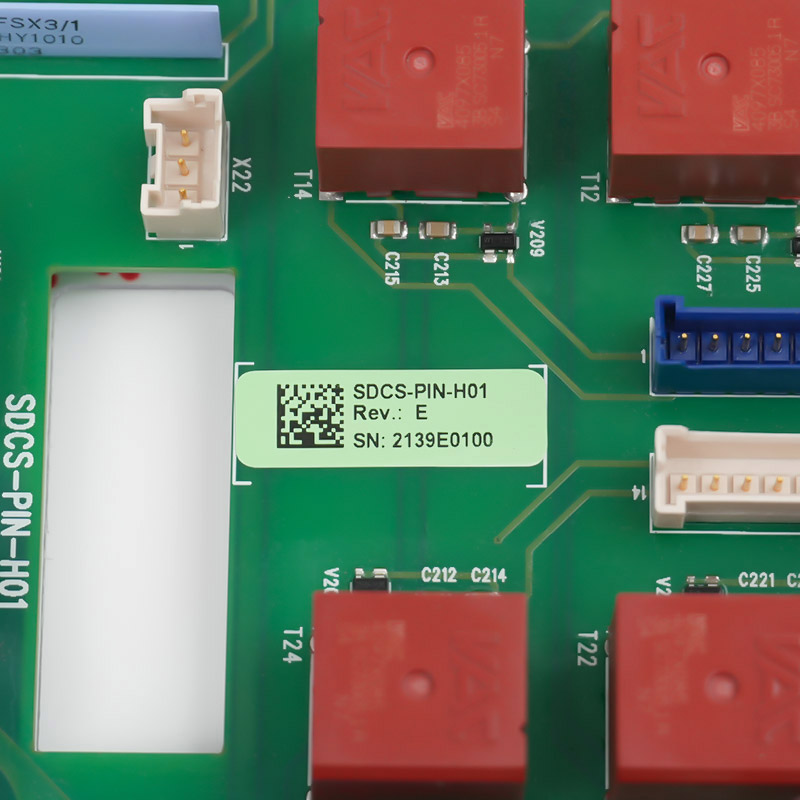
- SDCS-PIN-H01 use connector X15
- Designed for DCS880 converter modules sizes H1 ... H5 (20 A ... 1190 A)
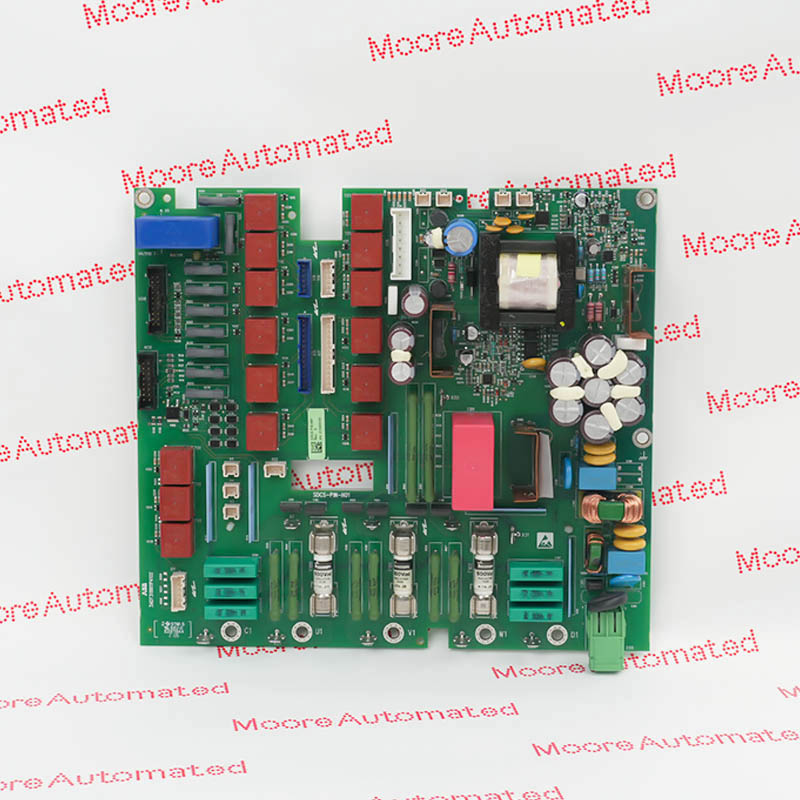
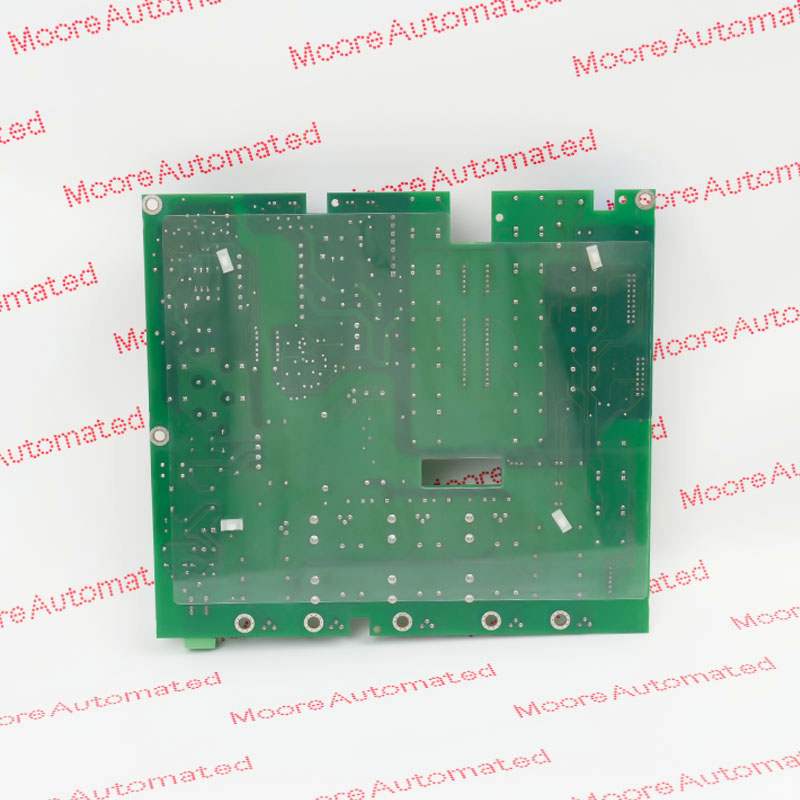
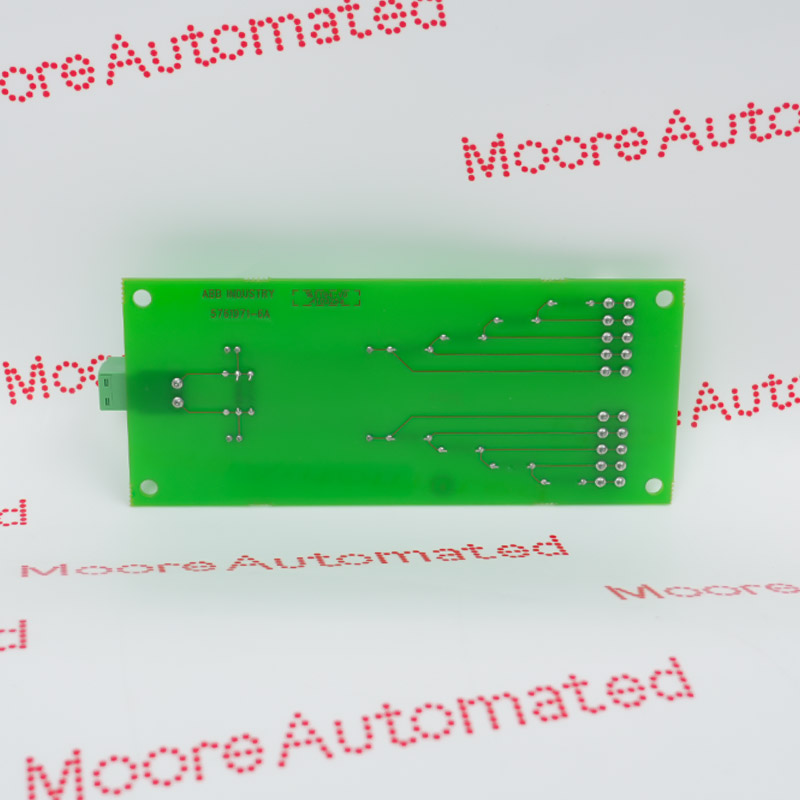
The SDCS-PIN-H01 (H1…H5) is a multi-functional power interface board designed for ABB DCS880 series H1 to H5 inverter modules, with a current range from 20A to 1190A. As a central internal power distribution unit, it generates and regulates the internal power voltage required for the entire drive system and all connected option modules. Furthermore, the board integrates automatic auxiliary voltage regulation, allowing seamless use of 230VAC or 115VAC control power without manual reconfiguration.
From a control and measurement perspective, the SDCS-PIN-H01 manages the armature bridge operation and integrates high-impedance measurement circuitry for AC and DC voltage sensing. It also provides a dedicated interface for the armature current transformer, ensuring accurate current feedback to the control firmware. For H1 to H4 inverters, the board also monitors the onboard exciter and performs precise excitation current measurements, supporting stable excitation control in DC motor applications.
The SDCS-PIN-H01 3ADT318800R1501 ABB Power Interface Board may still be available for purchase and support from Moore Automated Company beyond End-Of-Life (EOL) by the manufacturer (OEM).
ABB SDCS-PIN-H01 3ADT318800R1501 Power Interface Board Manuals(Datasheets), Link
Important Notice: Other accessories, manuals, cables, calibration data, software, etc. are not included with this equipment unless listed in the above stock item description. All prices are shown in USD.
The SDCS-PIN-H01 is internally grounded at a designated ground point within the module to ensure electrical stability and electromagnetic compatibility (EMC). It supports supply voltages from 100 V to 500 V (IEC), 525 V (UL), and 600 V. The DCS880 platform employs firmware-based automatic parameterization to automatically adjust current and voltage measurement ratios, load resistance configuration, and operating mode selection (dual-quadrant or quadrant), thus optimizing performance without hardware modifications.