

Registered Address: 32D Floor Guomao Building, No.388, Hubin South Road, Siming District, Xiamen,Fujian, China
ISO 9001:2015 Certified
Our quality management system covers sourcing,testing and dispatch
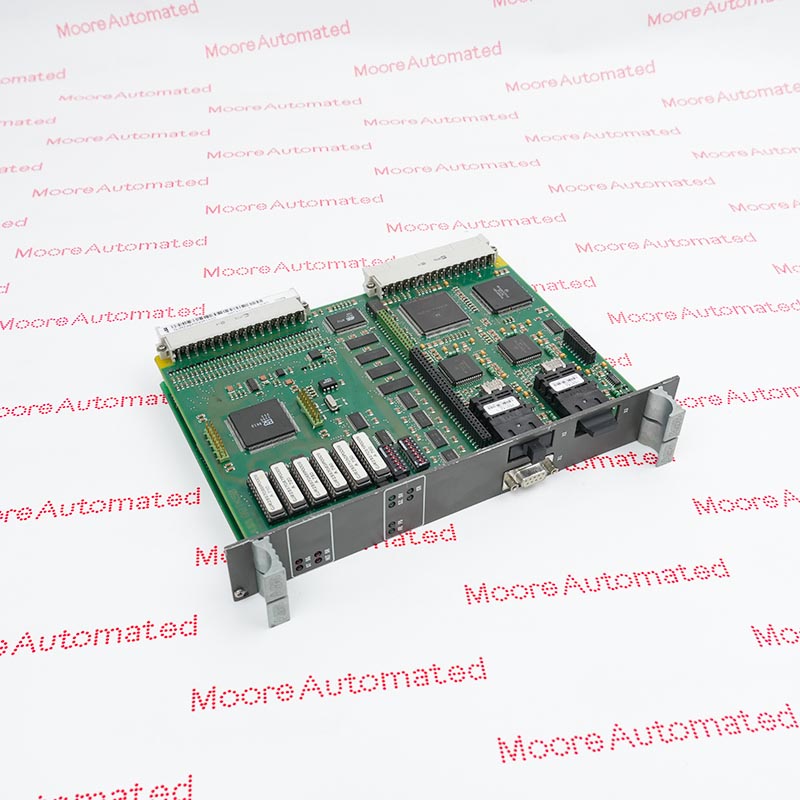
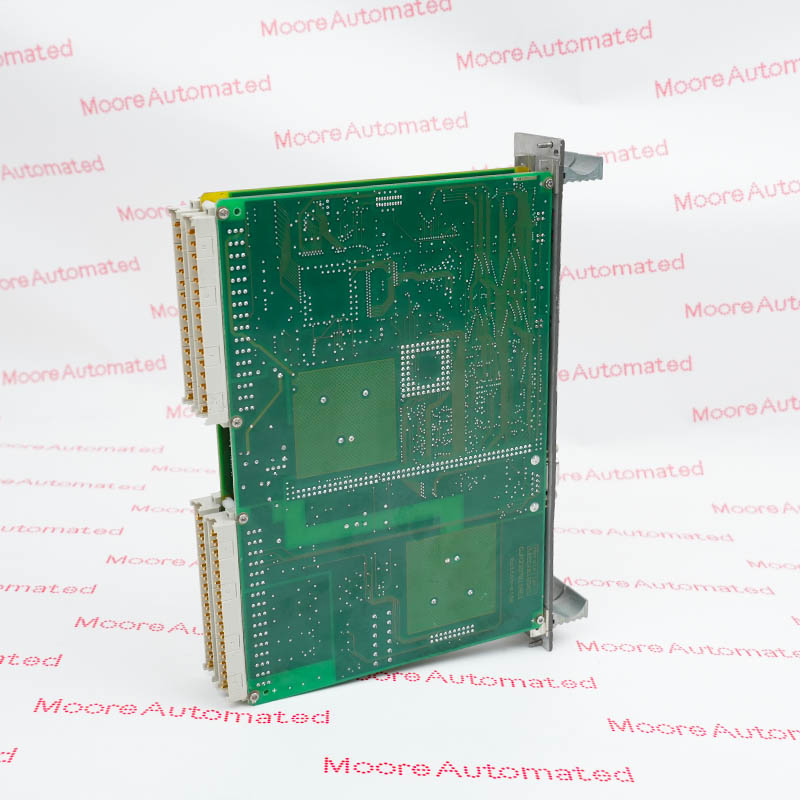
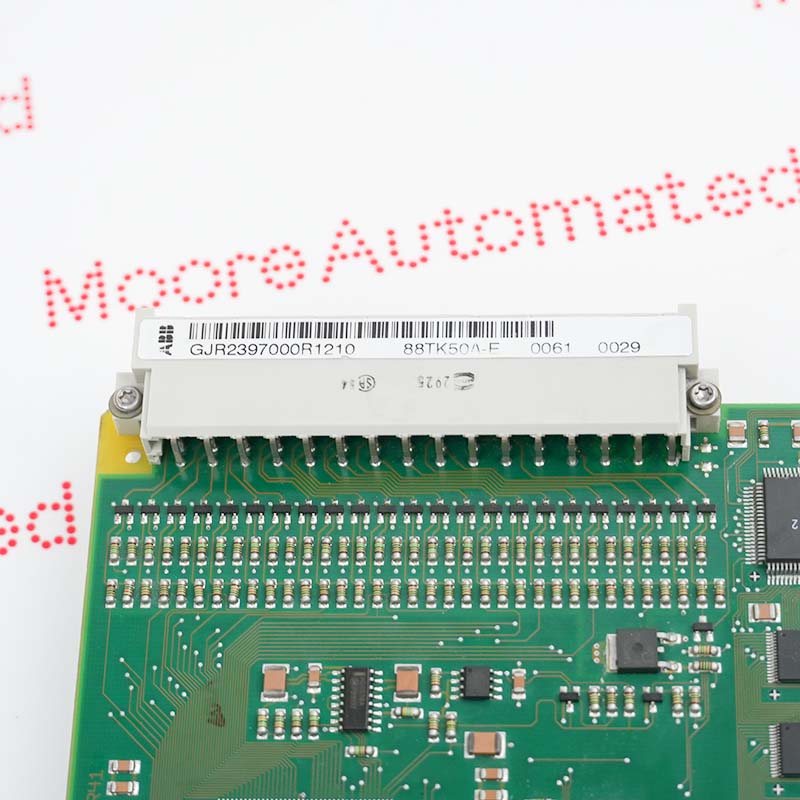
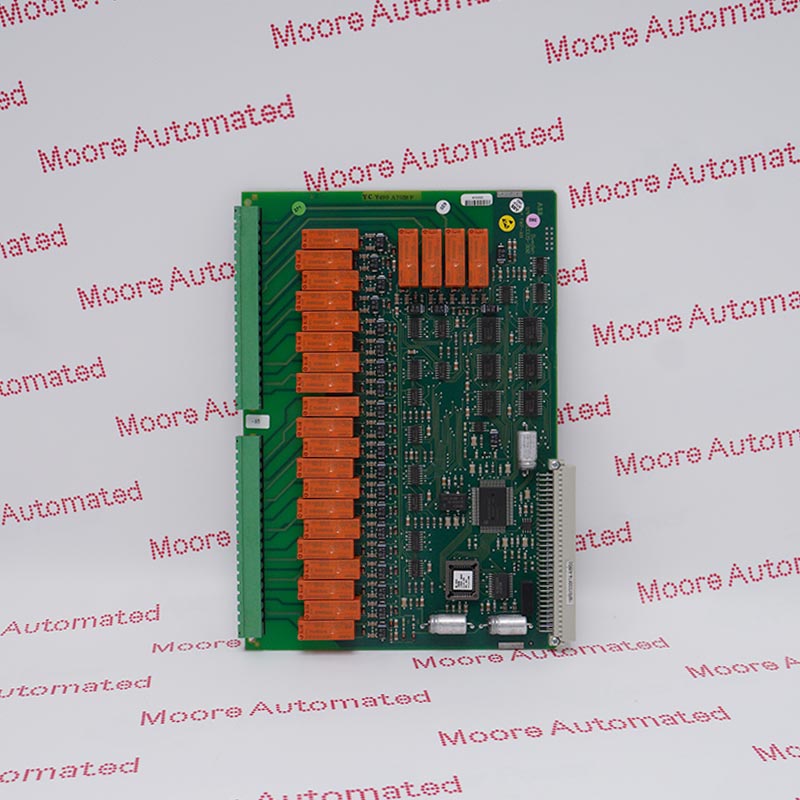
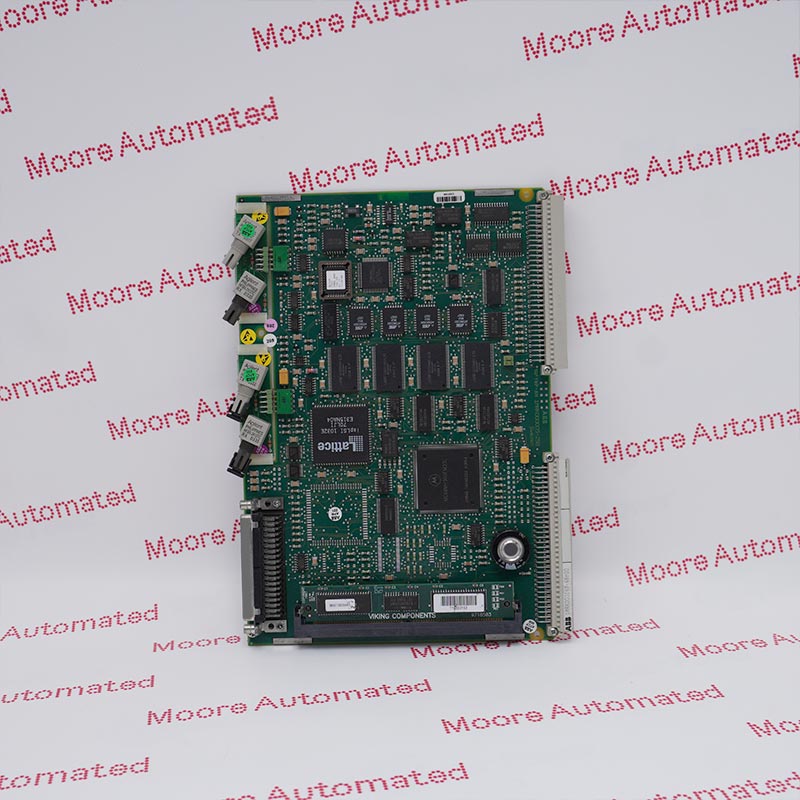
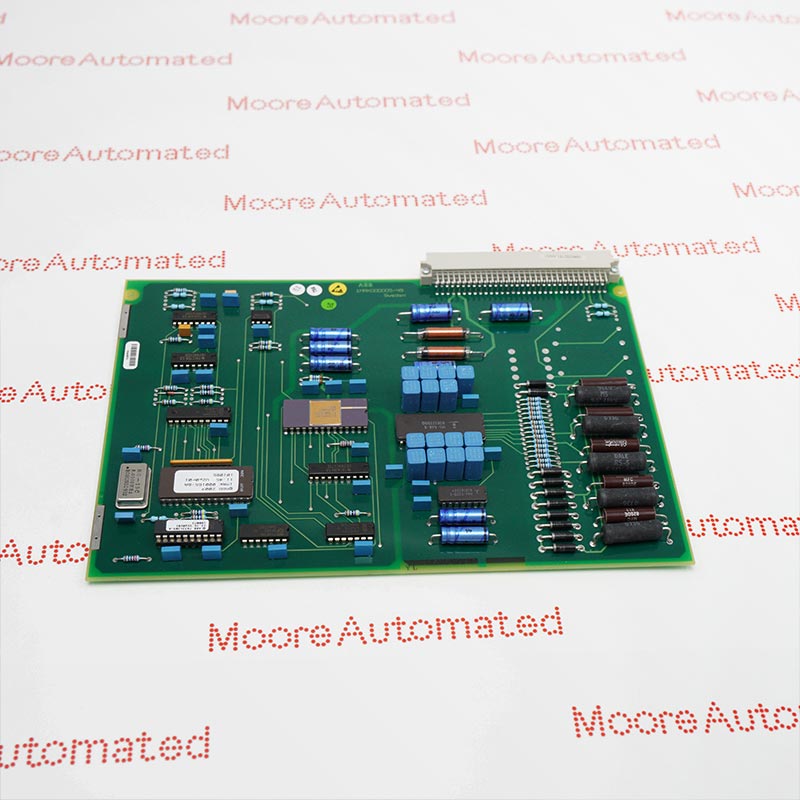
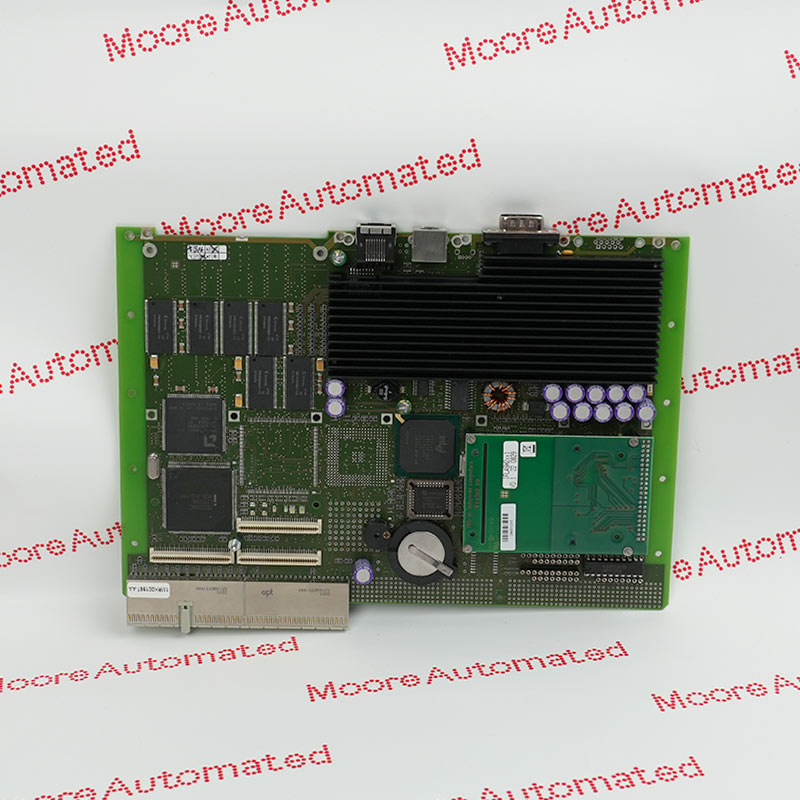
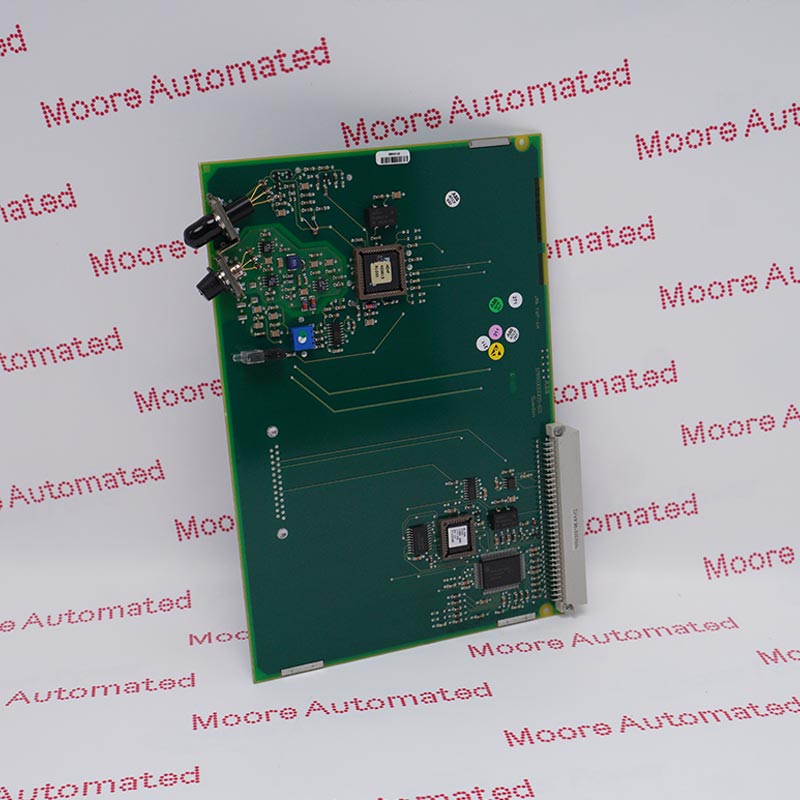
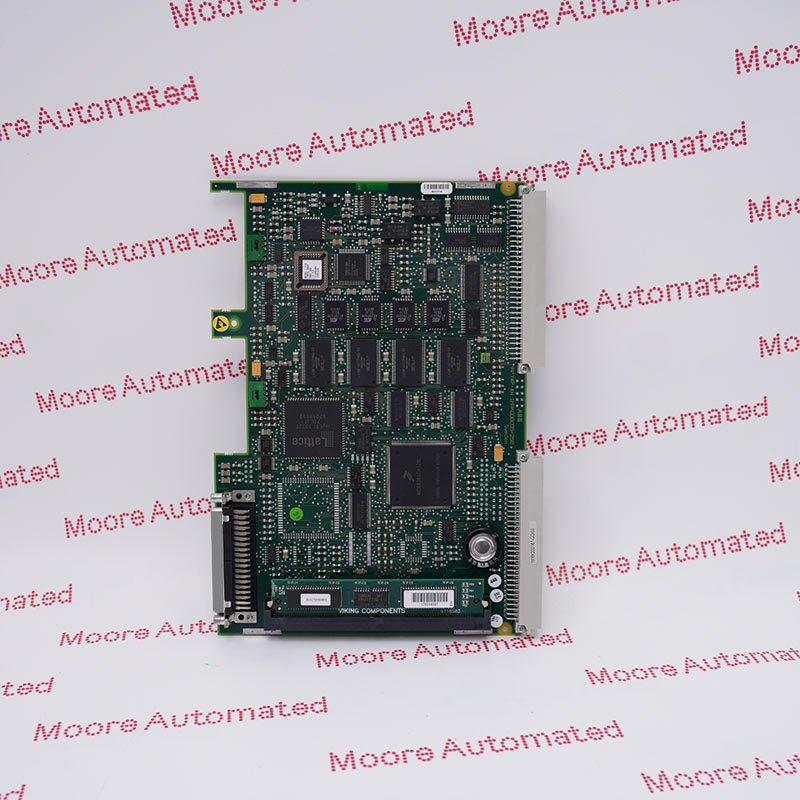
ABB article GJR2397000R1210 identifies module 88TK50A-E used for PROCONTROL P14 remote-bus coupling. ABB P14 documentation associates the 88TK50 family with FDDI token-ring optical communication at 100 Mbit/s. Use it only in the engineered PROCONTROL P14 remote-bus ring and station position. Confirm the full article/revision, P14 station, ring direction, optical transmitter/receiver assignments, fiber type, address/configuration and diagnostic interface.
GJR2397000R1210 88TK50A-E is selected from the complete manufacturer identity and receiving-system evidence. Record the ring topology and fiber labels, isolate module power, protect optical connectors and restore the documented transmit/receive paths. Verify local diagnostics, both optical directions, ring closure, station communication and recovery from the approved single-path interruption test.
Match station address, ring direction and neighboring nodes before replacing the module.
Keep transmit and receive fibers labeled, clean and protected from excessive bending.
Confirm communication and diagnostics in normal service and the approved single-path test.
The 88TK50 family couples PROCONTROL P14 stations through an optical FDDI token ring. Stable service depends on correct ring direction, station configuration and optical budget, not simply the presence of link light.
Before disconnecting, label transmit and receive fibers and record both neighbor stations. After installation, check optical levels where available, error counters and ring diagnostics, then demonstrate recovery from only the interruption permitted by the plant test plan.
Availability and lifecycle status are confirmed for the exact GJR2397000R1210 88TK50A-E article at quotation.
Moore Automated verifies the supplied condition, included items and installed-system match against the complete manufacturer identity.
The replacement must be commissioned with the checks listed in the technical sections.


Registered Address: 32D Floor Guomao Building, No.388, Hubin South Road, Siming District, Xiamen,Fujian, China
MooreAutomated.com is the official website and primary online platform operated by Moore Automation Limited. The website provides information about the company’s industrial automation parts sourcing services, product coverage and customer support. Moore Automation Limited operates as an independent supplier and is not an authorized distributor or representative of the manufacturers displayed on this website unless expressly stated.