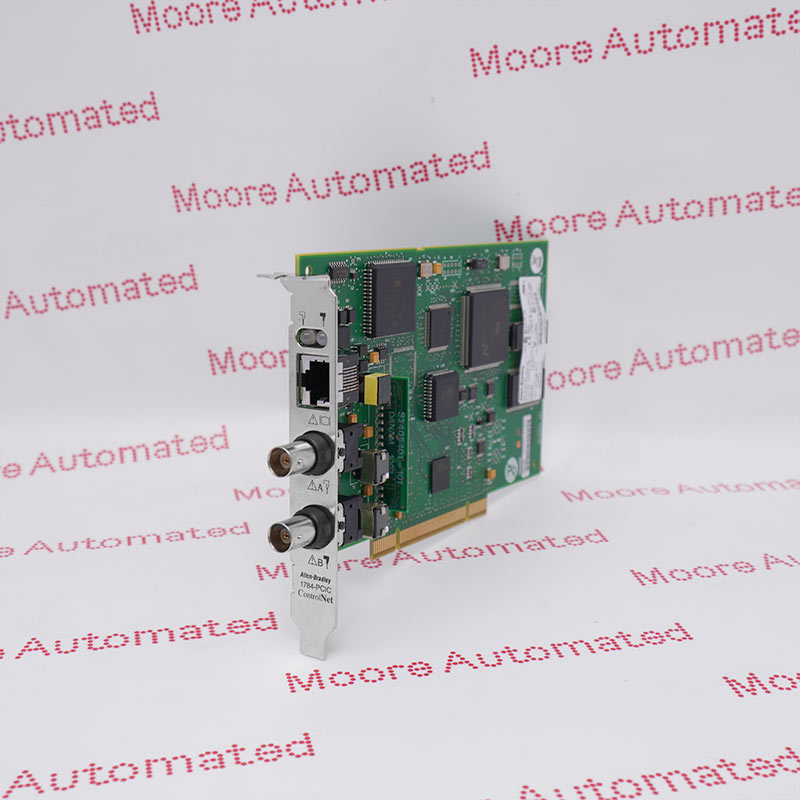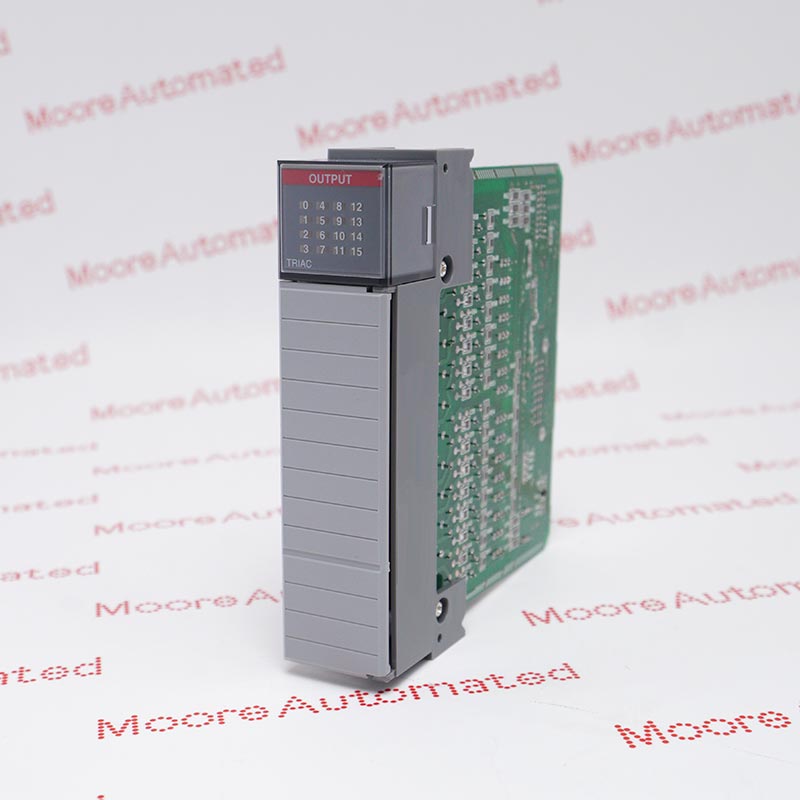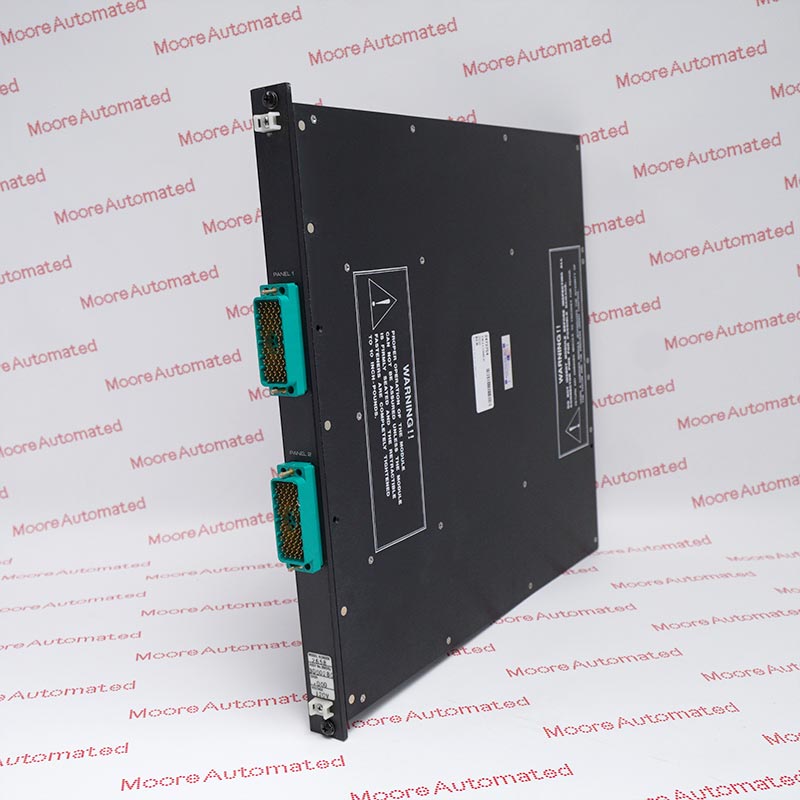
an industrial control relay module used for signal switching
load isolation, and interface control within automation
and electrical control systems. The following represents
a datasheet-style professional parameter summary based
on standard industrial relay architecture
1. What functional signal-conditioning or power-interface topology defines the WKA-15 within industrial automation subsystems?
The WKA-15 is engineered as a compact industrial interface and conditioning module, designed to provide stable electrical adaptation, signal integrity enhancement, and system-level interfacing within automated control or instrumentation environments.
2. How does the WKA-15 achieve high-integrity signal stabilization under electrically hostile industrial conditions?
The WKA-15 employs internal filtering and electrical stabilization mechanisms that suppress high-frequency noise, transient disturbances, and grounding irregularities, ensuring consistent signal fidelity in harsh industrial environments.
3. What electrical compatibility domain characterizes the WKA-15 in terms of voltage and interface adaptability?
The WKA-15 is designed with a broad industrial compatibility envelope, enabling it to interface with standardized control voltages and signal levels typically used in automation systems, ensuring cross-platform adaptability.
4. How does the WKA-15 maintain operational resilience under continuous-duty industrial stress conditions?
The WKA-15 incorporates thermally stable electronic architecture and robust component design, allowing sustained performance under long-duration operational loads and fluctuating environmental conditions.
5. What electromagnetic interference mitigation strategies are embedded within the WKA-15 design framework?
The WKA-15 integrates EMC-oriented circuit layout principles, including internal noise suppression filtering and isolation strategies to reduce susceptibility to conducted and radiated electromagnetic disturbances.
6. How does the WKA-15 contribute to system-level signal integrity in distributed automation architectures?
The WKA-15 acts as a stabilizing intermediary module, ensuring that upstream and downstream control signals maintain integrity across distributed industrial automation networks.
7. What diagnostic or self-protection functionalities are inherently supported by the WKA-15?
The WKA-15 typically incorporates passive or embedded protective behaviors such as: Overload tolerance mechanisms Thermal stability safeguards Signal boundary limitation Internal fault resilience behavior These functions enhance long-term operational reliability.
For more information on how your data is processed and stored by Moore automated please read our privacy policy.
Trusted by 5,000+ plants worldwide | Backed by our vast inventory of top-tier control parts, drives and servo motors, fast shipments are dispatched to cover your urgent needs. ABOUT US >>
Moore Disclaimer: Moore Automated's sales automation equipment and related solutions are intended for industrial automation and business operational efficiency improvement purposes only. Product information, technical parameters, and application cases are for reference only and do not constitute an absolute guarantee of performance for any specific industry, scenario, or final application. Actual equipment performance may vary depending on factors such as the usage environment, system integration method, and maintenance conditions. Users should confirm compatibility and safety based on professional technical assessments. Moore Automated assumes no liability for any direct or indirect losses caused by improper use, modification, or failure to operate according to specifications, to the extent permitted by law.