Get Repair Quote
Name
Company *
Phone *
Email *
Address
City
State / Province / Region
Zipcode
Country
Quantity *
Part Number *
Manufacturer
Preferred Condition
Additional Information
Cancel
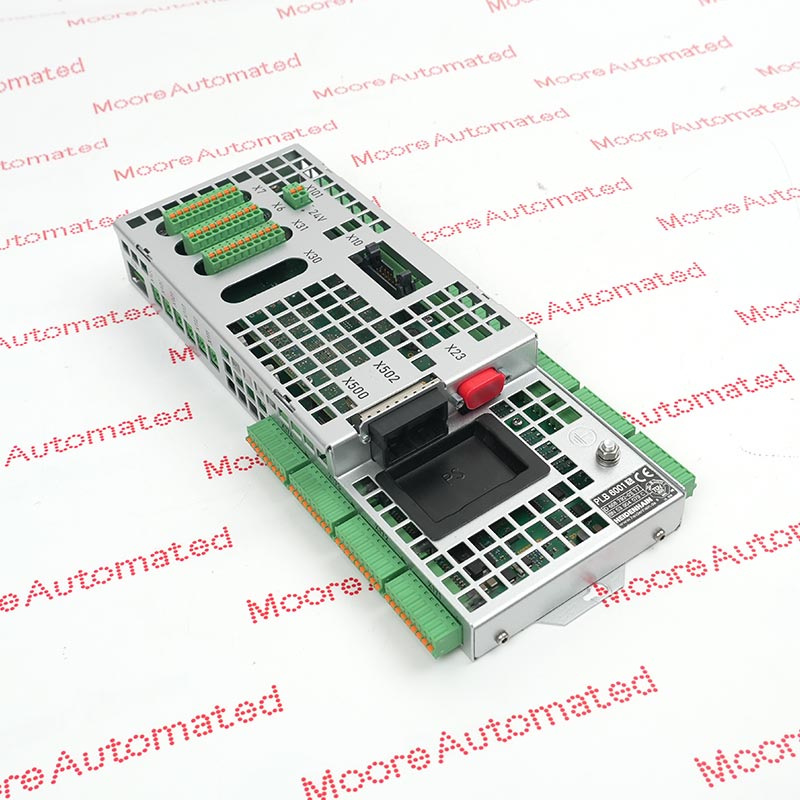
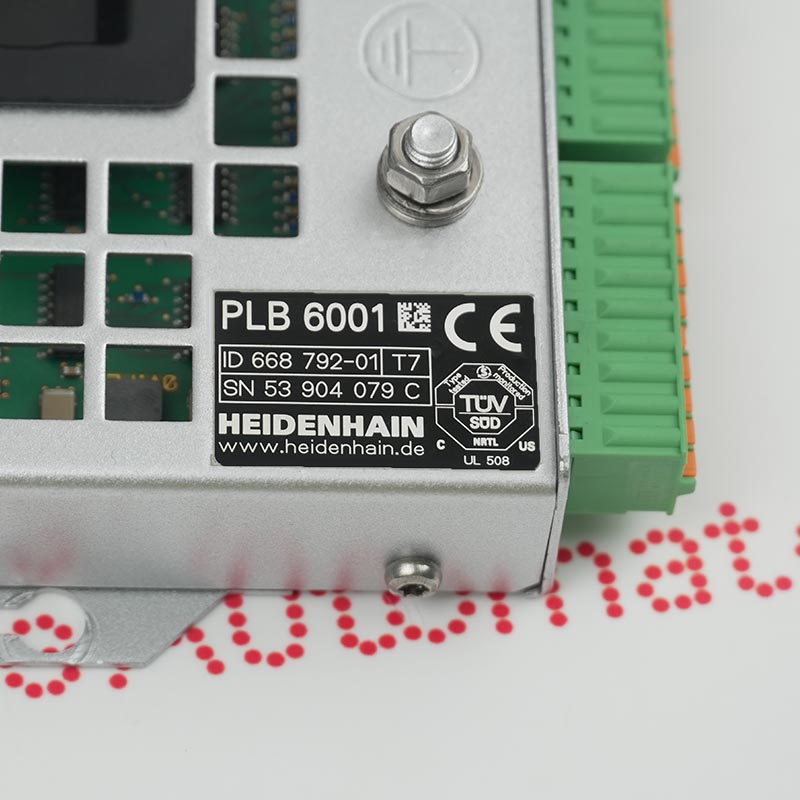
HEIDENHAIN PLB6001
HEIDENHAIN PLB6001
HEIDENHAIN PLB6001
HEIDENHAIN PLB6001
HEIDENHAIN PLB6001
HEIDENHAIN PLB6001
· Product image is representative; revision or series may vary. Contact us to request a specific version.

PLB6001

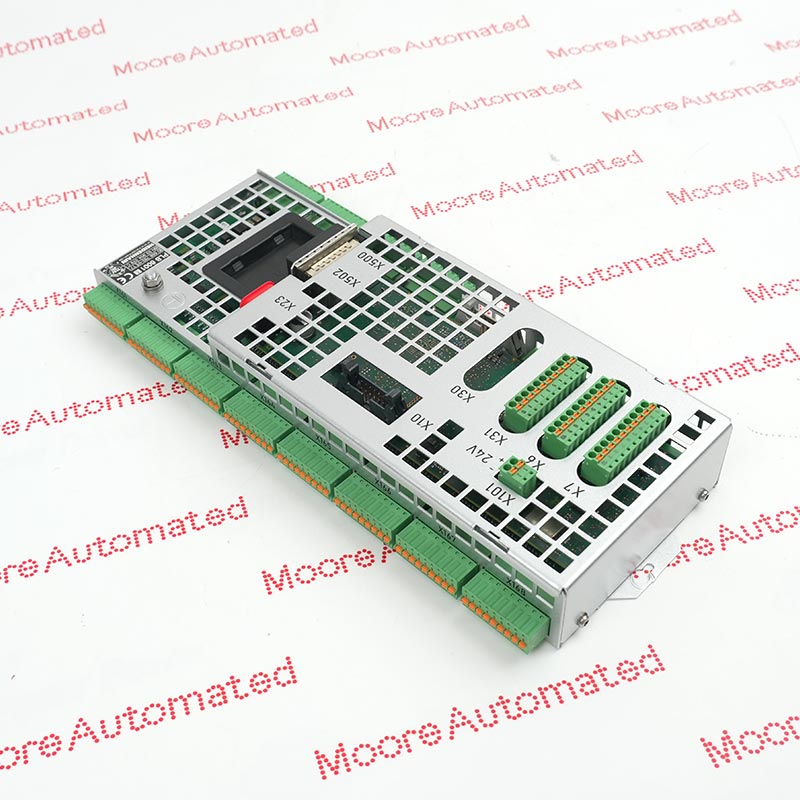
Terminals module
In Stock

Product Information:

Terminals for 72 PLC inputs

and 40 PLC outputs

required for connection of an

OEM-specific machine

operating panel

Expand All
Collapse all

Technical specifications for PLB6001

  • Manufacturer:
    HEIDENHAIN
  • Product Category:
    General Automation
  • Estimated shipping dimensions:
    12.5 x 20.3 x 15.6 cm
  • Weight:
    3.2 kg
  • Tariff Code:
    8537101190
  • Country of origin:
    USA
  • Place of shipment:
    Xiamen, Fujian, China
  • Product Type:
    Terminals
  • Input Channels:
    72 PLC inputs
  • Outputs per module:
    40 PLC outputs
  • Voltage supply:
    DC 24 V/≈ 4 W
  • Memory Size:
    2 MB
  • Operating Temperature:
    -40°C to 70°C
  • Stock:
    1

Ask our team:

  • What is the primary functional role of PLB6001 within an industrial control architecture? PLB6001 is designed as a high-reliability industrial module that provides stable operational performance within distributed control or automation systems, supporting continuous process execution and system integrity. Q2: How does PLB6001 contribute to system robustness and operational continuity? PLB6001 is engineered with industrial-grade components and fault-tolerant design principles, enabling it to sustain deterministic performance under demanding environmental and electrical conditions. Q3: What electrical and interface characteristics define PLB6001 according to its datasheet specification? The datasheet specifies PLB6001 as conforming to standardized industrial electrical parameters, ensuring predictable power behavior, signal integrity, and compatibility with adjacent control system components. Q4: In which application scenarios is PLB6001 optimally deployed? PLB6001 is optimally deployed in automation environments requiring reliable module-level functionality, such as process control panels, machine control systems, and industrial monitoring installations. Q5: How does PLB6001 support long-term operational stability in continuous-duty applications? PLB6001 is designed for continuous operation, leveraging thermal stability, component derating, and protective circuitry to minimize performance drift and reduce lifecycle maintenance requirements. Q6: What installation considerations are critical to achieving optimal performance from PLB6001? Proper mechanical mounting, adherence to specified electrical tolerances, and compliance with grounding and shielding recommendations are essential to ensure PLB6001 operates within its defined performance envelope. Q7: How does PLB6001 integrate with existing industrial systems and architectures? PLB6001 is designed for seamless integration into established industrial frameworks, supporting standardized interfaces and installation practices that simplify system expansion or retrofitting. Q8: What environmental tolerances characterize PLB6001 under industrial operating conditions? According to the datasheet, PLB6001 is qualified to operate within defined temperature, humidity, and vibration limits, ensuring reliable performance in harsh industrial environments. Q9: How does PLB6001 enhance maintainability and lifecycle management? PLB6001 supports simplified diagnostics, predictable behavior, and modular replacement strategies, enabling efficient maintenance planning and reduced mean time to repair (MTTR). Q10: Why is PLB6001 considered a technically sound choice for mission-critical industrial applications? PLB6001 combines robust design, standardized compliance, and proven industrial reliability, making it a dependable solution for applications where operational consistency and system availability are paramount.
    PLB6001 is designed as a high-reliability industrial module that provides stable operational performance within distributed control or automation systems, supporting continuous process execution and system integrity.
  • What electrical and interface characteristics define PLB6001 according to its datasheet specification?
    The datasheet specifies PLB6001 as conforming to standardized industrial electrical parameters, ensuring predictable power behavior, signal integrity, and compatibility with adjacent control system components.
  • How does PLB6001 support long-term operational stability in continuous-duty applications?
    PLB6001 is designed for continuous operation, leveraging thermal stability, component derating, and protective circuitry to minimize performance drift and reduce lifecycle maintenance requirements.
  • How does PLB6001 integrate with existing industrial systems and architectures?
    PLB6001 is designed for seamless integration into established industrial frameworks, supporting standardized interfaces and installation practices that simplify system expansion or retrofitting.
  • Why is PLB6001 considered a technically sound choice for mission-critical industrial applications?
    PLB6001 combines robust design, standardized compliance, and proven industrial reliability, making it a dependable solution for applications where operational consistency and system availability are paramount.
Quantity
Upload
(gif, jpg, jpeg, png, bmp, doc, docx, xls, xlsx, ppt, pdf, csv)
For more information on how your data is processed and stored by Moore Automated please read our privacy policy.
Trusted by 5,000+ plants worldwide | Backed by our vast inventory of top-tier control parts, drives and servo motors, fast shipments are dispatched to cover your urgent needs. ABOUT US >>
Moore Disclaimer: Moore Automated's sales automation equipment and related solutions are intended for industrial automation and business operational efficiency improvement purposes only. Product information, technical parameters, and application cases are for reference only and do not constitute an absolute guarantee of performance for any specific industry, scenario, or final application. Actual equipment performance may vary depending on factors such as the usage environment, system integration method, and maintenance conditions. Users should confirm compatibility and safety based on professional technical assessments. Moore Automated assumes no liability for any direct or indirect losses caused by improper use, modification, or failure to operate according to specifications, to the extent permitted by law.