


Registered Address: 32D Floor Guomao Building, No.388, Hubin South Road, Siming District, Xiamen,Fujian, China
ISO 9001:2015 Certified
Our quality management system covers sourcing,testing and dispatch
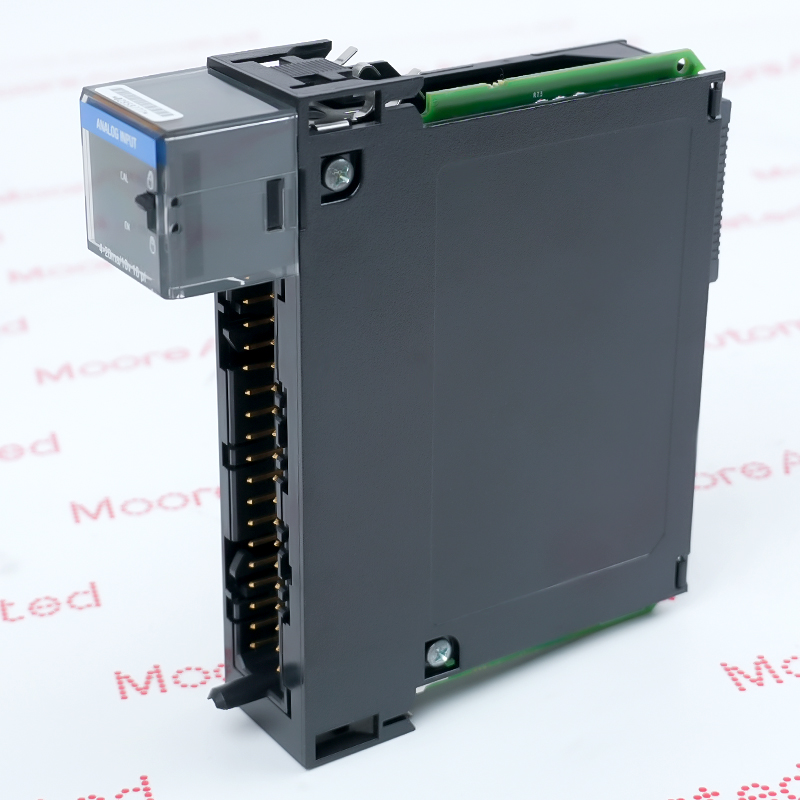
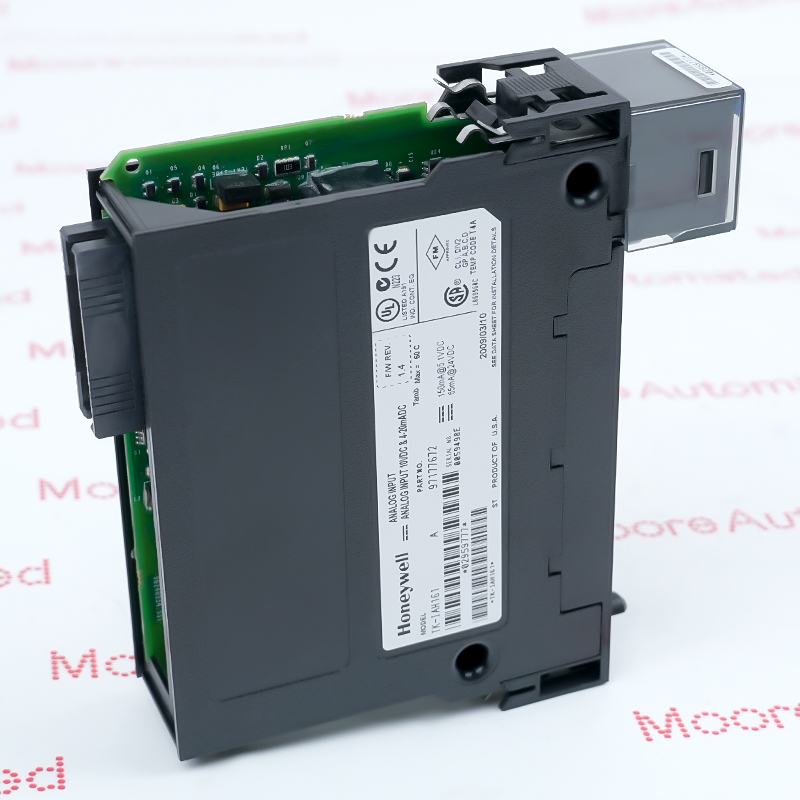
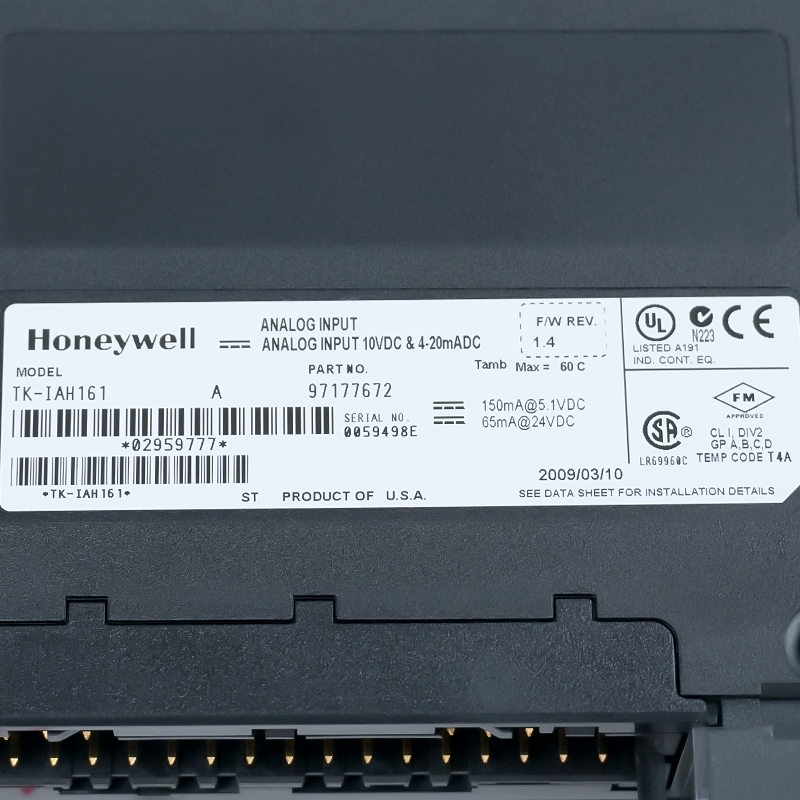
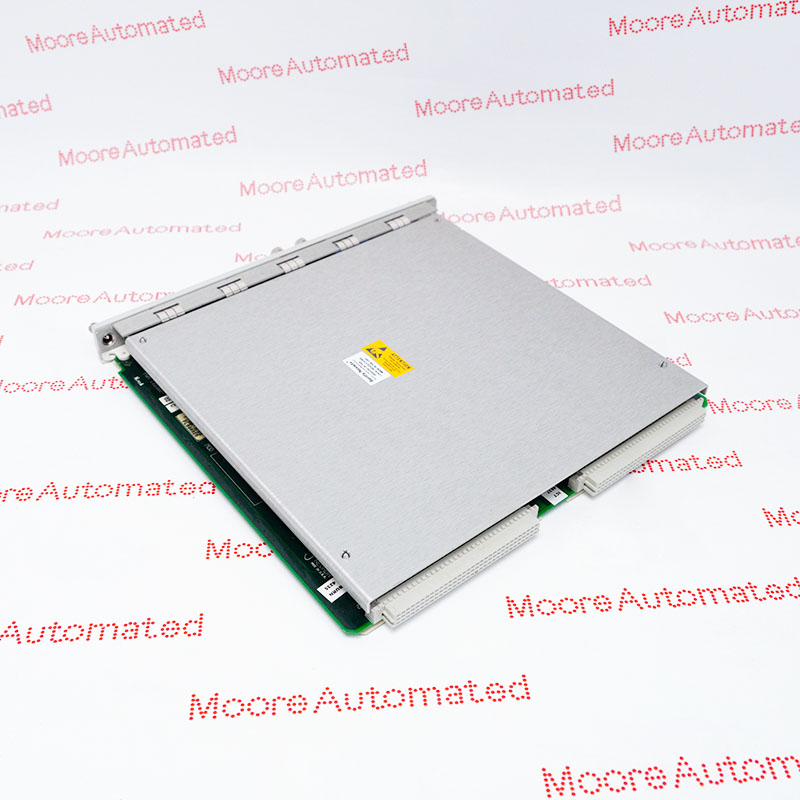
Honeywell's System HINTS identifies TK-IAH161 as a coated, sixteen-point analog-input module. The cited exact-model entry does not specify signal range, input isolation, terminal assembly or electrical ratings. Confirm those details from the installed label, OEM installation documents and approved I/O configuration before ordering or replacing this module.
Honeywell's November 2020 System HINTS lists TK-IAH161 in its table of coated TK hardware and describes it as 'Analog In, 16 pt, coated.' This supports the product's identity, function, sixteen-point count and coating, and nothing more precise about electrical input limits. The neighboring TC-IAH161 entry includes additional range and isolation language, but it is a different model code. Reusing its values on TK-IAH161 without an exact Honeywell technical reference risks a wrong field interface. Confirm the actual unit, field termination and system drawing before making procurement or replacement decisions.
For service work, collect the module's readable model and revision, rack or chassis position, sixteen point assignments, input signal types and loop scaling from the installed engineering configuration. Keep a baseline of representative values and alarms before authorized removal. Follow plant isolation and electrostatic handling rules, then restore approved configuration and prove each affected analog point against a traceable signal source or process value. The HINTS list is an identity source rather than a full electrical data sheet, so do not infer input impedance, isolation, accuracy or available ranges from a sibling model or a general marketing description.
The cited Honeywell System HINTS table explicitly lists TK-IAH161 as a coated sixteen-point analog-input module. That is the safe basis for this page. It does not say that the module shares every electrical limit of the adjacent TC-IAH161, and the model prefixes differ. Match the full physical marking, coated hardware execution and actual installation record before a spare is accepted.
The manufacturer list does not publish exact TK-IAH161 current or voltage range, input isolation, impedance, accuracy, field terminal assembly or power consumption. These values should remain unclaimed until a matching OEM technical sheet or manufacturer parts record is reviewed. Confirm every connected instrument and channel scaling from the approved project documentation. Avoid treating a generic analog-input label as authorization for a particular sensor or hazardous-area wiring design.
Capture sixteen channel assignments, present process values, alarm states, slot location, physical label and wiring before controlled work. Confirm the correct coated module and installed controller revision, then follow the plant's permitted isolation and handling procedure. After replacement, check representative signals and all affected channels for value, scaling, diagnostics and alarm behavior. Preserve traceability of any configuration change and resolve uncertain electrical specifications with Honeywell before commissioning.
Check the complete TK-IAH161 physical label, coated execution, chassis position, hardware revision and sixteen configured input points. Match each instrument loop and terminal connection to the approved engineering documents. The cited Honeywell list does not give exact TK current or voltage limits, isolation or terminal compatibility, so obtain an exact-model technical sheet or Honeywell confirmation before specifying those properties. Adjacent TC-IAH161 values are not evidence that TK-IAH161 has identical electrical characteristics.
Record baseline values, scaling, alarms, diagnostics and channel assignments before an authorized change. Follow site isolation, ESD and handling controls. Reinstall only after the module and receiving hardware are verified, then test each affected point with a controlled source or process comparison and confirm alarm response. Investigate any discrepancy before return to service. This model-list reference verifies identity and point count, but it is not enough to certify accuracy, hazardous-area suitability or interchangeability with another prefix or revision.

Registered Address: 32D Floor Guomao Building, No.388, Hubin South Road, Siming District, Xiamen,Fujian, China
MooreAutomated.com is the official website and primary online platform operated by Moore Automation Limited. The website provides information about the company’s industrial automation parts sourcing services, product coverage and customer support. Moore Automation Limited operates as an independent supplier and is not an authorized distributor or representative of the manufacturers displayed on this website unless expressly stated.