Overview
Manuals
Principle
Features:
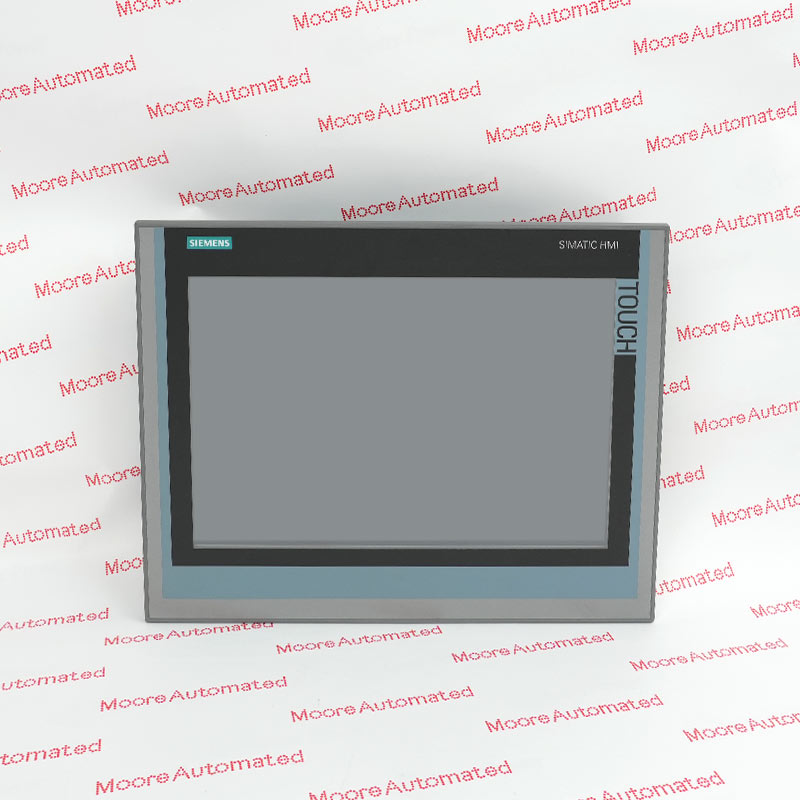
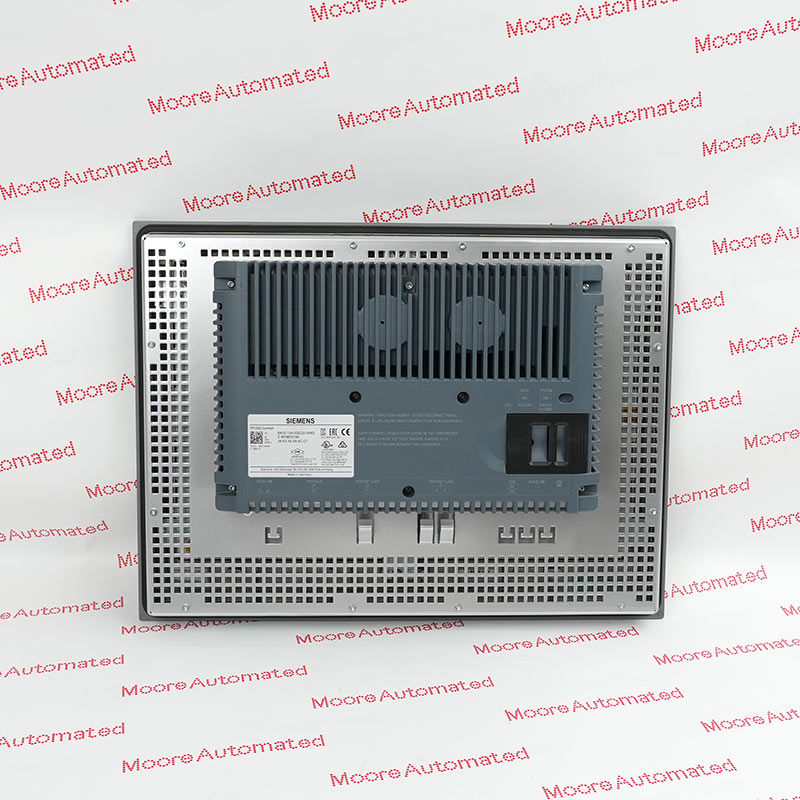
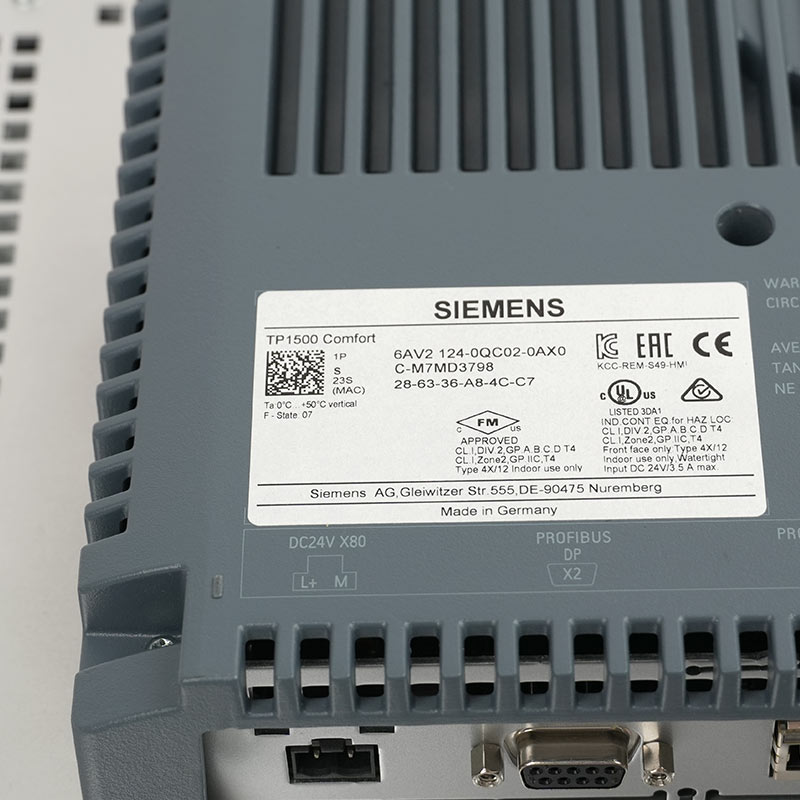
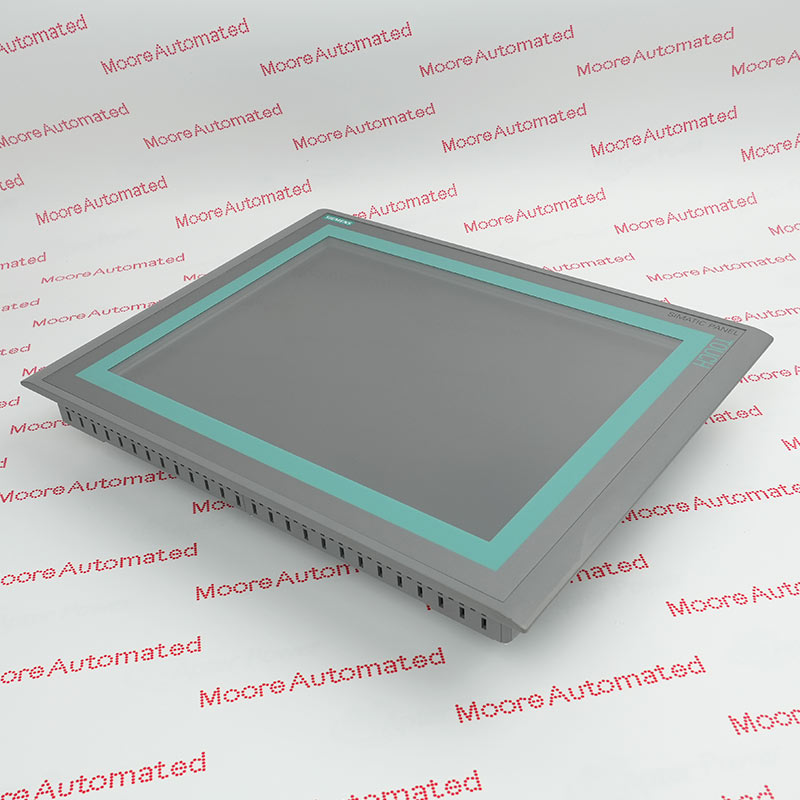
- SIMATIC HMI TP1500 Comfort
- Comfort Panel, touch operation, 15" widescreen TFT display
- 16 million colors, PROFINET interface,MPI/PROFIBUS DP interface
The 6AV2124-0QC02-0AX0 is a SIMATIC Comfort Panel industrial human-machine interface (HMI) designed for visualization, monitoring, and operator control in automation systems. Its primary function is to provide an intuitive graphical interface for displaying real-time process data, alarms, trends, and system status, while enabling operators to interact directly with the control system. It supports high-resolution touch operation and advanced display capabilities, enabling efficient industrial monitoring.
In practical applications, the 6AV2124-0QC02-0AX0 enhances system transparency and operational efficiency by centrally visualizing machine and process parameters. It seamlessly integrates with PLCs and automation controllers via industrial communication protocols, enabling real-time data exchange and remote diagnostics. This device typically supports alarm management, recipe processing, data logging, and user access control, making it suitable for production lines, process plants, and machine control environments.
The 6AV2124-0QC02-0AX0 Siemens Comfort Panel module may still be available for purchase and support from Moore Automated Company beyond End-Of-Life (EOL) by the manufacturer (OEM).
Siemens 6AV2124-0QC02-0AX0 Comfort Panel module Manuals(Datasheets), Link
Important Notice: Other accessories, manuals, cables, calibration data, software, etc. are not included with this equipment unless listed in the above stock item description. All prices are shown in USD.
The 6AV2124-0QC02-0AX0 operates based on embedded computing and network communication with the control system. It receives process data from connected PLCs or controllers via Industrial Ethernet or other supported protocols, processes the information through its internal operating system and visualization software, and displays it on a touchscreen interface. User input is captured through touch interaction, converted into control commands, and sent back to the controller, thus enabling two-way communication between the operator and the automation system.