

Registered Address: 32D Floor Guomao Building, No.388, Hubin South Road, Siming District, Xiamen,Fujian, China
ISO 9001:2015 Certified
Our quality management system covers sourcing,testing and dispatch
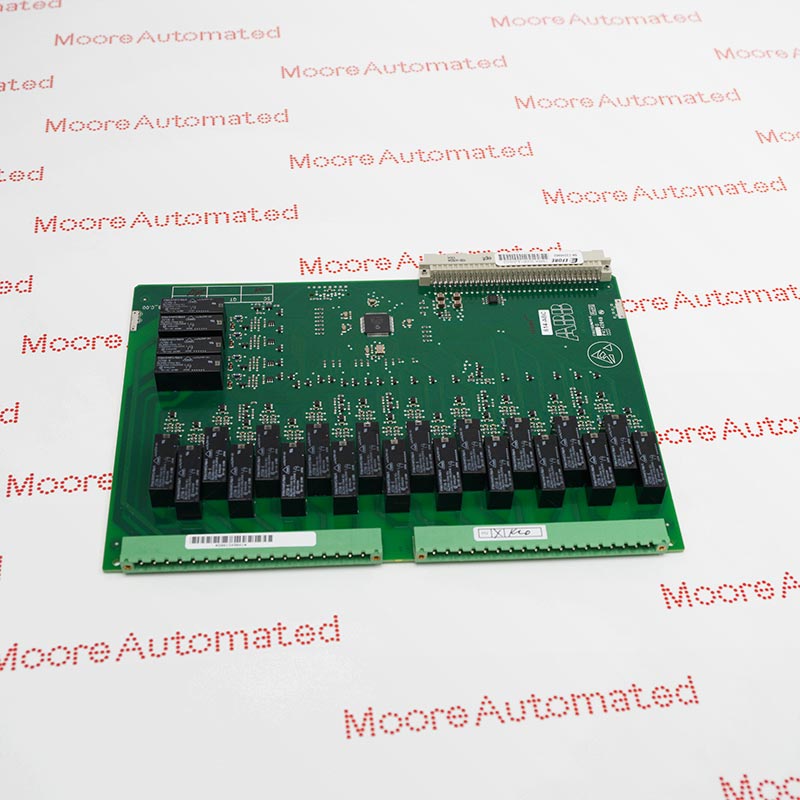
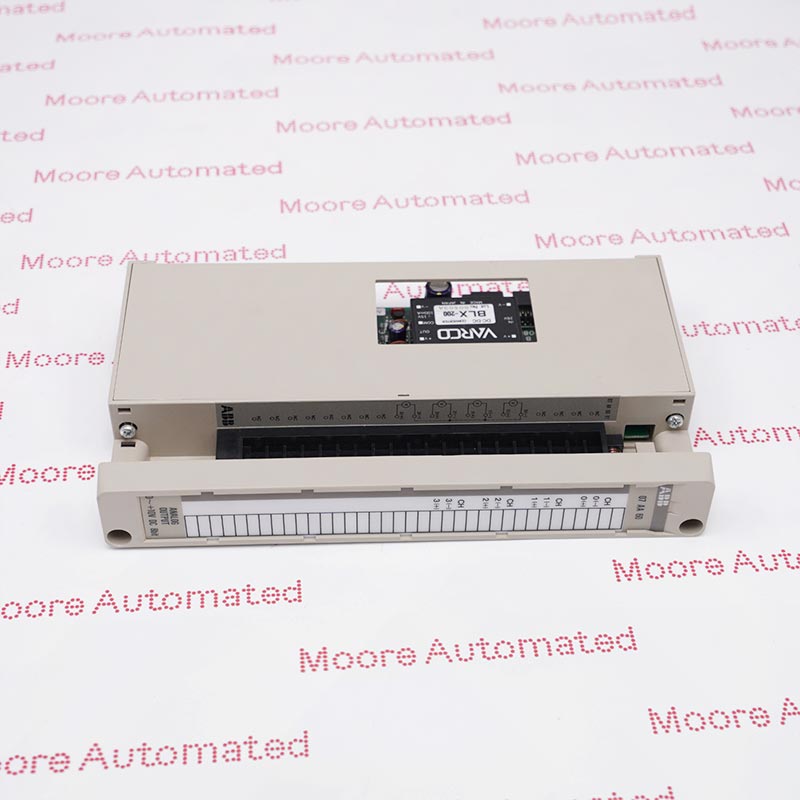
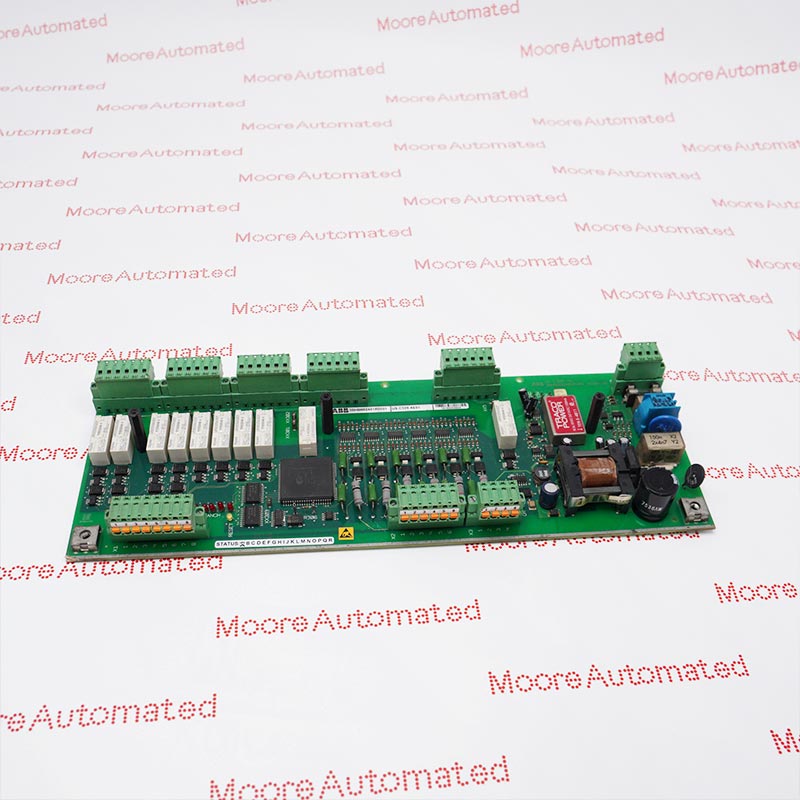
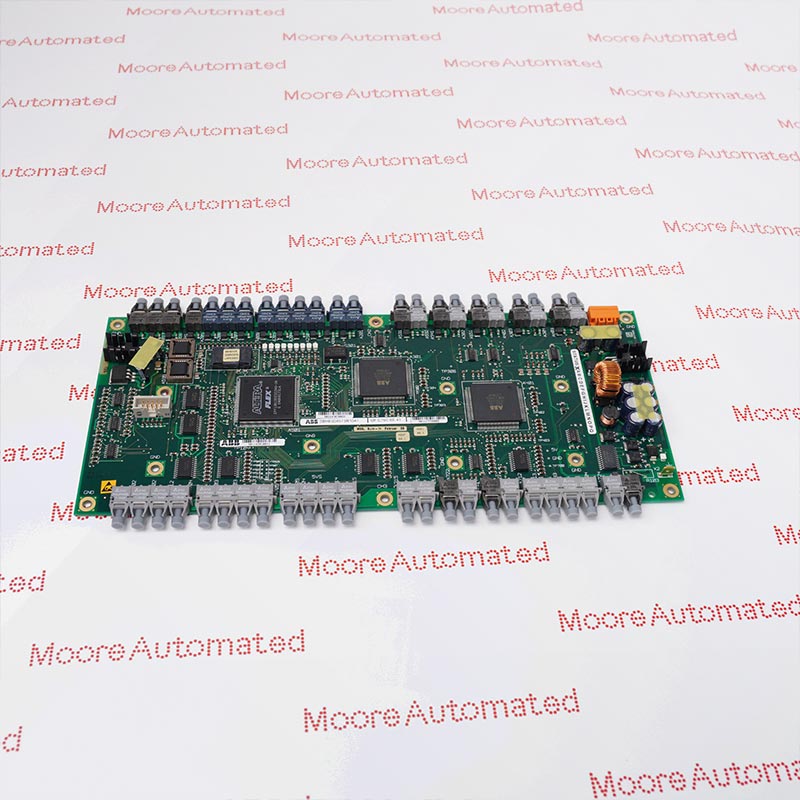
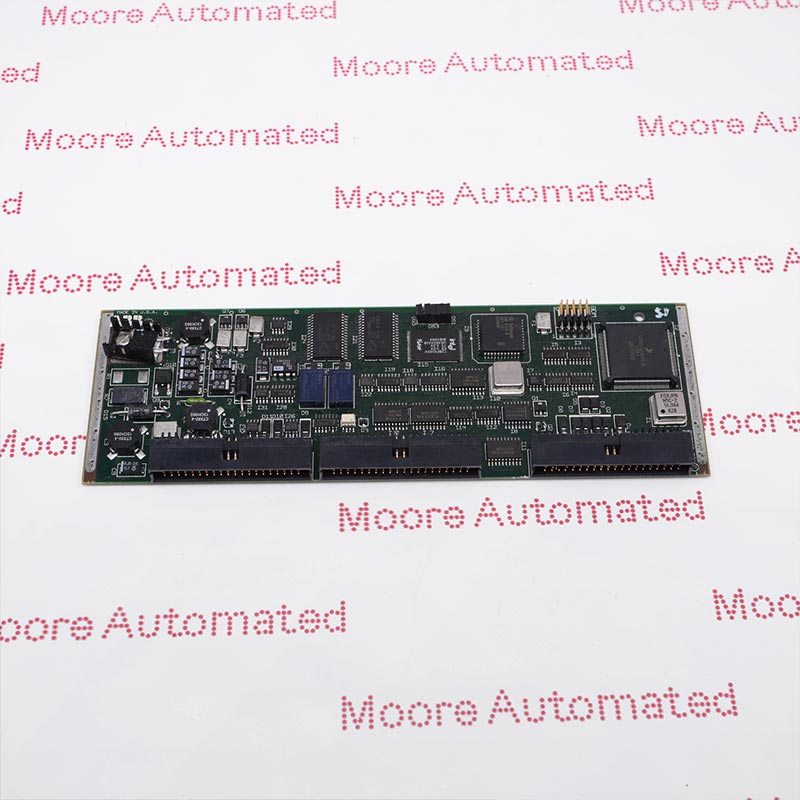
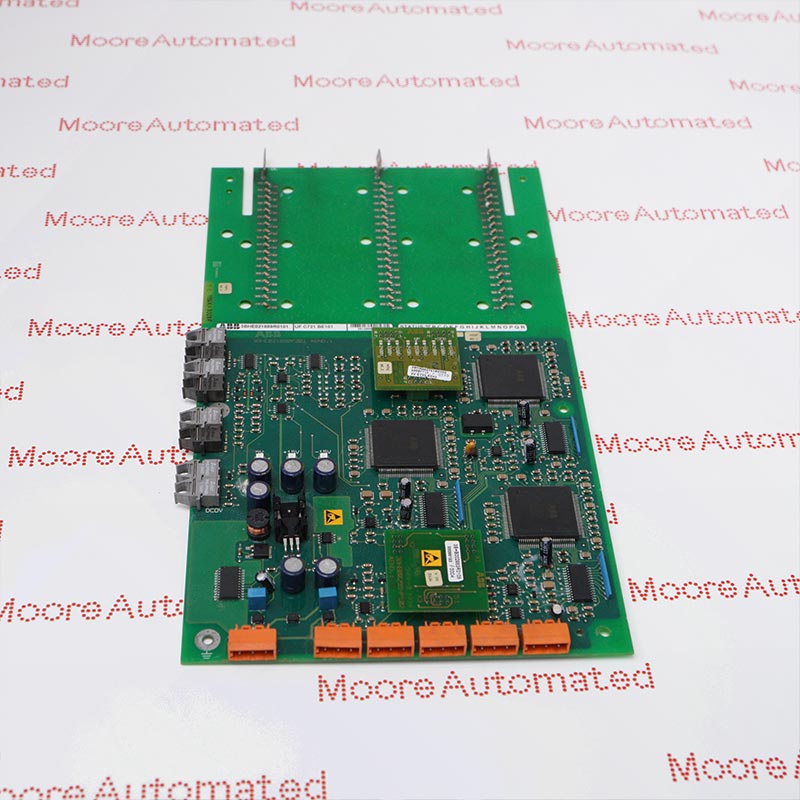
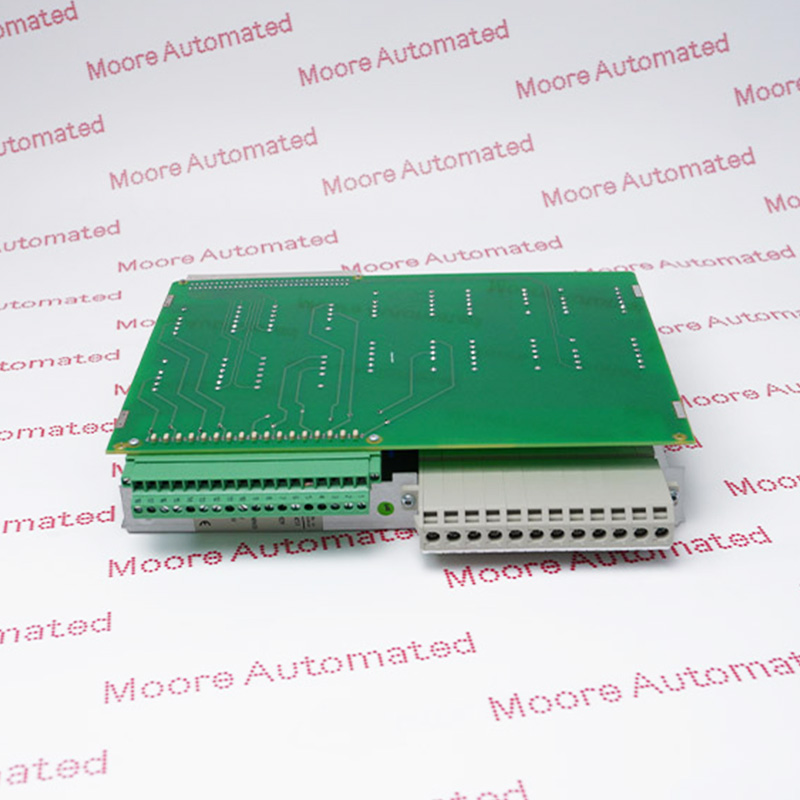
The ABB INNIS21 is a high-performance network interface module (NIC) designed specifically for distributed control systems (DCS). It belongs to the classic ABB Bailey INFI 90 OPEN process management system and Symphony Harmony control hardware family. As the "front-end" gateway for each Cnet core communication interface, it plays a crucial intelligent connectivity role between system nodes and the control network, supporting cross-regional scheduling and ensuring secure and reliable real-time point-to-point communication between network nodes throughout the production floor and even the entire plant.
In terms of system hardware architecture, the ABB INNIS21 uses a standard single-slot printed circuit board (PCB) structure and is deployed in a standard module mounting unit (MMU). It typically requires close cooperation with the INNPM22 network process module. According to ABB's official technical specifications, the INNIS21 module features onboard high-performance microprocessor communication circuitry. Its baseboard logic power supply supports +5 VDC (typical operating current 825 mA / 4.1W, maximum current 1.1 A) and multiple communication rates, including 10 Mbaud, 2 Mbaud, and 0.5 Mbaud. It can also achieve high-speed, high-capacity data throughput with adjacent processing modules via a dedicated I/O expansion bus.
The Cnet (INFI-NET) communication system, using the INNIS21 as the network front end, exhibits excellent scalability. A single system can support over 62,000 functional nodes, and a single network loop can flexibly integrate up to 250 Cnet interface nodes, a central control unit (HCU), or a host interface. In the field-side physical connection, the module is typically connected to the NTCL01 field network terminal unit via a dedicated pre-fabricated communication cable, enabling secure and reliable access to the dual-redundant Cnet physical transmission medium in the field and ensuring the long-term stable operation of the entire industrial field network.

Registered Address: 32D Floor Guomao Building, No.388, Hubin South Road, Siming District, Xiamen,Fujian, China
MooreAutomated.com is the official website and primary online platform operated by Moore Automation Limited. The website provides information about the company’s industrial automation parts sourcing services, product coverage and customer support. Moore Automation Limited operates as an independent supplier and is not an authorized distributor or representative of the manufacturers displayed on this website unless expressly stated.