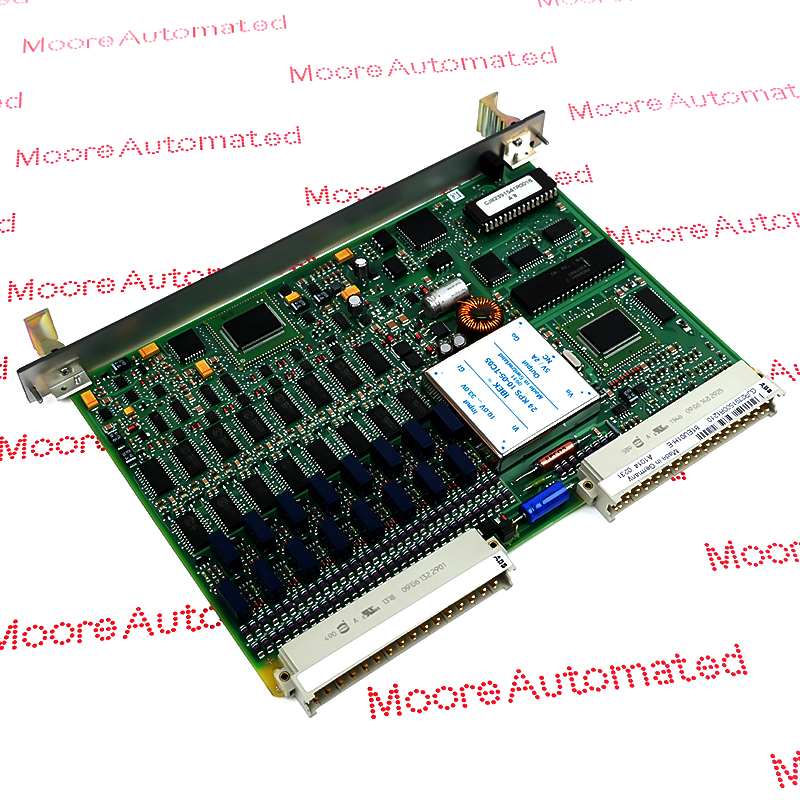
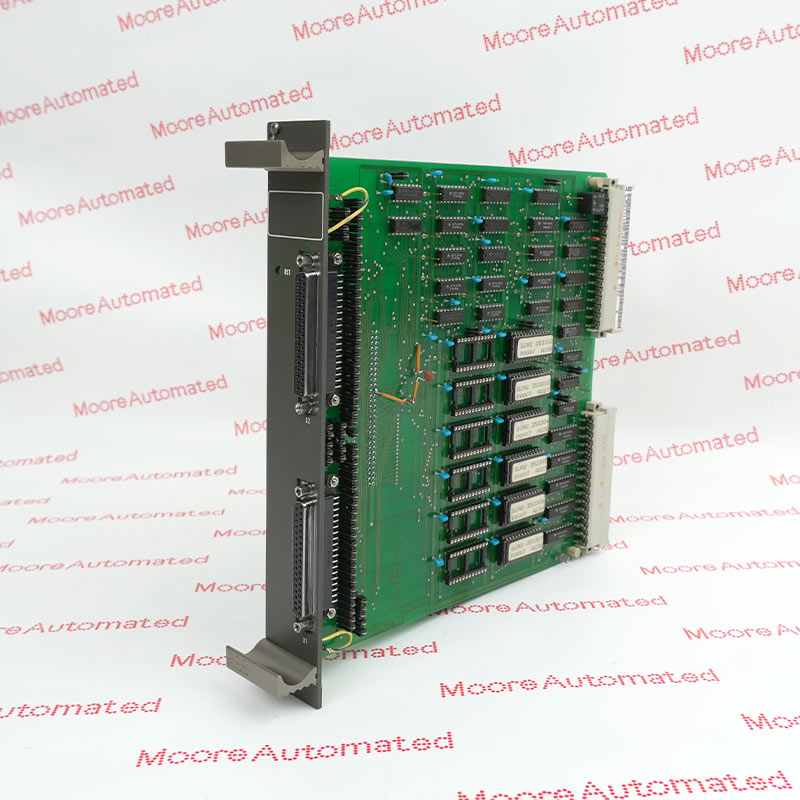
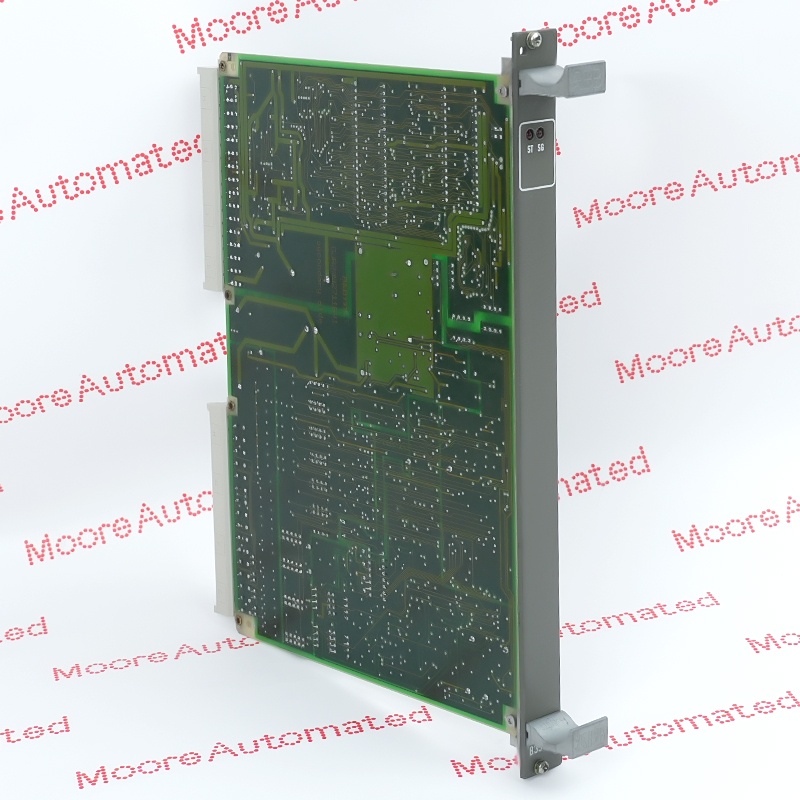
Overview
Manuals
Principle
Core Applications
Features:
- 81EU01 Input Module universal
- Control Systems Procontrol P14 Controllers
- Connects the cabinet to a channel of the PROCONTROL remote bus
Their core function is to act as an intelligent bridge between field devices and the system bus, flexibly receiving analog signals (such as pressure and temperature) and binary switching signals. This series of modules features extremely high channel density and self-diagnostic capabilities. Each channel can typically be independently configured with filtering, calibration, and limit alarm functions, ensuring accurate and real-time acquisition of field data, providing a solid foundation for decision-making throughout the control system.
It incorporates comprehensive monitoring mechanisms that can detect transmitter power short circuits, line breaks, and internal hardware faults in real time, issuing immediate alarms via front panel indicator lights or the system bus. The module supports hot-swapping technology, allowing maintenance and replacement without interrupting system operation. Furthermore, its robust electrical design enables stable operation in harsh power plant environments with strong electromagnetic interference and extreme temperatures, making it a key component for ensuring the safe operation of energy infrastructure.
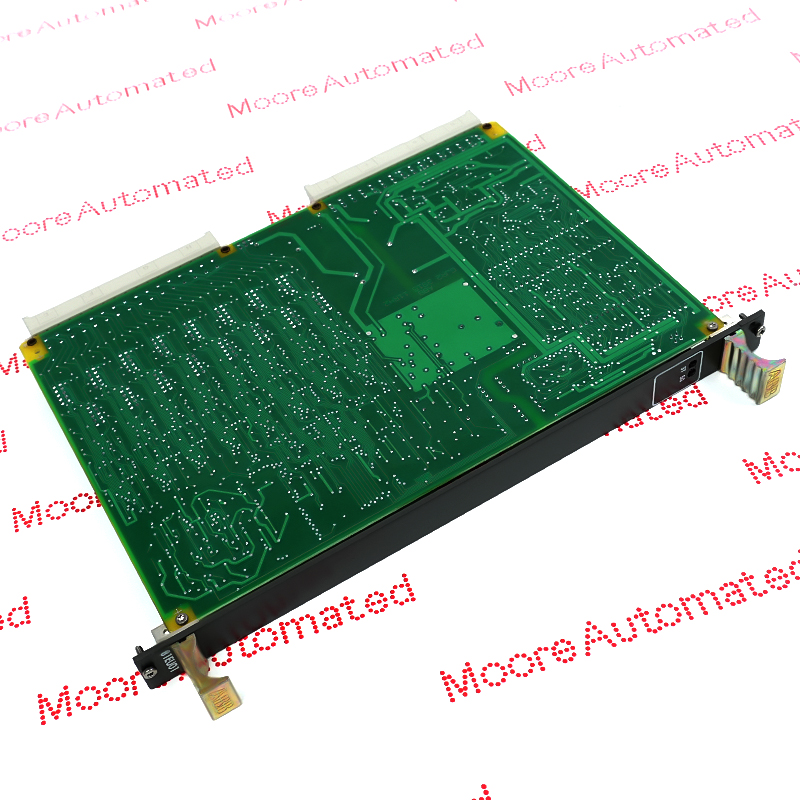
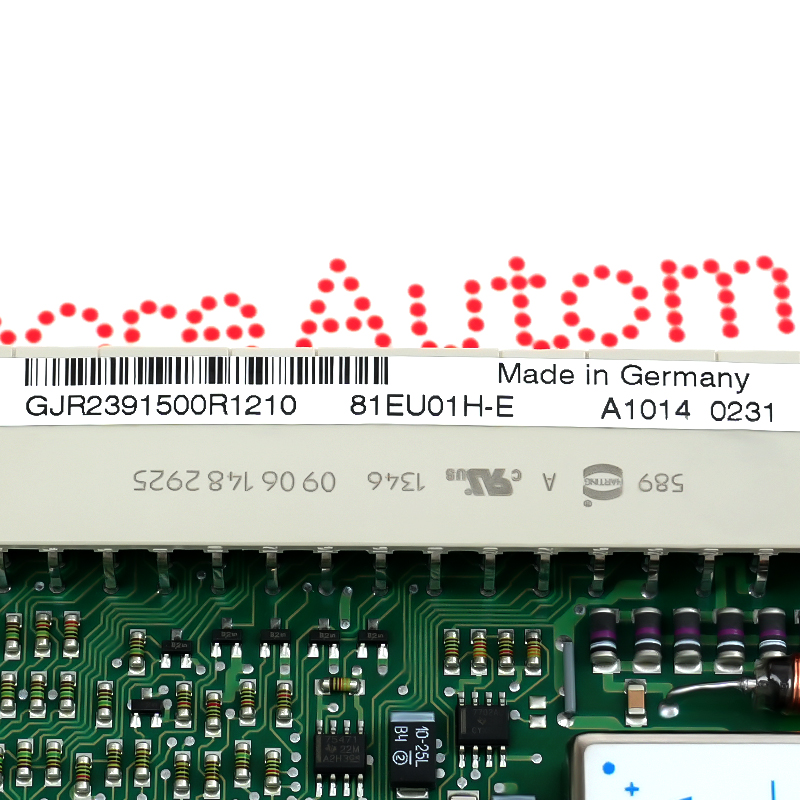
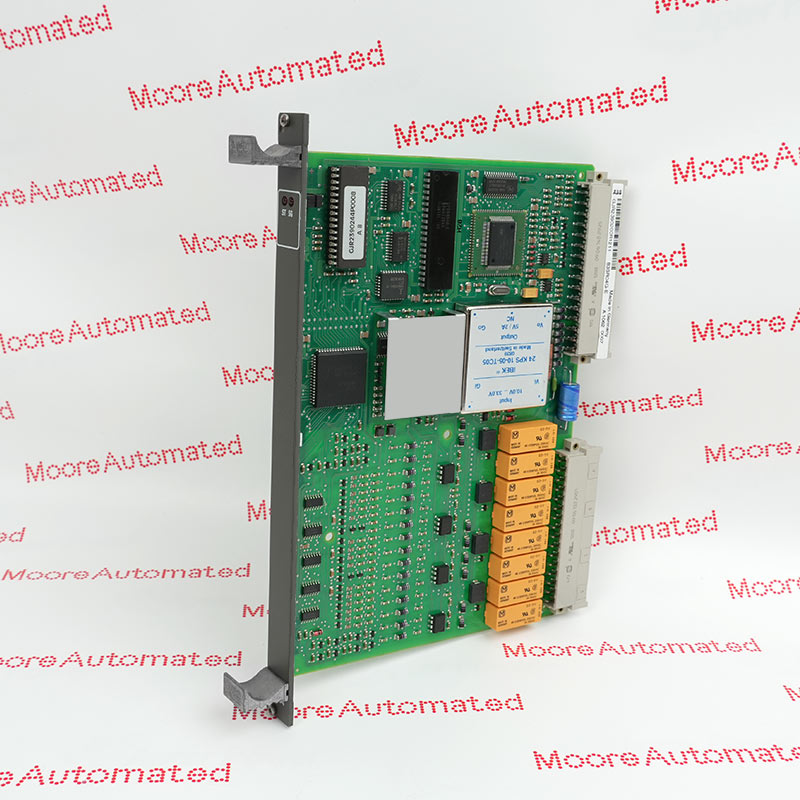
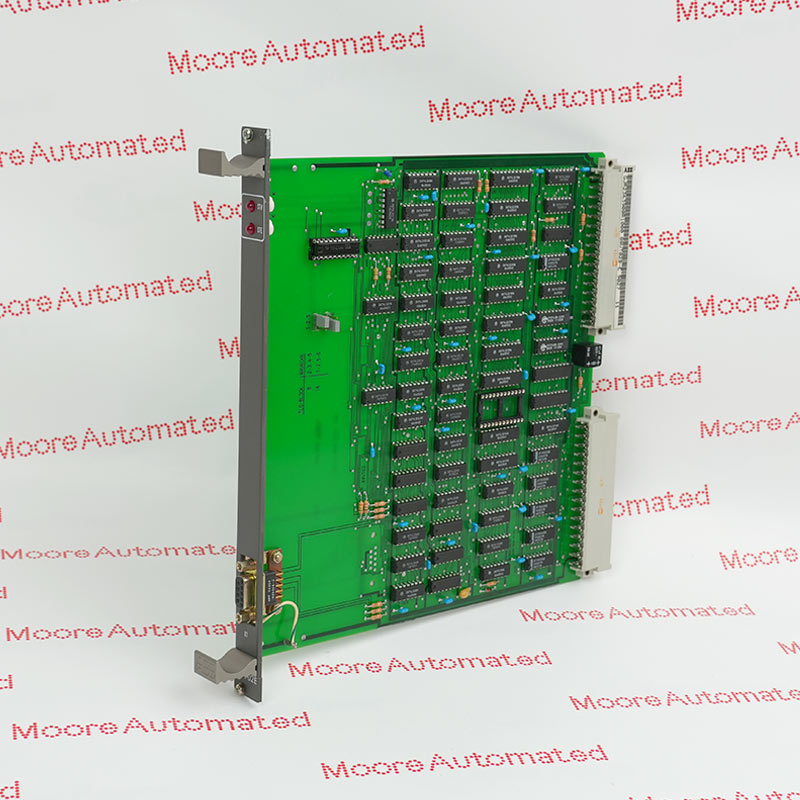
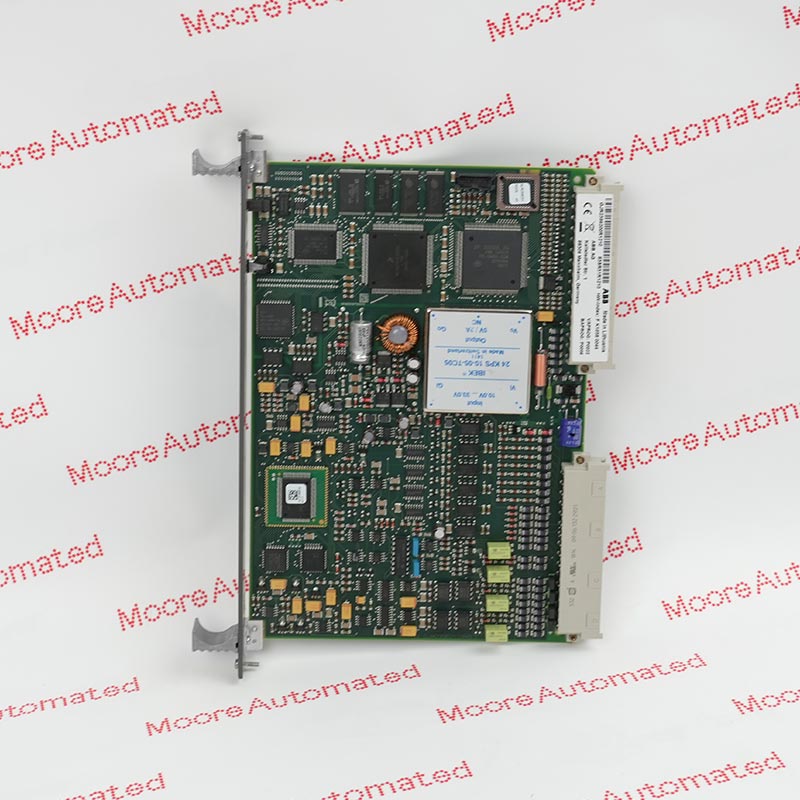
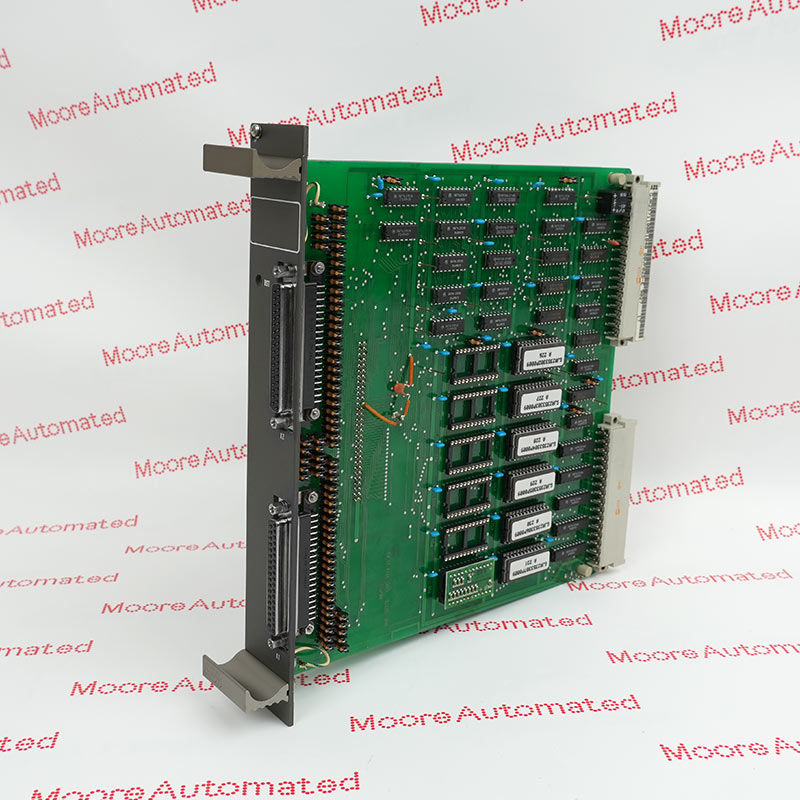
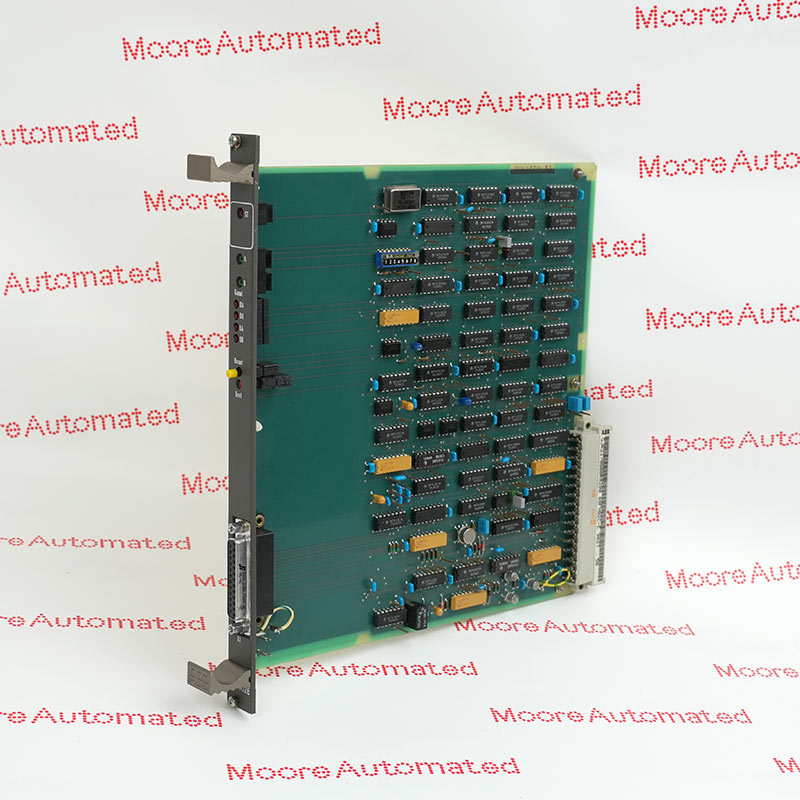
The GJR2391500R1210 81EU01H-E ABB Universal Input Module may still be available for purchase and support from Moore Automated Company beyond End-Of-Life (EOL) by the manufacturer (OEM).
ABB GJR2391500R1210 81EU01H-E Universal Input Module maunal(Datasheets), Link
Important Notice: Other accessories, manuals, cables, calibration data, software, etc. are not included with this equipment unless listed in the above stock item description. All prices are shown in USD.
Its operating principle is based on distributed processing and standard bus communication: The module first receives raw electrical signals from field sensors through a monitored input interface and performs analog-to-digital conversion (ADC) or jitter suppression using an onboard microprocessor. The processed data undergoes engineering quantity conversion and verification according to preset logic, and is then encapsulated into standard telegrams with parity bits. Finally, this data is uploaded to the system bus via the PROCONTROL station bus interface for use by the controller or host; simultaneously, the module continuously executes a cyclic self-test program to ensure the integrity and authenticity of each transmitted signal.
Power Generation Control: This is the most common application. It is used in thermal power plants, nuclear power plants, and hydroelectric power plants to monitor critical parameters such as steam pressure, turbine temperature, and valve position.
General Signal Acquisition: Due to its "general" nature, it is suitable for scenarios requiring mixed analog signals (4-20mA, 0-10V) and binary signals (24V/48V DC or AC). A single module can handle various inputs simultaneously, such as limit switches, RTDs, and pressure transmitters.
Limit Monitoring: It is used in safety-critical loops where automatic action must be performed when a value exceeds a threshold. Each of its 16 channels can be configured with up to four limits, making it ideal for overvoltage or overtemperature protection systems.
High-Density I/O Expansion: In large industrial plants, it is used to integrate field cabling. A single 81EU01H-E module provides 16 functional units while achieving a compact cabinet size, maintaining independent channel isolation and monitoring.