

Registered Address: 32D Floor Guomao Building, No.388, Hubin South Road, Siming District, Xiamen,Fujian, China
ISO 9001:2015 Certified
Our quality management system covers sourcing,testing and dispatch


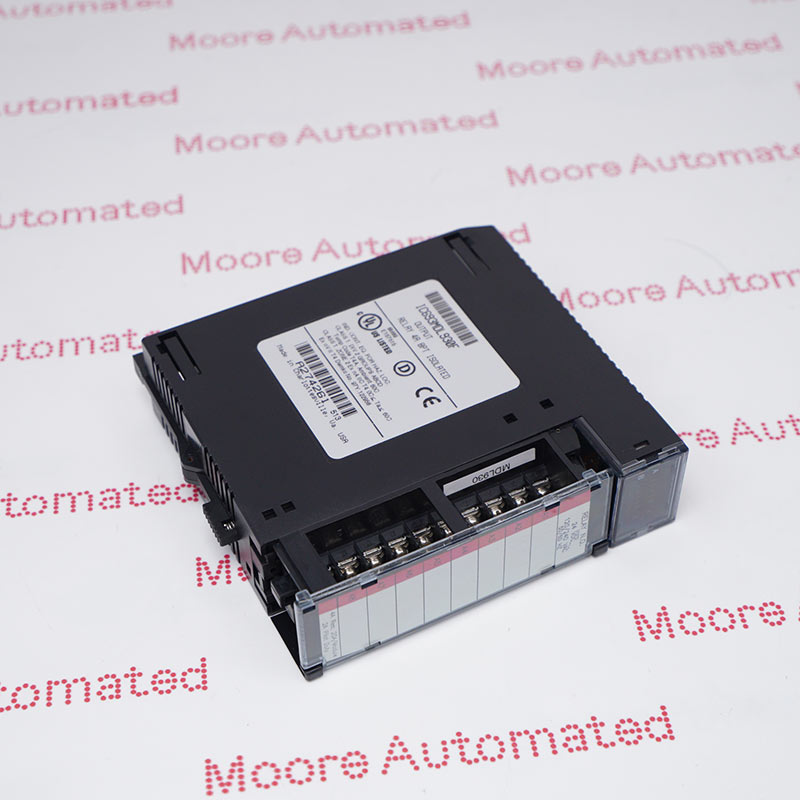
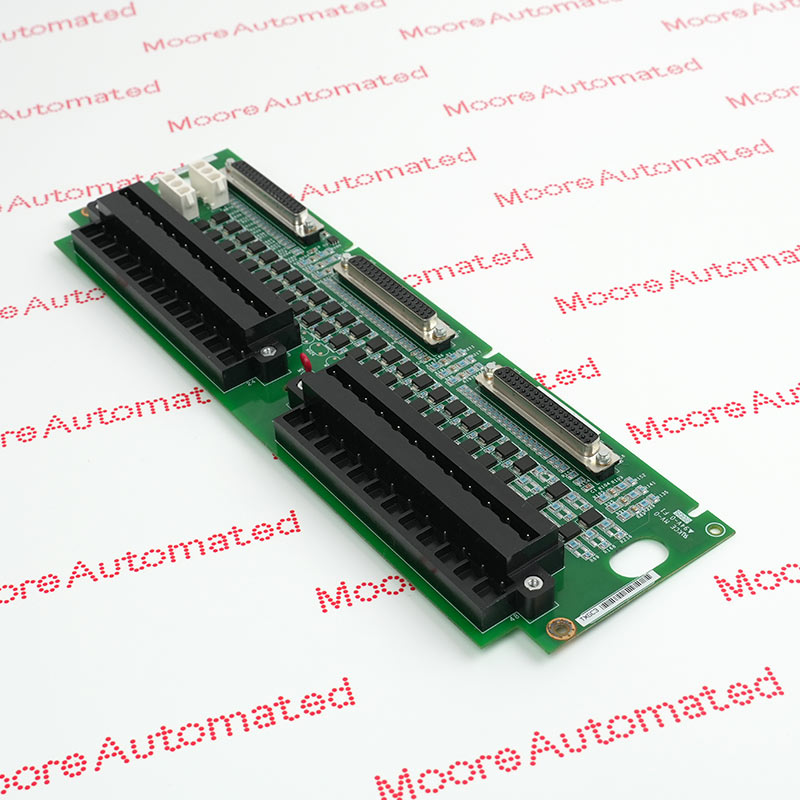
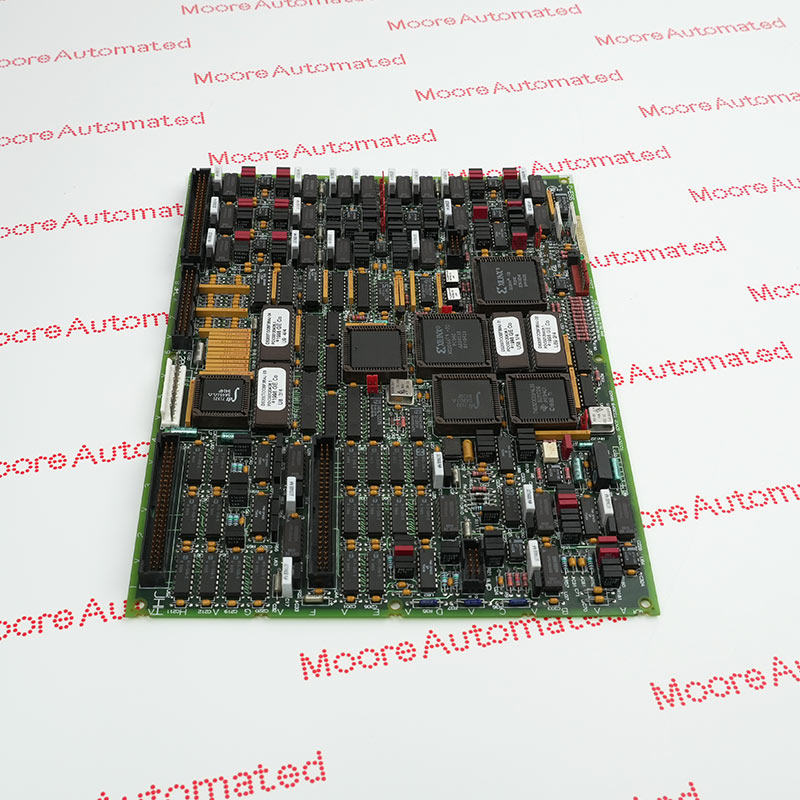
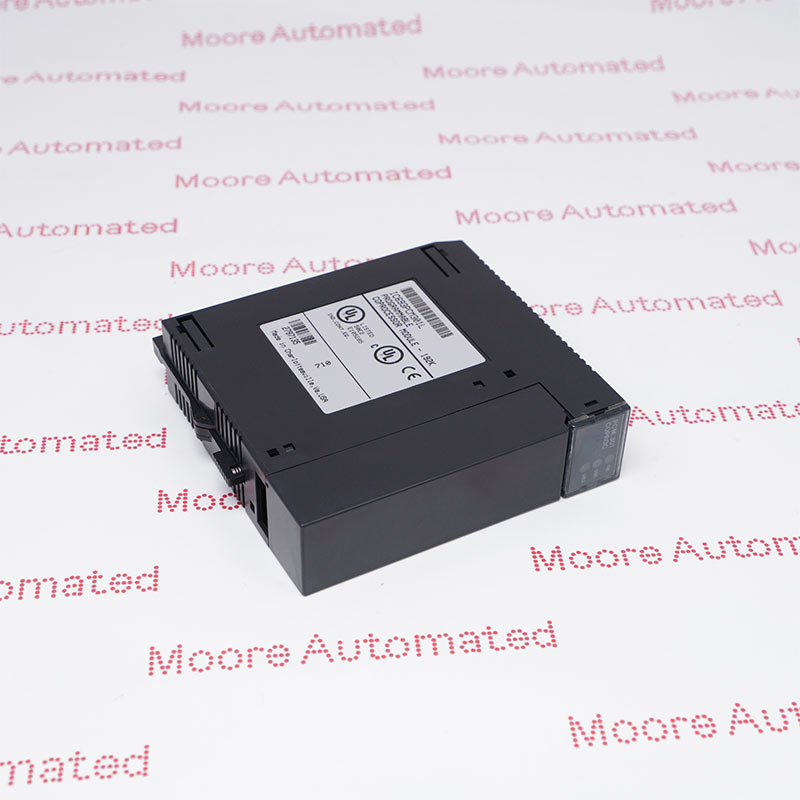
IS220PTURH1B is the GE Mark VIe Primary Turbine Trip I/O Module used in a documented industrial control installation. Its verified configuration includes Power: 28 VDC, 0.41 A; every printed suffix remains part of the order identity. Before replacement, confirm the receiving system, interfaces and approved documentation.
Verify that the supplied item is marked IS220PTURH1B and that its mark vie primary turbine trip i/o module form, connectors and revision agree with the approved GE Mark VIe receiving record.
For IS220PTURH1B, state the required condition, quantity, installed position, connected assemblies and document requirements in the written enquiry.
Apply only parameters supported by the exact IS220PTURH1B record or a documented family source. Do not infer electrical ratings or interchangeability from appearance.
IS220PTURH1B technical scope: Power: 28 VDC, 0.41 A; Speed input: -15 to +15 VDC; Voltage input: 16-140 VDC; Emergency-stop input: 18-140 VDC; Emergency-stop power output: 24 VDC open circuit; 24 mA short circuit.
Use these values only for the listed hardware execution and verify the supplied label before installation.
Match IS220PTURH1B to the approved GE Mark VIe receiving position, connector or terminal arrangement and configuration record.
After power restoration, review diagnostics and test the affected mark vie primary turbine trip i/o module path.
Active / Available from OEM
IS220PTURH1B is a General Electric mark vie primary turbine trip i/o module associated with the GE Mark VIe platform. It interfaces the documented field signals with the control system through the assigned channels, terminals and installed I/O position. Correct selection depends on the complete model code, connector or terminal arrangement, hardware revision and receiving-system configuration. Before replacement, compare the original product label, installed slot or cabinet reference, connected assemblies and approved project records. After installation, review system diagnostics and function-test every affected channel, control path, protection function or communication link before returning the equipment to service.


Registered Address: 32D Floor Guomao Building, No.388, Hubin South Road, Siming District, Xiamen,Fujian, China
MooreAutomated.com is the official website and primary online platform operated by Moore Automation Limited. The website provides information about the company’s industrial automation parts sourcing services, product coverage and customer support. Moore Automation Limited operates as an independent supplier and is not an authorized distributor or representative of the manufacturers displayed on this website unless expressly stated.