
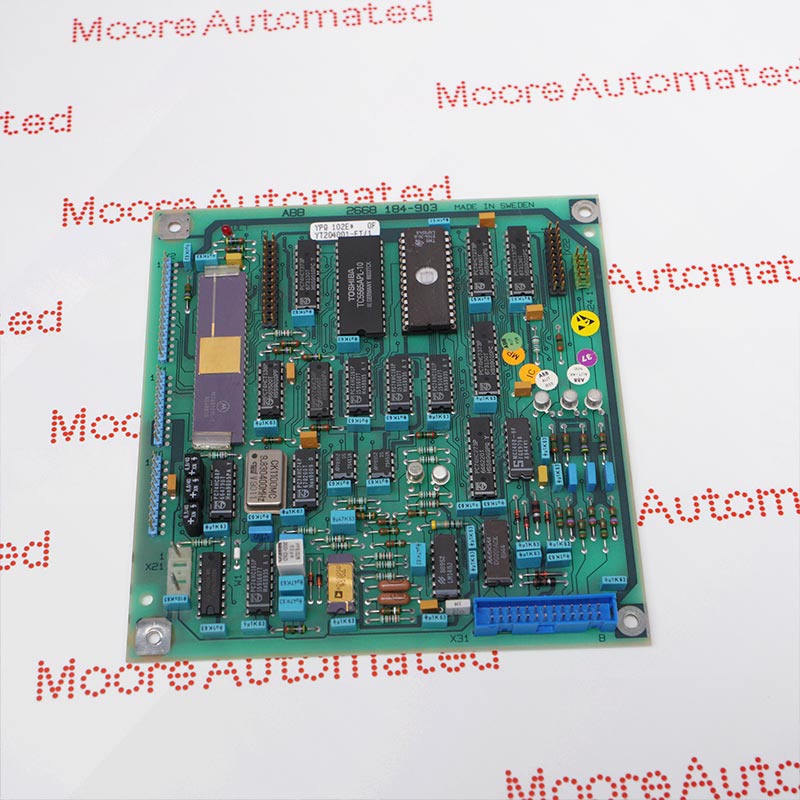
YPQ102E
Get A Quote




The ABB MOD 300 Distributed Control System (DCS) has been a reliable part of industrial automation for many years, controlling processes in plants worldwide. Like all technology, it has an aging lifecycle, and the MOD 300 is now in its "obsolete" phase. This article outlines a straightforward technique for managing your system, reducing downtime, and planning for a steady future.
The "obsolete" status for the MOD 300 means the original manufacturer, ABB, no longer guarantees spare parts or technical support. The responsibility for keeping the system running now falls entirely on you. Recognizing the specific challenges this creates helps you build an effective management plan.
These risks can seem difficult, but they are manageable with a good plan. Acknowledging these challenges helps you shift from reacting to problems to preventing them, giving you more control over your system's reliability.
It's dangerous to wait for a part to break in an older system. You may identify and address such issues before they result in significant shutdowns by using a proactive maintenance strategy. The objective is to control failures rather than let them catch you off guard.
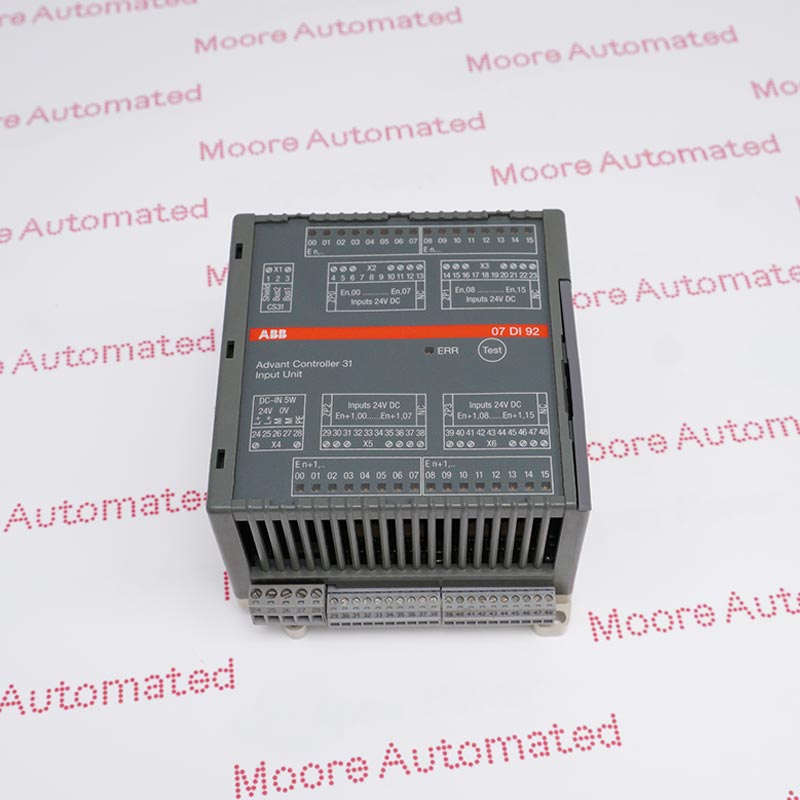
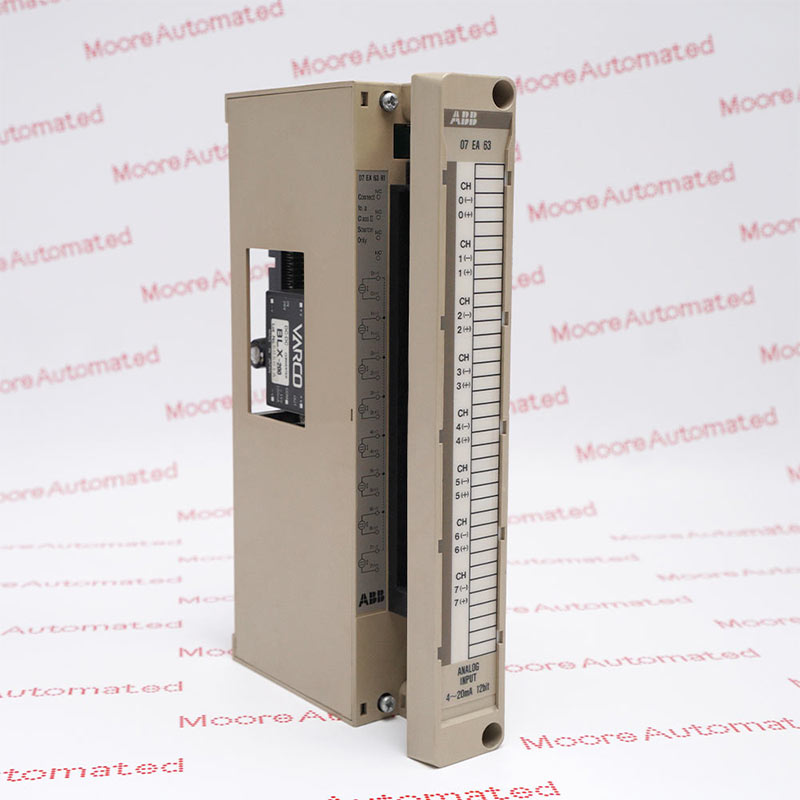
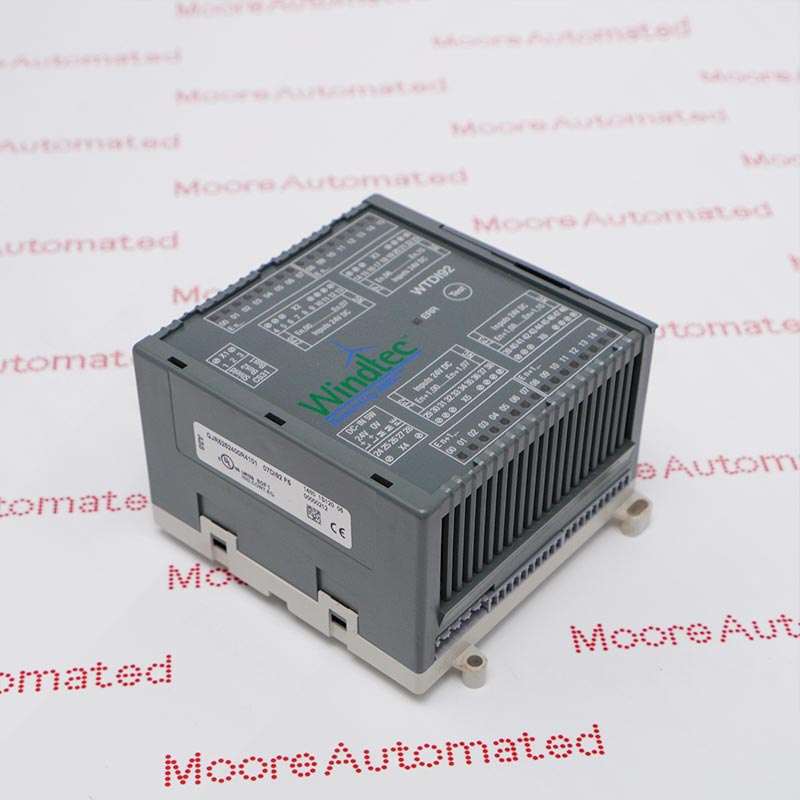
The MOD 300 has components that are more likely to fail due to age. Power supply units are a common cause, as their internal parts wear out. I/O modules, which connect the system to the plant floor, can also have problems from loose connections or environmental stress. Simple things like dust buildup can clog cooling fans and lead to overheating, which shortens the life of all electronic parts.
A structured preventive maintenance (PM) program is your best defense against unplanned downtime. These simple tasks, done during scheduled outages, can uncover hidden issues. Your checklist should include regular, verified backups of all system software, a thorough cleaning of all cabinet air filters, and a voltage check on all power supplies. For systems with backup components, a controlled failover test is the only way to be sure your backup will work when needed.
A regular maintenance routine gives you important information about your system's condition. This information helps you create a better spare parts strategy and make sure you have the right components available.
One of the most important aspects of risk management for an outdated system is having a healthy spare parts inventory. The primary goal is to strike a balance between the high expense of production downtime and the cost of maintaining parts in stock. To determine which components are most crucial to your operation, a thorough evaluation is required.
The impact a failure would have on production, the time it would take to find a replacement, and the frequency of previous failures are some important aspects to consider when prioritizing your components. You may concentrate your spending on the spare parts that offer you the best protection according to this research. For instance, lengthy lead times may make a specific I/O card, such as the RMIO-01C, or a special communication module, such as the RPBA-01, essential. In a similar vein, network interface modules like the INNIS21 or common analog input modules like the IMASI23 may be ranked according to how crucial they are to core processes.
| Component Example | Criticality | Lead Time | Downtime Impact | Recommended Plan |
| Controller CPU | High | Very Long | High | Stock 1-2 units |
| Power Supply | High | Medium | High | Stock 1 unit |
| Unique I/O Card | Medium | Long | Medium | Stock 1 unit |
| Common I/O Card | Low | Short | Low | Source on demand |
Using data to make decisions ensures your investment in spare parts is smart and effective. Your storeroom becomes a tool that helps keep your plant running smoothly.
After you identify your critical spares, the next step is finding them. Official sources are not always available, so using several different types of suppliers is a good plan. This gives you more options when you need a part quickly.
It's a good idea to establish connections with a few reliable suppliers before an emergency occurs. When you need to restart your plant, it gives you more time and reduces stress.
Good maintenance and spare parts plans are temporary solutions. They help manage the risks of an old system but don't remove them completely. The best long-term solution is to upgrade to a modern, fully supported platform like ABB's System 800xA.
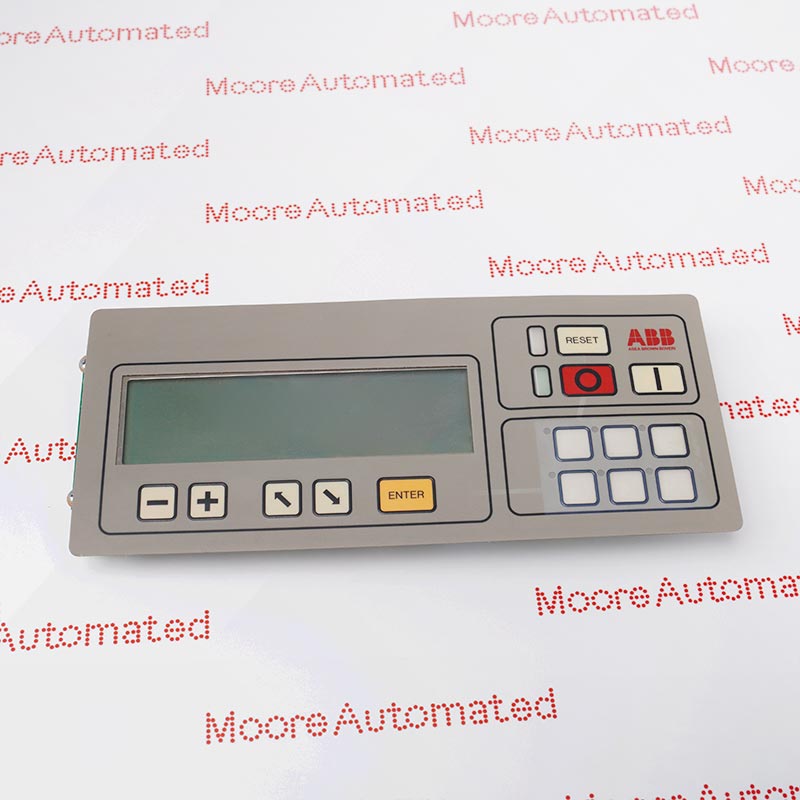
Migrating to a new system solves the main problems of running obsolete hardware. It fixes the spare parts supply chain problem, closes cybersecurity gaps, and guarantees long-term access to technical support. Modern platforms also improve performance and offer new ways to optimize processes that are not possible with older technology.
A single, massive project is not necessary for an improvement. Many facilities choose a gradual, step-by-step migration, updating the system over a number of years in manageable stages. To address immediate cybersecurity threats, it is typical practice to upgrade the operator interface (HMI) initially, then the controllers and I/O in later stages. This method reduces production disruption and distributes the cost over several budget cycles.
Planning for a long-term system upgrade creates a clear direction. It makes a big project feel more structured and manageable.
With a solid plan, your MOD 300 system, which has been reliable for years, can continue to serve you well. You can control hazards and preserve stability by combining proactive maintenance with a clever spare parts strategy. All of this is possible as you prepare for more advanced control technology. To get ready for the future, auditing your system is a smart first step.
The biggest risk is a supply chain problem. If a critical part fails and you cannot find a replacement, you could face a long and very expensive plant shutdown. Another major risk is cybersecurity. Obsolete systems do not get security updates, which leaves them open to malware and cyberattacks that can stop operations or create safety issues.
It varies. If the component is thoroughly tested, it is often the most dependable option to repair a difficult part through a reputable service, such as those provided by ABB. It may be quicker to purchase a used part from a specialized supplier, but you should confirm that the source offers components that have been tested and are covered by warranty. "As-is" hardware from unreliable sources is far more likely to malfunction.
If you don't have failure data, start by looking at the impact of a failure. Talk with your experienced operators and maintenance staff to find single points of failure in your process. Any part that could shut down the whole plant or a key unit should be a top priority for your spares list, even if it seems reliable.


Copyright Notice © 2026 mooreautomated.com All rights reserved,Moore Automated is not an authorized distributor or representative of the manufacturers featured on this website. Brand names and trademarks featured are the property of their respective owners.
Leave Your Comment