
3500/93 135785-02
Get A Quote




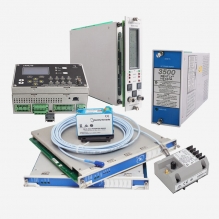
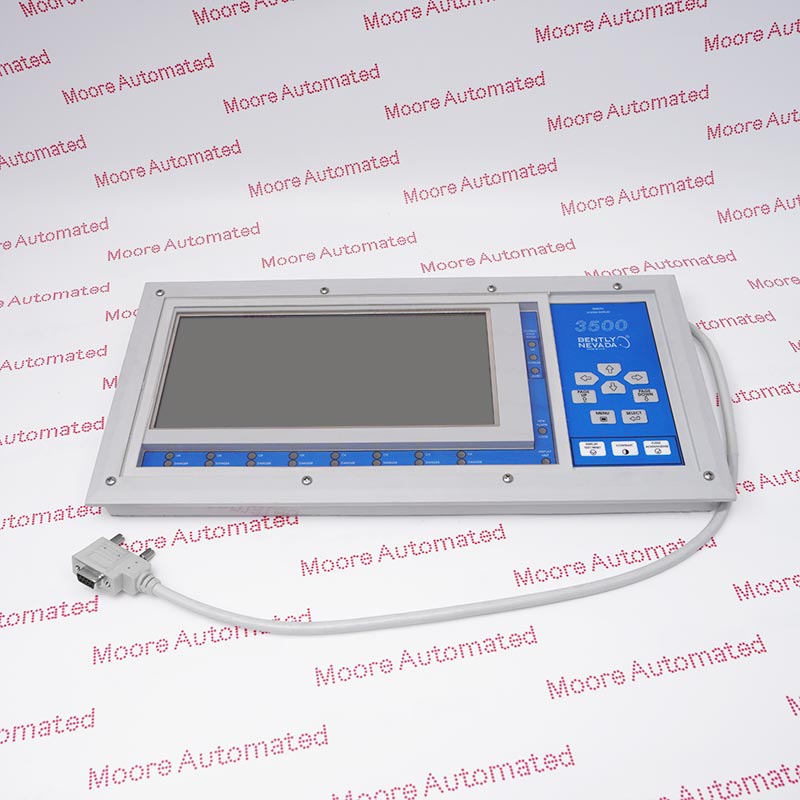
Some machines in an industrial plant are essential for the entire operation. If these critical machines fail without warning, it can lead to expensive production losses or even safety issues. The Bently Nevada 3500 system is a machinery protection system that watches over this equipment around the clock, using online monitoring to find problems before they cause a major failure. To understand how it works, it's helpful to look at its main parts.
Every Bently Nevada 3500 system is built on a core set of hardware that provides the physical structure, clean power, and main communication hub. These foundational parts are required in every setup and create a stable environment for all the other specialized modules to operate reliably.
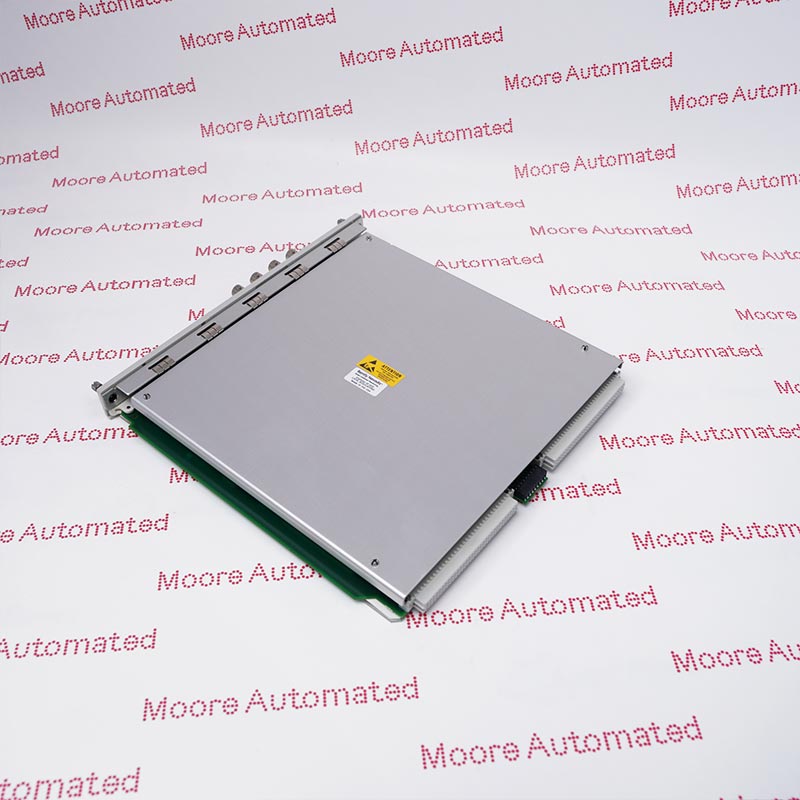
The instrument rack is the physical frame that holds all the electronic modules. A common type is the 3500/05 rack, which is available in different sizes to meet various needs. A full-size 19-inch rack has 14 slots for monitoring modules, while a smaller mini-rack has seven slots for areas with limited space or fewer monitoring points. This modular setup allows you to create a custom system designed for the specific machines you need to protect.
A system protecting valuable machines needs consistent, clean power. The 3500/15 power supply is made for this job, turning standard plant power into the stable voltage that sensitive electronics require. For maximum reliability, a rack can hold two of these power supplies. In this redundant arrangement, one unit serves as the main power source while the other is on standby, ready to take over immediately if the first one fails, which ensures protection continues without interruption.
The interface module handles the rack's communication. Modern systems often use a Transient Data Interface (TDI), like the 3500/22M, which is the main gateway for setting up the system and connecting to advanced diagnostic software. This module collects data from all other monitors in the rack for detailed analysis. Older systems might use a Rack Interface Module (RIM), such as the 3500/20, which performed a similar function with the technology available at that time. This interface is key to turning raw data into useful information.
These core parts create a secure and dependable environment for monitoring. With a stable frame, redundant power, and a clear communication hub, the system is ready to do its most important job: listening to your machinery.
Once the foundational parts are in place, the system needs modules that can sense what is happening with the machinery. These monitoring modules are the "eyes and ears," converting physical measurements like vibration, temperature, or speed into digital data that the system can analyze.
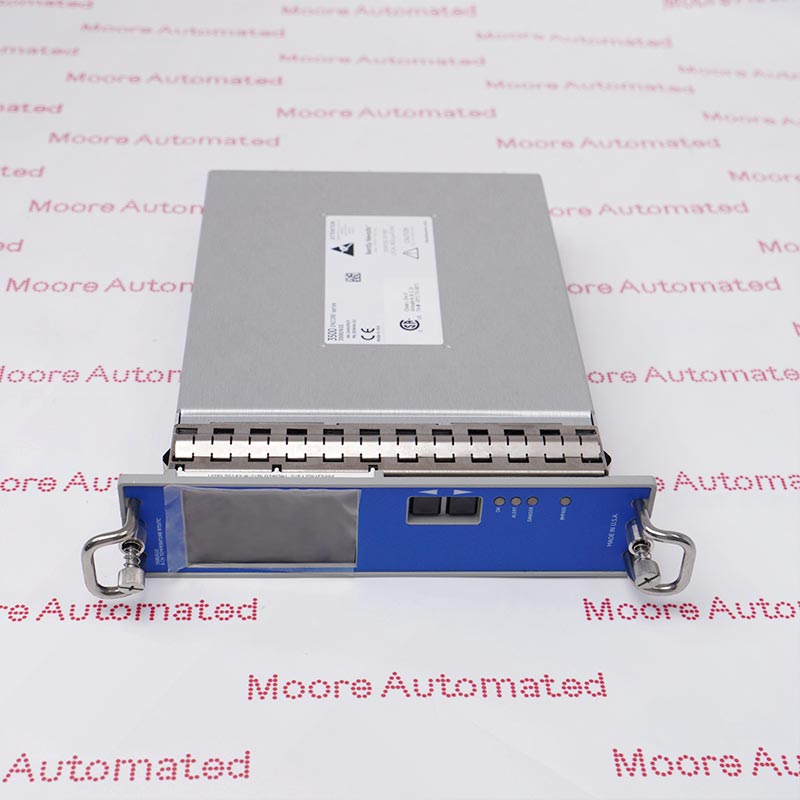
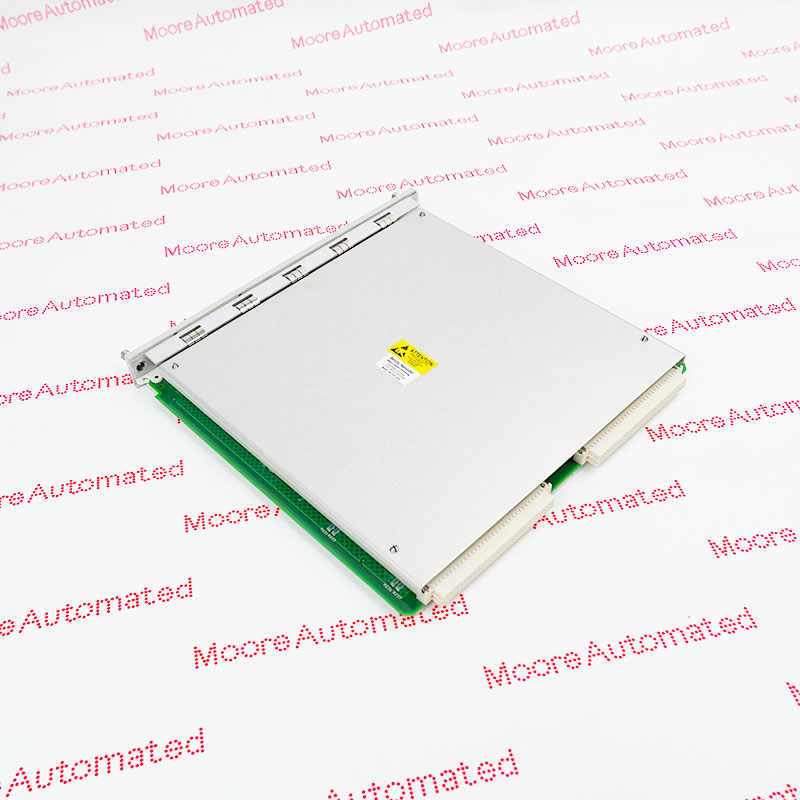
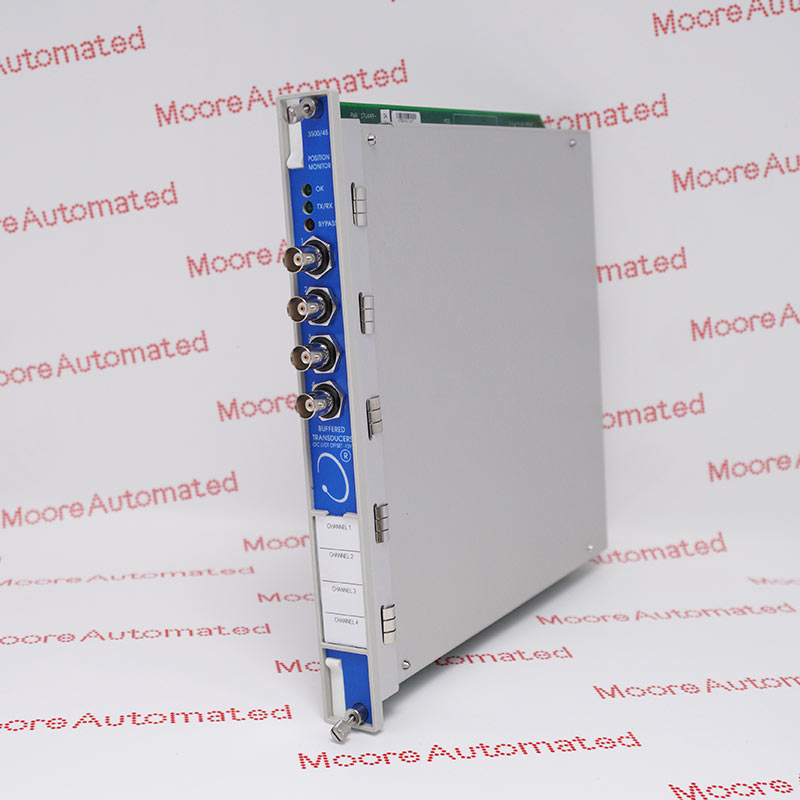
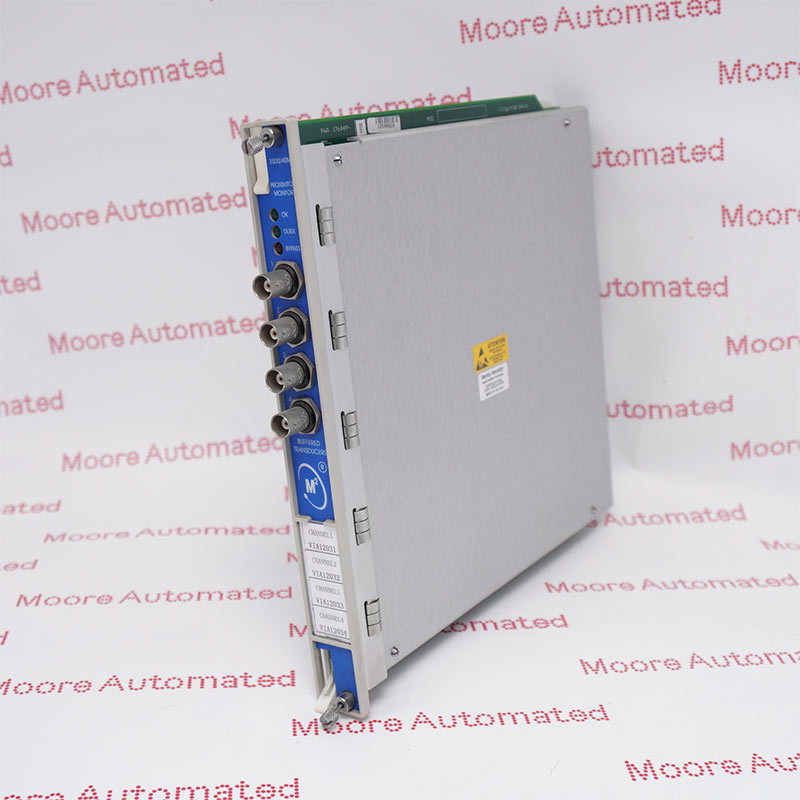
A flexible and popular module is the 3500/42M proximitor/seismic monitor. This single four-channel module can take inputs from different sensors to measure key factors like radial vibration, axial (thrust) position, and acceleration. This adaptability means it can be set up for many uses on turbines, compressors, and motors. The information it gathers is used both to protect the machine from immediate damage and to diagnose problems as they develop.
Here is a summary of some common monitor types and what they do.
| Module Type | Primary Function | Key Measurements |
| Proximitor/Seismic Monitor | Vibration & Position | Radial Vibration, Thrust Position, Acceleration, Velocity |
| Temperature Monitor | Temperature | Bearing Temperature, Fluid Temperature, Process Temperature |
| Tachometer Module | Speed & Phase | Rotor Speed, Acceleration, Reverse Rotation |
| Process Variable Monitor | Process Data | Pressure, Flow, Load (via 4-20mA signals) |
The variety of monitors allows a Bently Nevada 3500 system to be customized for the specific needs of any machine. This focused method offers the most relevant and effective protection.
After the monitoring modules collect data and detect a potential problem, the system needs a way to respond. Output modules handle this by turning the system's digital alerts into real-world actions or by sharing the information with other plant control systems. These components complete the protection process.
Relay modules trigger an action when a measurement goes beyond a safe limit. These modules, which come in 4-channel or 16-channel models, have electrical contacts that can be connected to alarms, lights, or even start an automatic machine shutdown. They can be programmed with advanced "voting logic," which requires several conditions to be met before a shutdown occurs, reducing the risk of a costly false trip.
While the main interface module is for deep diagnostics, a separate 3500/92 communication gateway shares real-time data with the plant's main control room. This module uses the language of Distributed Control Systems (DCS) and Programmable Logic Controllers (PLCs), often with protocols like Modbus. It gives operators a steady flow of key health information, letting them see how a machine is performing without needing to be a vibration expert.
These output modules ensure that when a problem is found, the correct alerts are sent to the right people and systems.
The Bently Nevada 3500 system is more than just a collection of parts; it is an integrated solution where each component has a specific role. The foundational components provide a stable and reliable base, the monitoring modules act as the senses to detect issues, and the output modules provide the response. Together, these parts form a complete loop from detection to action, which is what makes the system a comprehensive tool for protecting your critical assets from unexpected and costly failures.
A machinery protection system is designed for immediate, automated action. Its primary job is to shut down a machine when parameters exceed critical limits to prevent catastrophic failure. A condition monitoring system, on the other hand, is used for long-term analysis. It collects detailed data over time, allowing engineers to spot trends, diagnose developing faults, and plan maintenance proactively. A comprehensive platform often integrates both functions, using the same sensors and hardware.
A redundant power setup involves installing two 3500/15 power supply modules in the same rack. One module is designated as the primary supply, powering the entire rack, while the second acts as a hot backup. If the primary supply fails for any reason, the backup unit instantly and automatically takes over without any interruption to the system's monitoring and protection functions, ensuring there is no single point of failure related to power.
Absolutely. The system's modularity is its greatest strength. It can be configured with a wide range of monitoring modules tailored to specific machine types. For example, a 3500/42M module is excellent for general-purpose rotating equipment like pumps and motors, while other specialized modules are available for the unique demands of reciprocating compressors, gas turbines, and hydro turbines.6
The system uses a dedicated 3500/92 communication gateway module to interface with plant control systems like a DCS or PLC. This module collects key measurement values from the monitoring rack and converts them into standard industrial protocols, most commonly Modbus. This allows machine health data to be displayed on operator screens in the central control room alongside other process variables.


Copyright Notice © 2026 mooreautomated.com All rights reserved,Moore Automated is not an authorized distributor or representative of the manufacturers featured on this website. Brand names and trademarks featured are the property of their respective owners.
Leave Your Comment