

Registered Address: 32D Floor Guomao Building, No.388, Hubin South Road, Siming District, Xiamen,Fujian, China
ISO 9001:2015 Certified
Our quality management system covers sourcing,testing and dispatch
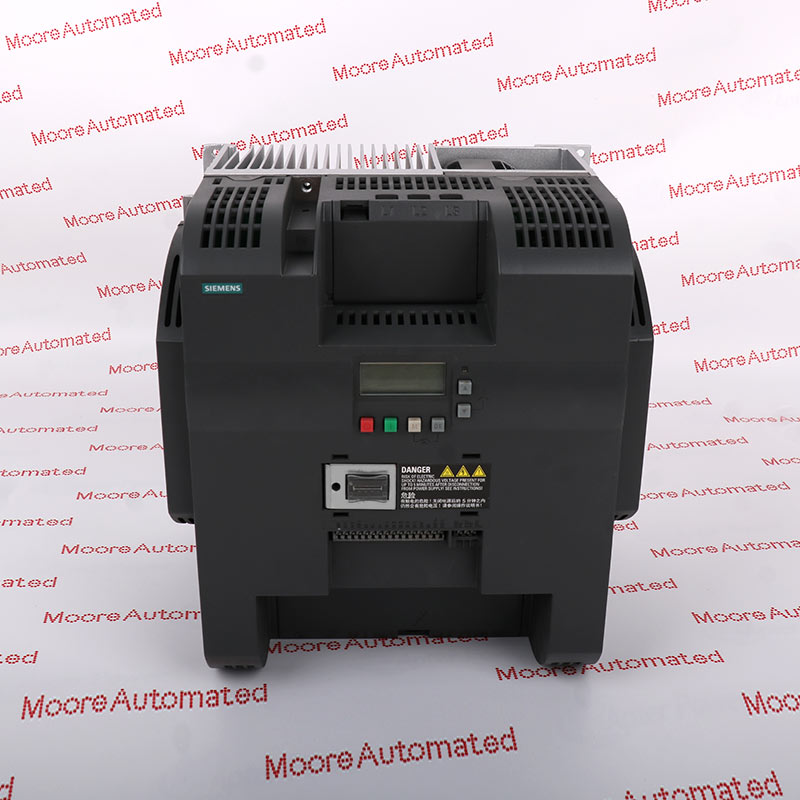
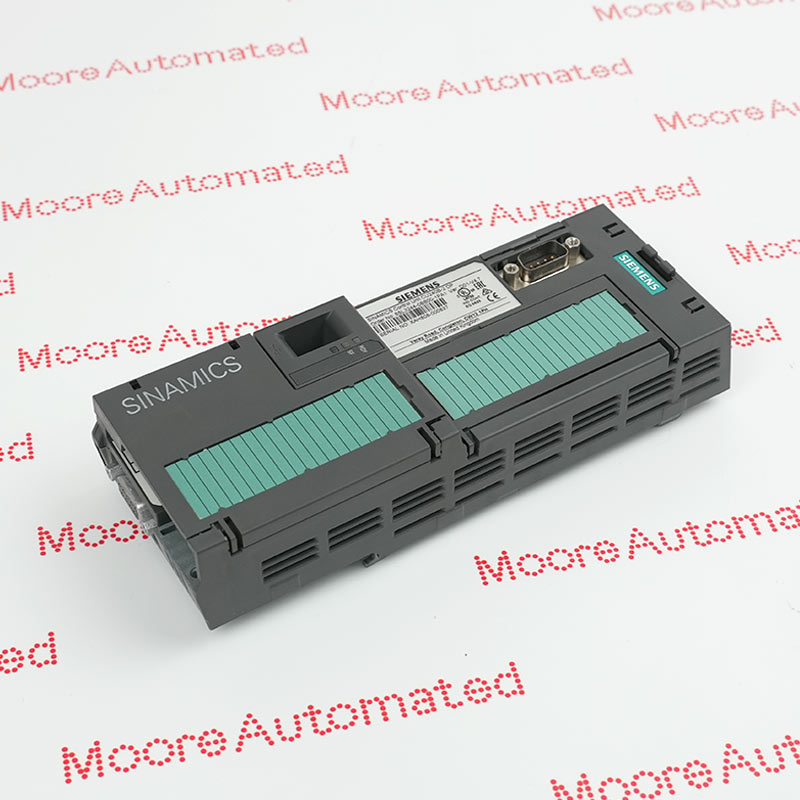
6SL3246-0BA22-1PA0 is the product number of the Siemens SINAMICS G120 control unit CU250S-2 DP. The suffix V 4.7 indicates that the hardware unit has firmware version 4.7 loaded.
The SINAMICS G120 control unit CU250S-2 DP integrates PROFIBUS to support vector control, facilitates EPOS positioning, and can be implemented through an extended function license. It features 4 configurable DI/DO, 6 DI (3 F-DI), 5 DI, 3 DO (1 F-DO), 2 AI, and 2 AO. Integrated safety functions include STO, SBC, and SS1. Further safety functions can be implemented through an extended safety license. Encoders: D-CLIQ + HTL/TTL/SSI, resolver/HTL. Terminal protection rating: IP20. Equipped with USB and SD/MMC interfaces.

Registered Address: 32D Floor Guomao Building, No.388, Hubin South Road, Siming District, Xiamen,Fujian, China
MooreAutomated.com is the official website and primary online platform operated by Moore Automation Limited. The website provides information about the company’s industrial automation parts sourcing services, product coverage and customer support. Moore Automation Limited operates as an independent supplier and is not an authorized distributor or representative of the manufacturers displayed on this website unless expressly stated.