




Learn how procurement teams, engineers and end users can qualify industrial automation suppliers, verify product condition and reduce sourcing and downtime risk.
In industrial automation procurement, quotations for the same brand and part number can vary significantly. For a buyer or engineer, the real question is not simply “Who offers the lowest price?” It is “Which supplier can deliver the correct product, in the stated condition, at the required time—and take responsibility if something goes wrong?”
PLCs, drives, servo systems, HMIs, I/O modules and industrial control components are not ordinary consumer products. A wrong suffix, incompatible firmware version or misrepresented part can stop equipment, delay production and create costs far greater than the initial saving.
Why supplier selection is difficult in a price-driven market
The industrial automation supply chain includes authorized distributors, independent distributors, traders, surplus-stock specialists, overseas channels and used-equipment suppliers. Each may offer legitimate value, but their products and service levels are not necessarily equivalent.
Can a low-price supplier still be reliable?
Yes. A competitive price may result from efficient purchasing, volume discounts, a strong independent channel, project surplus or a planned inventory reduction. What matters is whether the supplier can explain the price and disclose the product condition.
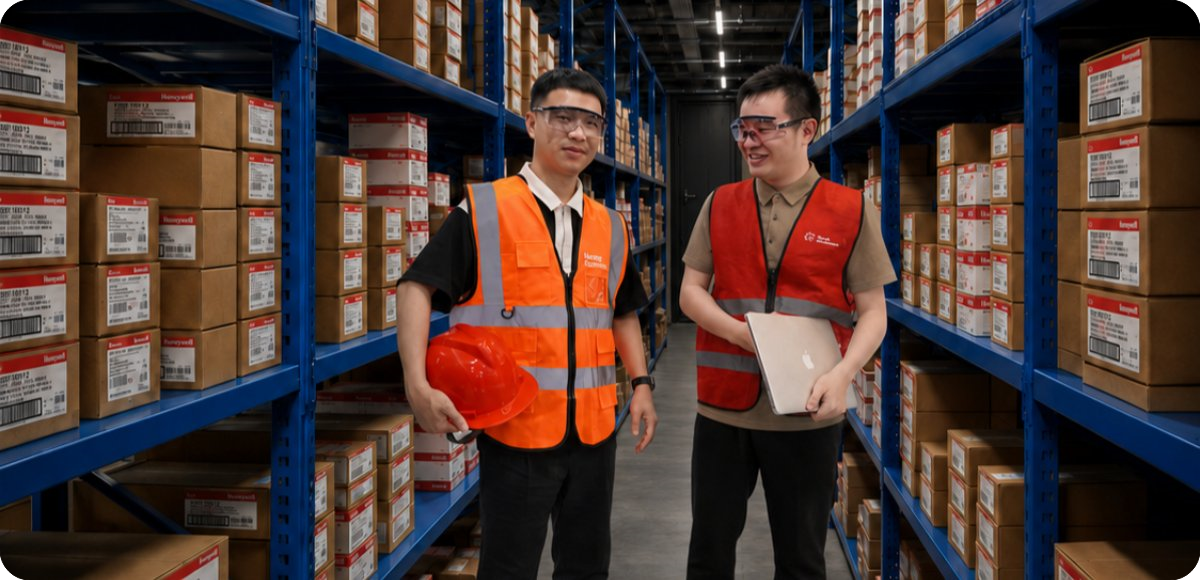
A credible supplier should be able to state whether the item is factory new, new surplus, refurbished or used; where the warranty comes from; whether the stock is physically available; and how a failure or incorrect delivery will be handled.
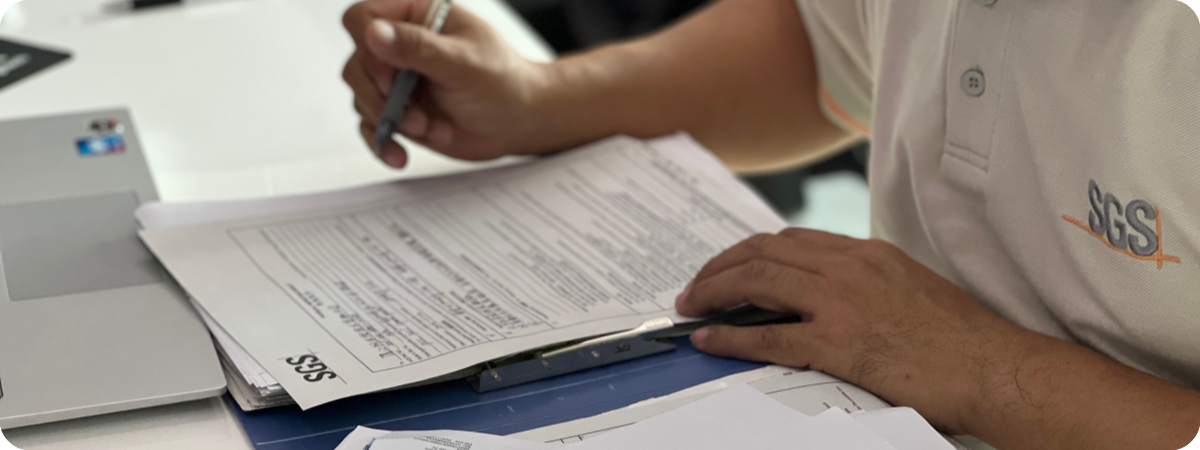
Product condition, origin and traceability should be confirmed before the purchase order is released.
Why Buyers Choose Moore Automated
Supplier qualification should be supported by verifiable company information, operational capability and documented quality assurance. Moore Automated provides industrial automation sourcing support for procurement teams, engineers and end users managing current, scarce and obsolete components.
Structured Support Throughout the Order
Moore Automated operates with defined responsibilities across sales, sourcing, order processing, quality review and customer support. This structure helps the team respond efficiently, verify order details and maintain accountable communication from the initial enquiry through delivery and after-sales handling.
Moore Automated states that its products have received professional certification from SGS, a globally recognized provider of inspection, testing, verification and certification services. Relevant certificates and supporting documentation can be provided for customer review where applicable and available. View company and certification information →
The 8-point supplier qualification checklist
What engineers should check
Procurement teams control commercial and delivery risk. Engineers control application and compatibility risk. Before approving an item, engineers should check the complete ordering code—not only the product family or base model.
Important factors include power supply, rated output, I/O configuration, communication protocol, firmware, software compatibility, encoder type, mounting dimensions, environmental rating and required accessories. A manufacturer-recommended successor may still require wiring, program or network changes.

For substitute or migration products, validate compatibility through a sample and controlled trial before full deployment.
A safer process for first-time suppliers
Industrial automation supplier scorecard
A weighted scorecard helps companies apply the same standard to every candidate and reduces decisions based only on personal impressions.
| Assessment area | Weight | Evidence |
|---|---|---|
| Business and transaction credentials | 10 | Registration, company account and formal quotation |
| Product origin and authenticity | 20 | Channel statement, labels, serial numbers and photos |
| Technical and selection capability | 20 | Ordering-code, compatibility and lifecycle checks |
| Price transparency | 10 | Condition, tax, freight and warranty defined |
| Inventory and delivery capability | 15 | Dated stock evidence and dispatch commitment |
| Quality control | 10 | Inspection, testing, records and packaging |
| Warranty and support | 10 | Written process, response time and remedies |
| Performance record | 5 | References, repeat business and completed orders |
Suggested thresholds: 85 or above for a core supplier; 70–84 for approved purchasing with appropriate controls; 60–69 for small trial orders only; below 60 not recommended for critical applications.
Supplier red flags
- The quotation is consistently far below the market without a clear explanation.
- The supplier guarantees compatibility without asking for technical information.
- Every brand and obsolete model is claimed to be immediately available.
- Dated photographs, labels or serial-number evidence cannot be supplied.
- The payment account does not match the contracting company.
- Product condition, dispatch date and warranty are missing from the quotation.
- After-sales promises are broad, verbal and unsupported by a written process.
Compare total cost—not only unit price
For a non-critical spare with a tested backup, a lower-priced independent source may be appropriate. For a safety system, core controller or continuous-production asset, traceability, compatibility and response capability usually deserve greater weight.
Information to include in every RFQ
A detailed request makes quotations easier to verify and compare.
- Manufacturer and complete part number
- Quantity and required product condition
- Application or installed equipment
- Whether alternatives are acceptable
- Required delivery date and destination country
- Request for source, stock status, warranty and quotation validity
Frequently asked questions
Why do quotations for the same part number vary so much?
The source, volume, date code, condition, regional version, lifecycle status, tax, freight and warranty may all differ. Make sure each quotation covers equivalent goods and terms.
Is the lowest-priced supplier always too risky?
No. A low price can reflect efficient sourcing or surplus stock. The risk increases when the reason is unclear, the stock cannot be verified or the warranty is undefined.
How can a buyer check whether an item is genuine?
Review the packaging, label, serial number, date code, workmanship and sourcing documents together. Where available, use manufacturer verification for critical products.
Must the supplier be an authorized distributor?
Not always. Independent distributors can be valuable for scarce and obsolete products. They should clearly disclose their channel, condition, inspection process and warranty responsibility.
How can “in stock” be verified?
Request dated product photos or video showing the labels and quantity. Confirm whether the goods are in the supplier’s own warehouse and place the dispatch date in the order.
Can long-term surplus inventory still be used?
It depends on product type, age and storage. Batteries, capacitors, seals and displays may deteriorate in storage. Confirm the date code and request suitable testing.
What should engineers check before approving a substitute?
Check electrical ratings, I/O, protocol, firmware, software, dimensions, wiring, accessories, safety functions and environmental requirements. Validate the solution before full deployment.
What should be inspected after delivery?
Check packaging, seals, complete model, quantity, labels, serial numbers, date codes, accessories and appearance, followed by the agreed electrical or functional tests.

Need help sourcing a current, scarce or obsolete automation part?
Send Moore Automated the manufacturer, complete part number, quantity, required condition and destination country. Our team can review availability, lifecycle status and sourcing options.
Contact Moore Automated →Product selection should be confirmed against the equipment specification, system architecture and operating environment. This guide supports supplier-risk assessment and does not replace project-specific engineering review.


Leave Your Comment