



Map a GE Genius I/O network, identify bus controllers and field blocks, preserve configuration evidence and prepare a reliable legacy-spares plan.

GE Fanuc Genius I/O is a distributed I/O architecture used in many installed industrial systems. Bus controllers or interfaces connect host controllers to field I/O blocks, while handheld tools and diagnostics support configuration and maintenance. The exact network design varies by generation.
Follow the bus from controller to field signal
Host
PLC or computer platform exchanging I/O data.
Interface
Bus controller or interface module connecting the host.
Bus
Cable, shielding, grounding and termination forming the network.
Block
Distributed I/O block with address and configuration.
Field
Sensor, switch, actuator or other connected device.
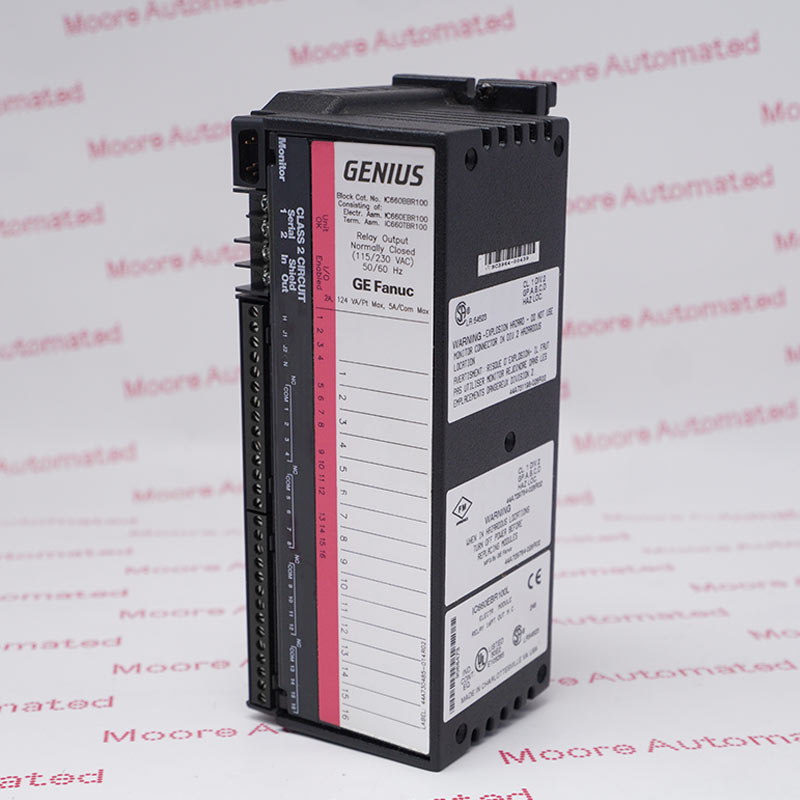
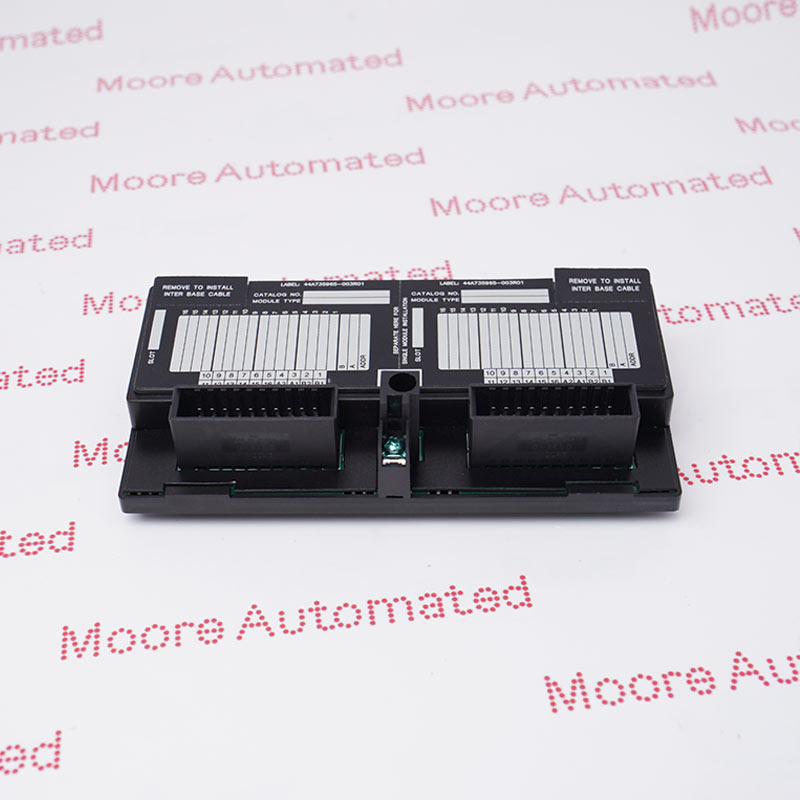
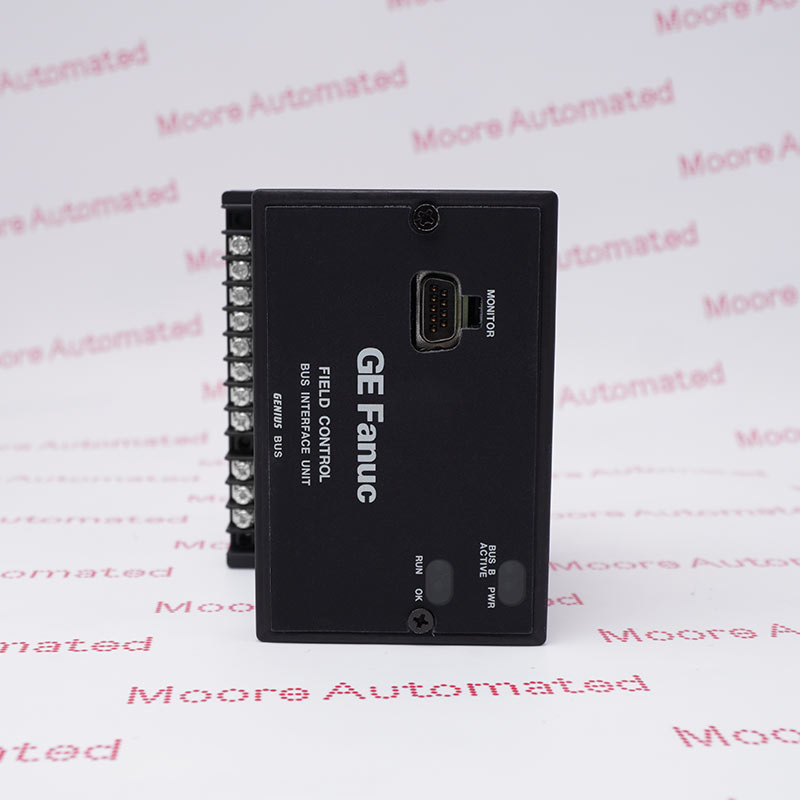
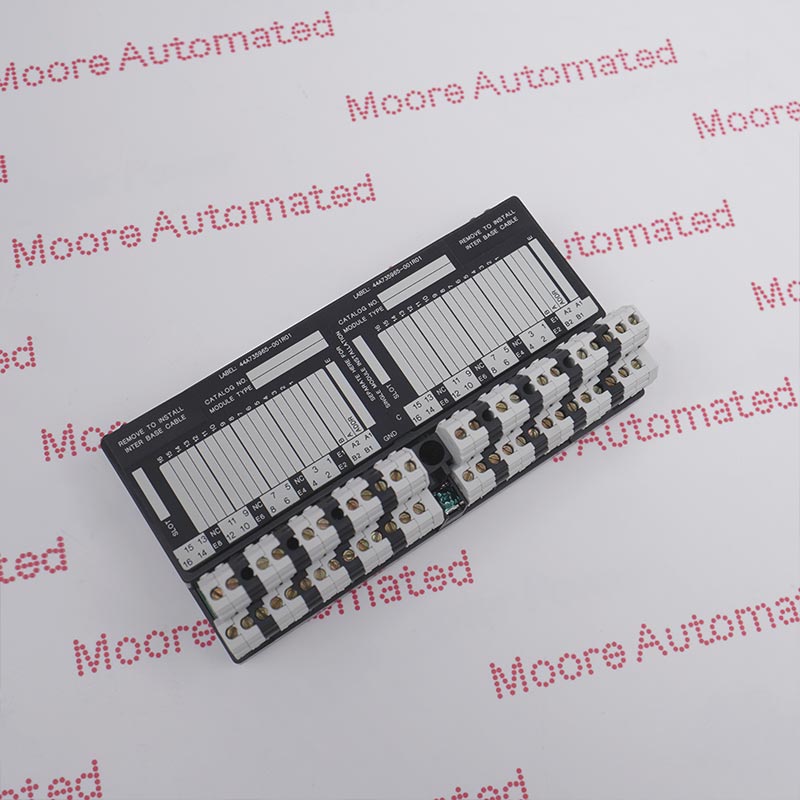
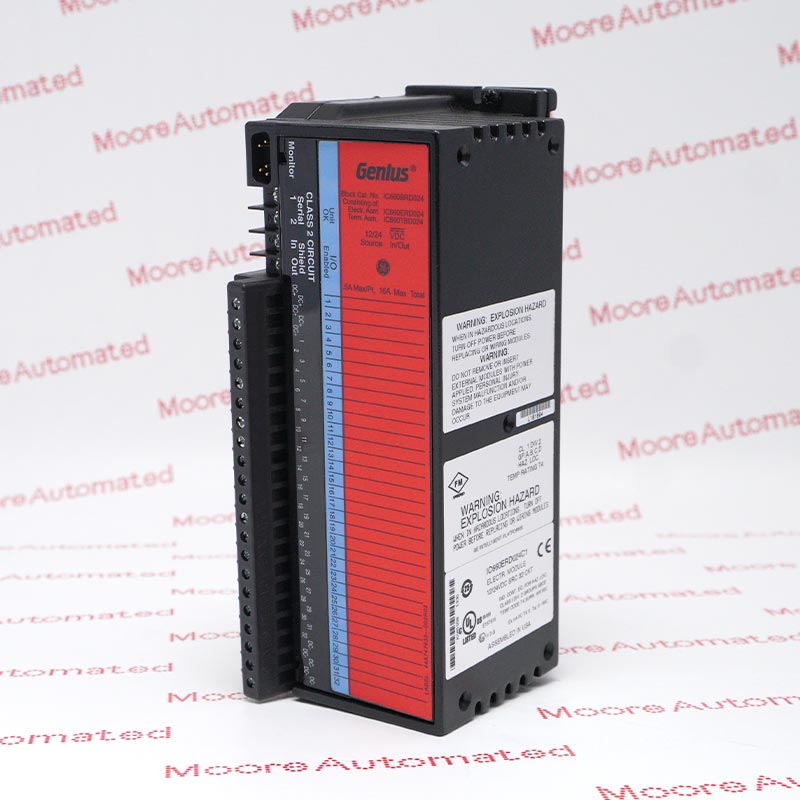
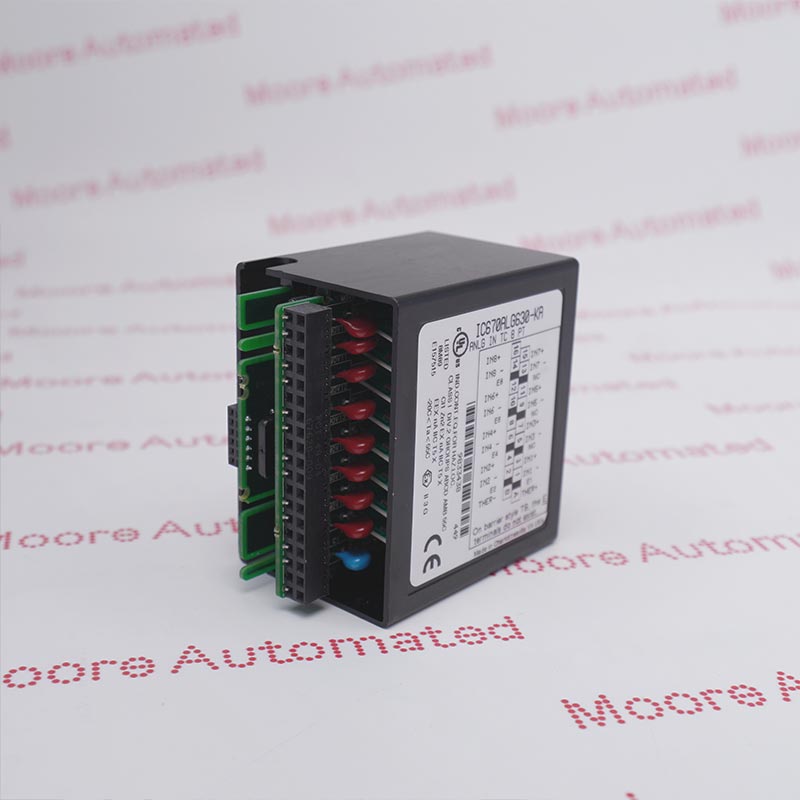
For an IC660 block, record the complete catalogue number, voltage or signal type, terminal assembly, configured address and network context. Similar housings do not establish electrical compatibility.
Preserve the information needed to recover a node
Cabinet and wiring record
Photograph the label, LED state, terminals, wire markers, shield connection and neighbouring devices before work. Keep the bus route and termination points documented.
Address and configuration record
Keep device address, configuration values, host mapping, diagnostics and controlled backups. A replacement block must be configured and tested through approved procedures.
Symptoms before substitution
Record communication errors, channel faults, power measurements and events. A network fault can resemble a failed block.
Offered item before shipment
Require exact identifiers, condition, photographs, included terminal hardware, test scope, warranty and delivery terms.
Plan spares around failure consequence
Prioritise bus controllers, power-dependent interfaces and unique field blocks whose failure stops several devices or a critical machine. Consider installed quantity, failure history, repairability, available backups and the time required to restore configuration.
Use Moore Automated’s legacy-parts sourcing guide, manufacturer index and storage overview as company references. The GE VersaMax lifecycle guide provides a related framework for installed-base records and spare planning.
- Confirm whether the offered item includes its terminal or electronics assembly.
- Separate current availability from catalogue visibility.
- Keep site testing, commissioning and return-to-service authority with qualified personnel.
Practical questions, concise answers
What is the Genius I/O system?
It is a distributed I/O architecture that connects a host controller to networked field I/O blocks over the Genius bus.
Is every IC660 block interchangeable?
No. Verify the complete catalogue number, electrical characteristics, terminal arrangement, address and host configuration.
Can a failed node be replaced without configuration records?
A physical replacement may still require address and configuration work. Preserve the applicable records and approved recovery procedure.
Why can a network fault look like a module failure?
Power, cabling, shielding, termination, address conflicts or interface problems can interrupt communication with an otherwise healthy field block.
What should a purchasing enquiry contain?
Provide full references, photographs, terminal requirements, network context, quantity, condition, evidence needs, destination and deadline.
Need a Genius I/O node without losing the network context?
Send the complete IC660 or interface reference, photographs and the role of the node. We will clarify the offered item and delivery evidence.
Original article video
The video from the original published article is retained as supplementary company content. It is not a compatibility approval, product test record or lifecycle notice.



Leave Your Comment