



Compare Bently Nevada 3500 and Orbit 60 architecture, protection and condition-monitoring roles, then plan evidence-led spares or migration.
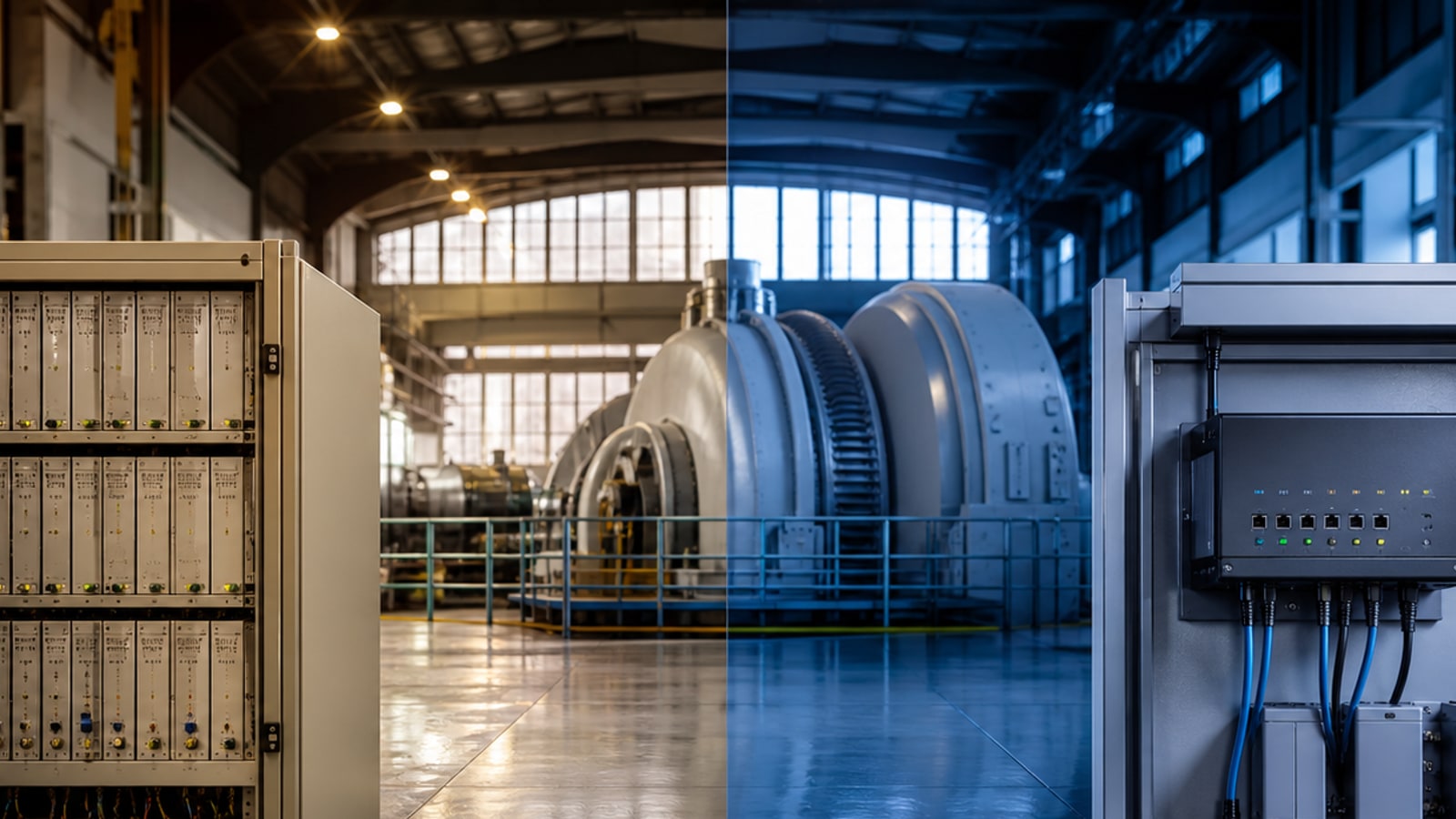
Maintain the 3500 system with evidence.
Assess Orbit 60 as an engineered change.
The Bently Nevada 3500 and Orbit 60 are machinery-protection and condition-monitoring platforms from different generations. A comparison is useful for planning, but it should not be reduced to “old versus new” or treated as an automatic rack replacement.
Compare the system roles that matter to the plant
3500 uses a mature rack-based design. Orbit 60 adds a distributable architecture in which multiple chassis can be connected through bridge modules.
Both discussions must start with the required machinery measurements, voting or alarm logic, relay paths and applicable standards—not marketing labels.
Orbit 60 separates protection processing from condition-monitoring data paths and integrates with System 1. The actual data design is project-specific.
Orbit 60 includes designed data isolation between protection and condition-monitoring functions. Cybersecurity still requires system architecture, configuration and lifecycle controls.
For either platform, record sensors, channels, modules, firmware, configuration, power, relay logic, communications and machine criticality.
Choose maintain, hybrid or migrate through risk
Map the current rack
Capture slot layout, full module references, enabled channels, relay assignments and backups.
Rank the protected machines
Connect each channel to failure consequence, outage opportunity and recovery time.
Compare three routes
Assess like-for-like spares, a controlled hybrid period and a planned platform migration.
Plan proof before cutover
Define design review, testing, commissioning, rollback and operator readiness.
Channel density, module functions, wiring, data paths and configuration tools differ. Any migration belongs inside an engineered machinery-protection project.
What a 3500 spare plan should preserve
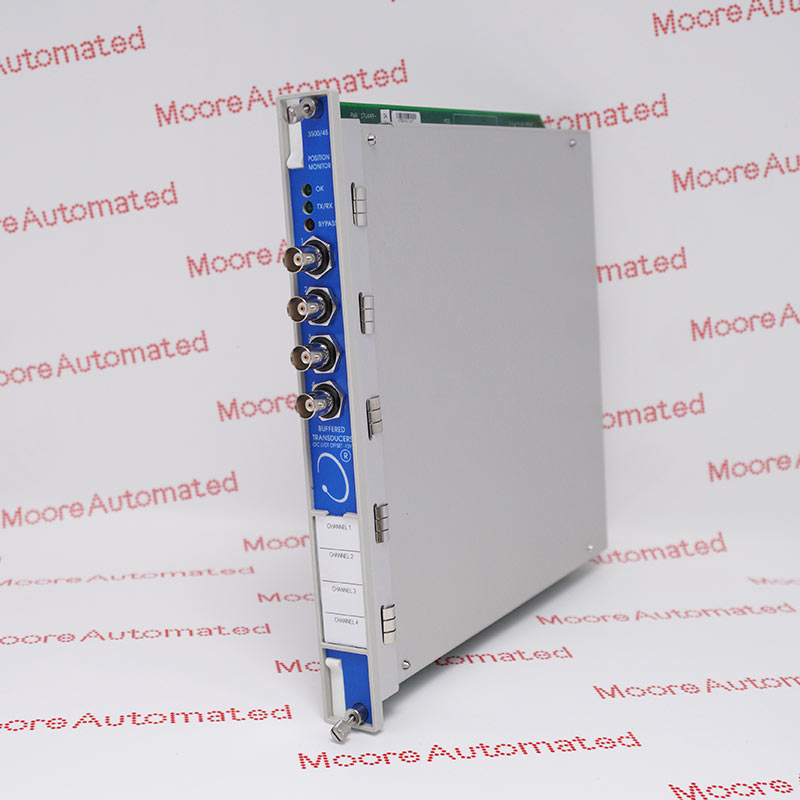
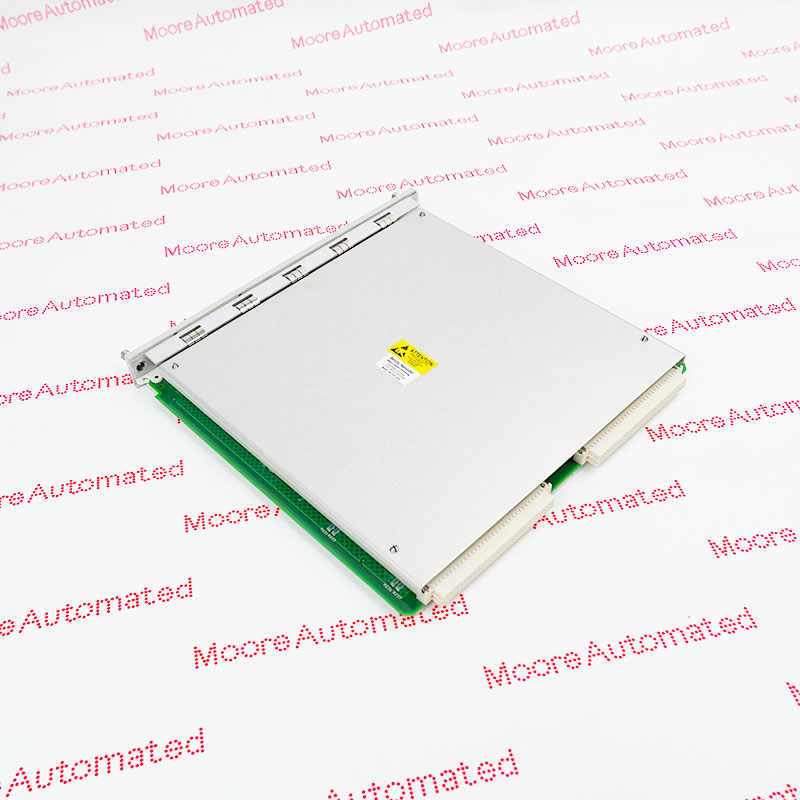
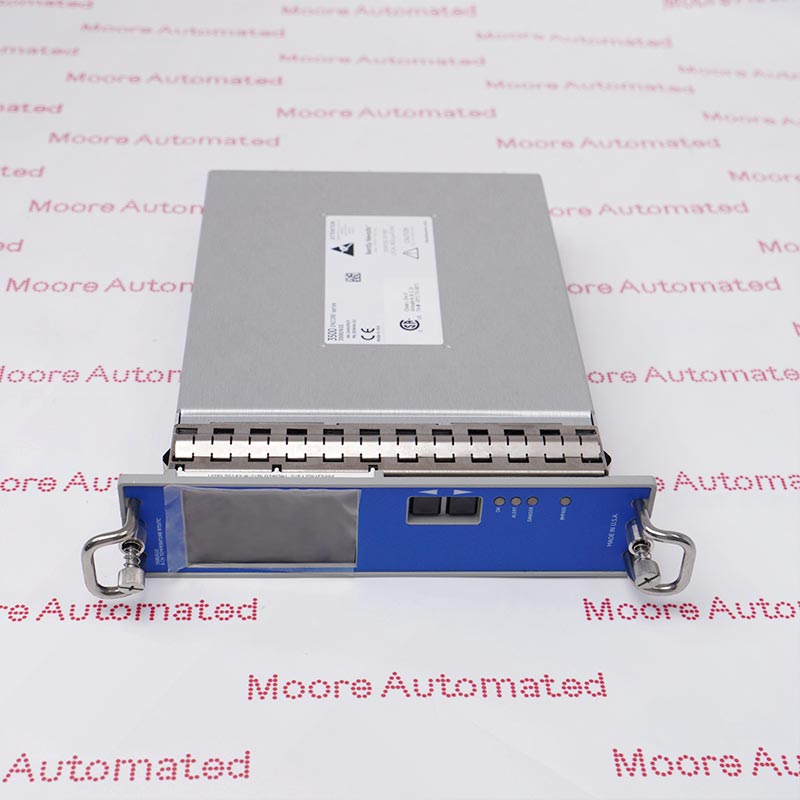
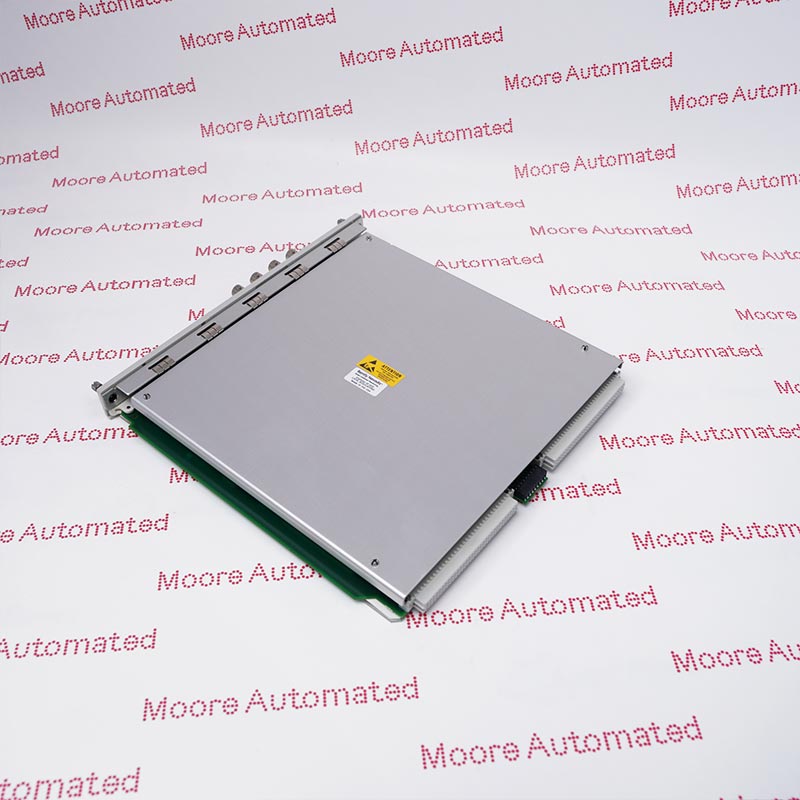
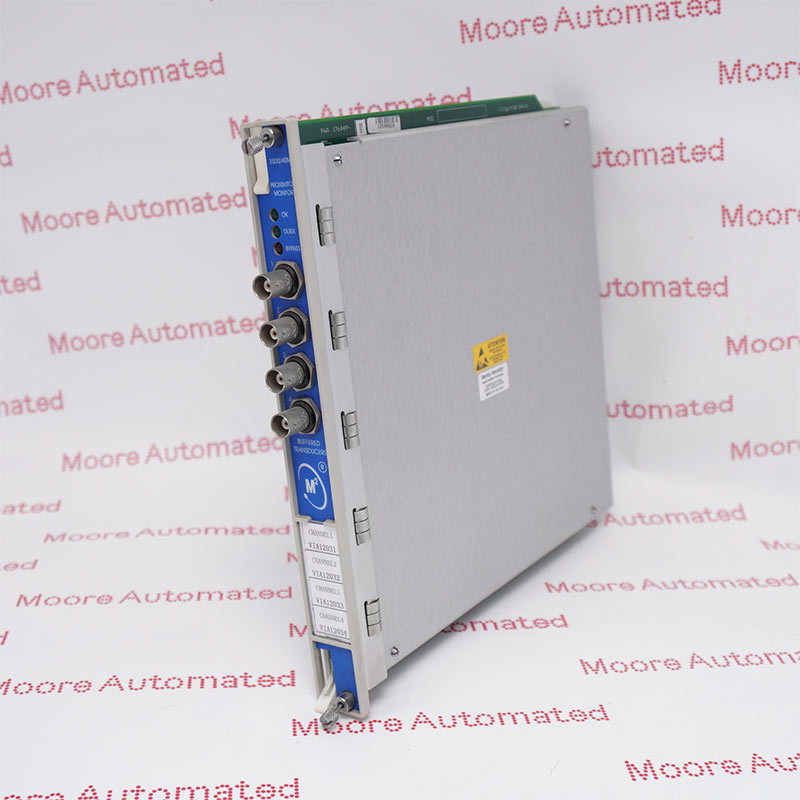
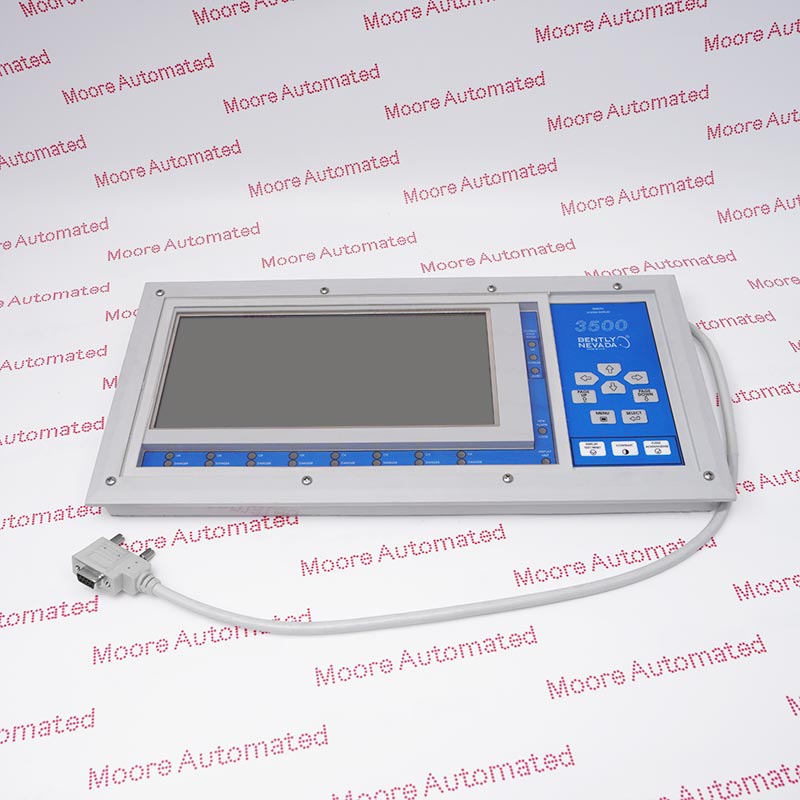
Keep the exact rack and module identifiers, compatible spares, configuration and alarm records, transducer-system details, power arrangements and tested recovery procedures. A product photograph without a readable label is insufficient evidence.
See the 3500 system catalogue, the 3500 module planning guide and the 3300 XL transducer-system guide. Moore Automated’s storage overview provides company context, not live stock confirmation.
Practical questions, concise answers
Is Orbit 60 a direct replacement for a 3500 rack?
Do not treat it as one. A migration requires channel, sensor, wiring, logic, communications, standards and commissioning review.
Must a stable 3500 system be replaced immediately?
Not necessarily. Compare support, spare availability, failure risk, cybersecurity requirements and outage opportunities with a planned modernisation route.
Can 3500 and Orbit 60 coexist during a transition?
A hybrid strategy may be assessed, but interfaces, responsibilities, data paths and validation must be engineered for the site.
What is distinctive about Orbit 60 architecture?
Manufacturer information describes a distributable platform with separate protection, condition-monitoring and communication functions connected through a system architecture.
What should a 3500 spare enquiry include?
Send the complete rack and module references, revisions, slot roles, quantity, condition, evidence requirements, destination and deadline.
Planning a 3500 spare or an Orbit 60 transition?
Start with the installed channel and rack evidence. We can review commercial sourcing while your engineering team governs system change.
Original article videoWatch
The video from the original published article is retained as supplementary company content. It is not a compatibility approval, product test record or lifecycle notice.


Leave Your Comment