Get Repair Quote
Name
Company *
Phone *
Email *
Address
City
State / Province / Region
Zipcode
Country
Quantity *
Part Number *
Manufacturer
Preferred Condition
Additional Information
Cancel

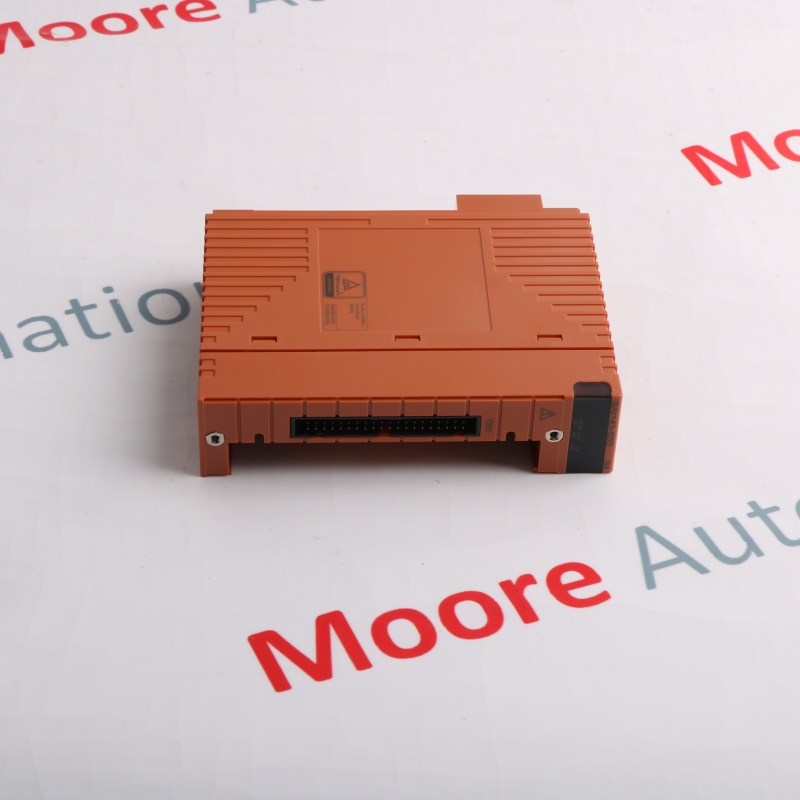
SB311 S1

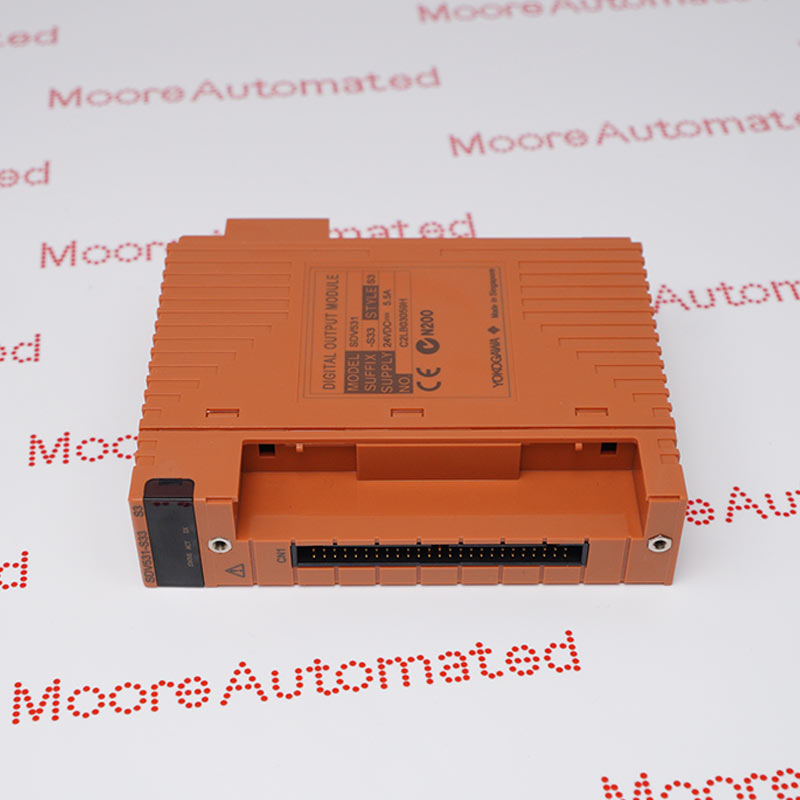
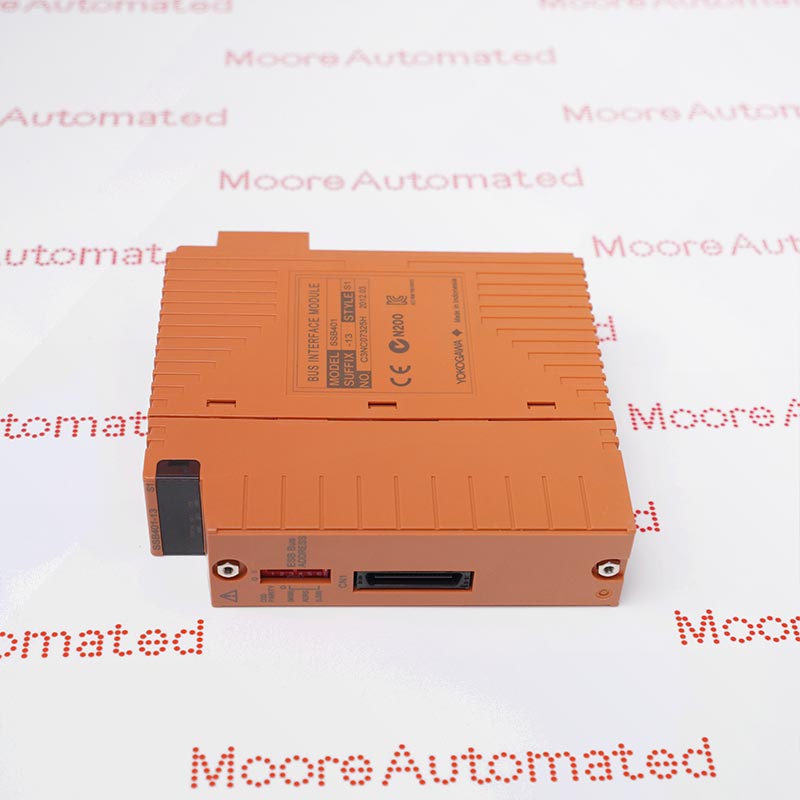
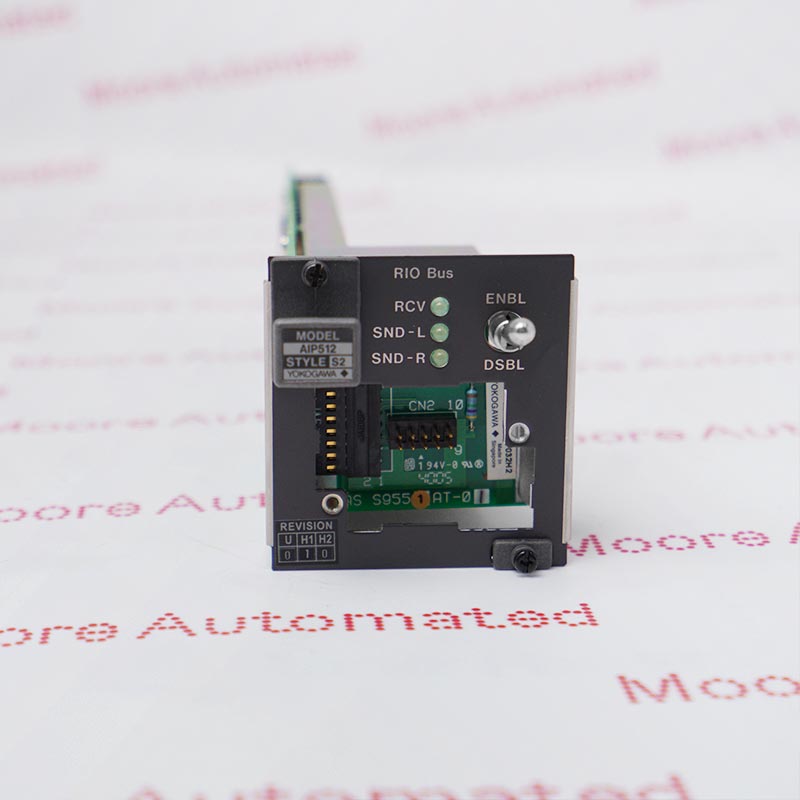
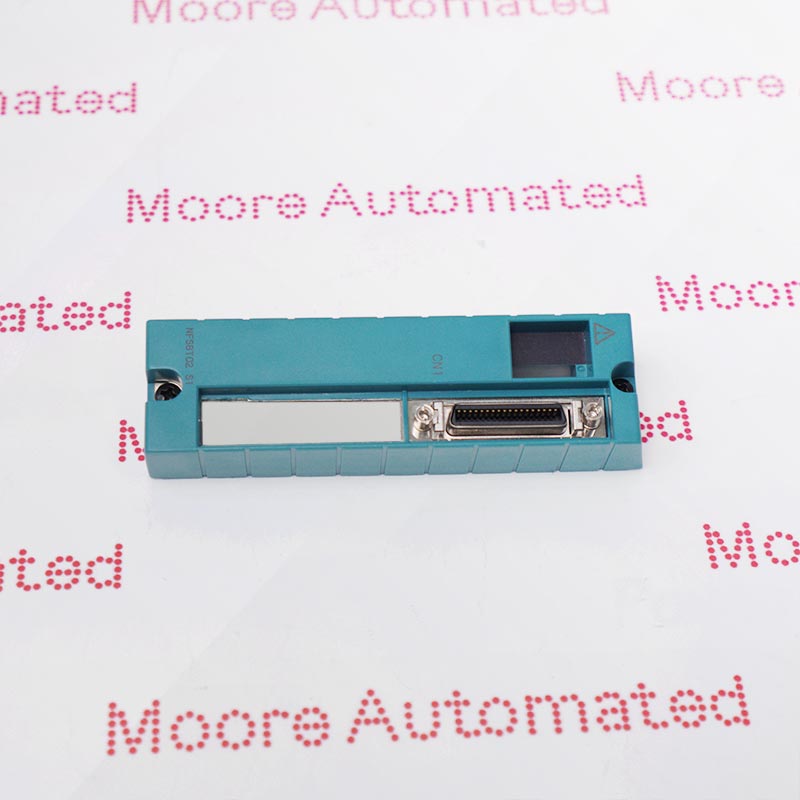
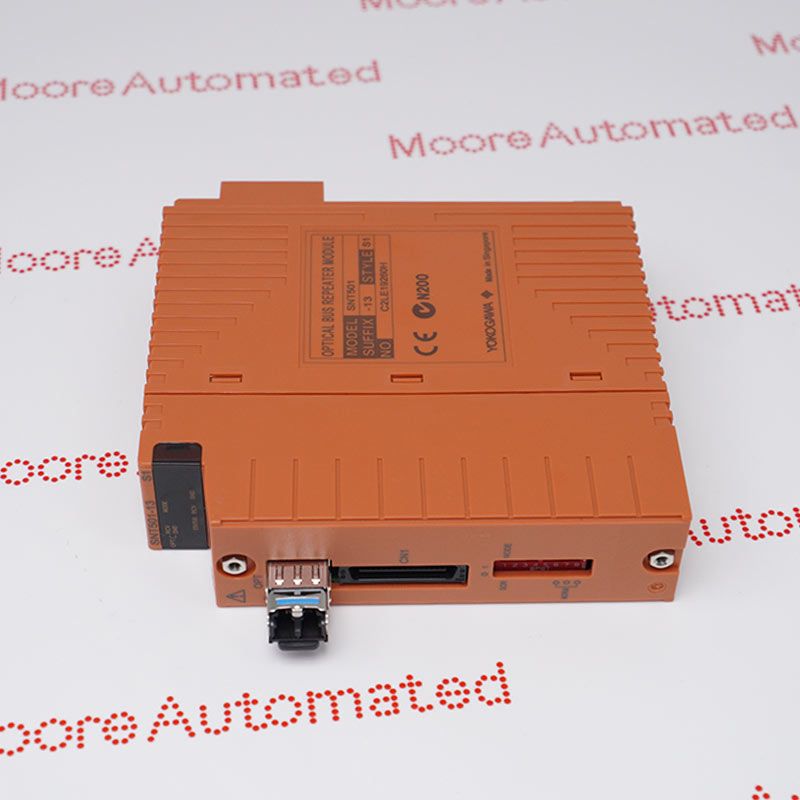
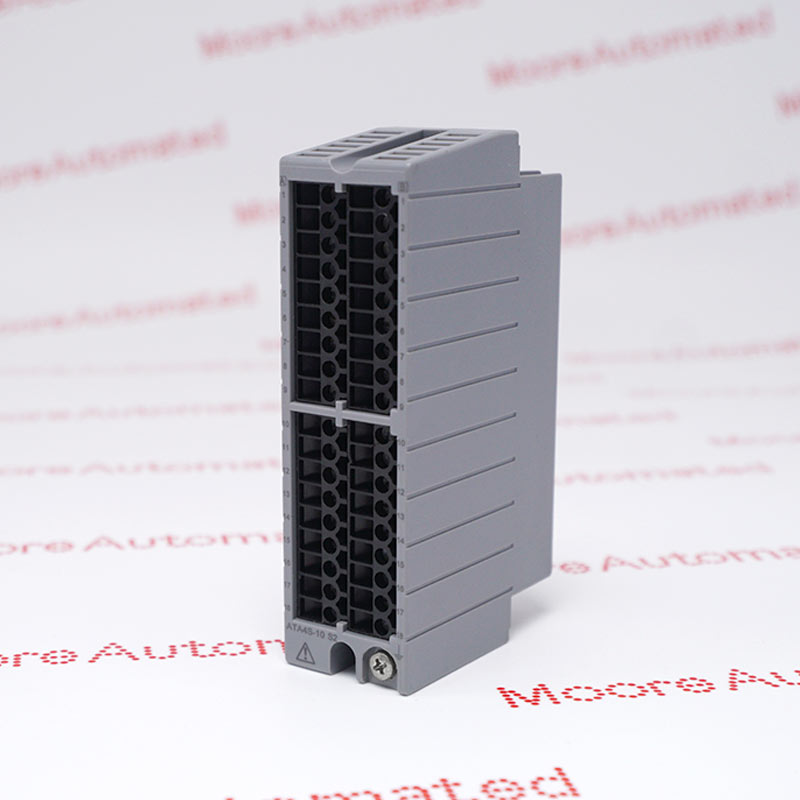
ESB bus Interface Master Module
In Stock

Product Information:

ESB bus Interface Master

Module with SOE Interface

SB311 ESB bus Interface

RS-422 port

Expand All
Collapse all

Technical specifications for SB311 S1

  • Manufacturer:
    Yokogawa
  • Product Category:
    DCS System
  • Spare Part Number:
    SB311
  • Estimated shipping dimensions:
    15.2 x 20 x 15.6 cm
  • Weight:
    1.25 kg
  • Tariff Code:
    8537101190
  • Country of origin:
    Japan
  • Place of shipment:
    Xiamen, Fujian, China
  • Output Signal Type:
    RS-422
  • Voltage Supply:
    24 V DC
  • Current:
    4-20 mA
  • Frequency:
    47 to 63 Hz
  • Operating Temperature:
    -25°C to +60°C
  • Humidity:
    95% RH (no condensation)
  • Stock:
    30

Information

Overview Manuals Principle Primary Application

Features:

  • ESB bus Interface Master Module
  • High-speed capturing of events with one millisecond time stamp resolution
  • Time synchronization with an external master clock based on the global positioning system (GPS)
The SB311 S1 is a push-button control station designed for industrial automation and machine control systems. Its primary function is to provide operators with manual control of equipment, allowing start, stop, or emergency shutdown commands to be executed directly on the machine or control panel. The SB311 S1 offers an intuitive and durable interface, ensuring safe and efficient interaction with the machine.

In practical industrial applications, the SB311 S1 can be directly integrated with motor starters, contactors, or PLC input modules, enhancing operational safety and flexibility. It is commonly used in production lines, process control systems, and heavy machinery environments where reliable human-machine interaction is crucial. The device is designed to withstand mechanical stress, vibration, and harsh environmental conditions, providing long-term durability and stable performance.

The SB311 S1 YOKOGAWA ESB bus Interface Master Module may still be available for purchase and support from Moore Automated Company beyond End-Of-Life (EOL) by the manufacturer (OEM).
YOKOGAWA SB311 S1 ESB bus Interface Master Module DATASHEET(manual), Link Important Notice: Other accessories, manuals, cables, calibration data, software, etc. are not included with this equipment unless listed in the above stock item description. All prices are shown in USD.
The SB311 S1 operates based on mechanical drive and electrical contact switching. When an operator presses the button, the internal contact mechanism closes or opens the circuit, sending a corresponding electrical signal to the connected control system. The motor starter, PLC, or other control device interprets this signal to perform the desired operation, such as starting or stopping the motor. The SB311 S1 enables operators to have safe, reliable, and immediate control over industrial equipment through this simple and reliable contact mechanism.
The SB311-S1 is designed for mission-critical plant environments where accurate sequential tracking of rapidly changing electrical and process events is crucial for safety and post-failure analysis.
1. Event Sequence Recording (SER): This module replaces the standard SB301 module and records changes in digital inputs with a 1-millisecond resolution.
2. Post-Failure Analysis: Engineers can use the data recorded by this module to reconstruct the timeline of plant trips and equipment failures, helping to identify the root causes of "critical failures."
3. Time Synchronization: This module receives high-precision timecode (IRIG-B format) from an external master clock via an RS-422 port, ensuring perfect synchronization of all events recorded in the DCS.
Ask our team:

  • What is the primary functional purpose of the SB311 S1 in industrial sensing applications? The SB311 S1 serves as a high-precision sensor module designed to capture and transmit critical measurement data, ensuring accurate detection and monitoring of operational parameters in demanding industrial environments. 2. How does the SB311 S1 achieve superior measurement accuracy compared to conventional sensing devices? By employing advanced signal processing circuitry and optimized sensor elements, the SB311 S1 delivers highly reliable data with minimal noise interference, supporting precise operational decision-making. 3. Why is the SB311 S1 particularly suitable for harsh industrial conditions? The SB311 S1 is engineered with robust industrial-grade components capable of withstanding extreme temperatures, vibration, and electromagnetic interference, maintaining consistent performance under challenging operational conditions. 4. In what ways does the SB311 S1 enhance system integration within complex automation or monitoring architectures? The SB311 S1 provides standardized electrical and communication interfaces, enabling seamless connectivity with controllers, monitoring modules, or data acquisition systems, thereby simplifying integration into existing industrial networks. 5. How does the SB311 S1 contribute to predictive maintenance and operational reliability? By delivering continuous, high-fidelity measurement data, the SB311 S1 enables early detection of equipment anomalies, supporting predictive maintenance programs that reduce unplanned downtime and extend asset lifespan. 6. What specific industrial applications benefit most from the SB311 S1? The SB311 S1 is widely deployed in sectors such as power generation, oil and gas, petrochemicals, and heavy manufacturing, where continuous monitoring of critical machinery parameters is essential for safety and efficiency. 7. How should engineers approach the installation and calibration of the SB311 S1 to maximize performance? Engineers should ensure proper alignment, secure electrical connections, and adherence to environmental installation guidelines for the SB311 S1, allowing optimal signal integrity and long-term operational stability. 8. What role does the SB311 S1 play in mitigating operational risks within industrial systems? The SB311 S1 supports robust monitoring by providing reliable, continuous data streams, enabling operators to detect abnormal conditions proactively and prevent catastrophic equipment failures. 9. How does the SB311 S1 handle interference from electrical noise or mechanical vibrations? Through integrated shielding, filtering circuits, and industrial-grade design, the SB311 S1 maintains signal clarity and measurement precision even in electrically and mechanically noisy environments. 10. Why is the SB311 S1 considered a strategic component in modern industrial sensing and monitoring systems? The SB311 S1 combines high accuracy, durability, and seamless integration capabilities, making it indispensable for advanced machinery monitoring, process control, and safety-critical industrial operations.
    The SB311 S1 serves as a high-precision sensor module designed to capture and transmit critical measurement data, ensuring accurate detection and monitoring of operational parameters in demanding industrial environments.
  • How does the SB311 S1 achieve superior measurement accuracy compared to conventional sensing devices?
    By employing advanced signal processing circuitry and optimized sensor elements, the SB311 S1 delivers highly reliable data with minimal noise interference, supporting precise operational decision-making.
  • Why is the SB311 S1 particularly suitable for harsh industrial conditions?
    The SB311 S1 is engineered with robust industrial-grade components capable of withstanding extreme temperatures, vibration, and electromagnetic interference, maintaining consistent performance under challenging operational conditions.
  • In what ways does the SB311 S1 enhance system integration within complex automation or monitoring architectures?
    The SB311 S1 provides standardized electrical and communication interfaces, enabling seamless connectivity with controllers, monitoring modules, or data acquisition systems, thereby simplifying integration into existing industrial networks.
  • What specific industrial applications benefit most from the SB311 S1?
    The SB311 S1 is widely deployed in sectors such as power generation, oil and gas, petrochemicals, and heavy manufacturing, where continuous monitoring of critical machinery parameters is essential for safety and efficiency.
  • How should engineers approach the installation and calibration of the SB311 S1 to maximize performance?
    Engineers should ensure proper alignment, secure electrical connections, and adherence to environmental installation guidelines for the SB311 S1, allowing optimal signal integrity and long-term operational stability.
Quantity
Upload
(gif, jpg, jpeg, png, bmp, doc, docx, xls, xlsx, ppt, pdf, csv)
For more information on how your data is processed and stored by Moore automated please read our privacy policy.
Trusted by 5,000+ plants worldwide | Backed by our vast inventory of top-tier control parts, drives and servo motors, fast shipments are dispatched to cover your urgent needs. ABOUT US >>
Moore Disclaimer: Moore Automated's sales automation equipment and related solutions are intended for industrial automation and business operational efficiency improvement purposes only. Product information, technical parameters, and application cases are for reference only and do not constitute an absolute guarantee of performance for any specific industry, scenario, or final application. Actual equipment performance may vary depending on factors such as the usage environment, system integration method, and maintenance conditions. Users should confirm compatibility and safety based on professional technical assessments. Moore Automated assumes no liability for any direct or indirect losses caused by improper use, modification, or failure to operate according to specifications, to the extent permitted by law.