Overview
Manuals
Core Applications
Features:
- Ethernet Communication Module
- Used with a safety control station (SCS) for performing Modbus communication and DNP3 communication
- 1 segment, 100 m (in between SCS and other systems, or SCS and HUB)
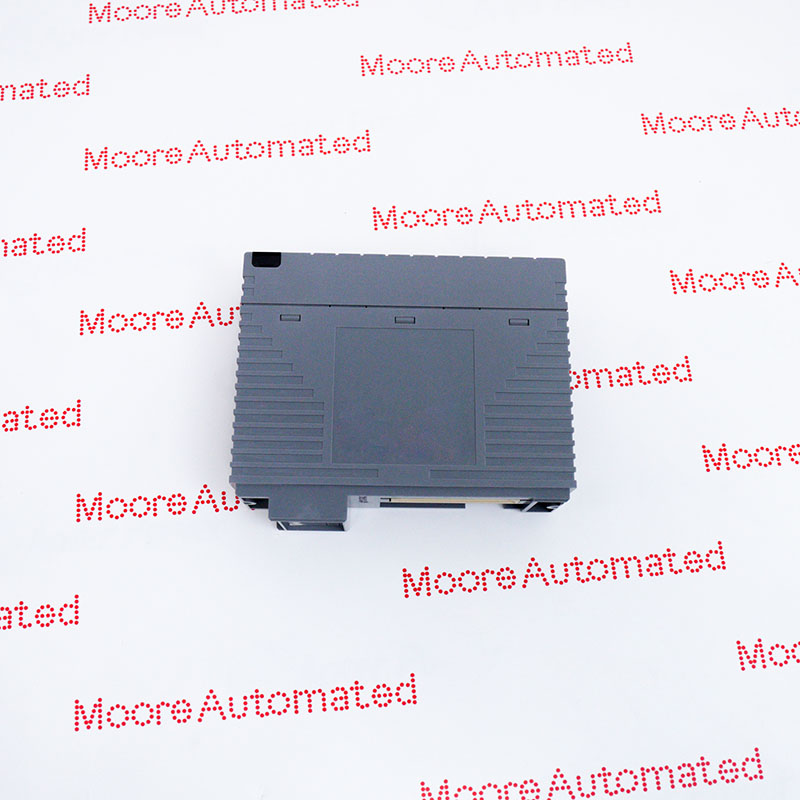
Hardware specifications of ALE111 Ethernet communication module. This module is interferencefree module that has no interference with the safety loop.
By using the SCS’s Modbus slave communication function, the data in SCS can be set or referred to by the Modbus master which is as separate system from SCS via a Ethernet communication module. Furthermore, the subsystem data such as from sequencers can be set or referred to via a Ethernet communication module using SCS’s subsystem communication function. This Ethernet communication module can be mounted on a safety control unit and a safety node unit.
The ALE111-S50 S1 YOKOGAWA Ethernet Communication Module may still be available for purchase and support from Moore Automated Company beyond End-Of-Life (EOL) by the manufacturer (OEM).
YOKOGAWA ALE111-S50 S1 Ethernet Communication Module DATASHEET(manual), Link
Important Notice: Other accessories, manuals, cables, calibration data, software, etc. are not included with this equipment unless listed in the above stock item description. All prices are shown in USD.
- Subsystem Communication: Field Control Stations (FCS) use this module to communicate with external systems (such as Yokogawa's FA-M3) or third-party devices (such as MELSEC, PLC-5/SLC500, and Modbus devices).
- Safety System Integration: Operates in the ProSafe-RS environment, performing Modbus slave or DNP3 slave communication, allowing independent SCADA systems to monitor the Safety Control Station (SCS).
- Wireless Gateway Connectivity: Dedicated to communicating with Yokogawa YFGW410/710 Field Wireless Management Stations to retrieve and configure data from field wireless devices.
- Dual Redundancy Configuration: Two ALE111 modules can be installed in adjacent slots to provide seamless redundant communication paths, ensuring high system availability in mission-critical environments.