Get Repair Quote
Name
Company *
Phone *
Email *
Address
City
State / Province / Region
Zipcode
Country
Quantity *
Part Number *
Manufacturer
Preferred Condition
Additional Information
Cancel
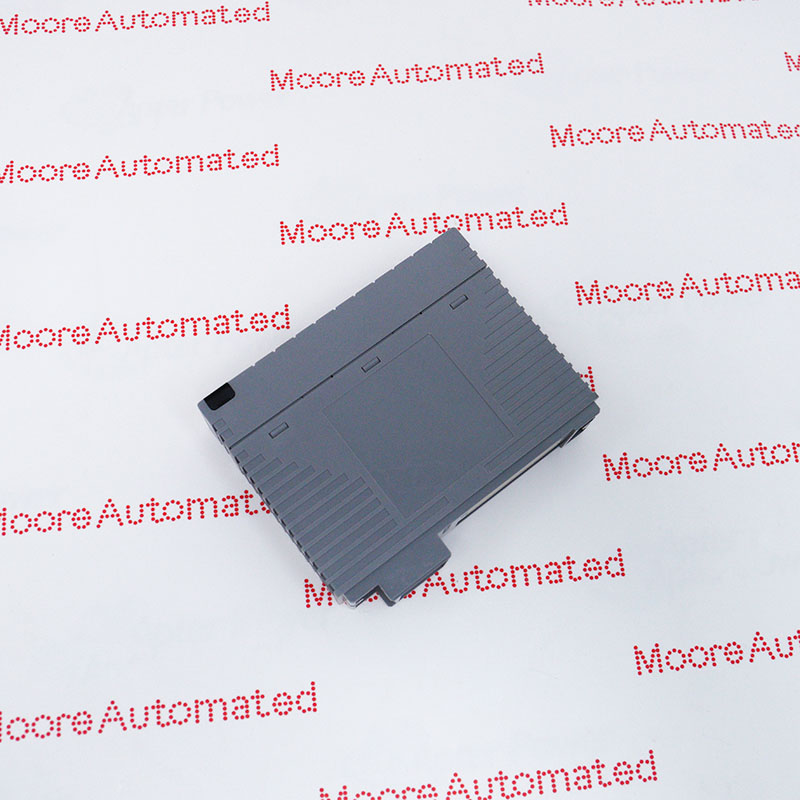
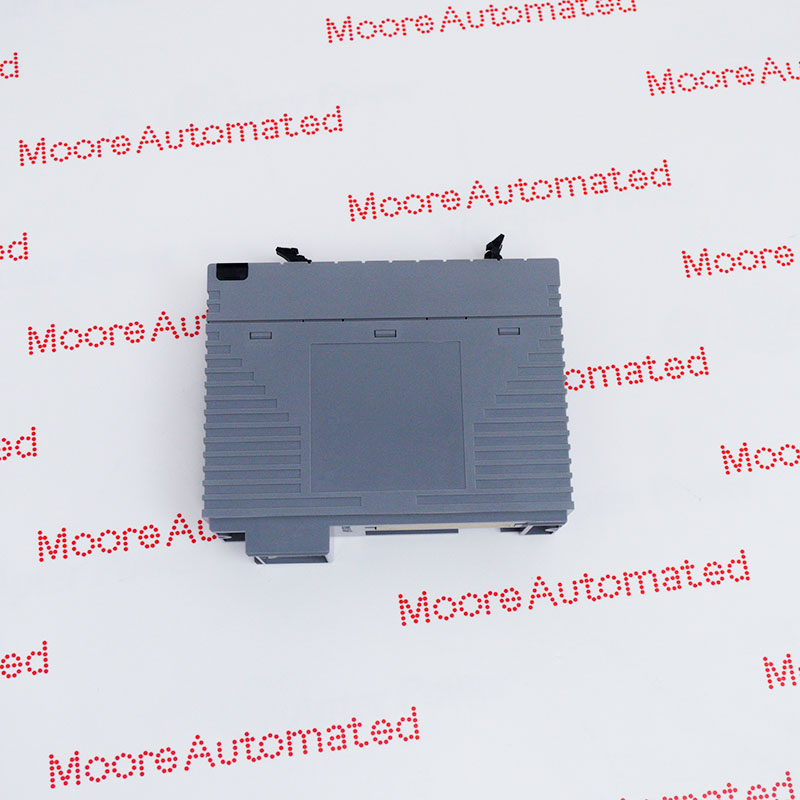
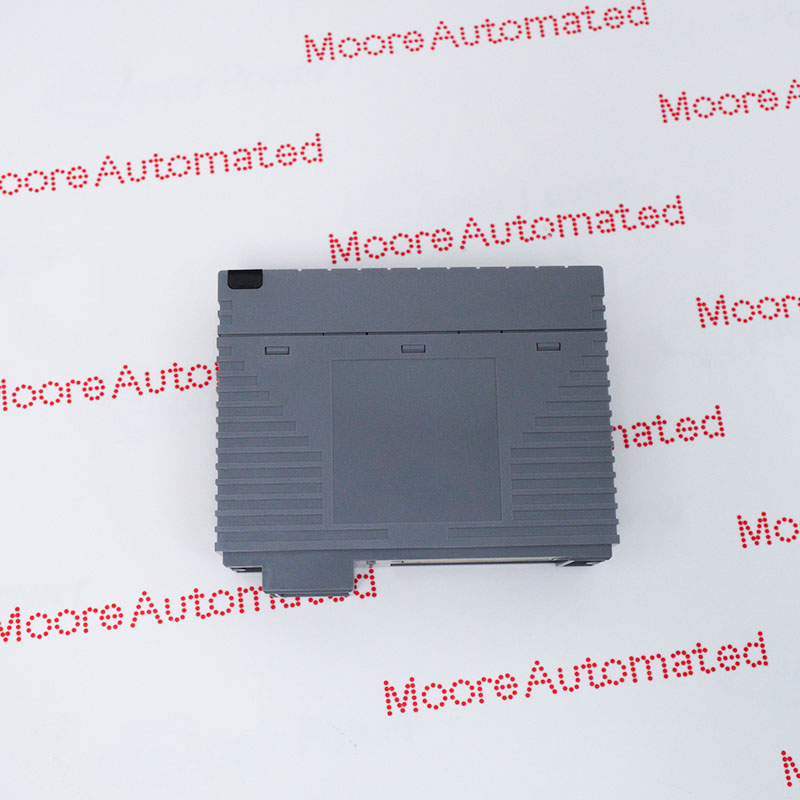
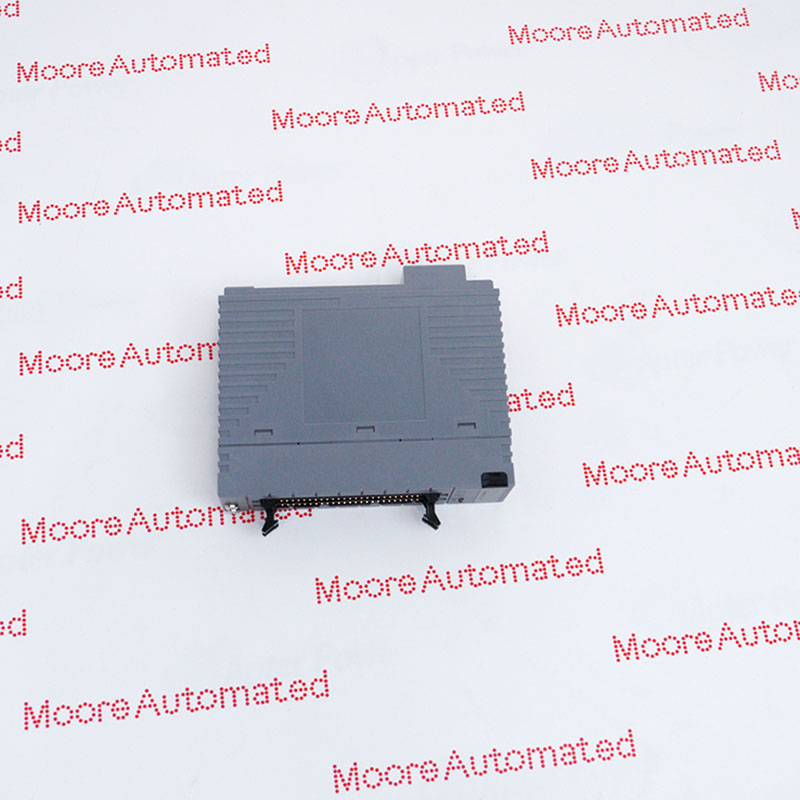
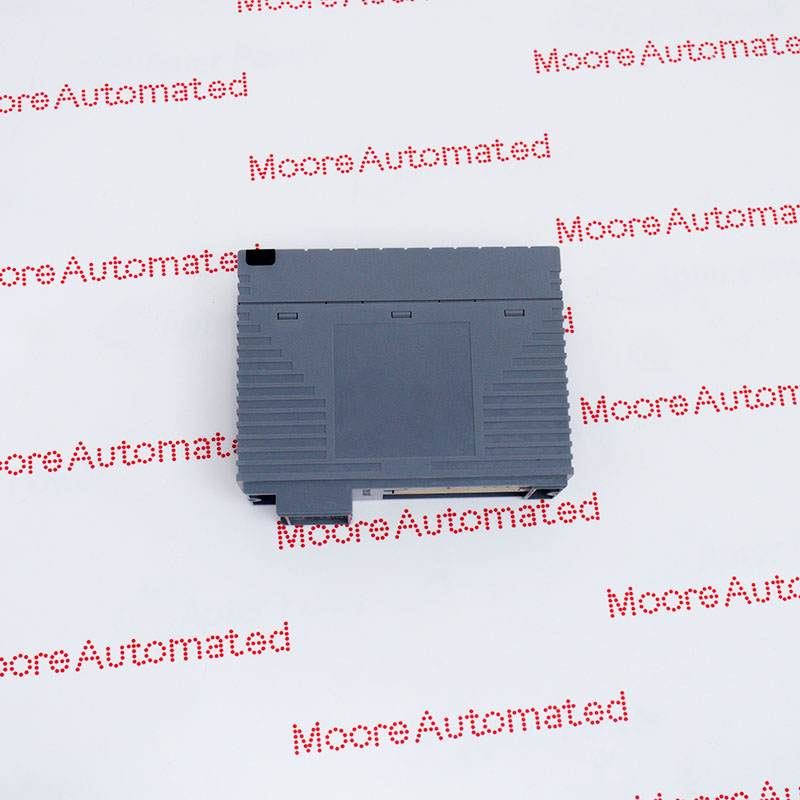
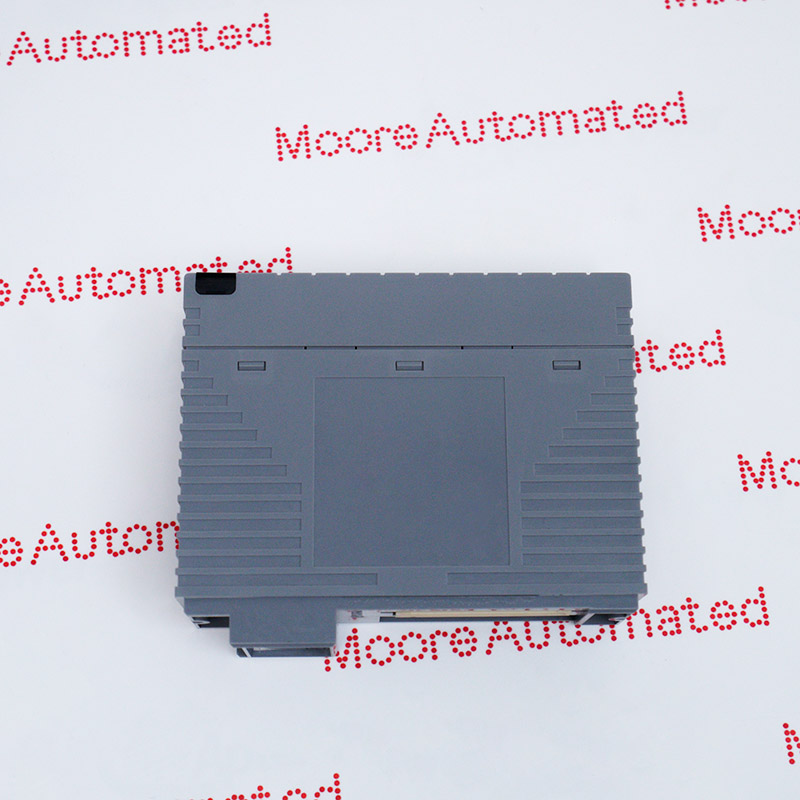
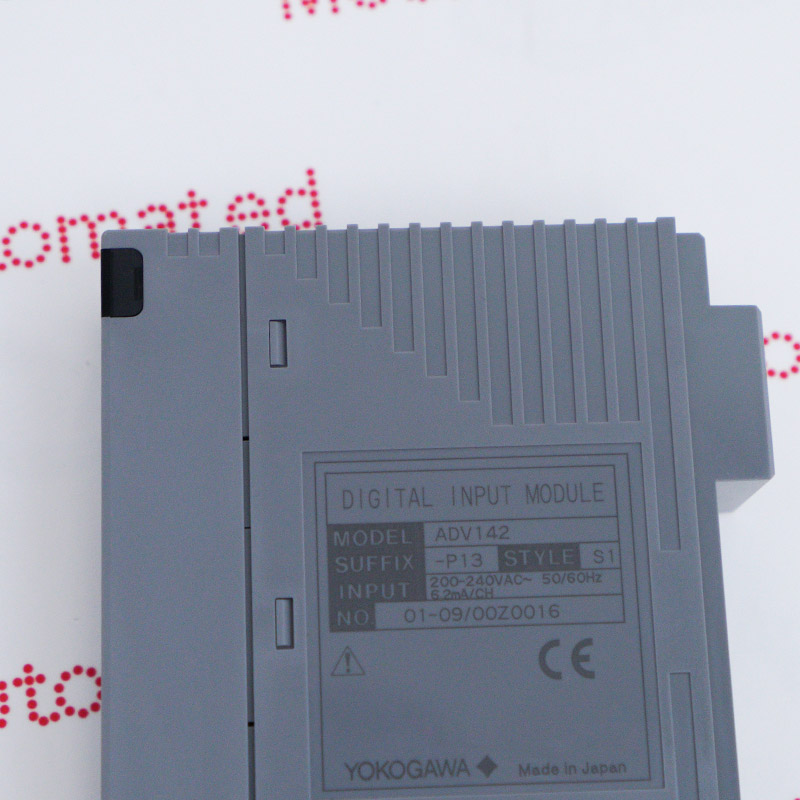
Yokogawa ADV142-P13
Yokogawa ADV142-P13
Yokogawa ADV142-P13
Yokogawa ADV142-P13
Yokogawa ADV142-P13
Yokogawa ADV142-P13
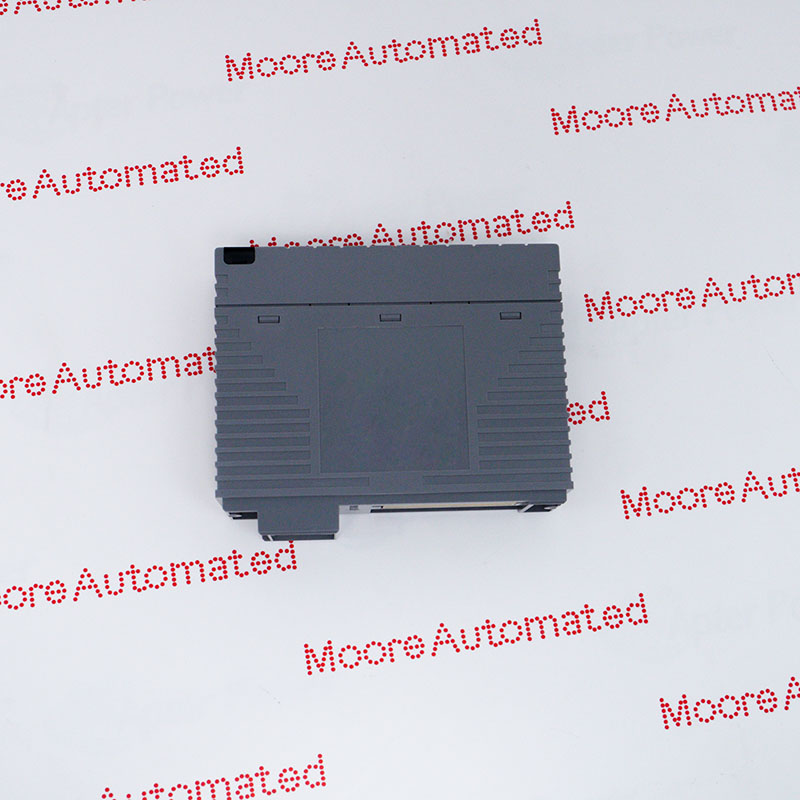
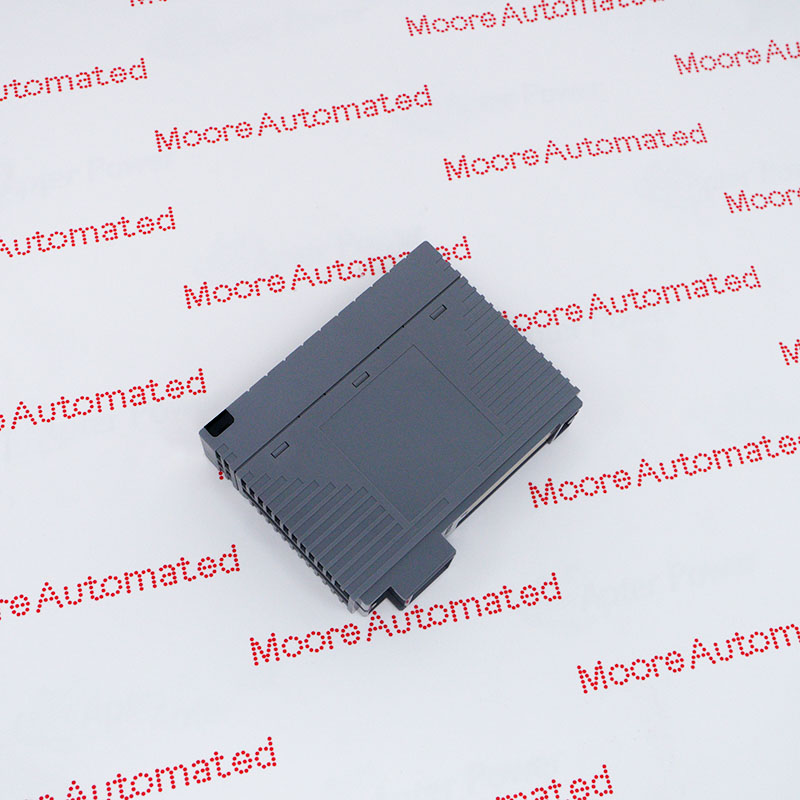
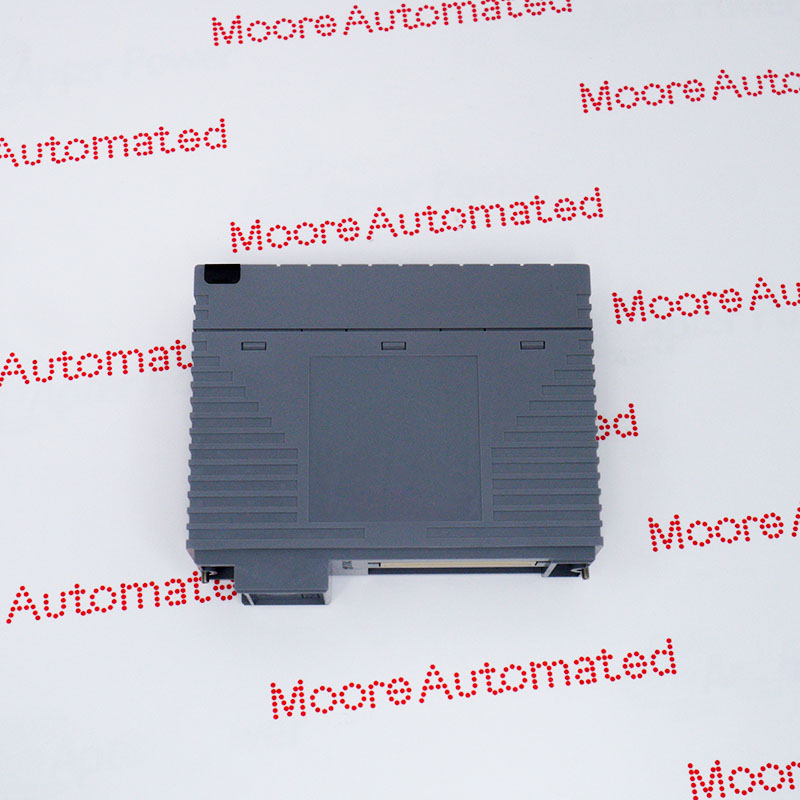
· Product image is representative; revision or series may vary. Contact us to request a specific version.

ADV142-P13

Digital Input Module
In Stock

Product Information:

Digital Input Module (16-channel, 200 V - 240 V AC, Isolated)

AC Digital Input Modules

The AC Digital Input Modules receive

16-channel 100 V AC or 220 V AC ON/OFF signals

They can be used in dual redundant configuration

Expand All
Collapse all

Technical specifications for ADV142-P13

  • Manufacturer:
    Yokogawa
  • Product Category:
    DCS System
  • Estimated shipping dimensions:
    12.3 x 10.4 x 15 cm
  • Weight:
    0.23 kg
  • Tariff Code:
    8537101190
  • Country of origin:
    Japan
  • Place of shipment:
    Xiamen, Fujian, China
  • Product Type:
    AC Digital Input
  • Number of input channels:
    16 channels
  • Rated input voltage:
    200 to 240 V AC
  • Frequency:
    50/60 Hz
  • Input ON voltage (peak value):
    160 V AC (226 V) to 264 V AC (373 V)
  • Input response time:
    160 ms or less (for status input)
  • Minimum ON detection time:
    200 ms (for pushbutton input)
  • Maximum ON/OFF cycle:
    2.5 Hz (for pushbutton input)
  • Maximum current consumption:
    500 mA (5 V DC)
  • Stock:
    10

Information

Overview Manuals Working principle Installation & Compatibility

Features:

  • AC Digital Input Modules
  • Digital Input Module (16-channel, 200 V - 240 V AC, Isolated)
  • Digital Input can be used in dual redundant configuration
Capable of directly accepting 200V to 240V AC signals, the ADV142-P13 is commonly used for power distribution monitoring, large motor feedback, and remote switch status acquisition. Its P13 model typically indicates the use of a pressure clamp terminal connection, which simplifies on-site wiring and improves connection reliability in vibration environments.

The ADV142-P13 integrates an anti-jitter filtering algorithm to effectively filter false signals caused by aging on-site contacts or induced current in long cables, and provides 2 kV AC electrical isolation to ensure the safe operation of the central control system.

The ADV142-P13 YOKOGAWA Digital Input Module may still be available for purchase and support from Moore Automated Company beyond End-Of-Life (EOL) by the manufacturer (OEM).
YOKOGAWA ADV142-P13 Digital Input Module DATASHEET(manual), Link Important Notice: Other accessories, manuals, cables, calibration data, software, etc. are not included with this equipment unless listed in the above stock item description. All prices are shown in USD.
The ADV142-P13 receives 220V AC voltage signals from the field through its pressure clamp terminals. The module's internal circuitry first steps down, current-limits, and rectifies the input voltage, then drives an optocoupler to convert the high-voltage AC into a low-voltage logic signal. The electrical isolation achieved through the optocoupler completely separates the high-voltage circuit from the internal low-voltage circuit.
To fully integrate the ADV142-P13, the following components are typically required:
  1. System Platform: Seamlessly integrates into Yokogawa FIO systems.
  2. External Wiring: Connects via crimp terminals or dedicated military-grade connector cables.
  3. Configuration: Set up and calibrate using the CENTUM VP engineering environment.
Ask our team:

  • In complex electronic subsystem architectures, what are the core system-level functional responsibilities and embedded signal orchestration role of the ADV142-P13?
    The ADV142-P13 is typically considered a system integration functional component, designed to participate in structured signal processing, interface coordination, and deterministic data propagation in embedded electronic environments.
  • How does the ADV142-P13 maintain operational determinism and performance stability under multivariable electrical, thermal, and electromagnetic stress conditions?
    The ADV142-P13 typically employs a stability-oriented design approach, aiming to maintain functional consistency under power conditions, temperature gradients, and external electromagnetic interference.
  • How does the ADV142-P13 facilitate interface abstraction and cross-domain interoperability between heterogeneous system topologies?
    The ADV142-P13 is typically positioned as an interface-centric device, designed to achieve standardized electrical compatibility and structured integration across multi-module and multi-vendor system architectures.
  • What signal integrity protection mechanisms are embedded in the ADV142-P13 to mitigate high-frequency degradation phenomena, such as jitter, attenuation, or phase distortion?
    The ADV142-P13 typically follows impedance-aware design principles and noise suppression strategies to minimize waveform distortion and ensure stable signal transmission fidelity.
  • What electromagnetic compatibility (EMC) principles are incorporated into the design of the ADV142-P13 for operation in high-density or high-interference environments?
    The ADV142-P13 is typically designed with an EMC architecture in mind, aiming to reduce its sensitivity to external electromagnetic interference while maintaining controlled emission characteristics.
Quantity
Upload
(gif, jpg, jpeg, png, bmp, doc, docx, xls, xlsx, ppt, pdf, csv)
For more information on how your data is processed and stored by Moore automated please read our privacy policy.
Trusted by 5,000+ plants worldwide | Backed by our vast inventory of top-tier control parts, drives and servo motors, fast shipments are dispatched to cover your urgent needs. ABOUT US >>
Moore Disclaimer: Moore Automated's sales automation equipment and related solutions are intended for industrial automation and business operational efficiency improvement purposes only. Product information, technical parameters, and application cases are for reference only and do not constitute an absolute guarantee of performance for any specific industry, scenario, or final application. Actual equipment performance may vary depending on factors such as the usage environment, system integration method, and maintenance conditions. Users should confirm compatibility and safety based on professional technical assessments. Moore Automated assumes no liability for any direct or indirect losses caused by improper use, modification, or failure to operate according to specifications, to the extent permitted by law.