

Registered Address: 32D Floor Guomao Building, No.388, Hubin South Road, Siming District, Xiamen,Fujian, China
ISO 9001:2015 Certified
Our quality management system covers sourcing,testing and dispatch

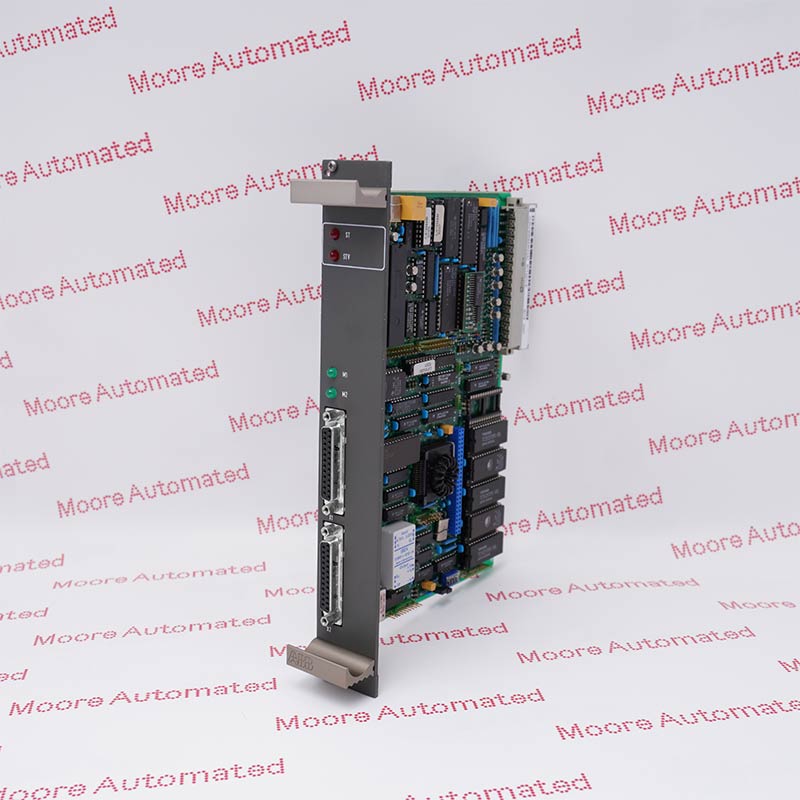
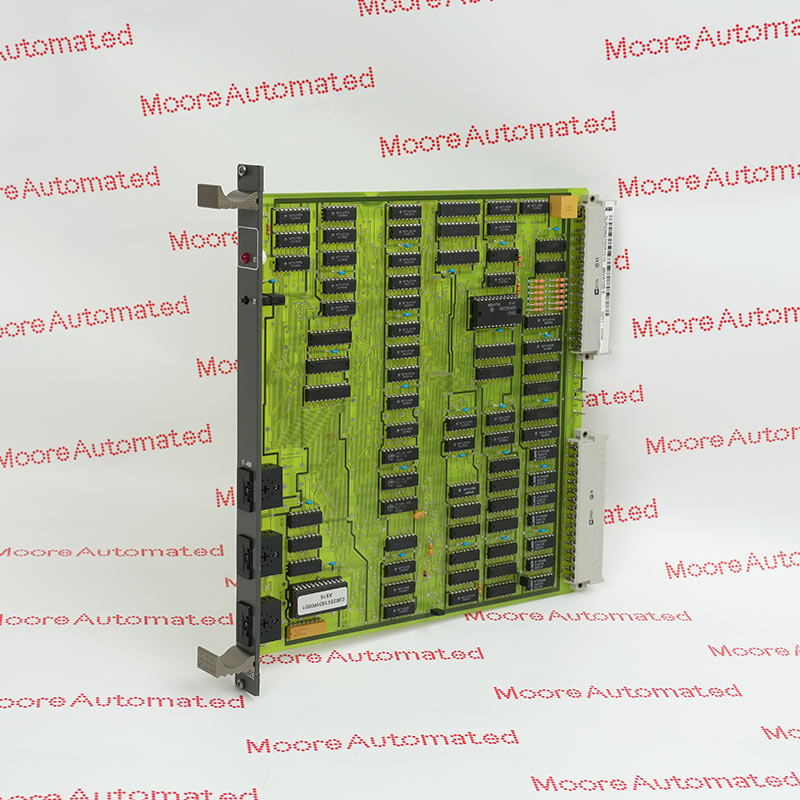
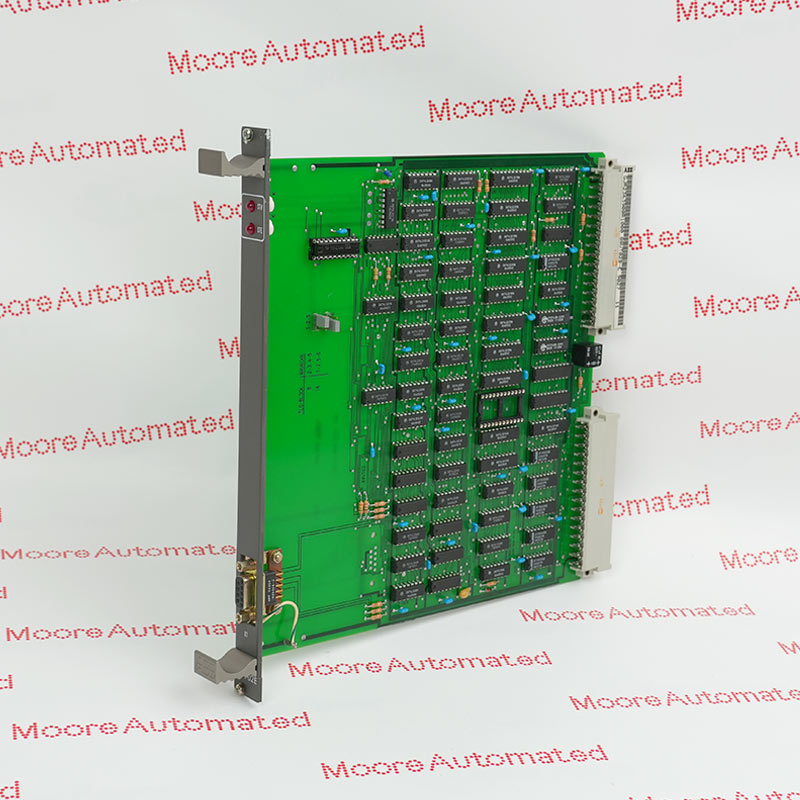
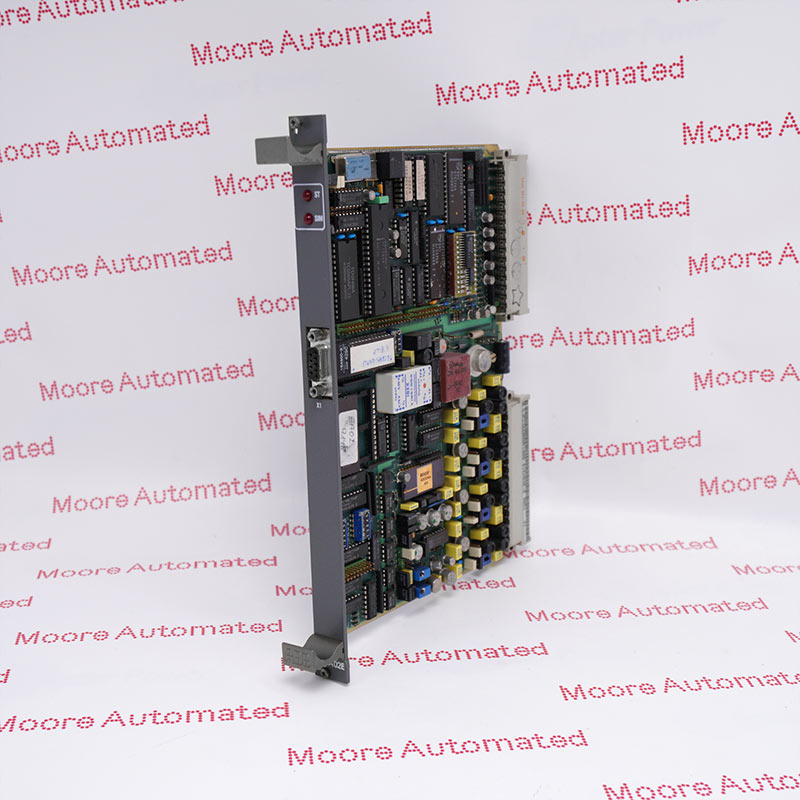
ABB GJR2368900R1348 identifies 87TS01K-E as a CDS master communication module used with ABB PROCONTROL P14 systems. Selection is based on the complete article, type designation and installed hardware revision. Use GJR2368900R1348 87TS01K-E only in the documented ABB PROCONTROL P14 systems position whose parts list, wiring and configuration name this exact execution. Confirm GJR2368900R1348, 87TS01K-E, the receiving rack or equipment, connector population, hardware revision and documented configuration before replacement.
GJR2368900R1348 87TS01K-E must be matched to the receiving equipment and project record. Preserve the approved configuration and terminal record, isolate every applicable energy source, label connections and follow ESD handling requirements. After installation, verify power and diagnostics first, compare communication or I/O status with the saved record, and prove the assigned function in a controlled test state.
Read GJR2368900R1348 and 87TS01K-E together; preserve every suffix and the installed hardware revision.
Compare the receiving equipment, slot or mounting position, connectors and project documentation before moving any wiring.
Restore only the approved settings, review diagnostics and test the assigned function before releasing the equipment.
GJR2368900R1348 87TS01K-E is controlled as one complete ABB hardware identity. Similar boards or units cannot be substituted from appearance alone: article suffix, type designation, populated connectors and receiving-equipment record must agree.
Before energization, inspect keying, grounding, insulation boundaries and every transferred connection. During commissioning, verify diagnostics and signal behavior against the plant record, then document the final hardware revision and test result.
Availability and lifecycle status are confirmed for the exact GJR2368900R1348 87TS01K-E article at quotation.
Moore Automated verifies the supplied condition, included items and installed-system match against the complete ABB identity.


Registered Address: 32D Floor Guomao Building, No.388, Hubin South Road, Siming District, Xiamen,Fujian, China
MooreAutomated.com is the official website and primary online platform operated by Moore Automation Limited. The website provides information about the company’s industrial automation parts sourcing services, product coverage and customer support. Moore Automation Limited operates as an independent supplier and is not an authorized distributor or representative of the manufacturers displayed on this website unless expressly stated.