Overview
Manuals
How It Works
Application Details
Valve Board Interface
Features:
- It is installed inside the robot control cabinet,
- Specifically designed for driving and controlling pneumatic valve assemblies (such as solenoid valves, air pressure regulators, etc.) on robot end effectors
- Its main function is to process pneumatic control digital and analog signals from the robot's main computer
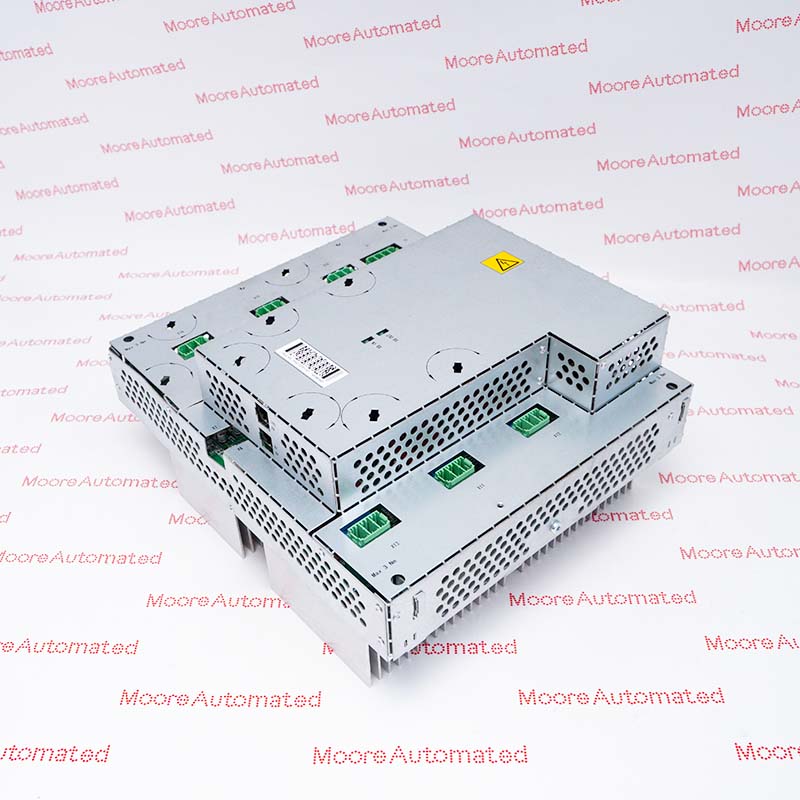
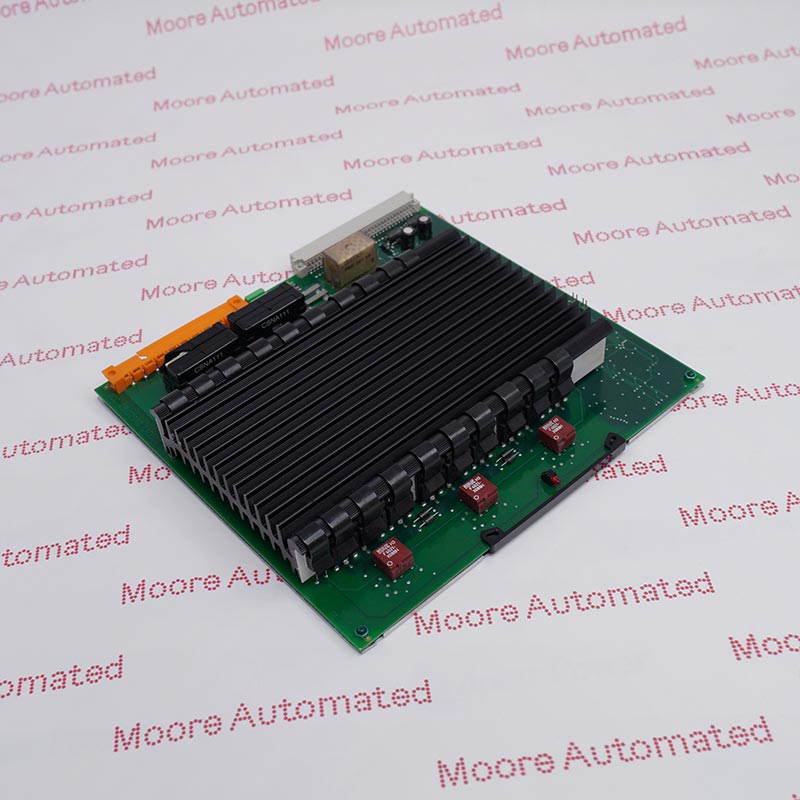
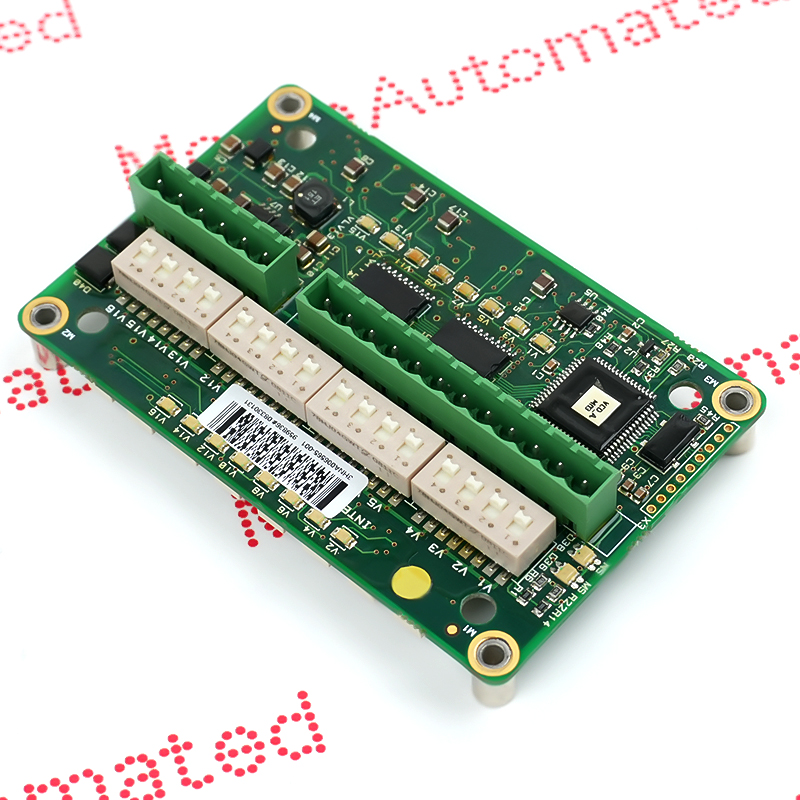
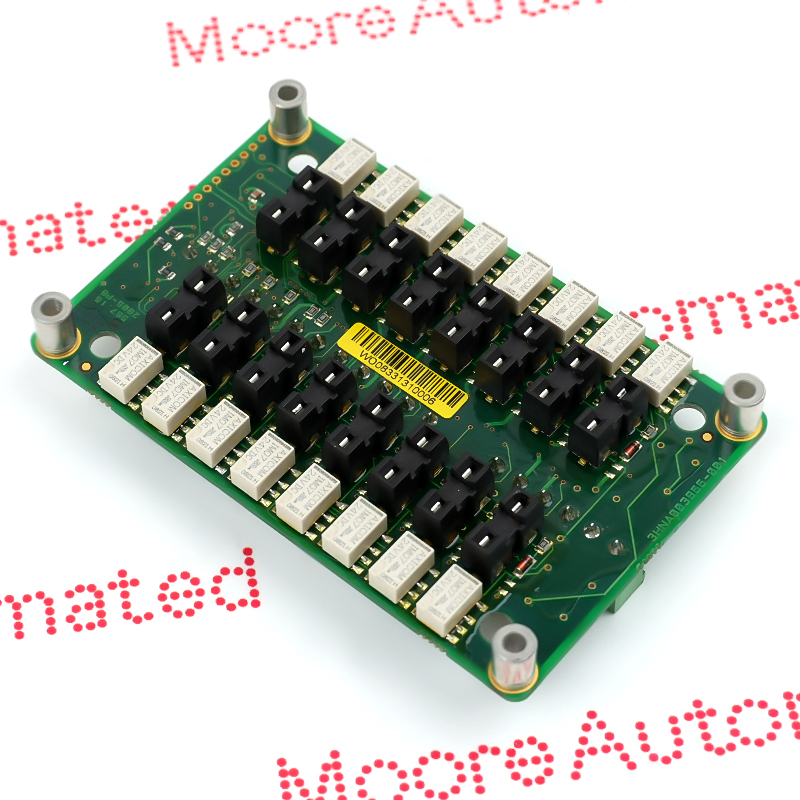
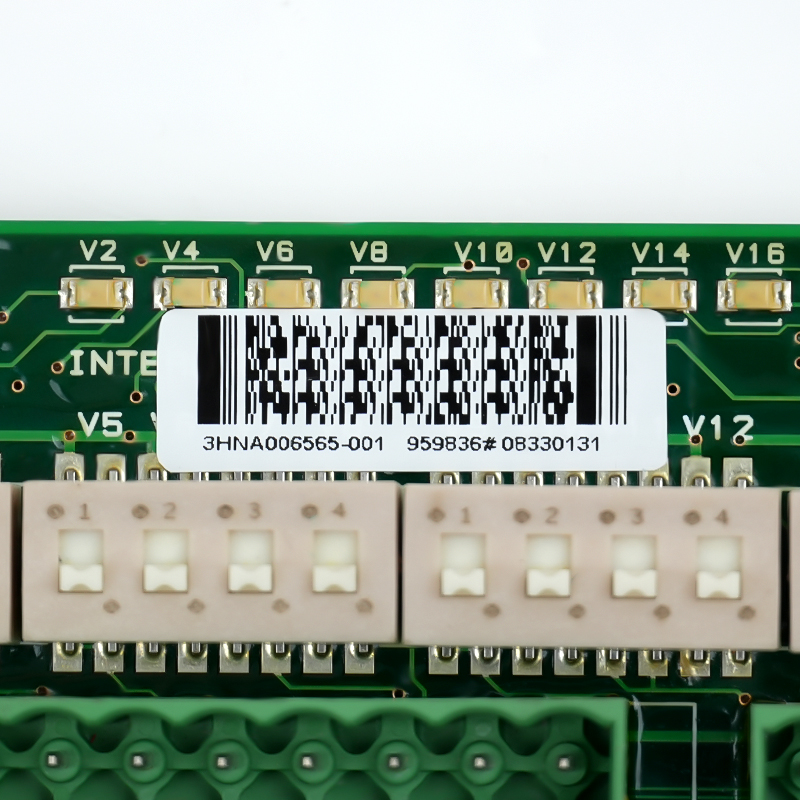
3HNA006565-001 (often associated with VCDI-02/VCD-02 models) is a core electrical spare part for ABB industrial robot systems, particularly painting robots designed for automotive manufacturing and advanced surface treatments, such as the ABB IRB 5400 and IRB 5500 series. Its official name is Valve Drive Control Board (VCDI Spare Part). The main function of this module is to precisely drive, control, and regulate precision pneumatic and metering valve assemblies within the robot's painting system.
Because automotive paint shops are typically filled with flammable and explosive volatile organic compounds (VOCs) and are often in an electrostatic spraying environment, the 3HNA006565-001 employs a top-tier industrial-grade anti-static and electromagnetic interference/radio frequency interference (EMI/RFI) design. It integrates independent multi-channel condition monitoring and fault self-diagnostic circuitry, enabling real-time monitoring of the feedback current and response status of each controlled solenoid valve.
The 3HNA006565-001 ABB VCD Valve Circuit Board may still be available for purchase and support from Moore Automated Company beyond End-Of-Life (EOL) by the manufacturer (OEM).
ABB 3HNA006565-001 VCD Valve Circuit Board MANUAL(Datasheets), Link
Important Notice: Other accessories, manuals, cables, calibration data, software, etc. are not included with this equipment unless listed in the above stock item description. All prices are shown in USD.
The 3HNA006565-001 employs a high-speed digital signal optical isolation conversion and a microsecond-level closed-loop current drive mechanism. When the robot motion controller issues a painting process command (e.g., changing the spray width or paint output), the control command is transmitted to the input of the 3HNA006565-001 control board via an industrial bus (e.g., Anybus or a dedicated synchronous network).
The core microprocessor (MCU) inside the control board decodes the signal at high speed and isolates the low-voltage control signal from the high-voltage drive circuit through optical isolation devices to prevent electrostatic high-voltage backflow. Subsequently, the onboard high-frequency power amplifier drive bridge (e.g., a dedicated constant current drive chip) generates a precise pulse current according to a preset duty cycle, directly acting on the solenoid valve coil or piezoelectric ceramic valve of the field actuator, causing the valve core to momentarily generate mechanical displacement, thereby changing the opening degree of the air or paint circuit.
Simultaneously, the onboard sampling resistor collects the back electromotive force and current feedback in the drive circuit in real time. Through an internal negative feedback algorithm, the drive power can be finely adjusted in a very short time, maintaining high precision and stability in valve opening and response time even in harsh environments such as gas source fluctuations or high-voltage electrostatic discharge.
1.Airflow Shaping and Atomization Adjustment: This control board dynamically triggers pneumatic valves to adjust the "shaping airflow" pressure, physically shaping the paint pattern into a perfect fan shape when sprayed onto the car chassis.
2.Paint and Solvent Delivery Sequence Control: It precisely coordinates the rapid switching between the paint spraying line and the solvent cleaning line. This allows the robot to complete the cleaning of residual paint, the cleaning of the spray cup, and the switch to a new color within 15 seconds during real-time shift changes on the assembly line.
3.Turbine Speed Adjustment: The VCDI-02 control board works in conjunction with an air-float turbine valve to maintain precise speed even as paint viscosity changes.
4.Electrostatic Interlock: It ensures perfect synchronization between high-voltage electrostatic charge and paint flow initiation, preventing catastrophic arcing in the flammable and explosive environment of the spray booth.
5.Intrinsically Safe Pneumatic Bridging: 3HNA006565-001 serves as a safe, highly shielded communication link between the robot controller's digital brain (located outside the control room) and the explosive fluid delivery area on the robotic arm.
6.Intrinsically Safe Pneumatic Bridging: 3HNA006565-001 Intrinsically safe pneumatic bridging: Prevents arc propagation: Its heavy-duty industrial-grade optocouplers and electrical isolation circuits ensure that any sudden voltage spikes or short circuits within the cabinet will not propagate outwards, thus preventing fires in the production workshop.
This VCD valve circuit board belongs to the IRC5P paint-control hardware. Match the VCDI-02 designation, controller execution and valve-cabinet connectors before installing the replacement.