


Registered Address: 32D Floor Guomao Building, No.388, Hubin South Road, Siming District, Xiamen,Fujian, China
ISO 9001:2015 Certified
Our quality management system covers sourcing,testing and dispatch
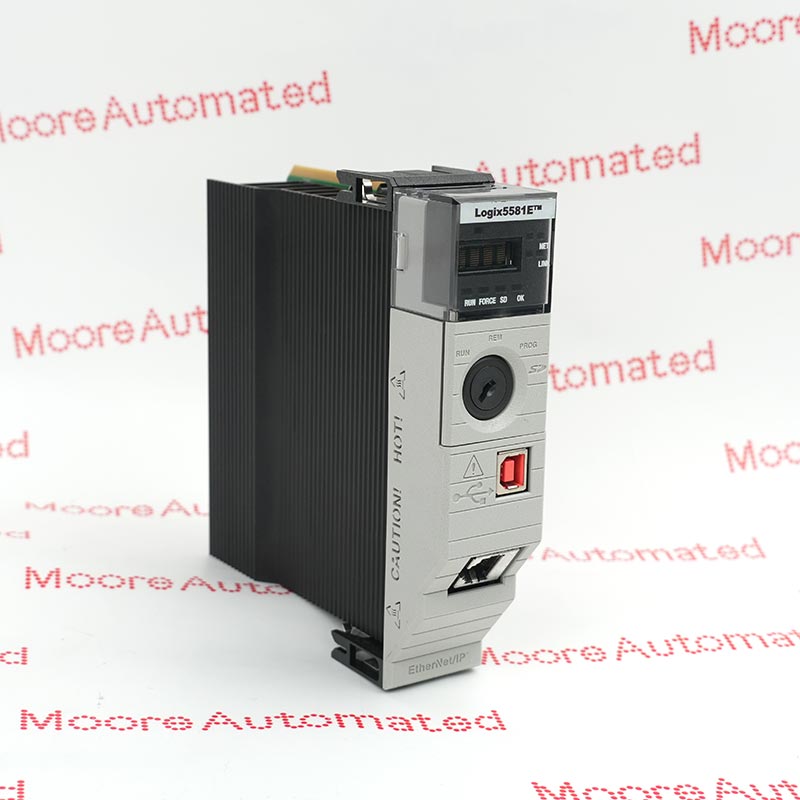
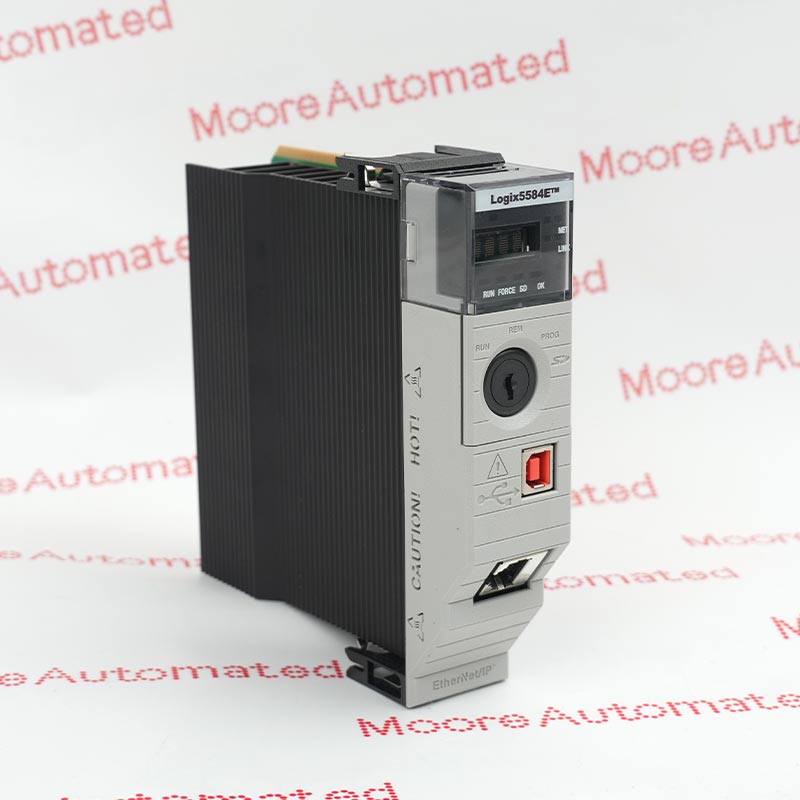
1756-L72 refers to the Allen-Bradley ControlLogix 5570 Programmable Automation Controller (PAC). The 1756-L72 is a rugged, standard controller whose high-performance chassis-mounted CPU module is designed for large-scale, discrete, motion, process, and high-availability industrial automation applications. This controller can handle up to 32 tasks, each executing up to 100 programs, enabling complex process control.
Active Mature / Available from OEM
Moore Automated supplies high-quality Allen-Bradley 1756-L72 controllers, replacement modules, and compatible spare parts for installed ControlLogix 5570 systems.
Our dependable sourcing and replacement solutions help customers maintain system availability and reduce unplanned downtime.

Registered Address: 32D Floor Guomao Building, No.388, Hubin South Road, Siming District, Xiamen,Fujian, China
MooreAutomated.com is the official website and primary online platform operated by Moore Automation Limited. The website provides information about the company’s industrial automation parts sourcing services, product coverage and customer support. Moore Automation Limited operates as an independent supplier and is not an authorized distributor or representative of the manufacturers displayed on this website unless expressly stated.