Overview
Manuals
Practical applications
Industry Deployment
Features:
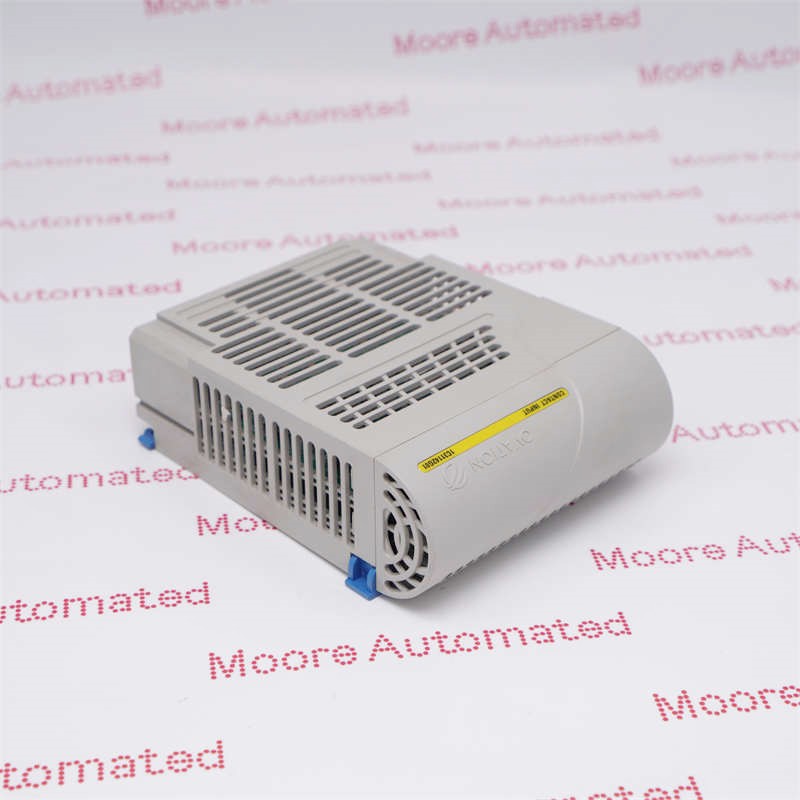
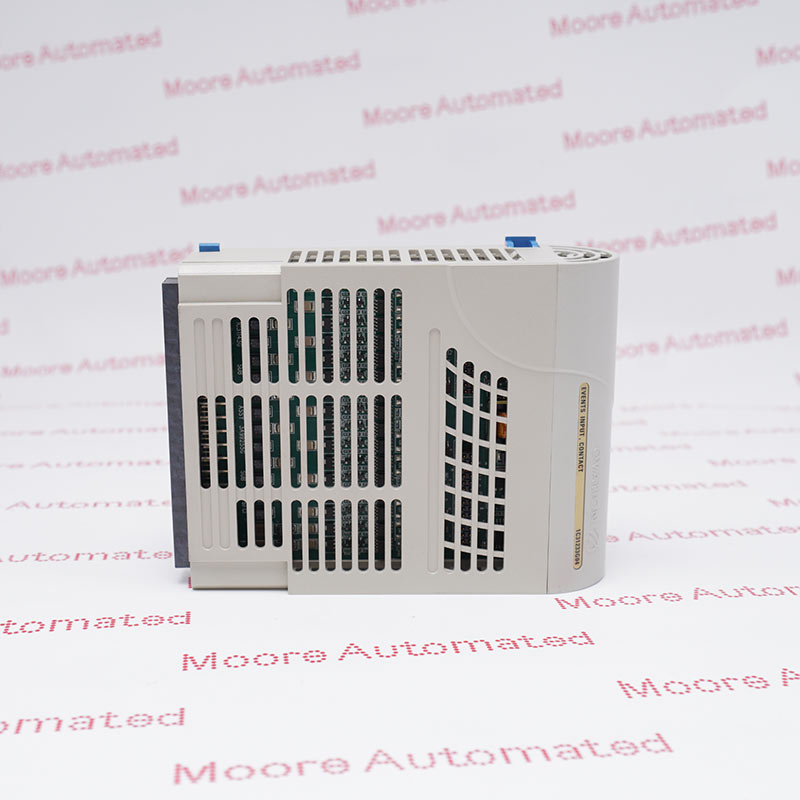
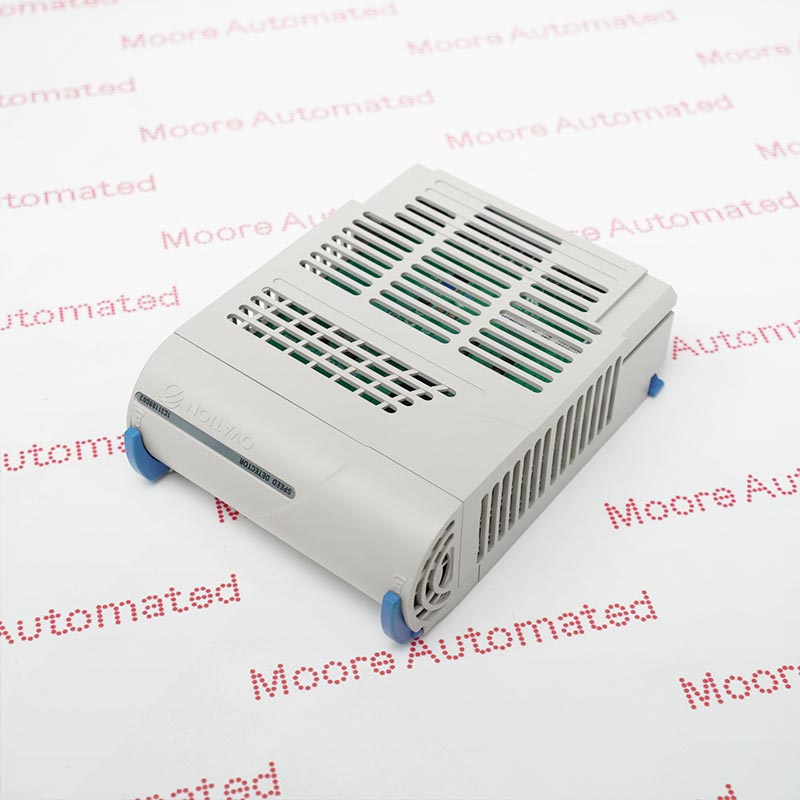
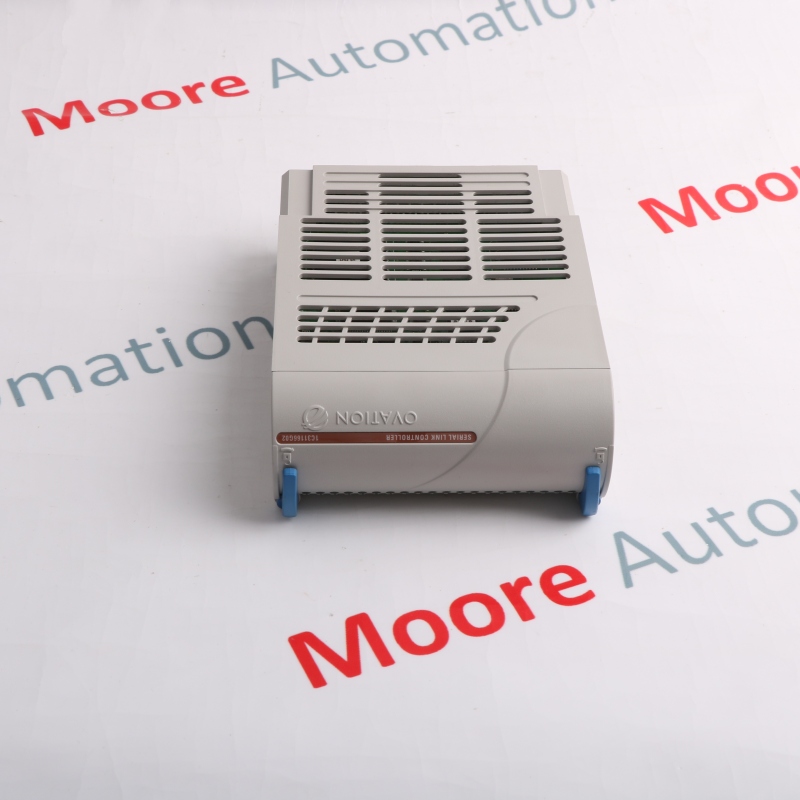
- EMOD ASSY, LINK CONTROLLER (R1120 CPU)
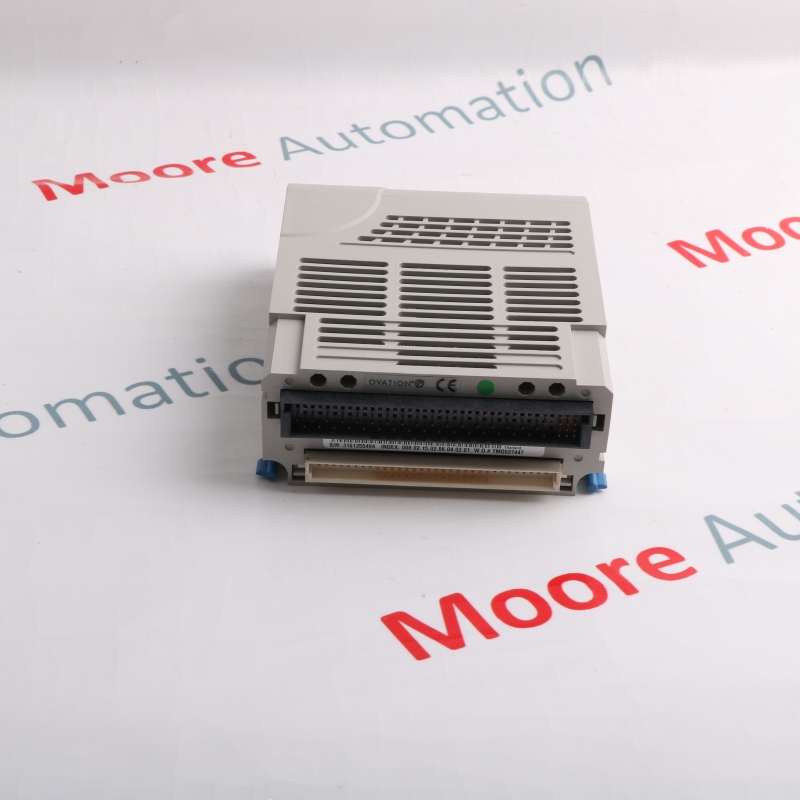
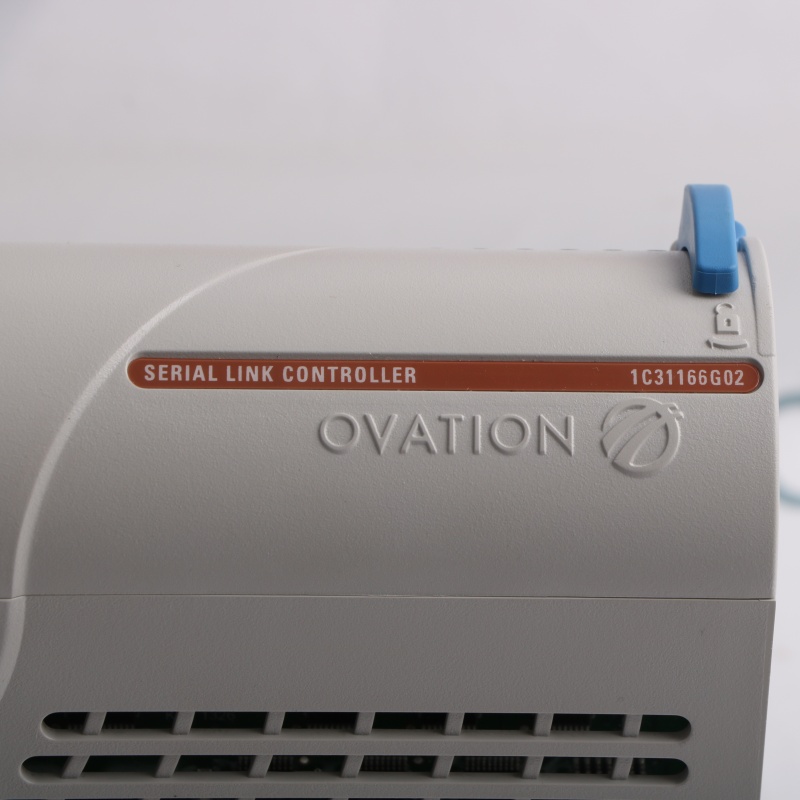
- Emerson ovation Westinghouse Serial Link Controller module
- It plays a crucial role in enabling communication between the control system and various external or field devices
The primary function of this module is to ensure reliable data transmission and seamless connectivity between core components of the Ovation network. It boasts strong compatibility, seamlessly connecting with various types of programmable logic controllers (PLCs) and input/output (I/O) modules, and supports multiple mainstream industrial communication protocols such as Modbus, DNP3, and PROFIBUS DP
In specific industrial applications, this module enables efficient control signal exchange, process data transmission, and system clock synchronization. It is equipped with an independent communication interface (typically supporting RS-232 or RS-485/RS-422 serial links), providing a high level of hardware fault tolerance and advanced fault diagnosis capabilities.
The 1C31166G02 Emerson Westinghouse Serial Link Controller Module may still be available for purchase and support from Moore Automated Company beyond End-Of-Life (EOL) by the manufacturer (OEM).
Emerson Westinghouse 1C31166G02 Serial Link Controller Module info(manual), Link
Important Notice: Other accessories, manuals, cables, calibration data, software, etc. are not included with this equipment unless listed in the above stock item description. All prices are shown in USD.
The 1C31166G02 module acts as a communication bridge between the lower-level bus and the upper-level control system. It interacts with the central processing unit (e.g., an R1120 CPU) via the Ovation system's internal I/O bus, utilizing its internal microprocessor to convert the DCS system's internal instructions into data packets specific to the serial link communication protocol. On the transmitting end, the module receives the CPU's control strategy, converts it into physical layer signals (e.g., RS-485 level signals), and drives these signals at high speed to send them to external serial devices. On the receiving end, the module physically isolates, reduces noise, and decodes the data transmission from the PLC or field smart instruments, then continuously sends the standardized field process variables back to the main controller, thus completing the closed-loop digital industrial control cycle.
- Power generation: Applied to fully coordinated boiler control, turbine governor devices, and continuous emission monitoring systems (CEMS).
- Water resource management: Applied to wide-area SCADA monitoring networks and municipal wastewater treatment plant automation systems.