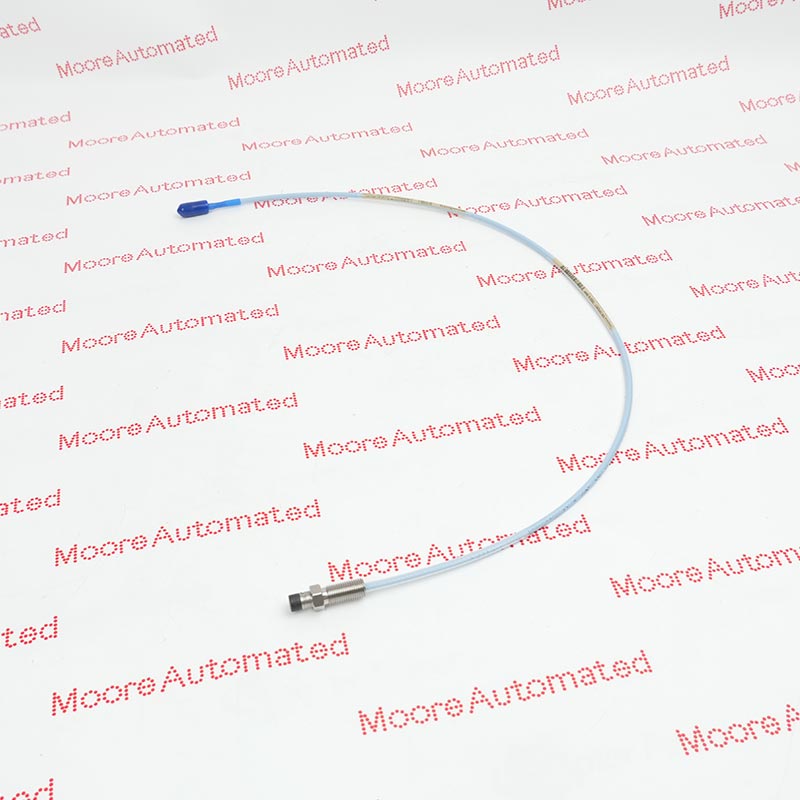
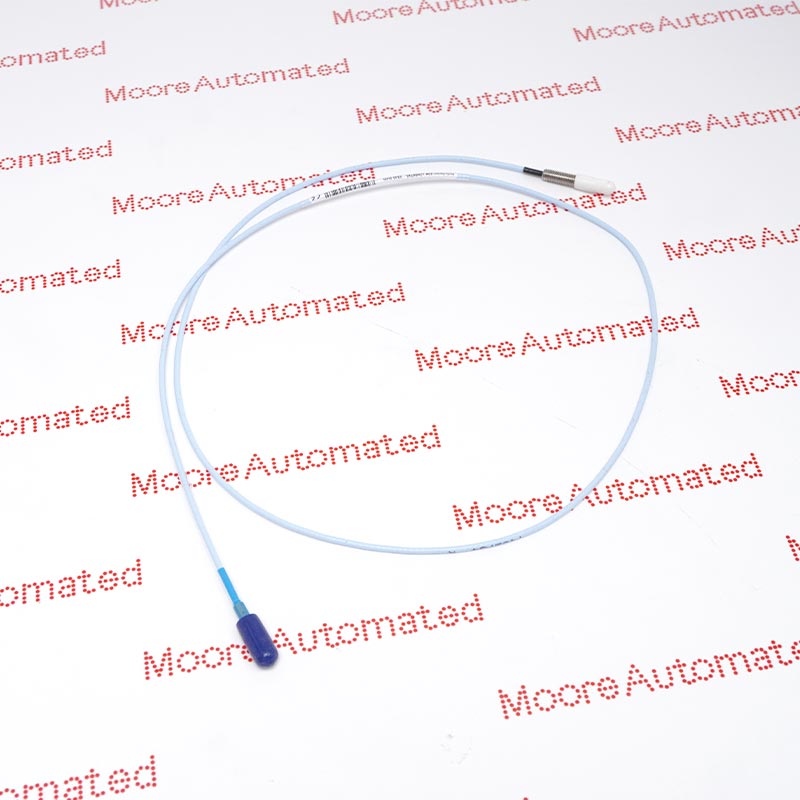
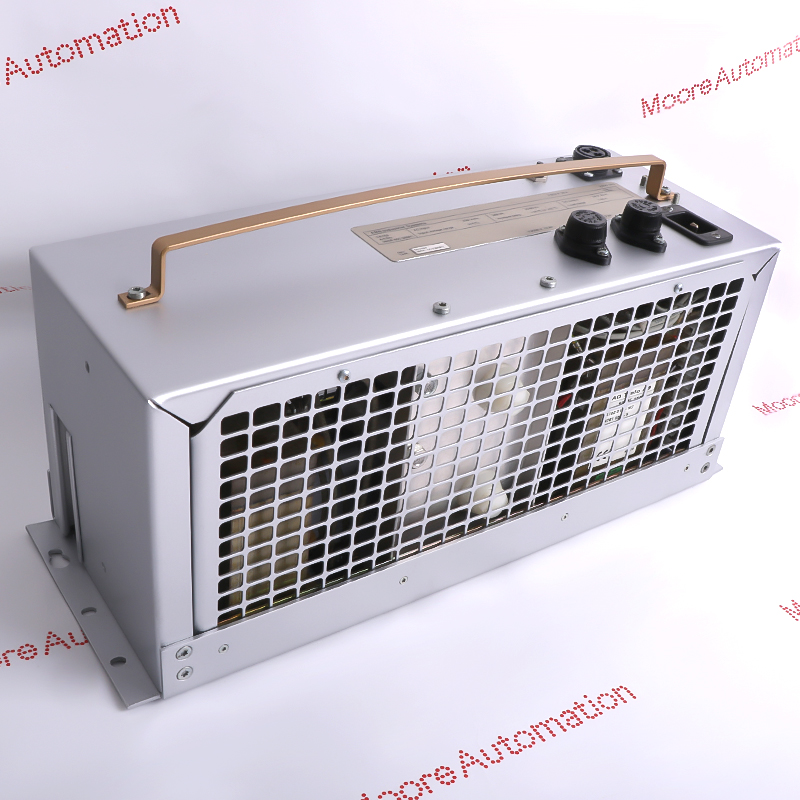
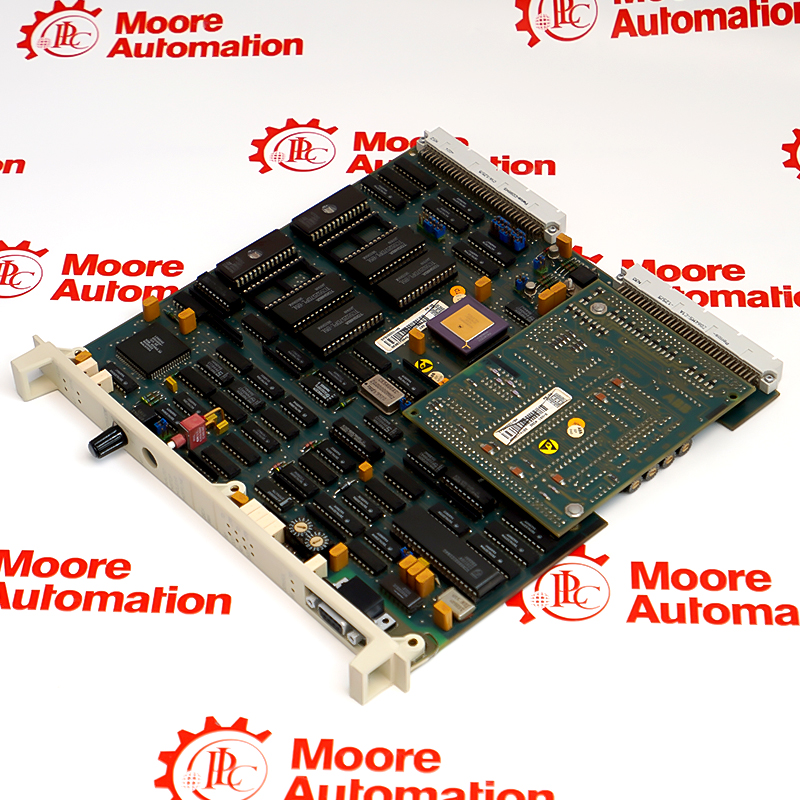
A20B-2003-0311 belongs to the Series 20 and is a sensor
card specifically designed for spindle drive applications
It is engineered to support a variety of signal types
including Z-phase and A/B sine-wave signals
What is the definitive system-level functional classification of the A20B-2003-0311 within a CNC control architecture?
How does the A20B-2003-0311 integrate into the broader numerical control ecosystem, and what role does it fulfill in terms of signal orchestration, axis control interfacing, or embedded logic coordination?
How does the A20B-2003-0311 implement high-integrity signal conditioning for industrial motion control environments?
In what manner does the A20B-2003-0311 ensure signal fidelity under high-noise machining conditions, particularly with respect to differential signal stabilization and electrical noise rejection?
What electronic subsystem topology governs the internal circuit segmentation of the A20B-2003-0311?
How is the A20B-2003-0311 architecturally partitioned in terms of power regulation domains, logic control layers, and I/O buffering stages to ensure deterministic CNC operation?
How does the A20B-2003-0311 achieve compatibility with FANUC CNC platform communication protocols?
Which proprietary or standardized industrial communication interfaces are supported by the A20B-2003-0311, and how does it manage deterministic data exchange within servo and spindle control loops?
What thermal dissipation strategy is engineered into the A20B-2003-0311 to ensure operational stability under continuous machining loads?
How does the A20B-2003-0311 regulate junction temperature distribution, and what passive or conductive cooling mechanisms are leveraged to maintain long-duration reliability?
How does the A20B-2003-0311 maintain electromagnetic resilience within high-power inverter-driven environments?
What design methodologies are embedded in the A20B-2003-0311 to mitigate EMI susceptibility generated by spindle drives, servo amplifiers, and switching power modules?
What diagnostic signaling or fault detection capabilities are inherently supported by the A20B-2003-0311?
Does the A20B-2003-0311 provide onboard fault monitoring, status flag propagation, or hardware-level self-verification mechanisms for predictive maintenance workflows?
For more information on how your data is processed and stored by Moore automated please read our privacy policy.
Trusted by 5,000+ plants worldwide | Backed by our vast inventory of top-tier control parts, drives and servo motors, fast shipments are dispatched to cover your urgent needs. ABOUT US >>
Moore Disclaimer: Moore Automated's sales automation equipment and related solutions are intended for industrial automation and business operational efficiency improvement purposes only. Product information, technical parameters, and application cases are for reference only and do not constitute an absolute guarantee of performance for any specific industry, scenario, or final application. Actual equipment performance may vary depending on factors such as the usage environment, system integration method, and maintenance conditions. Users should confirm compatibility and safety based on professional technical assessments. Moore Automated assumes no liability for any direct or indirect losses caused by improper use, modification, or failure to operate according to specifications, to the extent permitted by law.