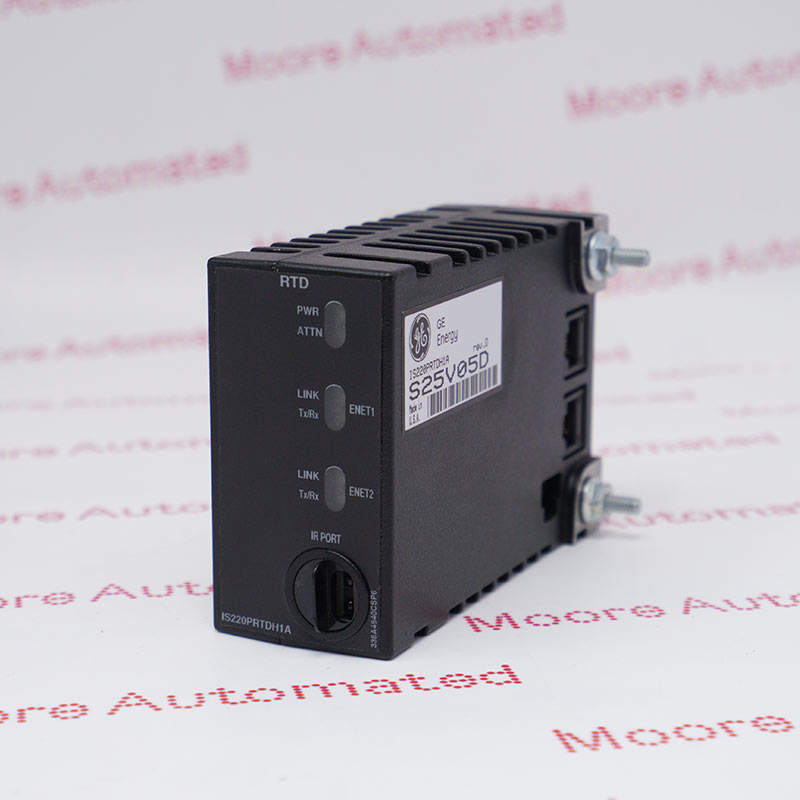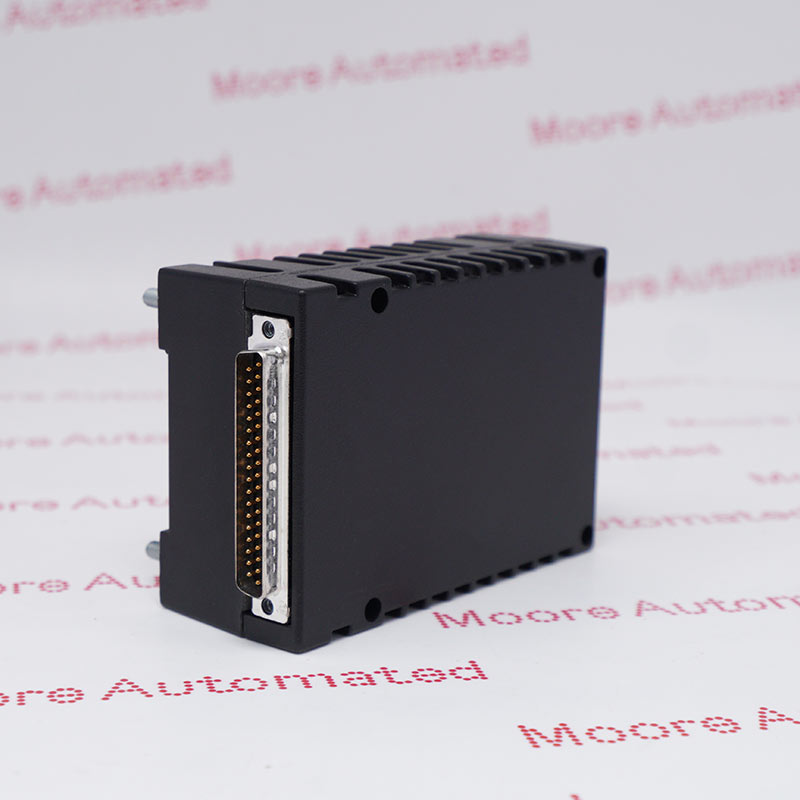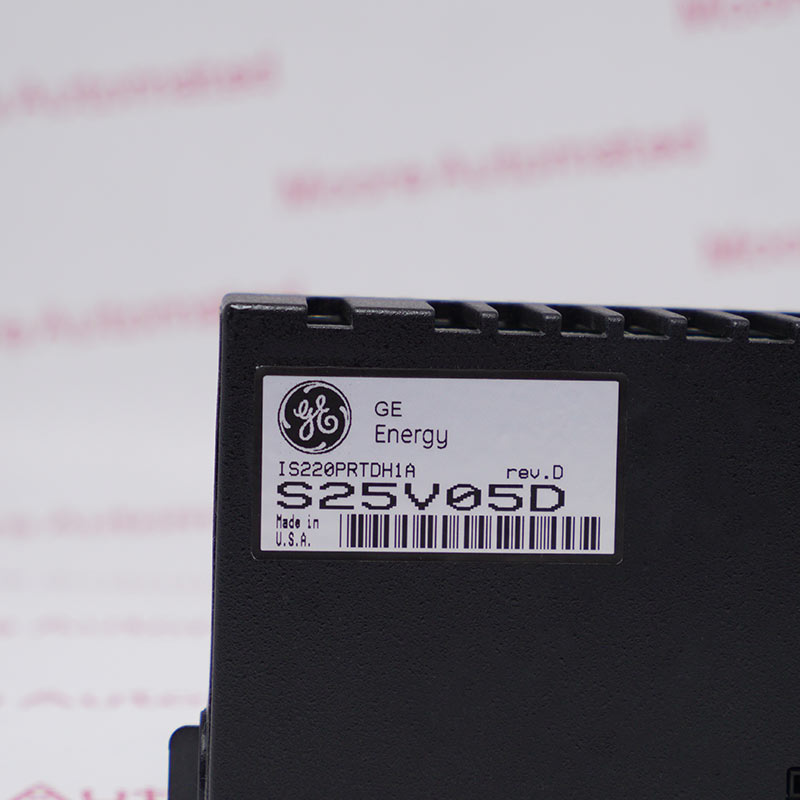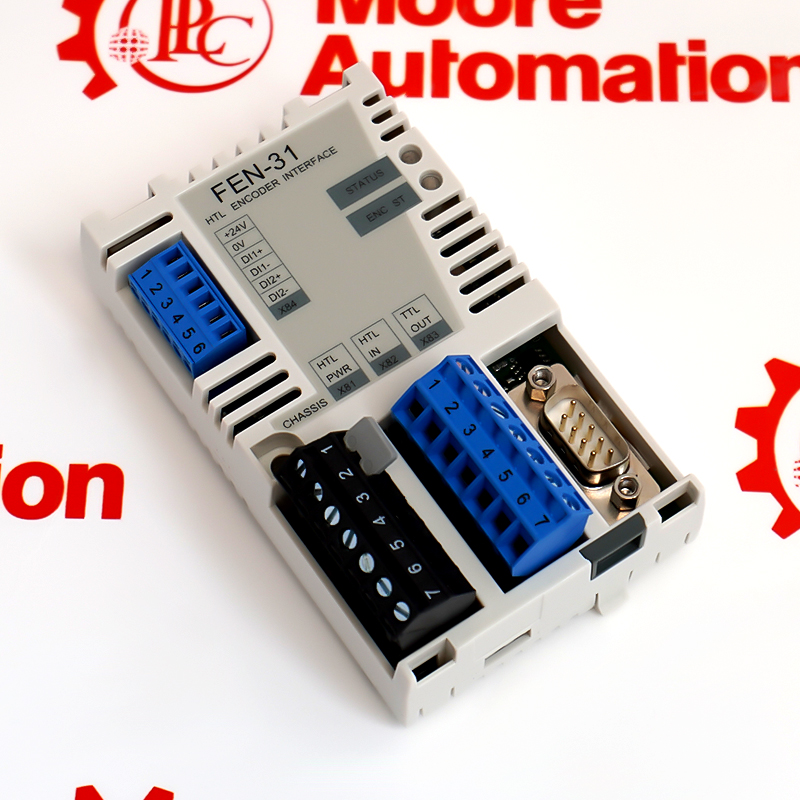
Resistance Temperature Device Input Module
part of GE’s Mark VIe Speedtronic system
one of the final Speedtronic systems available
Speedtronic line was created by GE
What fundamental operational role does the IS220PRTDH1A perform within a GE Mark VIe turbine control architecture?
The IS220PRTDH1A functions as a high-precision Resistance Temperature Detector (RTD) input I/O pack engineered for integration with the GE Mark VIe Speedtronic turbine control platform. Its principal responsibility is to acquire analog temperature signals from RTD sensors, perform high-resolution signal conditioning and digital conversion, and transmit the resulting data to the Mark VIe controller via redundant Ethernet communication channels.
How does the IS220PRTDH1A ensure high-accuracy temperature acquisition from industrial RTD sensors?
The IS220PRTDH1A achieves precise measurement by utilizing advanced signal conditioning circuits, high-resolution analog-to-digital conversion, and stable excitation currents applied to the RTD elements. These design features enable accurate conversion of resistance variations into temperature values while minimizing measurement drift and electrical noise interference.
Which RTD sensor configurations and resistance types are compatible with the IS220PRTDH1A?
The IS220PRTDH1A supports multiple RTD sensor technologies including platinum (Pt100), nickel, and copper RTDs. It is compatible with common industrial wiring configurations such as 2-wire, 3-wire, and sometimes 4-wire measurement topologies, enabling flexible deployment across diverse temperature monitoring applications.
How many temperature measurement channels can the IS220PRTDH1A process simultaneously?
The IS220PRTDH1A is capable of supporting up to eight RTD input channels within the I/O pack architecture. When used with compatible terminal boards, the system can expand measurement capabilities, allowing multiple RTD sensors to be monitored concurrently within turbine or process-control environments.
Why does the IS220PRTDH1A incorporate dual Ethernet interfaces, and what operational advantages do they provide?
The IS220PRTDH1A integrates two independent RJ-45 Ethernet ports designed for IONet communication within the Mark VIe network. These redundant communication interfaces enhance system reliability by ensuring continuous data transmission even if one network path fails, thereby improving fault tolerance and operational availability in critical control systems.
What electrical operating parameters define the power requirements of the IS220PRTDH1A?
The IS220PRTDH1A typically operates with a nominal supply voltage of approximately 28 VDC, with an acceptable operating range of about 27.4–28.6 VDC, and a maximum current consumption near 0.24 A. These specifications ensure stable performance while maintaining low power consumption within industrial control cabinets.
How does the IS220PRTDH1A maintain signal integrity under industrial electromagnetic conditions?
The IS220PRTDH1A incorporates high input impedance, common-mode noise rejection, and isolation mechanisms to mitigate electromagnetic interference and ground loop effects. These electrical protections enable the module to deliver stable temperature data even in environments characterized by heavy electrical equipment and high EMI levels.
For more information on how your data is processed and stored by Moore automated please read our privacy policy.
Trusted by 5,000+ plants worldwide | Backed by our vast inventory of top-tier control parts, drives and servo motors, fast shipments are dispatched to cover your urgent needs. ABOUT US >>
Moore Disclaimer: Moore Automated's sales automation equipment and related solutions are intended for industrial automation and business operational efficiency improvement purposes only. Product information, technical parameters, and application cases are for reference only and do not constitute an absolute guarantee of performance for any specific industry, scenario, or final application. Actual equipment performance may vary depending on factors such as the usage environment, system integration method, and maintenance conditions. Users should confirm compatibility and safety based on professional technical assessments. Moore Automated assumes no liability for any direct or indirect losses caused by improper use, modification, or failure to operate according to specifications, to the extent permitted by law.