


Registered Address: 32D Floor Guomao Building, No.388, Hubin South Road, Siming District, Xiamen,Fujian, China
ISO 9001:2015 Certified
Our quality management system covers sourcing,testing and dispatch
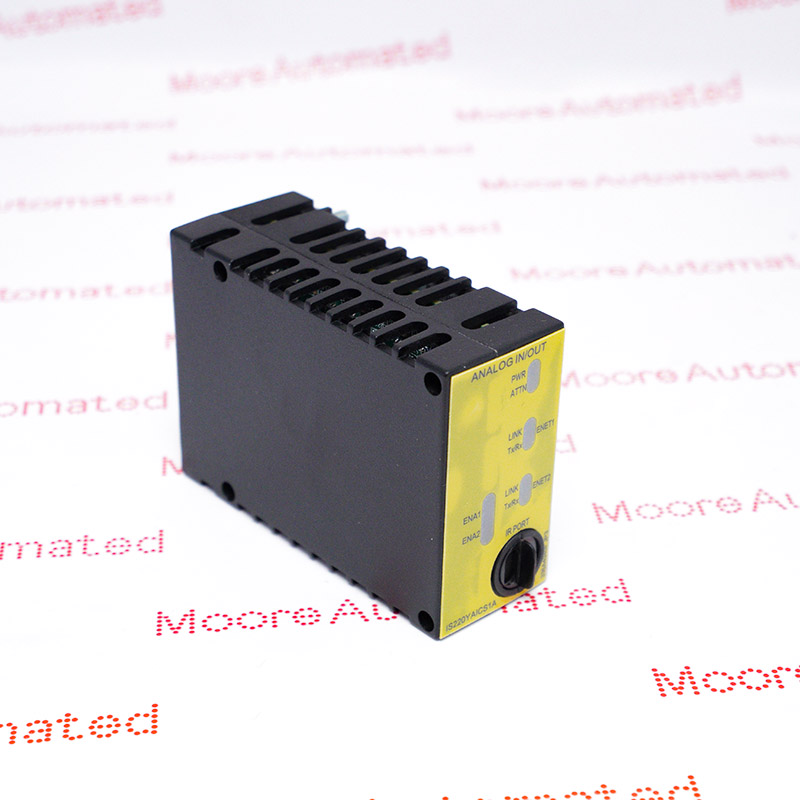
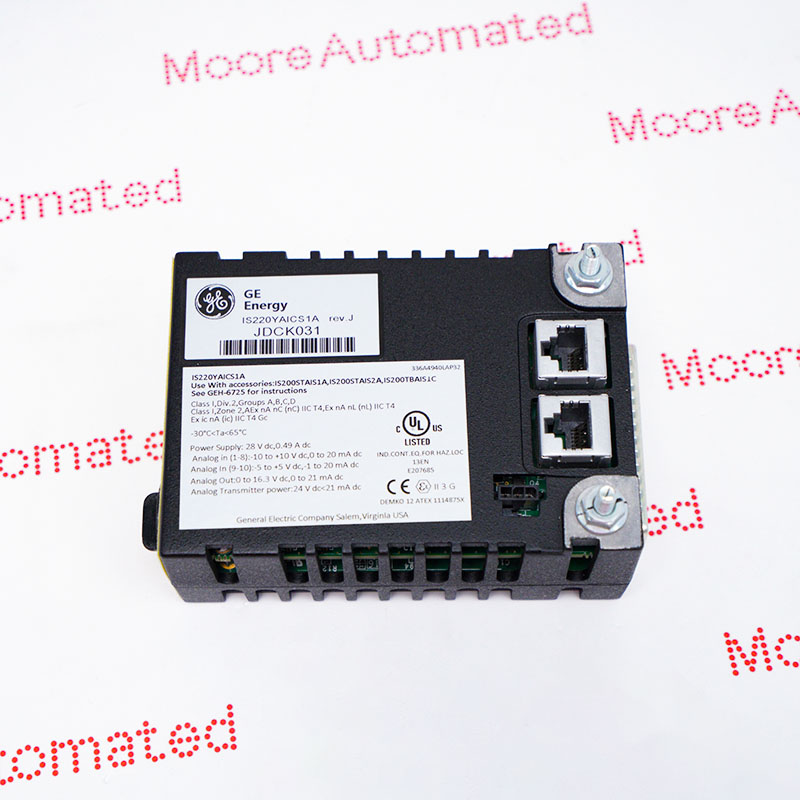
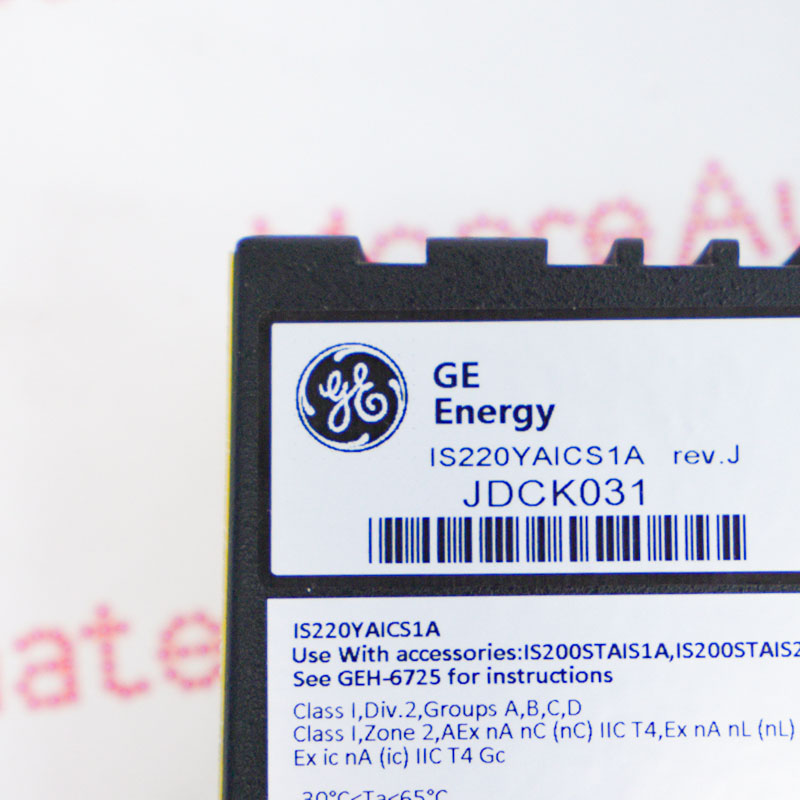
The GE IS220YAICS1A is a dedicated safety analog input/output (I/O) module. Designed specifically for Mark VIeS functional safety systems, it manages high-risk industrial operations such as steam/gas turbine control, emergency shutdown (ESD), and critical process protection circuits. Unlike standard Mark VIe control modules, the YAIC sub-series modules are meticulously designed, audited, and rigorously certified to meet SIL 2 and SIL 3 (Safety Integrity Level) safety requirements.
It can be used with a variety of dedicated safety junction boxes, such as the IS200STAIS1A or IS200TBAIS1C, providing explosion-proof and safety interlock protection in harsh industrial environments ranging from -40°C to +70°C.

Registered Address: 32D Floor Guomao Building, No.388, Hubin South Road, Siming District, Xiamen,Fujian, China
MooreAutomated.com is the official website and primary online platform operated by Moore Automation Limited. The website provides information about the company’s industrial automation parts sourcing services, product coverage and customer support. Moore Automation Limited operates as an independent supplier and is not an authorized distributor or representative of the manufacturers displayed on this website unless expressly stated.