Overview
Manuals
Important Notes
System Functionality
Features:
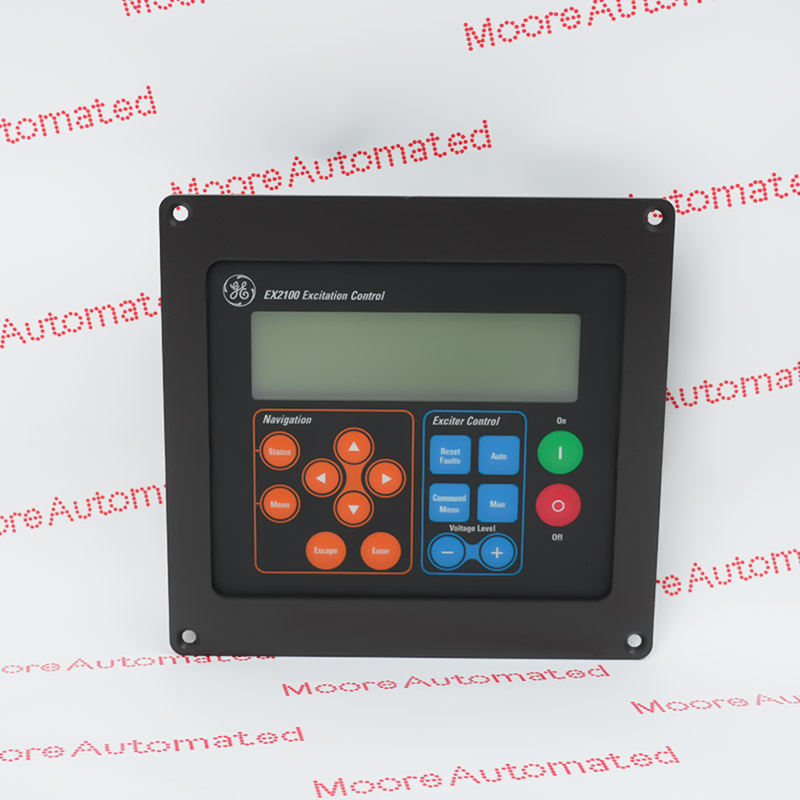
- Allowing operators to adjust generator field voltage and set excitation levels manually
- Displaying real-time generator values (voltage, current, speed) and active alarm data
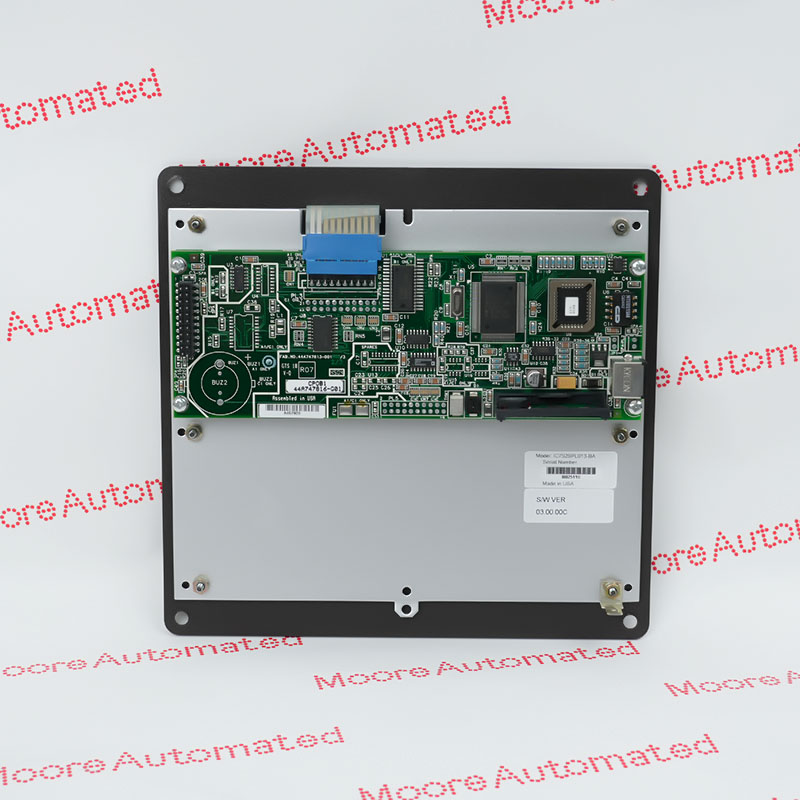
- Uses a built-in standard RS-232 serial link to communicate back to the core excitation processors
The main function of this module is to provide on-site maintenance personnel with direct local operation permissions, enabling users to manually adjust generator excitation parameters, switch operating states, and trigger local control modes without relying on the host computer.
This interface panel integrates control buttons designed specifically for harsh industrial environments, featuring extremely high electrical protection levels and anti-interference capabilities. It supports multi-dimensional core data interaction and system self-diagnostic prompts. Through the onboard display unit or a communication link connected to the main controller, it can reflect fluctuations in key indicators such as excitation current, voltage, and frequency in real time. When abnormal faults such as overexcitation, underexcitation, or overheating occur, it will issue a local alarm, and the status indicator lights on the keypad will illuminate.
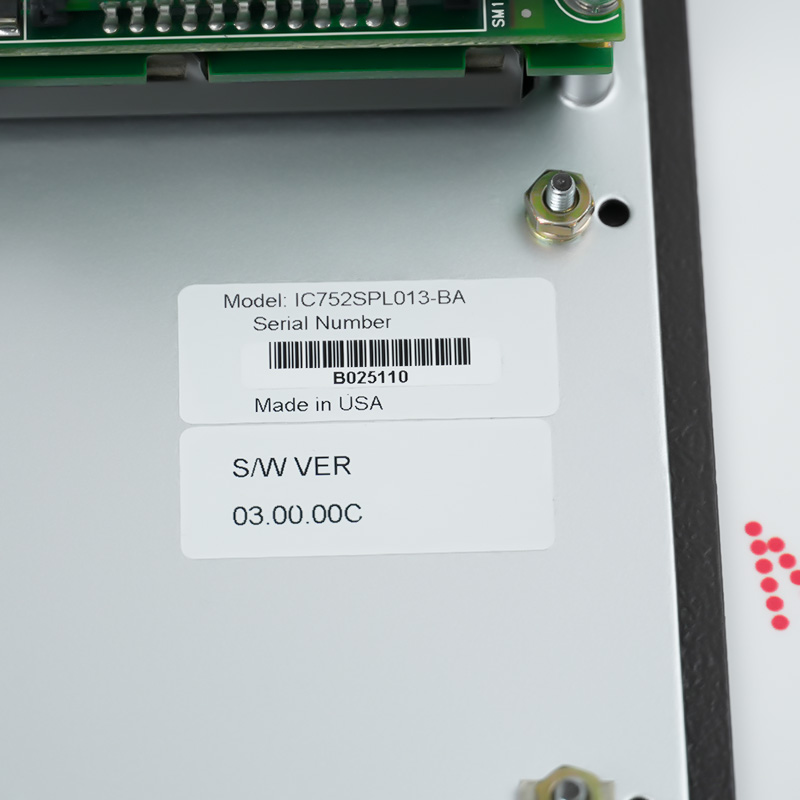
The IC752SPL013 General Electric Interface Panel Keypad Assembly may still be available for purchase and support from Moore Automated Company beyond End-Of-Life (EOL) by the manufacturer (OEM).
General Electric IC752SPL013 Interface Panel Keypad Assembly INFO(manual), Link
Important Notice: Other accessories, manuals, cables, calibration data, software, etc. are not included with this equipment unless listed in the above stock item description. All prices are shown in USD.
The IC752SPL013 interface panel primarily operates based on matrix keypad hardware scanning, signal isolation and conversion, and an industrial bus closed-loop communication mechanism.
When the operator presses a specific control key on the panel (e.g., increasing/decreasing excitation current or switching channels), the onboard low-power microprocessor immediately captures the corresponding matrix row and column level changes and converts them into standardized digital control commands through hardware debouncing.
These commands are then uploaded in real-time to the EX2100 main controller via an integrated industrial communication interface (e.g., RS485 or high-speed Ethernet), enabling it to execute the core excitation regulation algorithm.
Simultaneously, the panel receives feedback data streams from the main control system in real-time through onboard circuitry, driving local indicator lights and updating the keypad status, thereby establishing a highly reliable bidirectional data link between field physical operations and the back-end high-speed control system.
This module serves as a local human-machine interface (HMI) for operators to monitor and configure generator operation. It handles high-priority local operations such as:
1. Command Input: Allows operators to manually adjust the generator excitation voltage and set the excitation level.
2. Real-time Data Monitoring: Displays real-time generator parameters (voltage, current, speed) and alarm data.
3. Field Maintainability: This component is designed as a field-replaceable unit, meaning it can be plugged in or replaced without completely shutting down the EX2100 excitation cabinet.