

Registered Address: 32D Floor Guomao Building, No.388, Hubin South Road, Siming District, Xiamen,Fujian, China
ISO 9001:2015 Certified
Our quality management system covers sourcing,testing and dispatch
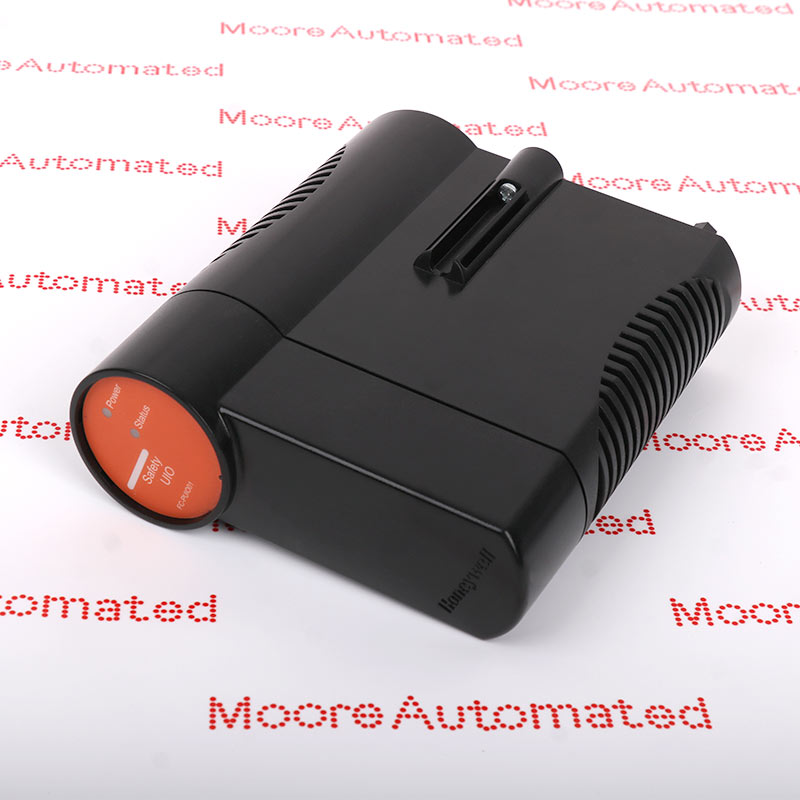
Honeywell identifies CC-INWM01 as the main module of its Control Network Module (CNM). The main module provides four 10/100/1000 Mbps copper/fiber combo downlinks and one gigabit combo uplink. An optional CC-INWE01 expansion adds eight more downlinks; the 12-downlink total is for the combined assembly. Verify mode, mounting, media and connected Honeywell system before procurement.
Honeywell's Control Network Module note identifies CC-INWM01 as the main unit and CC-INWE01 as a distinct expansion. The main unit provides four copper/fiber combo downlink ports operating at 10/100/1000 Mbps plus one gigabit combo uplink. It can be used alone in the documented configuration, while the expansion adds eight more downlinks for a 12-downlink assembled solution. The physical port count therefore depends on what modules are supplied and installed. Verify any required small-form-factor transceivers and media reach separately rather than treating every optional fiber distance in the CNM note as a bundled capability of this main module.
The main module's selector sets one of Honeywell's documented Level 1 integration topologies for process and safety use. The product note describes CCA and DIN-rail mounting, safe or suitable hazardous-area cabinets and ruggedized CNM environmental operation. None of that removes the need to check the installed cabinet, applicable release, IOTA, companion expansion, power arrangement and change procedure. Before replacement, record mode, physical labels, port mapping, uplink and downlink media, connected devices and baseline diagnostics. After authorized work, verify the CNM status, each active network path and all affected controller or safety communications under the site's acceptance plan.
Honeywell's model table names CC-INWM01 Network Module – Main. It can form the core of the CNM arrangement and carries the documented topology selector. CC-INWE01 is a separately named expansion, so a main-module listing must not suggest that the expansion is included. Confirm physical labeling, revision, appropriate IOTA or DIN-rail mount and cabinet design for the installed Honeywell Level 1 network before procurement.
The manufacturer states that the main module accommodates four 10/100/1000 Mbps copper/fiber combo downlink ports and one gigabit combo uplink. Adding the optional expansion increases downlink count to 12 for the combined assembly. Those numbers should be kept separate on a single-item product page. Confirm transceiver, cable and peer compatibility for each active port rather than inferring all fiber media or distances are available without the specified SFP hardware.
The CNM note describes selectable Level 1 topologies for process IO HIVE and safety systems. The main module's selector restricts communication according to the chosen mode. Confirm the actual connected controller or safety platform, cabinet, mounting, media and software release against current Honeywell guidance before a change. Record existing switch position and network diagnostics, then test all affected communications after authorized installation.
Check the CC-INWM01 physical marking, hardware revision and installed CNM arrangement. Identify the main module's one gigabit combo uplink, four combo downlinks, selected mode, IOTA or DIN-rail mount, cabinet and connected Honeywell system. If an expansion is present, identify CC-INWE01 separately and map its eight additional ports. Verify copper/fiber media and any SFP selection against Honeywell's part list; do not assume a bare main-module spare includes the expansion or every transceiver.
Record the selected topology, all port-to-peer assignments, cable and SFP types, baseline link status and network diagnostics before authorized replacement. Confirm the installed process or safety-system release and follow current Honeywell and site change-control instructions. Install the verified main-module revision and restore the same approved mode, mounting and cabling. Then check module health, uplink, four main downlinks, any expansion downlinks and every affected controller or safety communication path. Escalate mismatches before releasing the network to service.

Registered Address: 32D Floor Guomao Building, No.388, Hubin South Road, Siming District, Xiamen,Fujian, China
MooreAutomated.com is the official website and primary online platform operated by Moore Automation Limited. The website provides information about the company’s industrial automation parts sourcing services, product coverage and customer support. Moore Automation Limited operates as an independent supplier and is not an authorized distributor or representative of the manufacturers displayed on this website unless expressly stated.