Registered Address: 32D Floor Guomao Building, No.388, Hubin South Road, Siming District, Xiamen,Fujian, China
ISO 9001:2015 Certified
Our quality management system covers sourcing,testing and dispatch

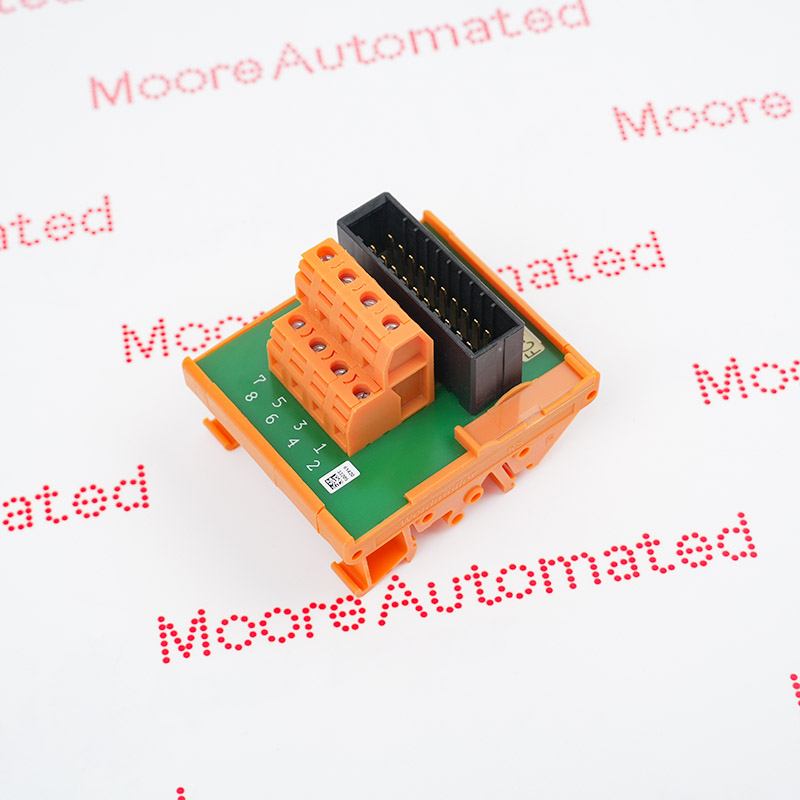
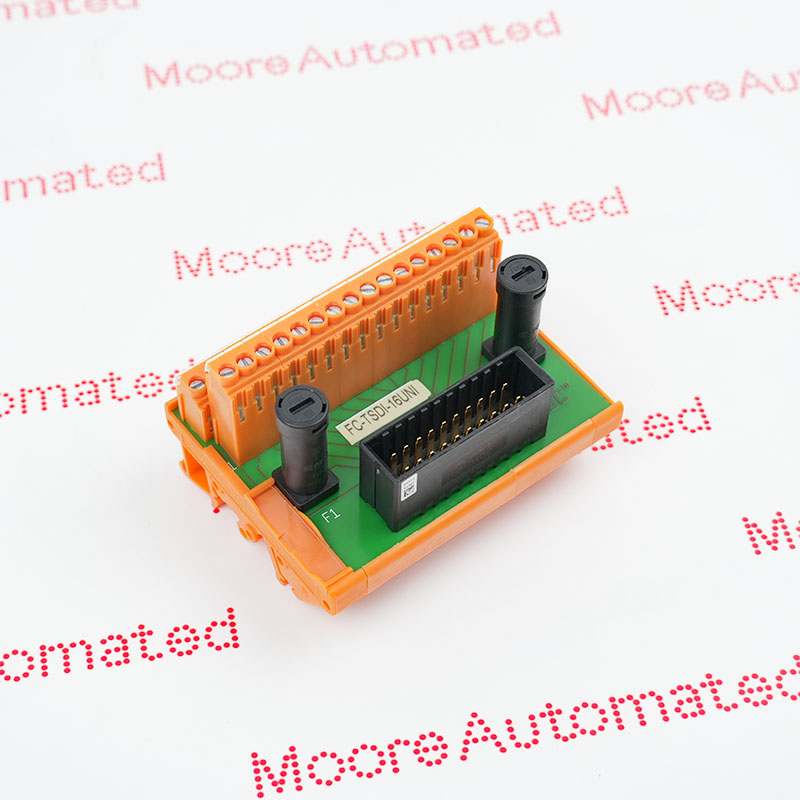
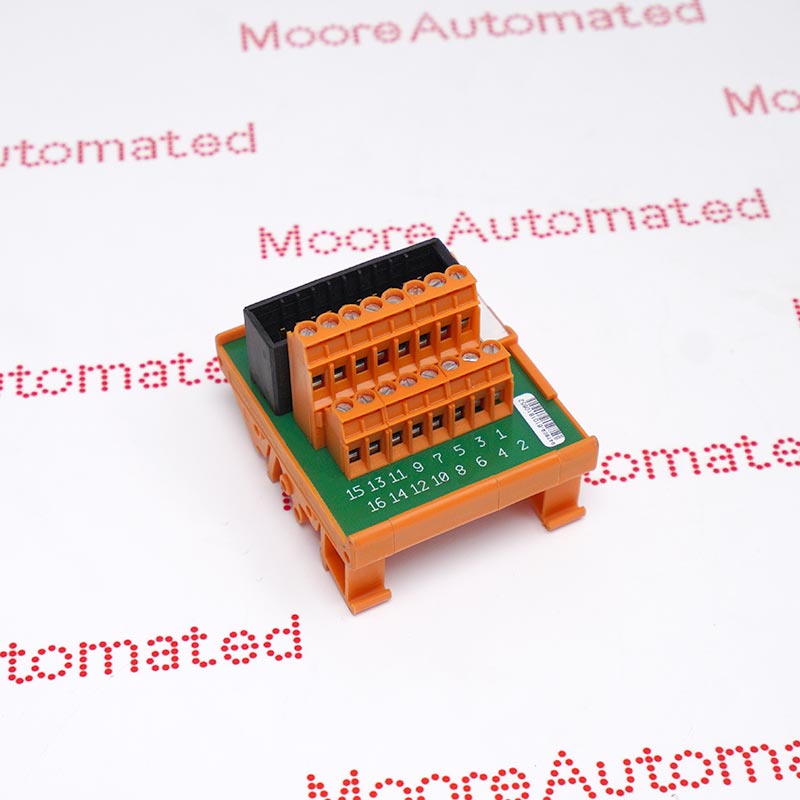
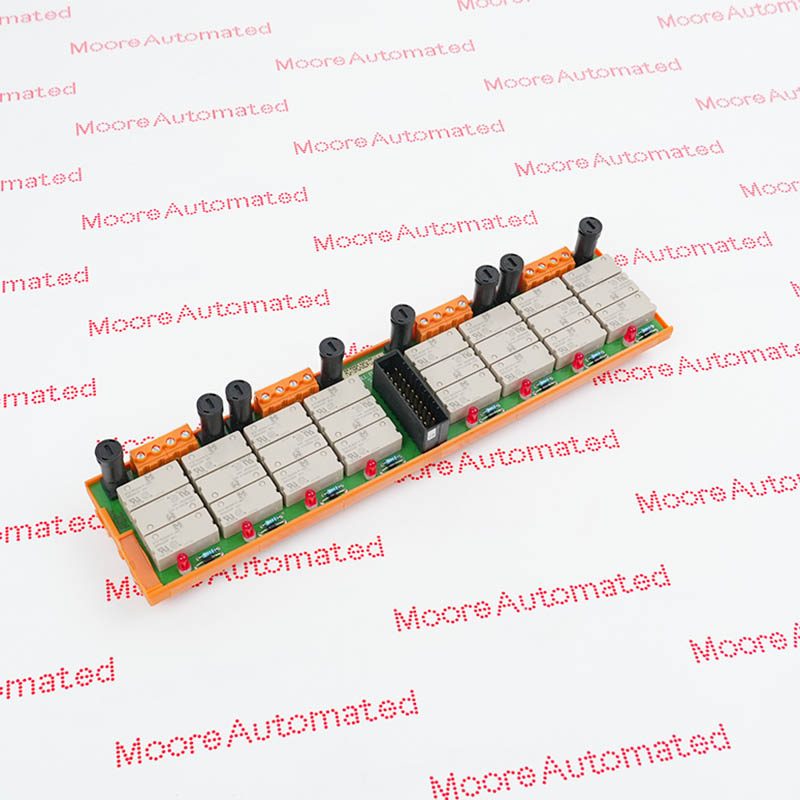
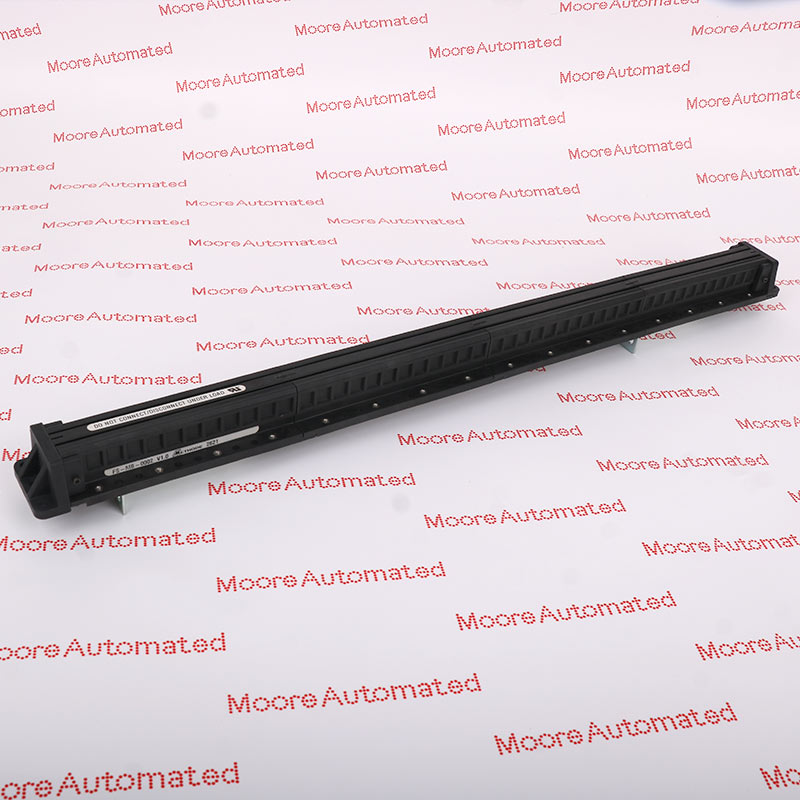
Honeywell lists CC-TNWD01 as the DIN-rail I/O Termination Assembly for its Control Network Module (CNM) family. The main network module CC-INWM01 and optional expansion CC-INWE01 are separate model entries. This IOTA is mounting/interface hardware, not an independent controller or multiport switch. Confirm the rail, cabinet and companion CNM modules before replacement.
Honeywell's 2022 CNM model table distinguishes the DIN-rail IOTA CC-TNWD01 from the network electronics. CC-INWM01 is the main module and CC-INWE01 is the optional expansion; CC-TNWC01 is another listed IOTA for a different mounting arrangement. The CNM illustration shows the DIN-rail configuration, but the table does not give standalone CC-TNWD01 switching capacity, port count or control-software capability. Those functions belong to the specified modules assembled with the IOTA. A purchase of this single catalog item should therefore not be represented as a complete 12-port CNM or an independent communication controller.
Before replacement, document the exact physical label, cabinet and DIN-rail layout, connected main and expansion modules, power and communications cabling, and existing mounting hardware. Compare the actual rail and installation details with current Honeywell instructions for the site's process or safety system. The cited presentation does not state packed dimensions, weight, power rating or a universal environmental classification for the bare CC-TNWD01 IOTA. Follow site isolation and change-control rules before disturbing a live network assembly. After authorized installation, inspect mechanical retention and cabling, then verify the companion CNM modules' diagnostics and each affected network link under the approved test plan.
Honeywell's model table calls CC-TNWD01 a Network Module IOTA - DIN Rail. The letters and model number matter: this is a specific CNM interface/mounting component, not the separately listed main network module. Check the physical label and current parts record. The same slide lists another IOTA, CC-TNWC01, but does not authorize substitution between mounting types without comparing the site cabinet and approved design.
The manufacturer lists CC-INWM01 as the main CNM network module and CC-INWE01 as its expansion. A complete network installation may include those separate electronic modules, whereas CC-TNWD01 identifies the DIN-rail IOTA. Do not attach the assembled CNM's uplink, downlink counts, mode selector or throughput to this passive interface alone. Establish exactly which pieces the buyer needs and which are already installed before quoting or fitting a spare.
Honeywell illustrates a DIN-rail-mounted CNM assembly, but the reviewed presentation does not establish a universal rail/cabinet fit or standalone IOTA electrical ratings. Compare rail type, available space, module arrangement, cabling and enclosure requirements to site drawings and current manufacturer instructions. Preserve the original network topology and safety procedures during an approved exchange, then verify secure mounting and all affected communications through the companion modules.
Confirm CC-TNWD01 on the physical IOTA and compare it with the installed DIN-rail mounting arrangement and Honeywell CNM parts list. Identify the companion CC-INWM01 main module and any CC-INWE01 expansion separately. Check rail profile, cabinet space, cable routing, module retention and the current release-specific installation instructions. The 2022 model table does not turn this IOTA into an independent network device and does not state standalone CC-TNWD01 port count or control capacity.
Before disturbing the assembly, record each installed module, rail position, cabling, mode and active network link. Follow the applicable Honeywell and site isolation/change procedure for the process or safety system. Install the verified IOTA and restore the documented mechanical and electrical connections without swapping the main or expansion modules inadvertently. Afterward confirm secure DIN-rail retention, module health, uplink and downlink communications, diagnostics and every affected controller or safety network path.

Registered Address: 32D Floor Guomao Building, No.388, Hubin South Road, Siming District, Xiamen,Fujian, China
MooreAutomated.com is the official website and primary online platform operated by Moore Automation Limited. The website provides information about the company’s industrial automation parts sourcing services, product coverage and customer support. Moore Automation Limited operates as an independent supplier and is not an authorized distributor or representative of the manufacturers displayed on this website unless expressly stated.