



Assess ABB Advant OCS support, spare parts and migration options. Build an installed-base record and plan changes around controller, I/O and network needs.
Editorial update · 3 September 2026 · Moore Automated
Keep what works.
Plan what must change.
An aging DCS does not need a one-size-fits-all replacement. Begin with a clear picture of the installed system, support constraints and the plant’s next maintenance window.
Define the system boundary
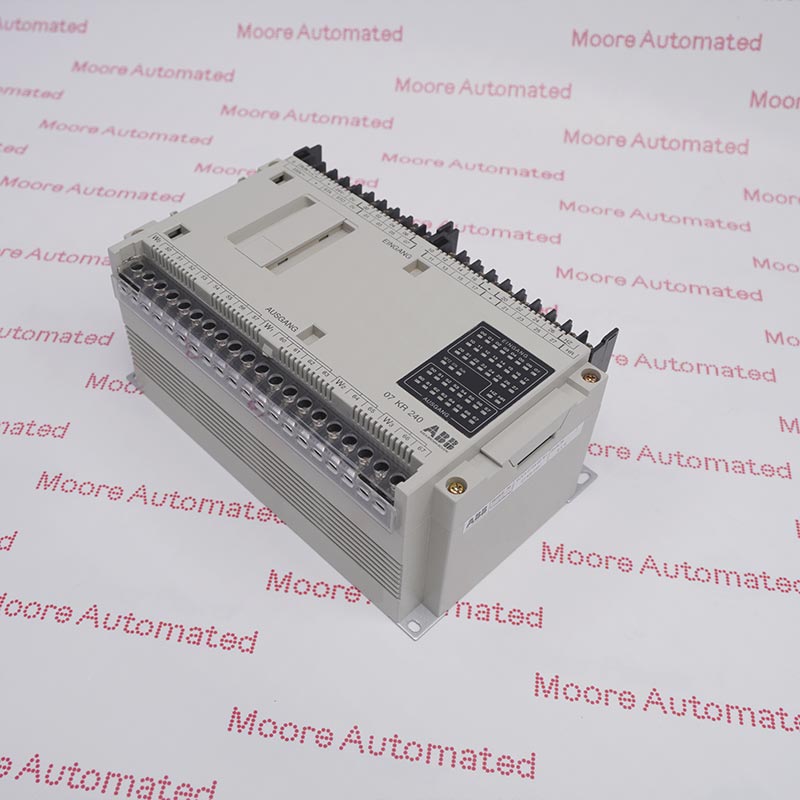
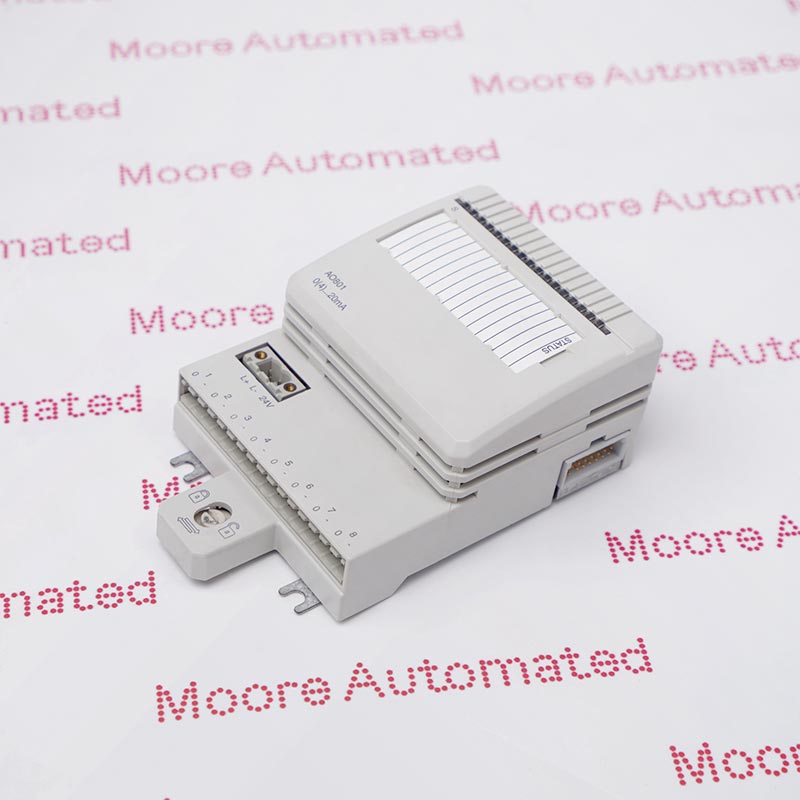
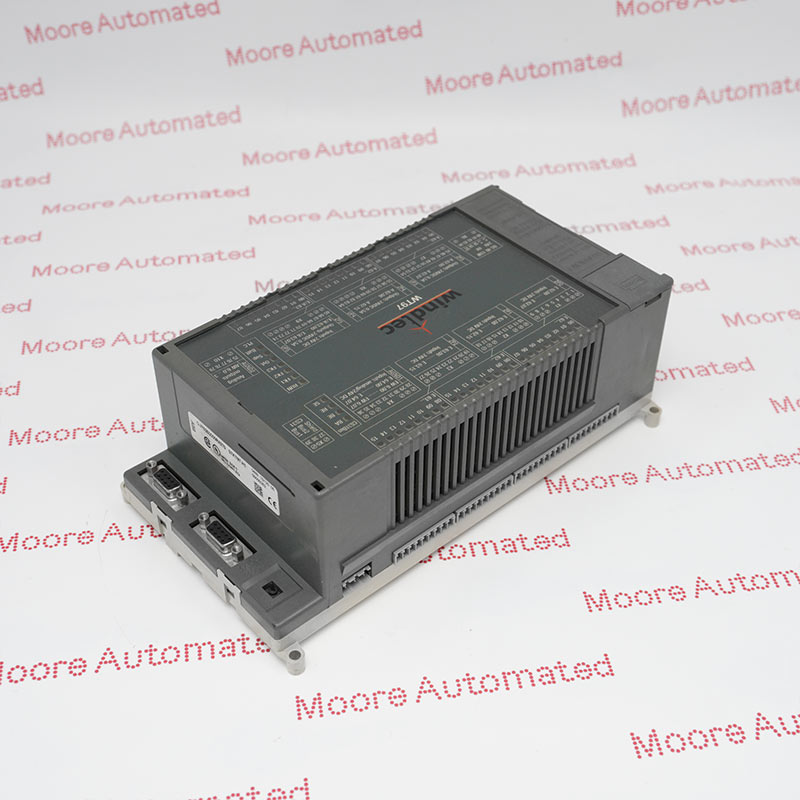
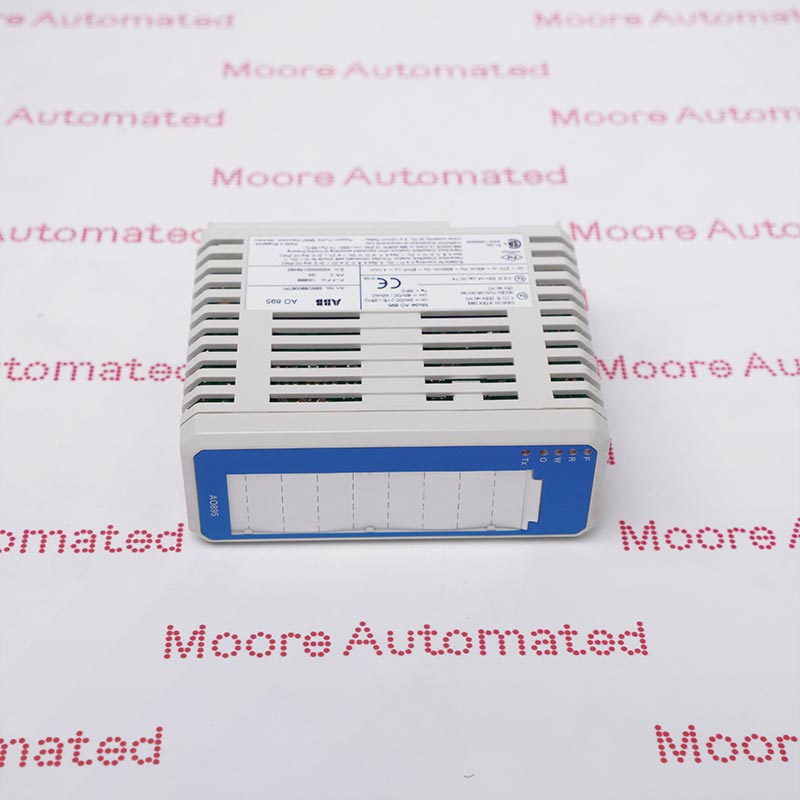
The name ABB Advant OCS covers a system context, not a single interchangeable set of parts. Establish whether the installation uses Advant OCS with Master, MOD 300 or another documented configuration. Record controllers, operator stations, engineering tools, I/O and networks separately before browsing ABB Advant OCS spare parts.
One controlled asset record
Use cabinet labels and approved drawings to reconcile what is installed with what the maintenance database says is installed.
Separate condition, support and recoverability
A system can be running normally while its recovery plan is weak. Conversely, an older module may remain usable in an adequately supported application. Assess equipment condition, documented manufacturer support and the ability to restore the system as three separate questions. Do not assign an end-of-support date to every Advant component based on the platform name alone.
Condition evidence
Review recurring alarms, environmental observations, maintenance history and inspection records. Escalate signs of overheating, contamination or unstable operation through the site’s maintenance process.
Recovery evidence
Locate verified backups, matching engineering tools and documented restoration steps. Record who owns the recovery task and which parts or licenses could delay it.

Choose a practical modernization boundary
| Planning route | When to investigate it | Evidence required |
|---|---|---|
| Maintain the installed system | The application remains suitable and recovery risks can be controlled. | Confirmed support position, maintainable equipment and a credible spares plan. |
| Modernize a defined layer | An operator station, controller section or interface is becoming the limiting factor. | A documented integration path, version compatibility and a commissioning plan. |
| Migrate a larger scope | Support, cybersecurity, capacity or operational requirements cannot be met within the existing architecture. | Requirements, I/O mapping, application conversion, testing, shutdown and rollback plans. |
ABB documentation describes specific integration options between Advant Master installations and System 800xA. For example, historical System 800xA 5.1 documentation describes CI855 connectivity to the MasterBus 300 context. This is evidence that staged integration can exist—not approval to use any interface with any controller or software release. Obtain the current, application-specific engineering path before selecting hardware.
Make spare-parts purchasing support the plan
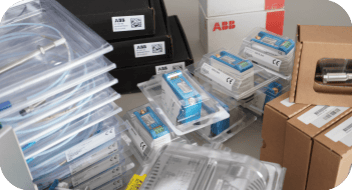
- Identify which spare supports which installed cabinet and approved hardware revision. Avoid a warehouse list that has no link to the installed base.
- Agree storage and periodic verification requirements for electronics, batteries and recovery media according to the relevant documentation.
- When requesting alternatives, distinguish a like-for-like spare from a proposed engineered migration. Ask suppliers to state the exact scope of any compatibility claim.
- Confirm the offered unit, condition, included base or accessories, inspection evidence, commercial terms and shipping date in writing.
The ABB catalogue supports broader parts searches, while the AC 800M and PM860AK01 comparison guide explains why model-level capabilities matter. Use both alongside the installed-system record.
One installed system.
A staged path forward.
Define the installed base before choosing which layer to retain, support or modernize. A migration decision belongs to the complete architecture—not a look-alike module.
Map the assets
Controllers, I/O, networks and engineering tools.
Verify recovery
Backups, matching spares and restoration ownership.
Define the change
Approved scope, testing, shutdown and rollback.
Frequently asked questions
01How long can an ABB Advant OCS installation remain in service?
There is no universal operating-life answer. The decision depends on condition, application requirements, recoverability and the documented support position of the installed hardware and software.
02Is Advant OCS with Master the same as MOD 300?
No. Identify the actual system lineage and architecture before selecting documentation, interfaces or spare parts. Similar branding does not establish compatibility.
03Can I keep existing I/O during a migration?
Possibly, but only where a documented integration path applies to the exact I/O family, interface and software configuration. Include field wiring and commissioning requirements in the review.
04Does a stocked spare remove the need for a recovery plan?
No. The correct hardware, usable backups, engineering access, restoration procedure and acceptance checks are all part of recoverability.
05Should I buy an alternative controller with a similar part number?
Not without an approved comparison. Check the complete reference, revisions, interfaces, firmware and application requirements; a purchasing substitute may be an engineering change.
06What does Moore Automated need for an Advant enquiry?
Provide the system family, full part number, label photographs, installed revision, quantity and delivery destination. Include any required documentation, testing or accessory scope.
Video insight: Moore Automated
Company video retained for context; it is not a model-specific lifecycle notice or an acceptance test.
Start with your installed-base list.
Send the Advant controller and module references that matter to your maintenance window. Specify whether you need exact spares or a separately reviewed alternative.
Email: sales@mooreplc.com
Phone / WhatsApp: +86 180 2077 6792
Technical context: ABB Advant Master system information and System 800xA 5.1 System Guide—Functional Description, 3BSE038018-510. Historical interface examples are not current compatibility approvals or blanket lifecycle statements.
Editorial guidance only. Availability and quoted commercial terms require written confirmation. All product names remain the property of their respective owners.


Leave Your Comment