



Plan ABB robot maintenance with condition data, controller checks and verified spare parts. A practical guide to obsolescence and supply-chain resilience.
Editorial update · 3 September 2026 · Moore Automated
Turn robot data into a practical maintenance plan.
AI can help reveal changing conditions. Keeping a robot cell available still depends on the right diagnosis, a recoverable configuration and verified replacement hardware.
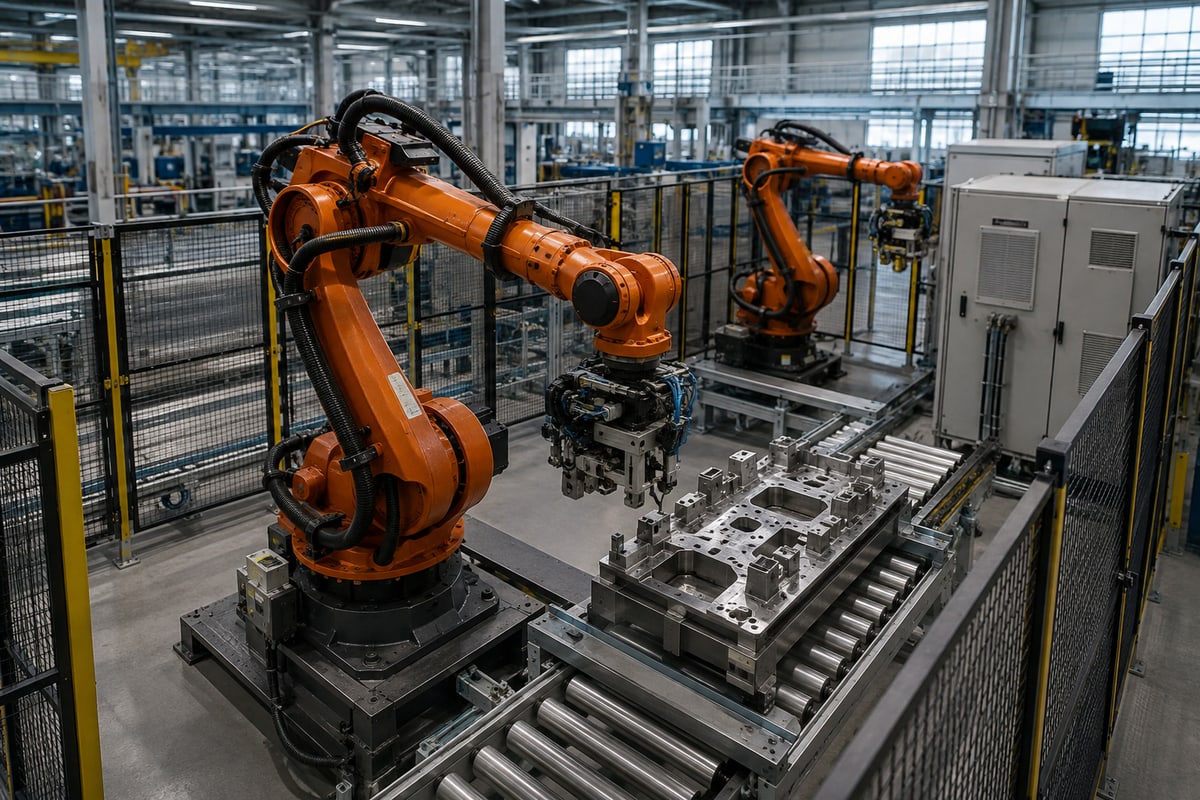
Start with the controller, not just the robot arm
An ABB robot is part of a cell: manipulator, controller, drives, pendant, application software and peripheral equipment. A spare-part enquiry that identifies only the robot family leaves important compatibility questions unanswered. Record the controller generation, cabinet serial number, installed option list and the complete label on the failed item before searching the ABB robot parts catalogue.
Separate a mechanical service need from a control-electronics fault. A drive alarm may involve a supply, cable, motor or configuration issue rather than the drive itself. Retain alarm history and operating context so a qualified robotics specialist can review the cause before a replacement is ordered.
From condition monitoring to an approved action
ABB describes condition-based maintenance and connected services as ways to assess equipment condition and support service decisions. That is useful context for AI-assisted maintenance—not evidence that an algorithm can guarantee a failure date or replace the manufacturer’s maintenance instructions.
Capture the signal
Keep alarms, operating hours, duty changes and inspection observations together. Confirm timestamps and data quality.
Review the cause
Have an authorized specialist compare the trend with the application, environment and service history.
Prepare the response
Agree the intervention window, required parts, backup method and post-maintenance acceptance criteria.
A smarter robot spares portfolio
Criticality before quantity
Prioritize items whose failure stops a constrained production cell and for which no approved alternative exists. Use the installed population, demand history, sourcing time and storage requirements to decide what to hold.
Configuration travels with the part
Keep a controlled backup of programs and configuration, together with the applicable software version and option records. A physically correct component is not automatically ready for the installed cell.
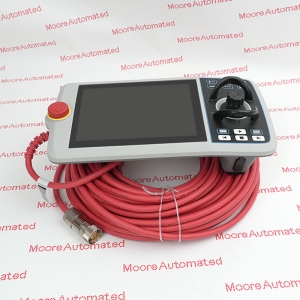
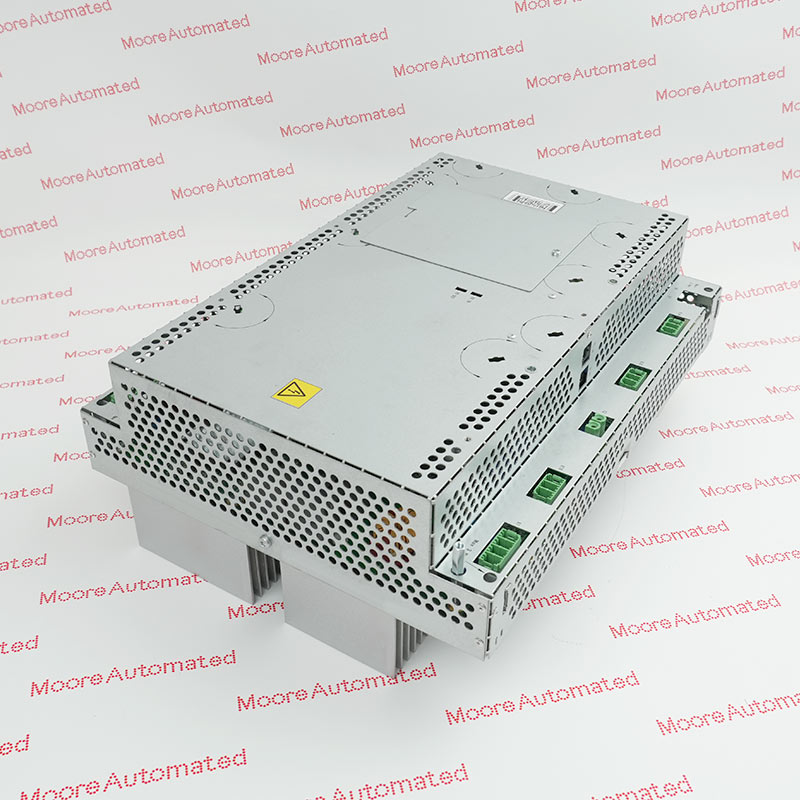
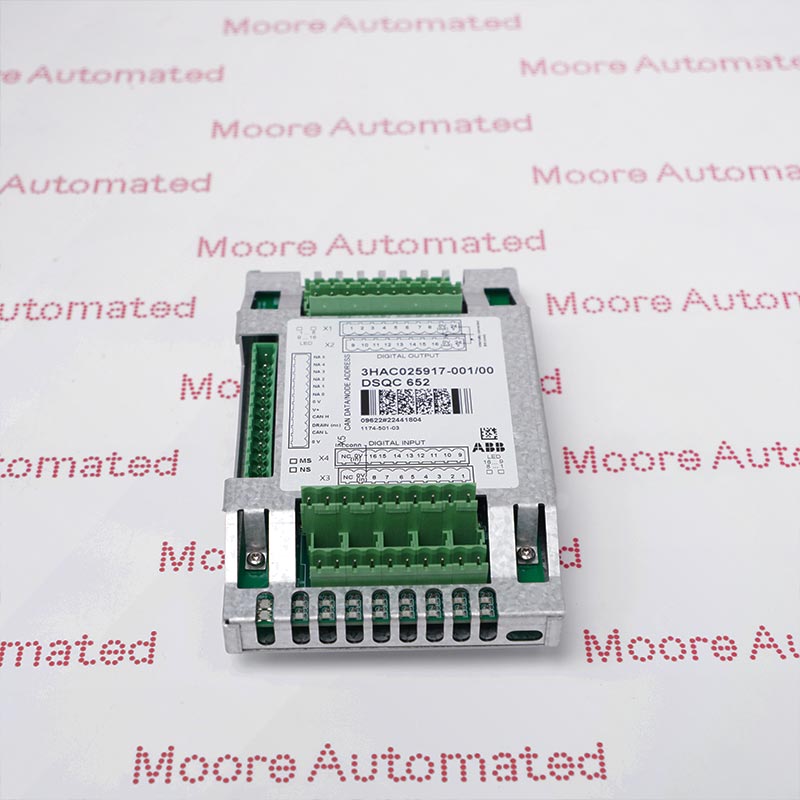
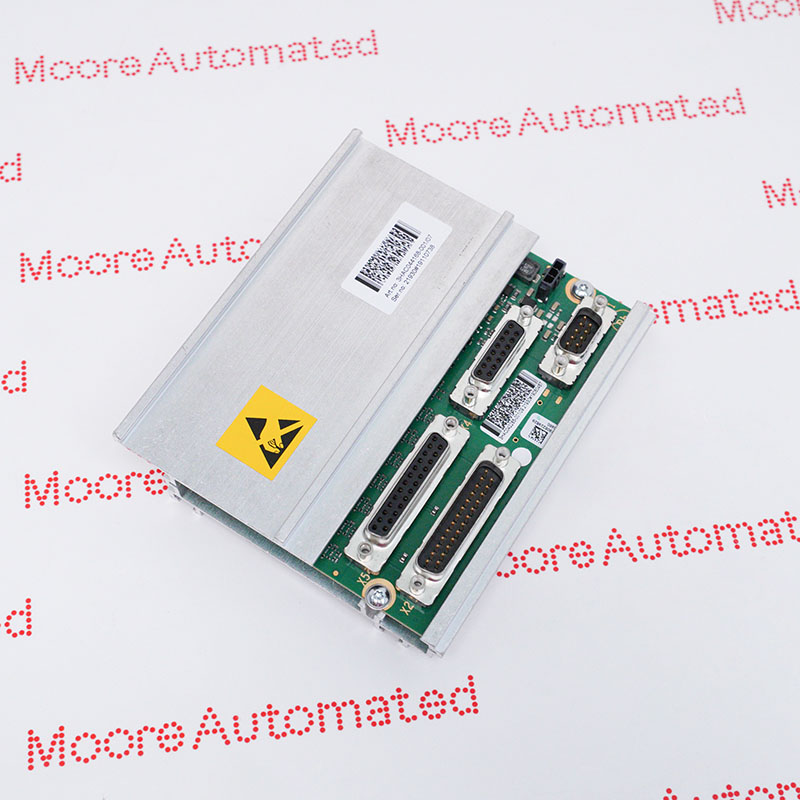
Names such as DSQC406, DSQC625, DSQC266G and DSQC3120 help locate catalogue records, but they do not establish interchangeability. Compare the full assembly number, suffix and documented controller compatibility. Use the DSQC625 / 3HAC020464-001 record or the DSQC3120 catalogue record as enquiry starting points, not automatic upgrade approvals.

Reduce procurement uncertainty before a shutdown
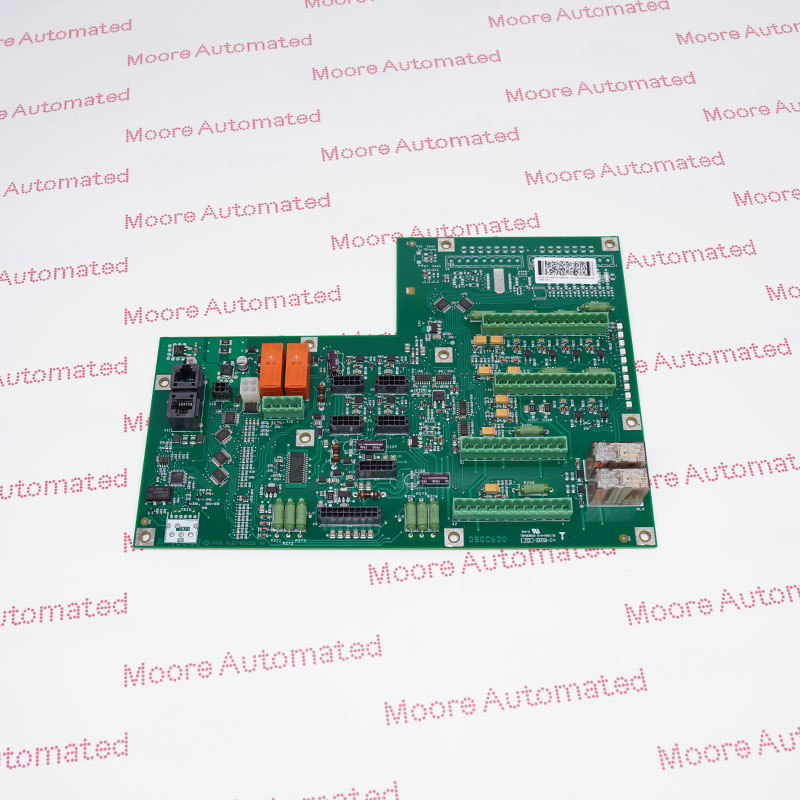
- Request recent photographs of the actual offered unit, including labels, connectors and packaging. Agree the declared condition and included accessories.
- Ask what inspection or functional testing is available, what it covers and what it does not cover. A photograph alone is not a functional test.
- Confirm written availability, dispatch timing, warranty terms and destination requirements for the specific quotation. Website listings are not live stock commitments.
- For obsolete hardware, compare a verified spare with a planned modernization project, including engineering, safety validation and production restart costs.
For the wider stocking decision, see Moore Automated’s EOL spare-parts planning guide. Keep purchasing decisions aligned with the site’s actual controller architecture.
Frequently asked questions
01Can AI replace scheduled ABB robot maintenance?
No. Condition data can support planning, but maintenance intervals, inspections and safety procedures remain governed by the applicable manufacturer documentation and the site’s approved maintenance program.
02Does a robot alarm prove that a DSQC module has failed?
No. Preserve the alarm sequence and operating context, then obtain a qualified diagnosis. Cabling, supplies, connected equipment and configuration may also need investigation.
03Are DSQC modules interchangeable across controller generations?
Do not assume so. The full assembly number, revision, controller platform and software requirements must be checked before selecting a replacement.
04Is every older ABB robot officially obsolete?
Age alone does not establish lifecycle status. Obtain the applicable manufacturer notice for the exact robot, controller or component and distinguish production status from service support.
05What should an emergency parts enquiry include?
Send clear label photos, controller details, alarm context, quantity, required condition, destination and the latest acceptable arrival date. State whether documentation or testing is mandatory.
06Can Moore Automated guarantee immediate shipment?
Availability and dispatch time must be confirmed for each quoted item. Request written confirmation of the actual unit, condition, inspection scope and shipping arrangements before ordering.
Watch: Moore Automated in focus
Company video retained for context; it is not a model-specific lifecycle notice or an acceptance test.
Build a robot spare-parts shortlist.
Share the controller details and complete component numbers. Moore Automated can review sourcing options against your stated requirements.
Email: sales@mooreplc.com
Phone / WhatsApp: +86 180 2077 6792
Technical context: ABB Robotics Data-Driven Services and ABB’s condition-based maintenance service announcement. No model-specific discontinuation date or automatic DSQC substitution is asserted in this guide.
Editorial guidance only. Availability and quoted commercial terms require written confirmation. All product names remain the property of their respective owners.




Leave Your Comment