Registered Address: 32D Floor Guomao Building, No.388, Hubin South Road, Siming District, Xiamen,Fujian, China
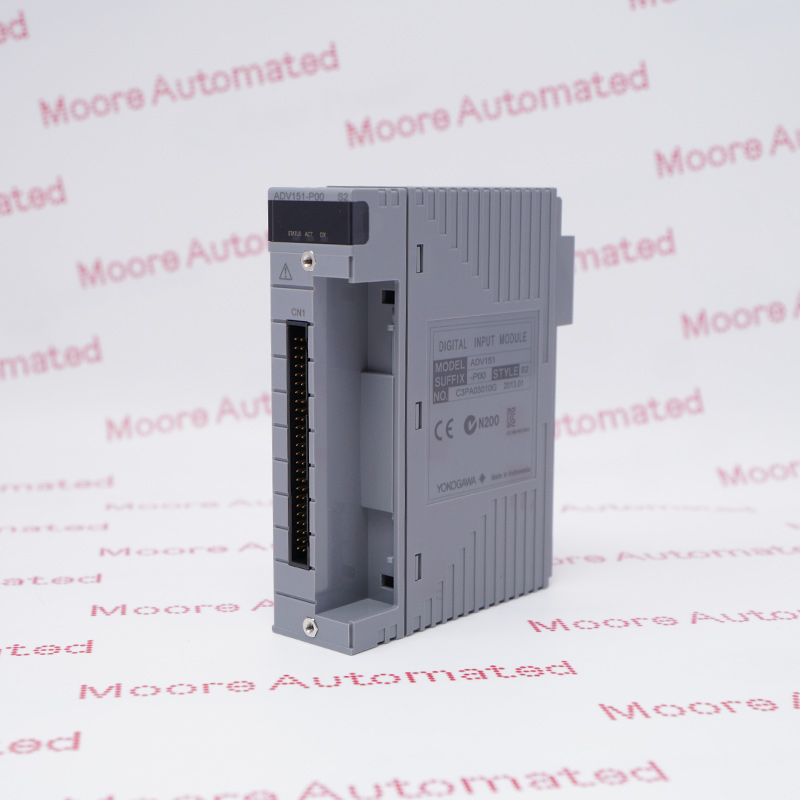
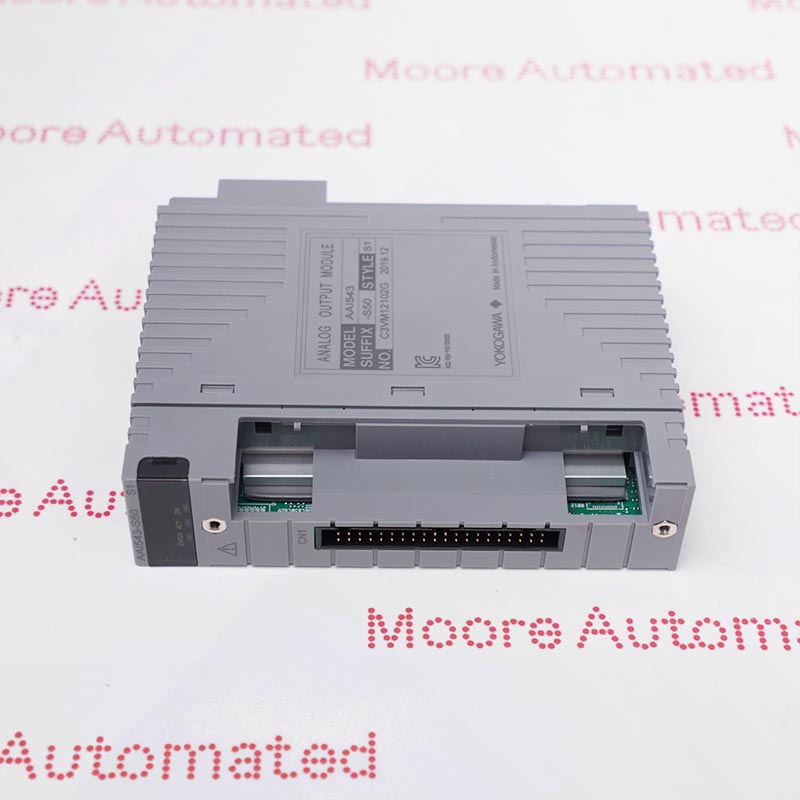
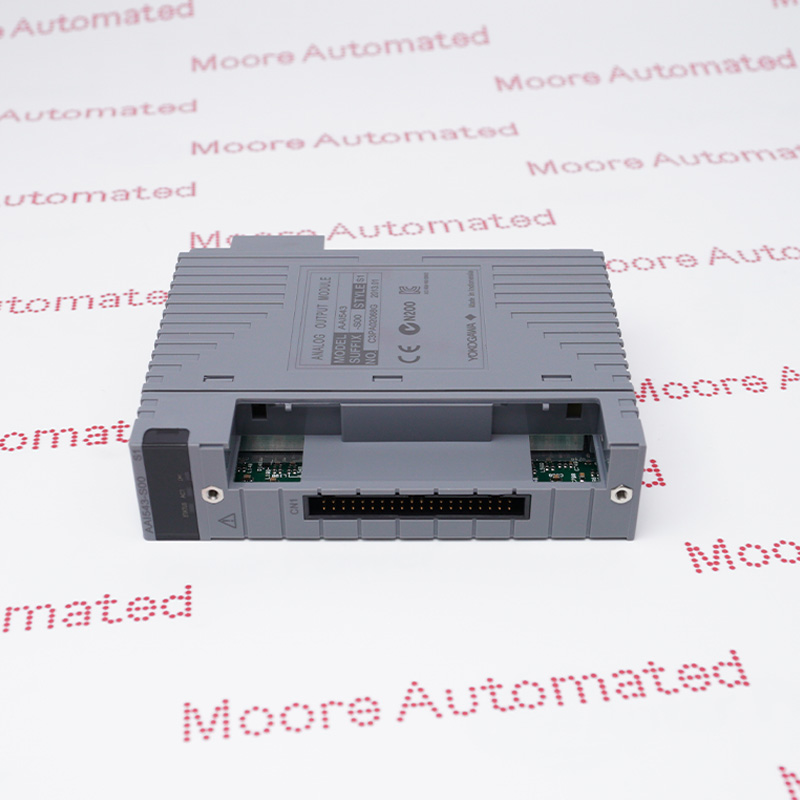
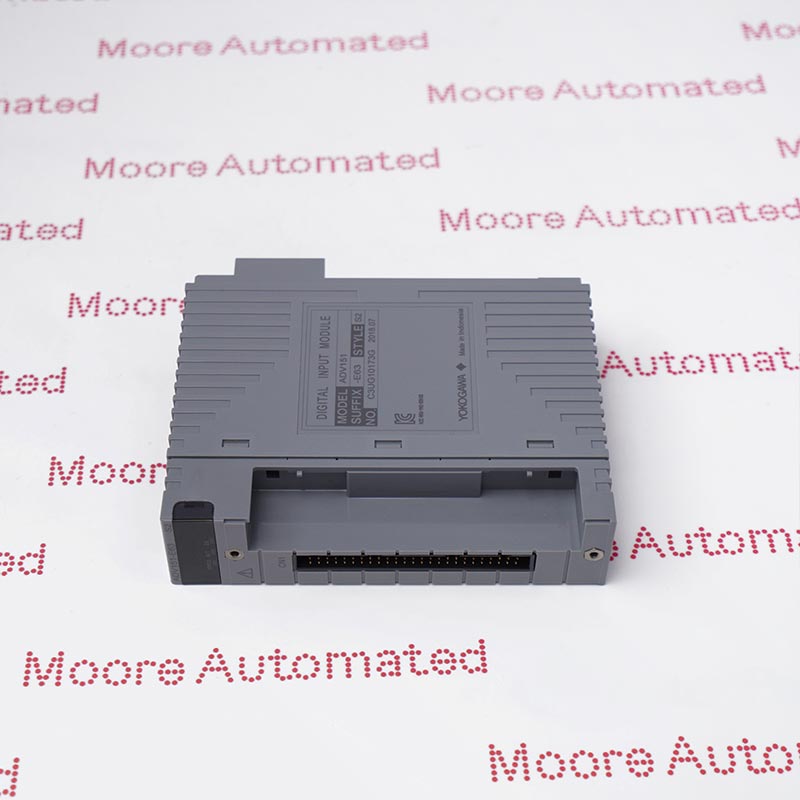
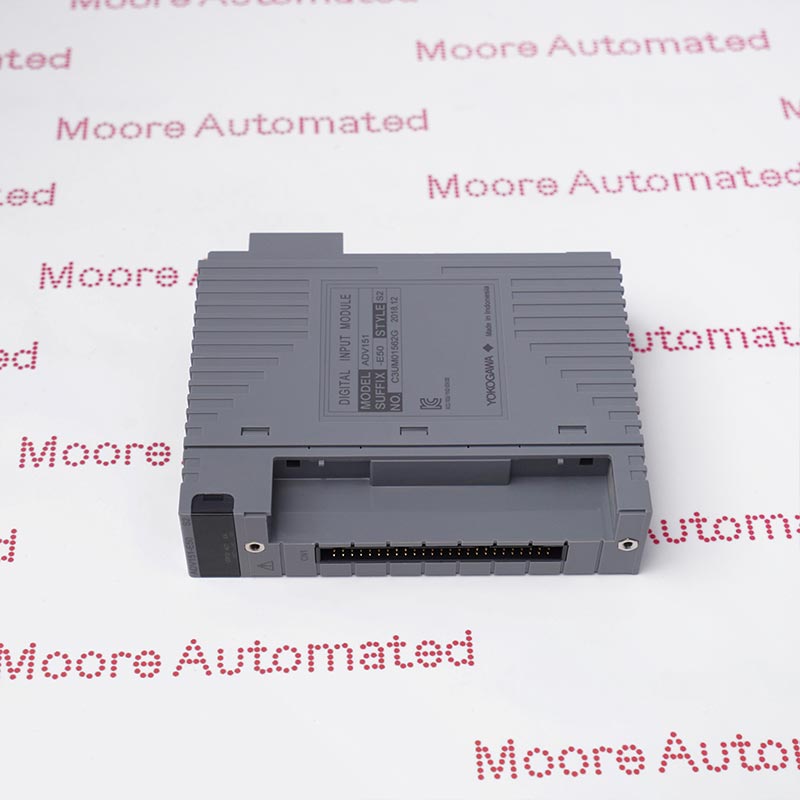
ADV151-P00 S2
Get A Quote



Yokogawa CENTUM-XL and micro-XL lifecycle planning connects two needs: maintaining the installed DCS today and preparing a controlled modernization path. Start with system records, recoverable configurations and verified spares before defining a phased migration project.
EDITORIAL REVIEW · 3 SEPTEMBER 2026
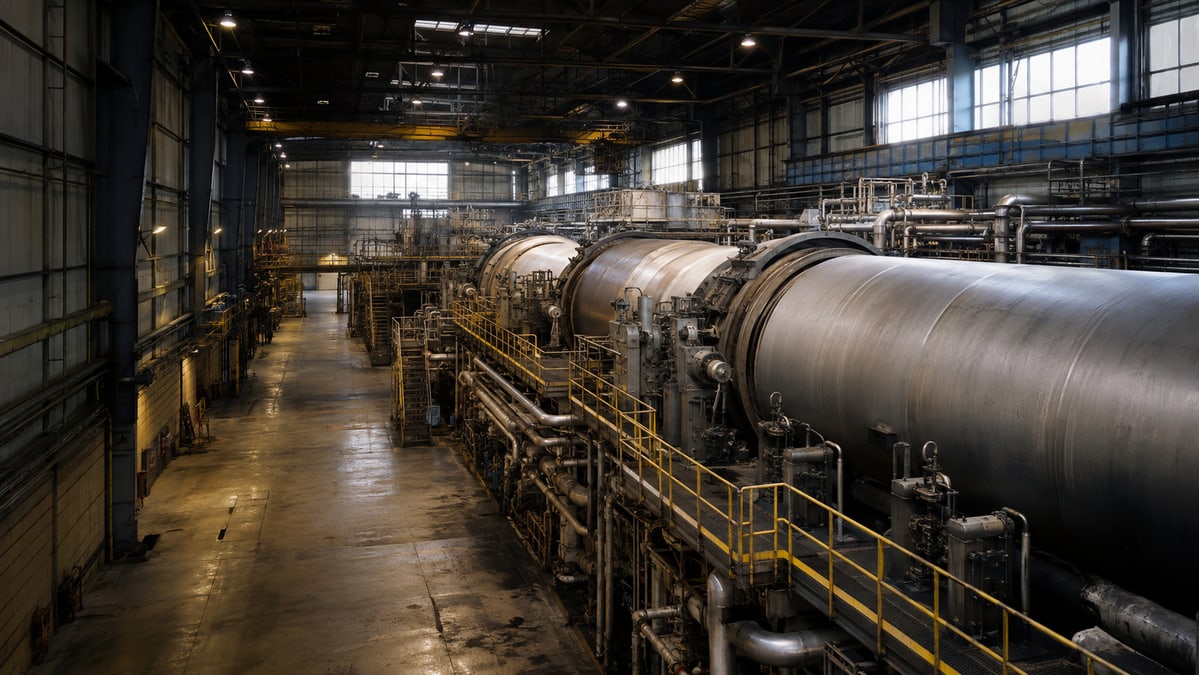
Bridge today’s maintenance needs and tomorrow’s control-system project with an evidence-based plan.
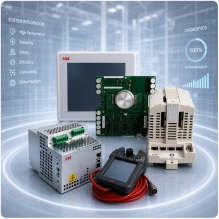
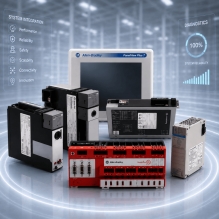
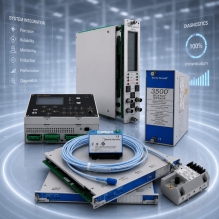
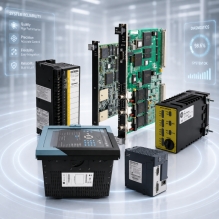
AI-generated process-industry illustration; not a specific customer facility or a photograph of Yokogawa hardware.
A legacy DCS is more than a controller generation. An actionable CENTUM-XL / micro-XL spare-parts plan should identify operator stations, controllers, I/O, communications, software and field connections. Record what is installed, what is documented and what remains uncertain.
Begin with a controlled system inventory rather than a shopping list of familiar module names. Associate each spare with a plant location and an approved configuration. Review equipment condition and support constraints separately: a working item may face a support challenge, while an available item may still be unsuitable for the installed system.
Keep complete part numbers, suffixes, revisions, cabinet references and system/software versions together. Include relevant drawings and interface records so that purchasing and engineering are discussing the same configuration.
Document the approved backups, necessary software access and the people responsible for recovery. Check that records can support the site’s recovery plan; possessing a hardware spare alone is not recovery readiness.
Review the Yokogawa parts catalogue against the actual installed base. Request evidence for the offered unit’s identity, condition and inspection scope. A similar-looking board or related series name is not a documented substitute.
For spares, prioritize the consequence of failure, the number of matching units, repair or replenishment options and the plant’s operating schedule. Agree receipt checks and storage requirements before delivery. Avoid buying excess inventory simply because a platform is old; the right stock level depends on the site’s exposure and recovery strategy.
Yokogawa’s published legacy upgrade approach distinguishes a three-stage CENTUM-XL path from a two-stage micro-XL path. The sequence below is a planning framework—not a guarantee that every historical upgrade kit remains available or suitable for a particular site.
Operator interface
Control processing
Field input / output
Operator interface
Control-system hardware
Where an approved migration solution permits it, parts of the existing wiring or infrastructure may be retained. Reuse requires project-specific engineering verification; it should never be assumed from a generic product description.
Ask the project team to turn the proposed phases into defined work packages. Each package should name the equipment in scope, dependencies, required documentation, acceptance criteria and the operational boundary between old and new. Commercial supply is only one element of that plan.
Build a verified spare shortlist, resolve missing labels and confirm the recovery documentation. Identify the latest acceptable delivery date and how long an interim solution must support operations.
Define the target architecture, engineering scope and cutover constraints. Consider operator readiness, configuration conversion, interfaces, testing and the approved return-to-service process—not hardware price alone.
Yokogawa describes cutover planning as part of migration services. The appropriate cutover approach depends on the application and project conditions; a legacy upgrade roadmap does not promise uninterrupted production. Have the responsible project team define the operating constraints and required validation.
For procurement planning across the transition, use Moore Automated’s obsolete automation parts and EOL planning guide. Keep the purchasing file connected to engineering records so that a rush order does not bypass a compatibility decision.
Original company video retained. It is not a model-specific EOL notice, compatibility approval or commissioning instruction.
Treat them as distinct installed platforms. Identify the actual system before selecting parts or applying a migration framework. A related family name does not establish compatibility.
Not necessarily. Phased modernization can be evaluated, but the feasible scope and sequence depend on the installation, available solutions and project engineering.
No. Reuse must be confirmed for the selected migration solution and site configuration. Include field interfaces and the condition of retained infrastructure in the review.
No. Establish the cutover conditions and production constraints with the project team. The engineering plan must define the applicable testing and return-to-service requirements.
Check the complete reference, suffix and revision against the approved configuration. Request offered-unit photos, declared condition and the inspection evidence required by the site.
Provide the platform, exact part numbers, readable labels, quantity, condition requirements, destination and deadline. Clarify whether you need an interim spare or support for a planned project.
Share the installed platform and exact references. Moore Automated can review sourcing requirements while your engineering team defines the migration scope.
Email sales@mooreplc.com
Phone / WhatsApp +86 180 2077 6792
Technical context reviewed: Yokogawa System Upgrade and Cutover Planning & Implementation resources. The diagrams summarize published legacy migration concepts, not a current availability guarantee, design approval or model-specific EOL declaration.



Registered Address: 32D Floor Guomao Building, No.388, Hubin South Road, Siming District, Xiamen,Fujian, China
MooreAutomated.com is the official website and primary online platform operated by Moore Automation Limited. The website provides information about the company’s industrial automation parts sourcing services, product coverage and customer support. Moore Automation Limited operates as an independent supplier and is not an authorized distributor or representative of the manufacturers displayed on this website unless expressly stated.
Leave Your Comment