



Downtime & maintenance strategy
Turn condition signals into a planned recovery path.
A useful maintenance strategy does more than collect alerts. It connects asset condition, production consequence, spare-part evidence and an executable recovery plan—before a stoppage turns every decision into an emergency.
The operating question
What must be ready before the asset stops?
Downtime exposure is plant-specific. A credible plan separates measured facts from estimates and asks what must be verified before maintenance can act.
Exposure can include lost production, restart time, quality loss, maintenance labor, expedited logistics and contractual effects. Use site records and label assumptions clearly instead of applying a generic hourly figure.
Record the asset function, available redundancy, acceptable degradation, likely maintenance window, spare-part lead time and technical decision owner. Without this baseline, an alert creates urgency without direction.
A five-stage decision route
From alert to verified return.
Condition monitoring matters when it changes a decision. Each stage below defines the question to answer, the evidence required and the practical output needed before the next stage begins.
Sense — establish a credible signal
A condition signal becomes actionable only after the team checks that it is repeatable, understands the operating context and separates real degradation from an instrumentation or process anomaly.
Decide — match urgency to consequence
The same vibration, temperature or communication alarm can justify continued monitoring on one asset and an immediate controlled stop on another. Criticality and consequence set the response.
Prepare — make the intervention executable
Preparation converts an engineering decision into a job that can actually start. Procurement must verify the exact replacement, supporting documents and logistics path before the maintenance window opens.
Execute — control the maintenance window
A planned intervention succeeds when the physical work, product evidence, permits and logistics arrive together—not when a purchase order is merely issued.
Verify — prove stable return to service
The job is not complete at installation. The team should confirm expected signals, stable operation and no new alarms, then feed the result back into the maintenance strategy.
Use the right intervention
One asset can need more than one maintenance mode.
The strongest programs combine approaches according to failure behavior, consequence and the evidence available.
Preventive
Planned work at defined time or usage intervals. Best where wear patterns and service tasks are well understood.
- Best used when: age, cycles or scheduled servicing predict need reasonably well.
- Main limitation: work can be performed too early or miss random failure modes.
Condition-based
Inspection or sensor evidence triggers action when defined thresholds or changes appear.
- Best used when: degradation produces a measurable and repeatable indicator.
- Main limitation: thresholds need context, data quality and a defined response owner.
Predictive
Trend analysis supports an estimate of developing degradation and a better-timed intervention.
- Best used when: enough reliable history exists to recognize a developing pattern.
- Main limitation: an estimate is not a guarantee; spares and execution still need planning.
Reactive
Reserved for low-consequence items or failures that cannot be economically predicted—not the default for critical assets.
- Best used when: failure has low consequence and replacement is quick and available.
- Main limitation: unsafe for critical assets without redundancy or a verified recovery path.

MRO readiness
Do not wait for the alarm to identify the spare.
Availability is only useful when the replacement can be matched to the installed system. Before a planned intervention, build an evidence pack that procurement, engineering and the supplier can read the same way.
- Complete manufacturer and model or order reference
- Hardware revision, firmware and connector details where applicable
- Quantity, physical condition and clear label photography
- Rack, slot, loop or machine function affected
- Required-on-site date and realistic logistics route
- Receiving, installation and post-start verification owner
Visual reference
See the monitoring-system context.
This Moore Automated video introduces Bently Nevada turbine supervisory instrumentation. Use it as a visual overview; final selection, compatibility and commissioning still require confirmation against the installed system.
Video source: Moore Automated YouTube channel.
Related products
Build the verified spare path.
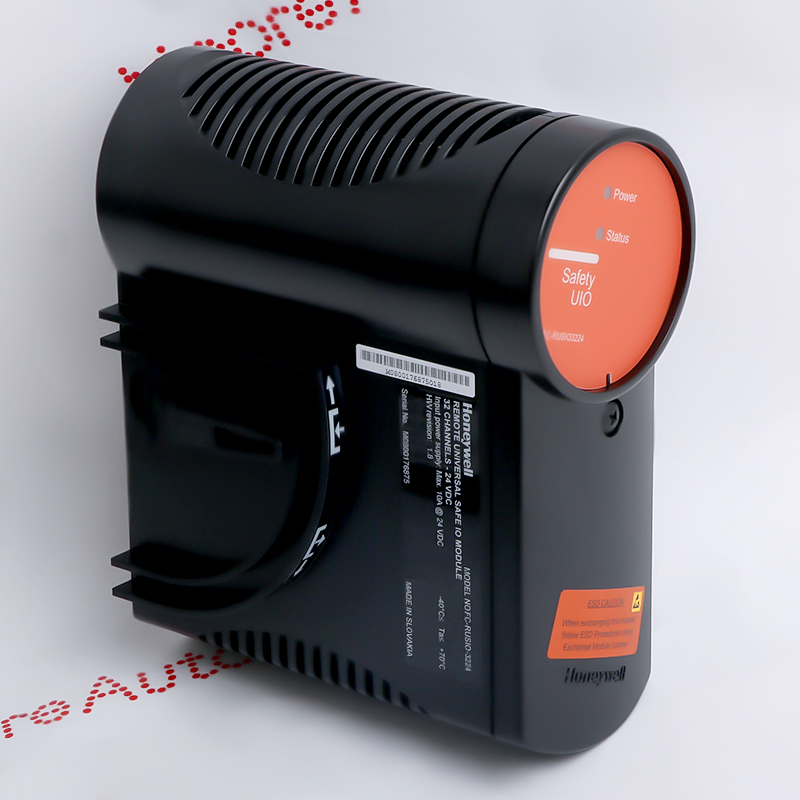
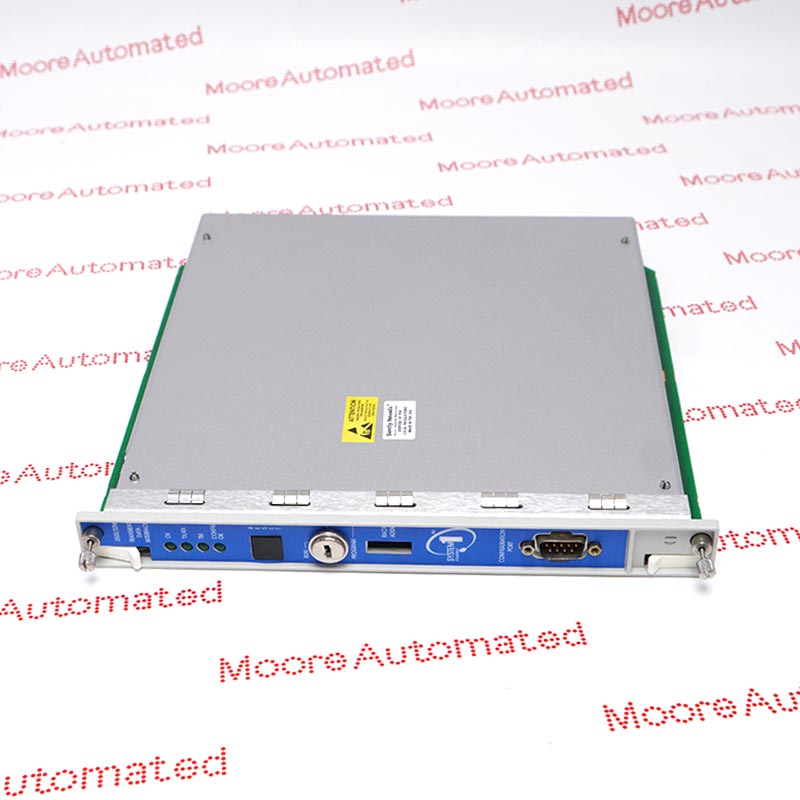
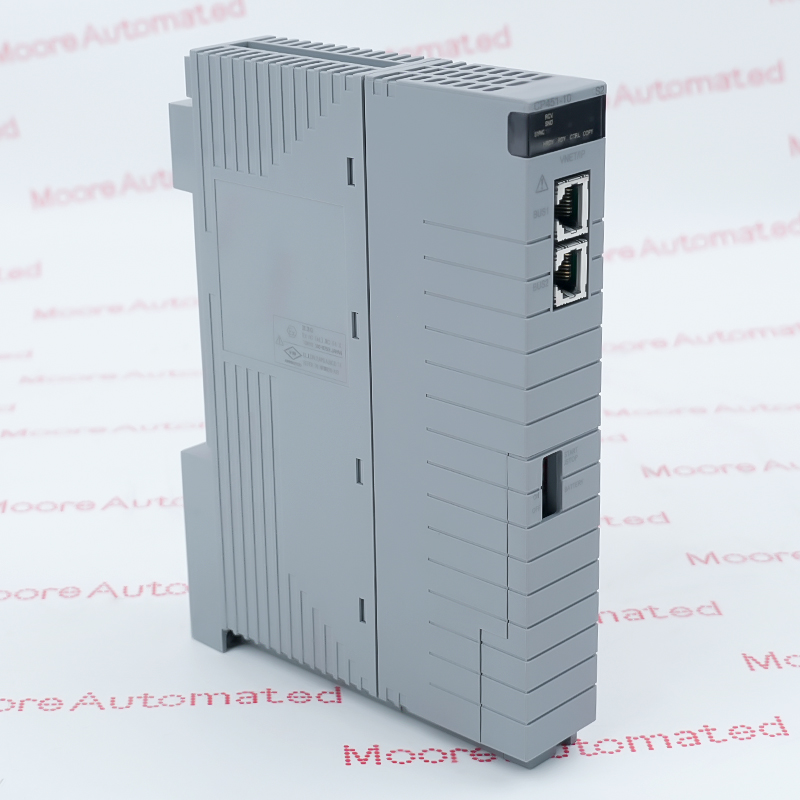
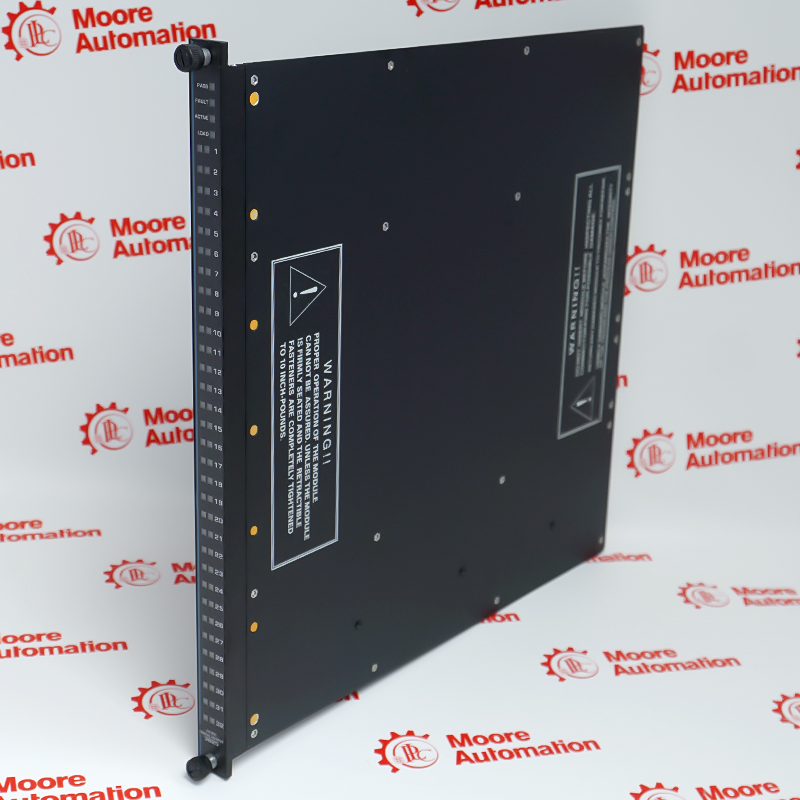
These examples show the kind of model-level detail a maintenance plan should preserve. Always confirm configuration and application requirements before purchase or installation.
Related success stories
Evidence under time pressure.
These cases show how product identity, physical inspection and coordinated handover can reduce avoidable delay when an urgent requirement cannot wait for a routine purchasing cycle.
Visible FAQ
Questions maintenance and MRO teams ask.
What is the difference between preventive and predictive maintenance?
Preventive maintenance is scheduled by time or usage. Predictive maintenance uses measured condition and trend information to support timing decisions. Many critical assets use both: scheduled foundational work plus condition evidence that refines priority and scope.
Does predictive maintenance eliminate unplanned downtime?
No. It can improve visibility and decision timing, but it cannot detect every failure mode or remove execution risk. Teams still need criticality analysis, verified spares, maintenance procedures, logistics planning and post-work checks.
How should a plant estimate downtime exposure?
Use plant-specific, documented inputs: lost contribution during the affected period, restart and quality losses, labor, expedited logistics, contractual effects and safety or environmental consequences. Mark estimates clearly and avoid counting the same impact twice.
When should MRO procurement act on a condition signal?
Procurement should engage when the engineering team defines a credible risk, a likely intervention window or a long-lead replacement need. Early action should confirm identity, availability and logistics without bypassing technical approval.
What information helps Moore Automated respond to an urgent automation-part request?
Send clear nameplate photos, complete model and order references, hardware or firmware revision where relevant, quantity, equipment function, destination and required-on-site date. Moore Automated can then check availability and prepare product evidence; final compatibility remains the buyer’s technical responsibility.
Information sources
Primary references used.
Article-specific enquiry
Turn the next maintenance signal into a workable parts plan.
Send the exact part reference, installed-system evidence, destination and required-on-site date. Miya’s team can organize the availability, verification and delivery questions into one practical response.








Leave Your Comment