








Registered Address: 32D Floor Guomao Building, No.388, Hubin South Road, Siming District, Xiamen,Fujian, China
ISO 9001:2015 Certified
Our quality management system covers sourcing,testing and dispatch
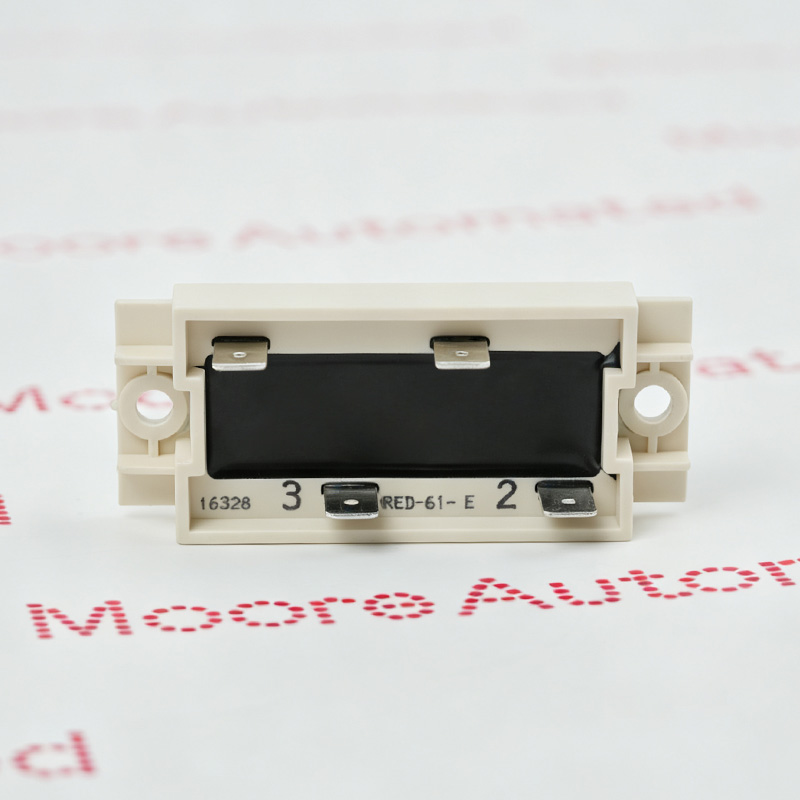
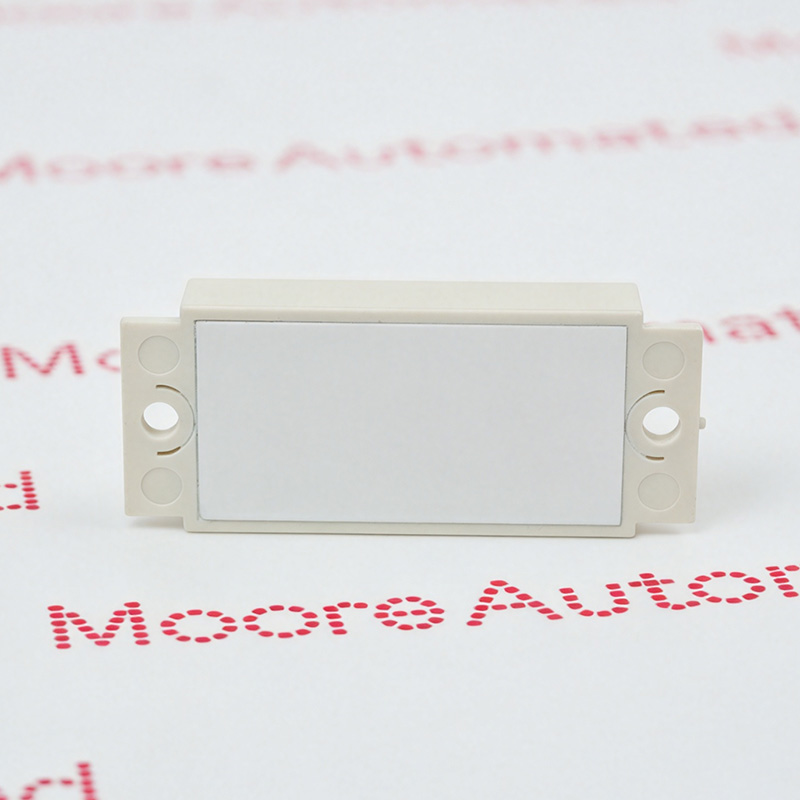
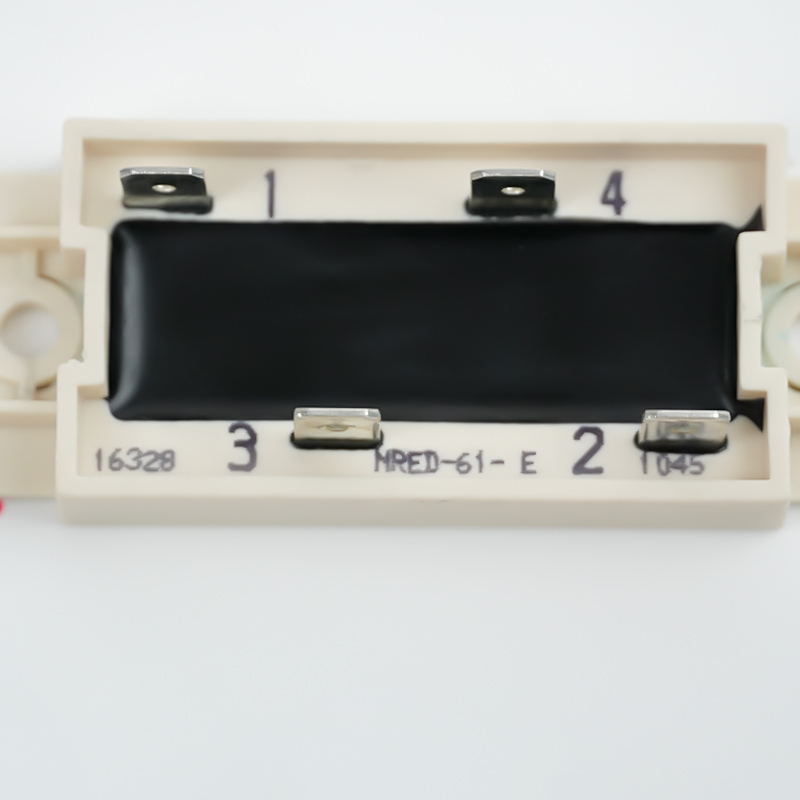
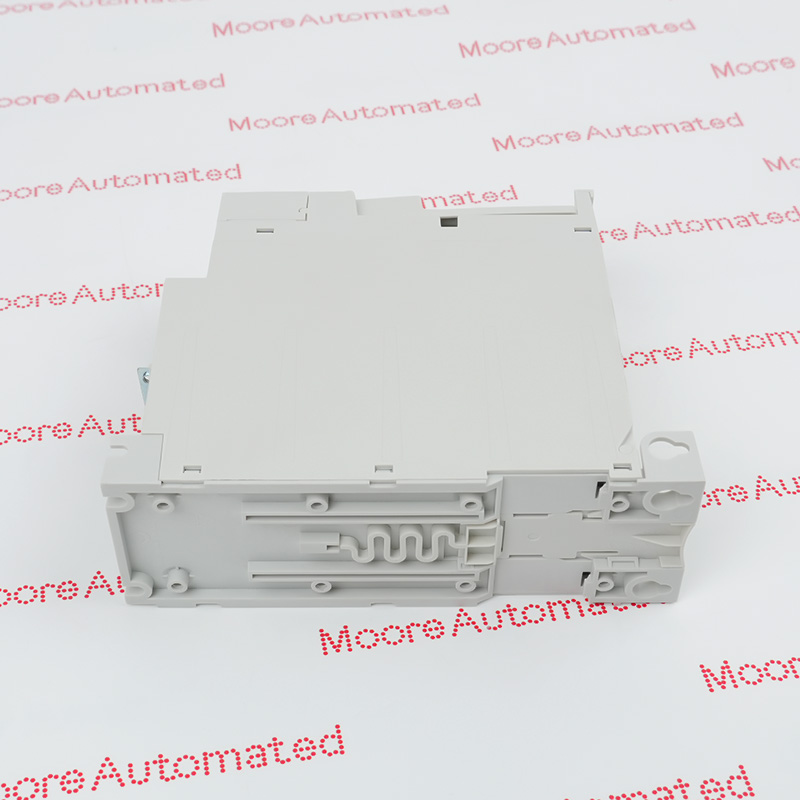
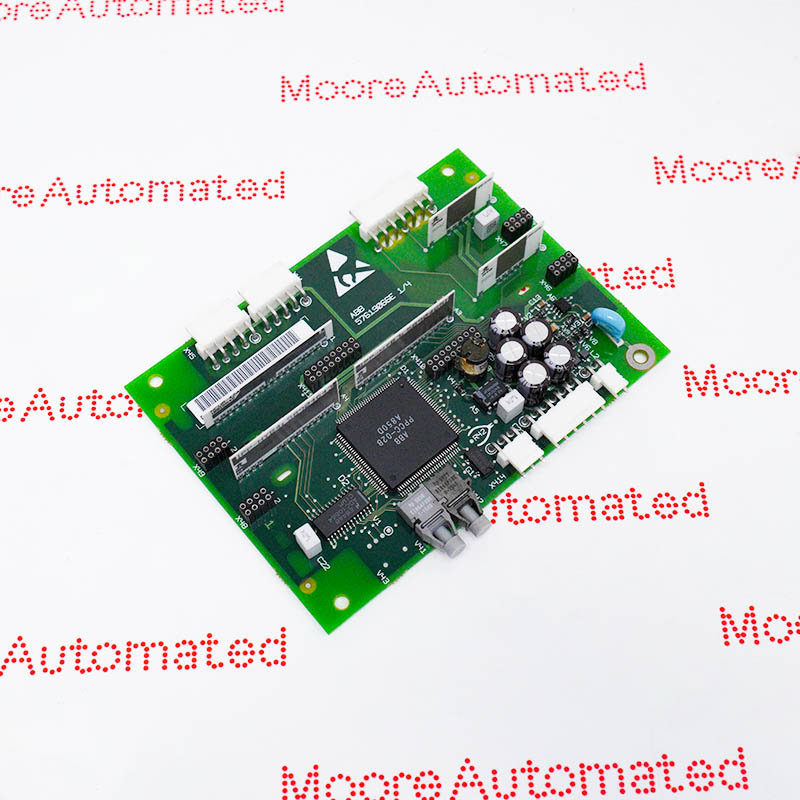
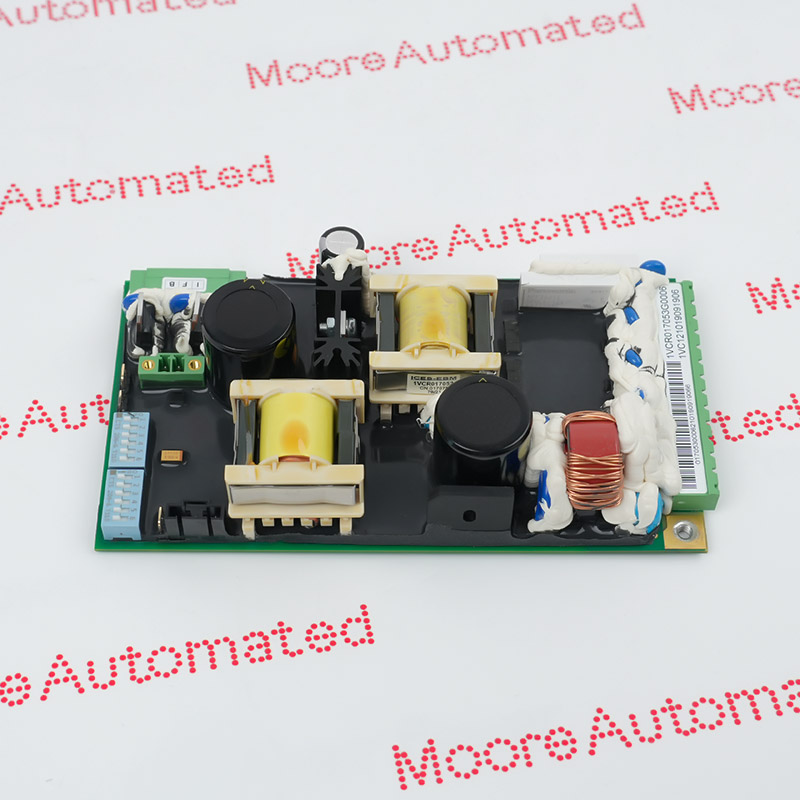
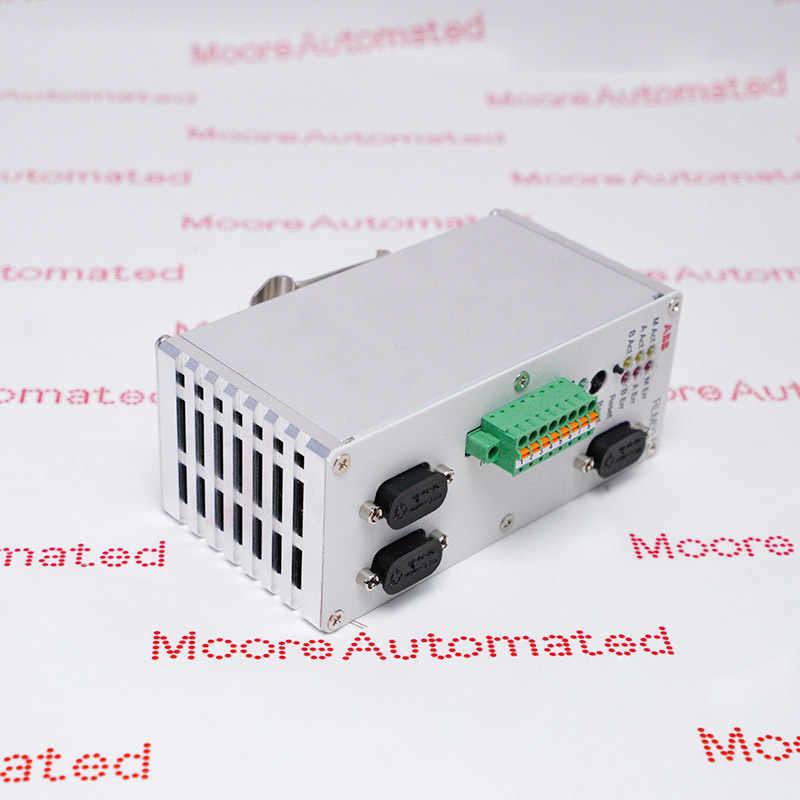
The ABB NRED-61-E is a thick-film hybrid overvoltage protection/divider module. This module is primarily used in ABB ACS600 and ACS800 frequency converters as a high-performance surge suppressor and voltage regulator for internal control circuitry.
Utilizing a robust SMD surface mount and fully encapsulated process, this module provides protection over a temperature range of -40°C to +125°C. It is typically used as a core component of power resistor kits to ensure uninterrupted and stable operation of large frequency converter systems in harsh industrial environments.
It provides deterministic DC bus overvoltage protection with a response time of less than 25ns, effectively preventing surges from impacting the frequency converter's internal power circuitry.

Registered Address: 32D Floor Guomao Building, No.388, Hubin South Road, Siming District, Xiamen,Fujian, China
MooreAutomated.com is the official website and primary online platform operated by Moore Automation Limited. The website provides information about the company’s industrial automation parts sourcing services, product coverage and customer support. Moore Automation Limited operates as an independent supplier and is not an authorized distributor or representative of the manufacturers displayed on this website unless expressly stated.