

Registered Address: 32D Floor Guomao Building, No.388, Hubin South Road, Siming District, Xiamen,Fujian, China
ISO 9001:2015 Certified
Our quality management system covers sourcing,testing and dispatch
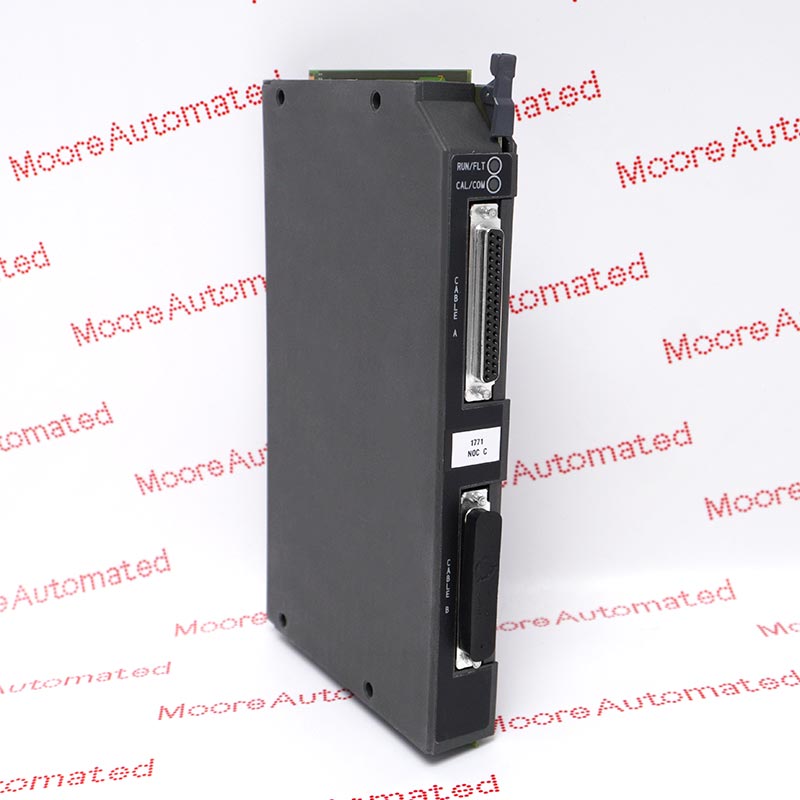
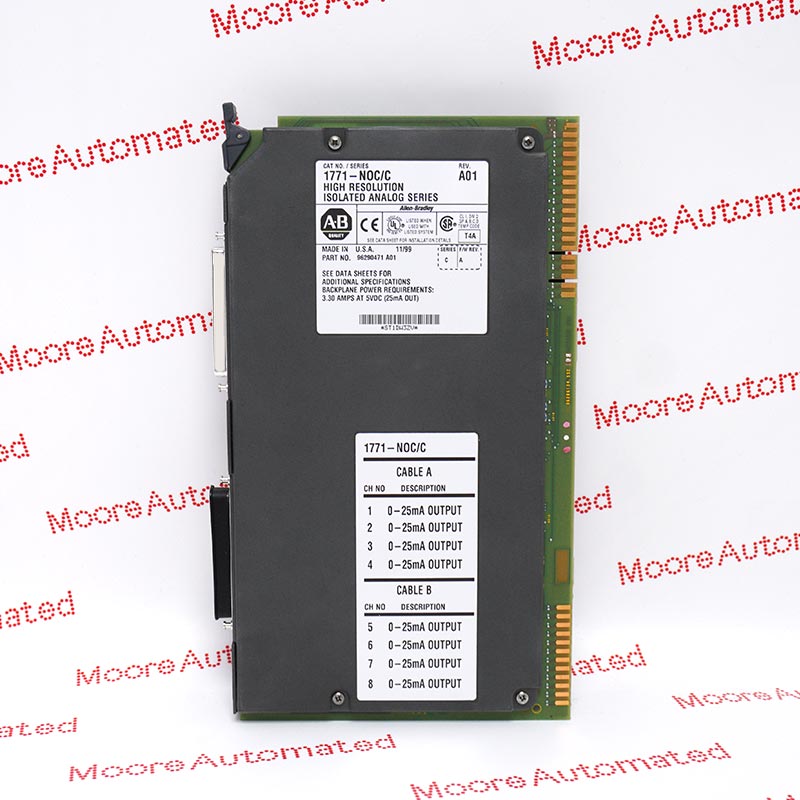
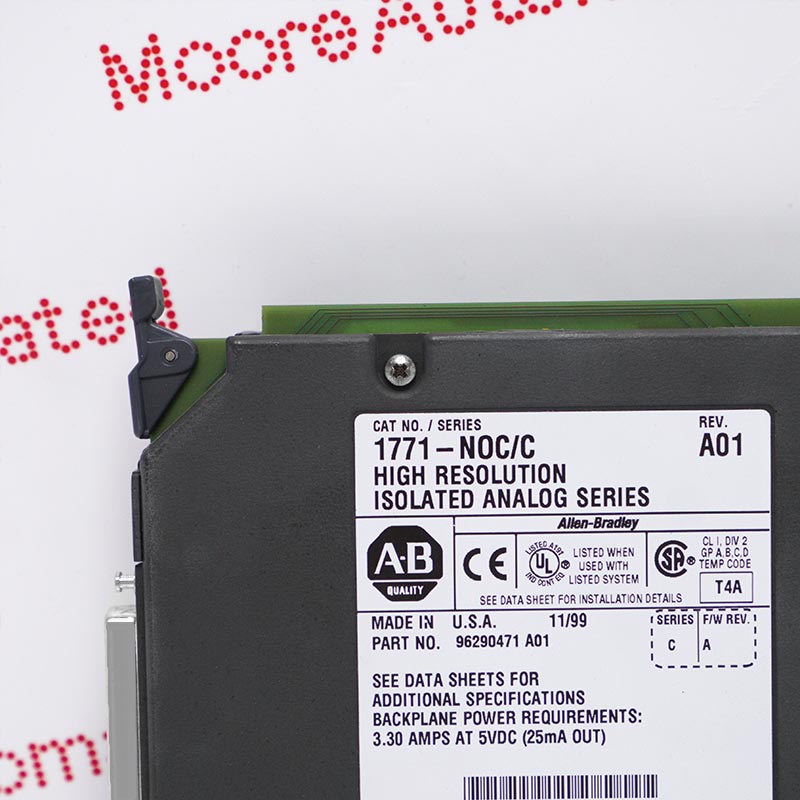
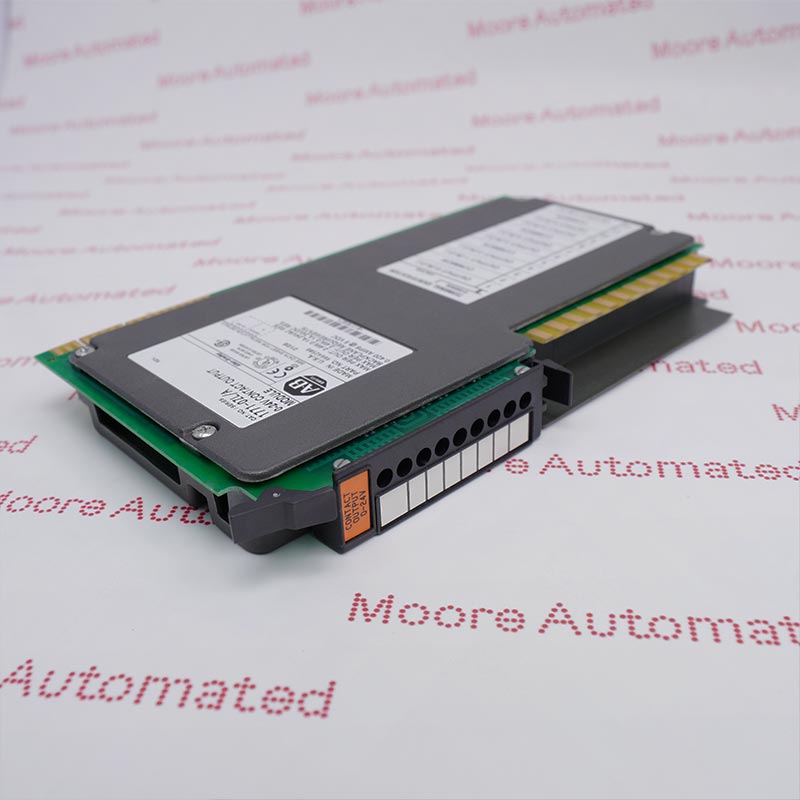
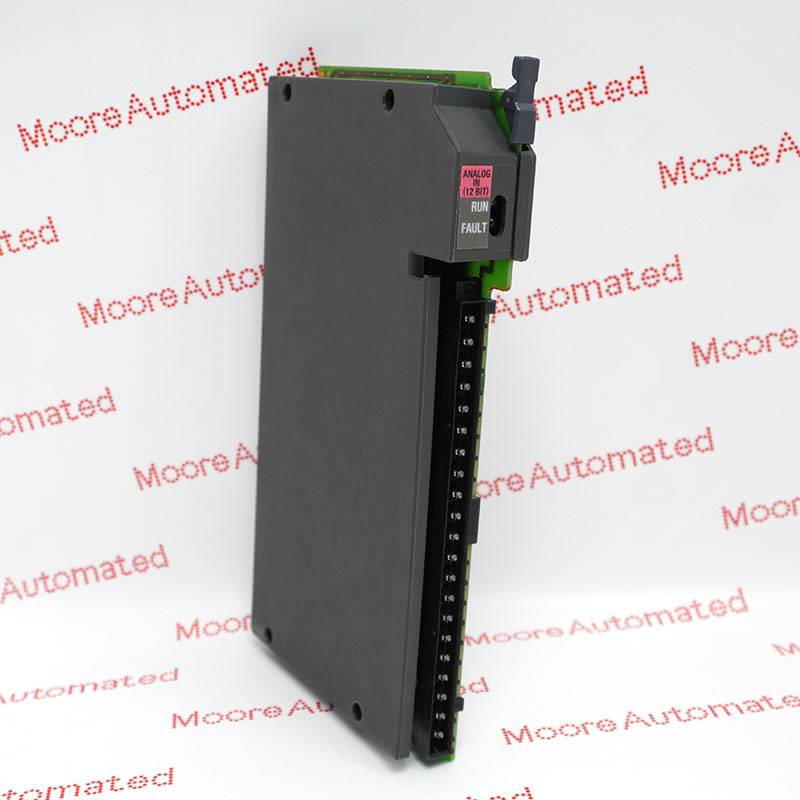
The 1771-NOC is a classic PLC input/output module from Allen-Bradley (A-B), a brand under Rockwell Automation. It belongs to A-B's renowned PLC-5 series control system architecture and is a high-density analog output module. In a control system, its primary function is to accurately convert the PLC's internal digital core control logic into standard 4-20mA current signals or 0-10V voltage signals required by field actuators (such as control valves, inverter speed control commands, servo drives, etc.).
As one of the core hardware components of the PLC-5 system, the 1771-NOC adopts the classic 1771 high-density rack-mount physical architecture. It supports seamless integration with standard 1771 I/O docking stations and exchanges data at high speed with the PLC-5 main control CPU via A-B's dedicated DH+ (Data Highway Enhanced) or Remote I/O (RIO) industrial networks.
This module has passed the most stringent industrial-grade electrical safety and electromagnetic compatibility certifications during its production process, including UL, CSA, and CE certifications. It features excellent interference immunity and high channel isolation, ensuring stable and accurate output of control analog signals in continuous heavy industrial manufacturing environments. Currently, the 1771-NOC module has been officially discontinued worldwide, becoming a traditional spare part nearing the end of its life cycle.

Registered Address: 32D Floor Guomao Building, No.388, Hubin South Road, Siming District, Xiamen,Fujian, China
MooreAutomated.com is the official website and primary online platform operated by Moore Automation Limited. The website provides information about the company’s industrial automation parts sourcing services, product coverage and customer support. Moore Automation Limited operates as an independent supplier and is not an authorized distributor or representative of the manufacturers displayed on this website unless expressly stated.