

Get Repair Quote
Name
Company *
Phone *
Email *
Address
City
State / Province / Region
Zipcode
Country
Quantity *
Part Number *
Manufacturer
Preferred Condition
Additional Information
Cancel

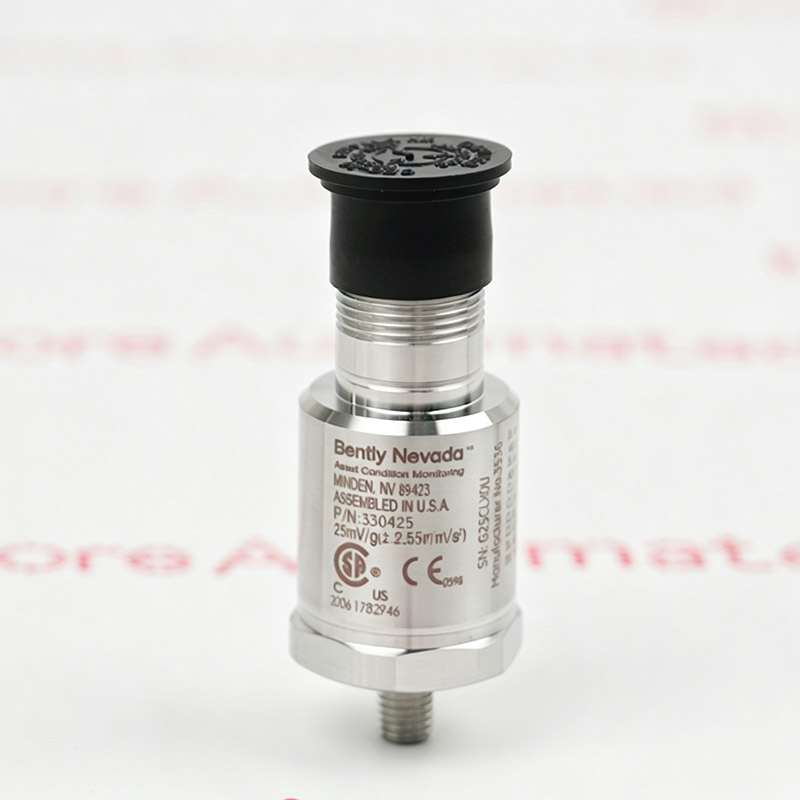
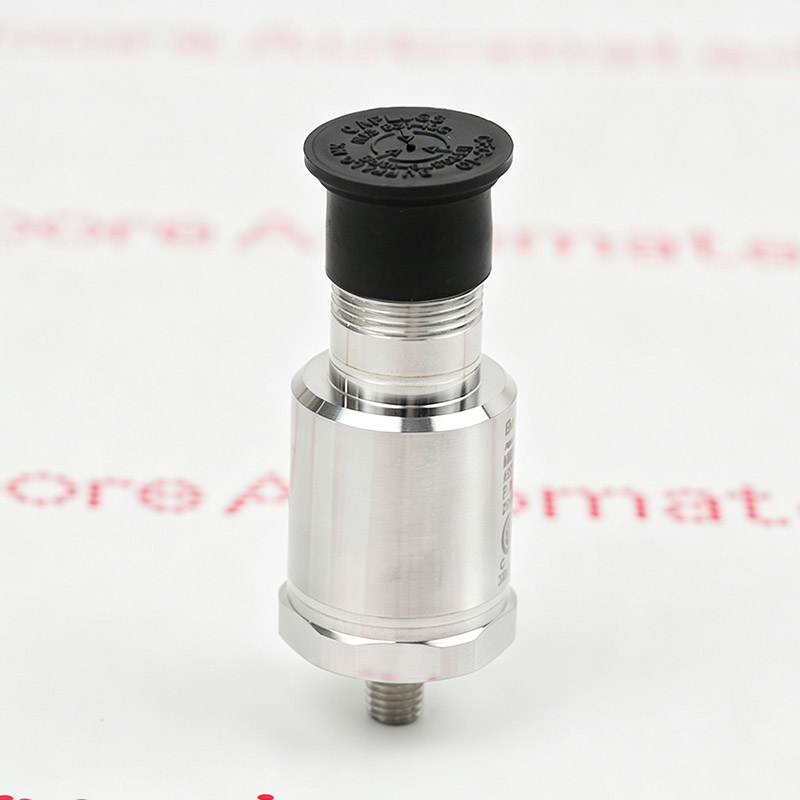
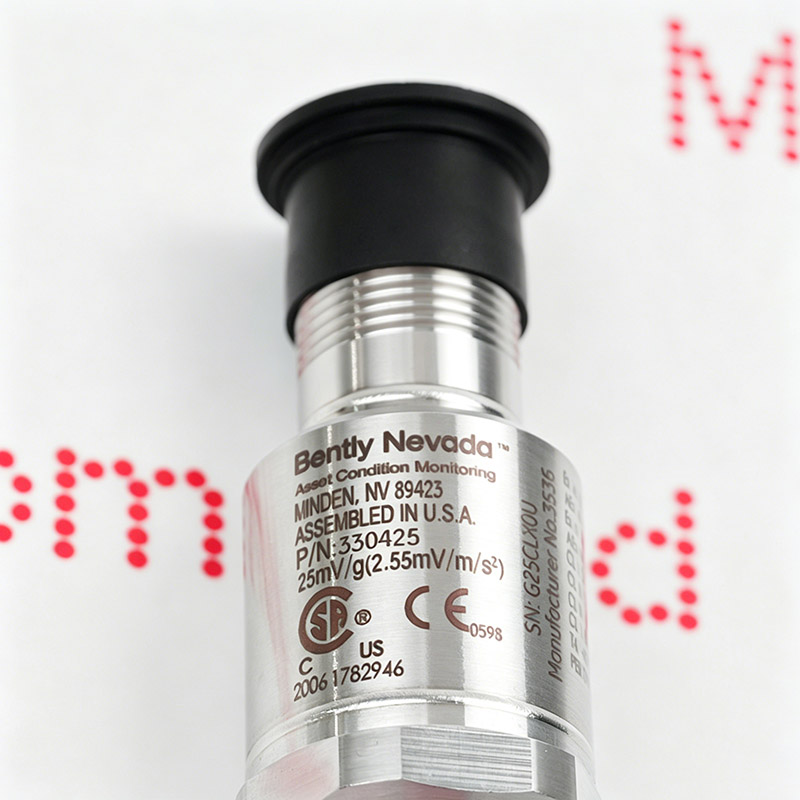
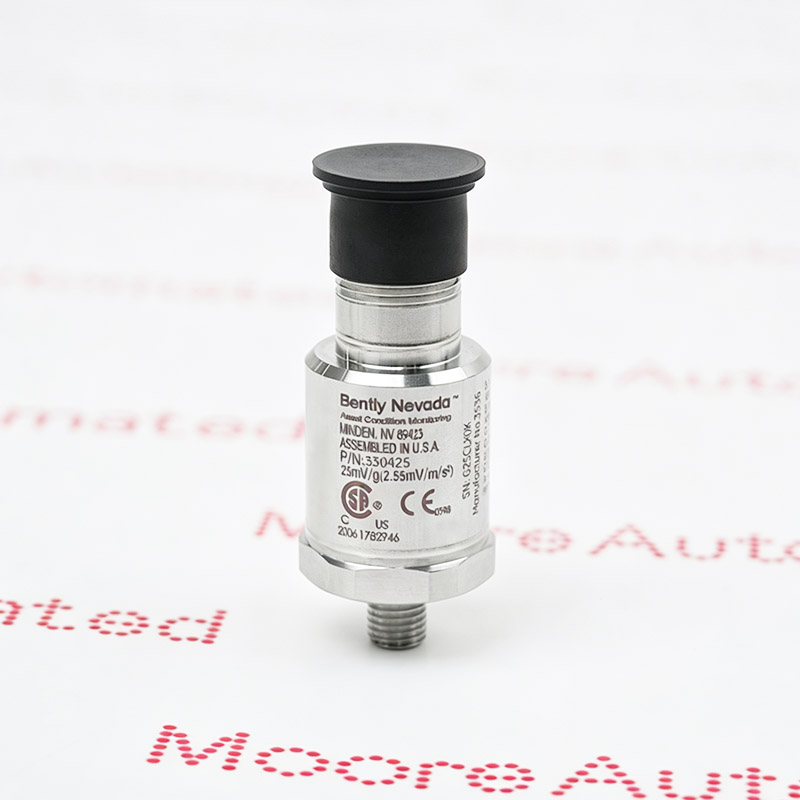
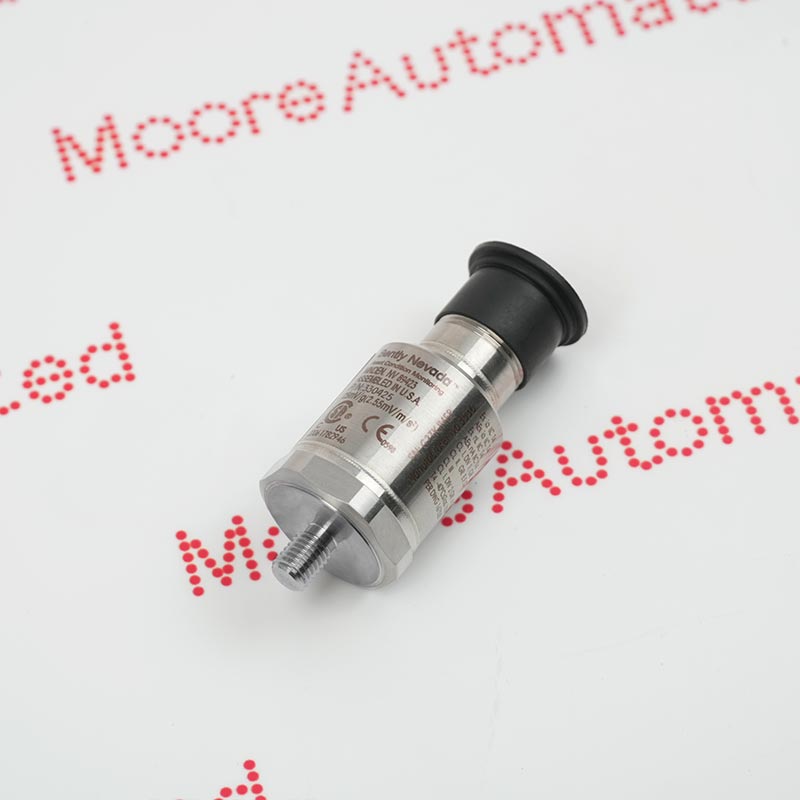
330425-01-05

Accelerometer Acceleration Transducers
In Stock

Product Information:

330400 and 330425 Accelerometer

Acceleration Transducers

The 330425 is identical except it provides a larger

amplitude range (75 g peak) and a sensitivity of 25 mV/g

Expand All
Collapse all

Technical specifications for 330425-01-05

  • Manufacturer:
    Bently Nevada
  • Product Category:
    TSI System
  • Estimated shipping dimensions:
    5.9 x 2.3 x 2.3 cm
  • Weight:
    0.099 kg
  • Tariff Code:
    8537101190
  • Country of origin:
    USA
  • Place of shipment:
    Xiamen, Fujian, China
  • Mounting Thread:
    ¼-28 UNF integral stud
  • Agency Approval:
    Multiple approvals (CSA, ATEX, IECEx,)
  • Sensitivity:
    2.5 mV/m/s2 (25 mV/g) ±5%
  • Acceleration Range:
    735 m/s2 (75 g) peak
  • Amplitude Linearity:
    ±1% to 735 m/s2 (75 g) peak
  • Stock:
    30

Information

Overview Manuals Principle

Features:

  • 330425 Accelerometer
  • 330400 and 330425 Accelerometer Acceleration Transducers
  • It provides an amplitude range of 50 g peak and a sensitivity of 100 mV/g
These accelerometers are intended for critical machinery applications where casing acceleration measurements are required, such as gear mesh monitoring. The 330400 is designed to address the requirements of American Petroleum Institute Standard 670 for accelerometers.

It provides an amplitude range of 50 g peak and a sensitivity of 100 mV/g. The 330425 is identical except it provides a larger amplitude range (75 g peak) and a sensitivity of 25 mV/g.

The 330425-01-05 Bently Nevada Accelerometer Acceleration Transducers may still be available for purchase and support from Moore Automated Company beyond End-Of-Life (EOL) by the manufacturer (OEM).
Bently Nevada 330425-01-05 Accelerometer Acceleration Transducers Manuals(Datasheets), Link Important Notice: Other accessories, manuals, cables, calibration data, software, etc. are not included with this equipment unless listed in the above stock item description. All prices are shown in USD.
Its working principle involves using a high-frequency oscillator to generate an electromagnetic field at the probe tip. When the probe approaches a conductive target surface (such as a rotating shaft), the magnetic field induces eddy currents in the target material. Changes in the gap distance between the probe and the target alter the intensity of the induced eddy currents, thereby modulating the oscillator signal. This modulated signal is converted into a proportional electrical signal output, providing precise displacement or vibration data for real-time, accurate monitoring in industrial machinery applications.

Ask our team:

  • What proprietary sensing mechanism is employed by the Bently Nevada 330425-01-05 to ensure superior vibration fidelity?
    The 330425-01-05 utilizes a piezoelectric sensing element coupled with a seismic mass and integral charge amplifier architecture, enabling it to transduce mechanical acceleration into a highly linear, low-noise electrical output with minimal phase distortion.
  • How does the 330425-01-05’s frequency response profile enhance its efficacy in complex vibration spectrum analysis?
    The device boasts an extended frequency bandwidth typically ranging from 2 Hz up to 10 kHz, enabling comprehensive capture of both low-frequency structural oscillations and high-frequency bearing defect signals, thus supporting multi-dimensional vibration diagnostics.
  • What are the defining electrical output characteristics of the 330425-01-05 that facilitate seamless system integration?
    Featuring a low-impedance, charge-mode output compatible with high-impedance inputs, the 330425-01-05 delivers a stable signal with factory-calibrated sensitivity. This output format optimizes compatibility with Bently Nevada’s 3500 series vibration monitoring hardware and standard industry charge amplifiers.
  • How does the 330425-01-05 mitigate cross-axis interference to preserve measurement accuracy?
    The sensor exhibits a transverse sensitivity typically below 5%, effectively minimizing off-axis vibration signal contamination. This ensures that the acceleration data accurately represents vibration dynamics along the primary sensing axis, critical for precise fault diagnosis.
  • What calibration and traceability protocols govern the manufacture of the 330425-01-05?
    Each unit undergoes rigorous factory calibration procedures traceable to international metrology standards, with detailed certificates documenting sensitivity, frequency response, and transverse sensitivity. This ensures repeatable performance and confidence in condition monitoring data.
  • What mechanical mounting features are optimized in the 330425-01-05 to ensure vibration transmission fidelity?
    The accelerometer employs a standardized 10-32 UNF threaded mounting stud and is designed for rigid attachment to machine casings. This mechanical coupling reduces measurement artifacts caused by mounting looseness or surface irregularities.
  • How does the 330425-01-05’s temperature range specification influence its deployment across diverse industrial environments?
    With an operational range extending from -55°C to +120°C, the 330425-01-05 can be deployed in extreme ambient conditions, from cold storage facilities to high-temperature process plants, without compromising measurement reliability.
Quantity
Upload
(gif, jpg, jpeg, png, bmp, doc, docx, xls, xlsx, ppt, pdf, csv)
For more information on how your data is processed and stored by Moore automated please read our privacy policy.
Trusted by 5,000+ plants worldwide | Backed by our vast inventory of top-tier control parts, drives and servo motors, fast shipments are dispatched to cover your urgent needs. ABOUT US >>
Moore Disclaimer: Moore Automated's sales automation equipment and related solutions are intended for industrial automation and business operational efficiency improvement purposes only. Product information, technical parameters, and application cases are for reference only and do not constitute an absolute guarantee of performance for any specific industry, scenario, or final application. Actual equipment performance may vary depending on factors such as the usage environment, system integration method, and maintenance conditions. Users should confirm compatibility and safety based on professional technical assessments. Moore Automated assumes no liability for any direct or indirect losses caused by improper use, modification, or failure to operate according to specifications, to the extent permitted by law.