Overview
Manuals
More info
Field Applications
Features:
- Oscillating disc operating speed range is 0 to 5,000 cycles/minute (cpm)
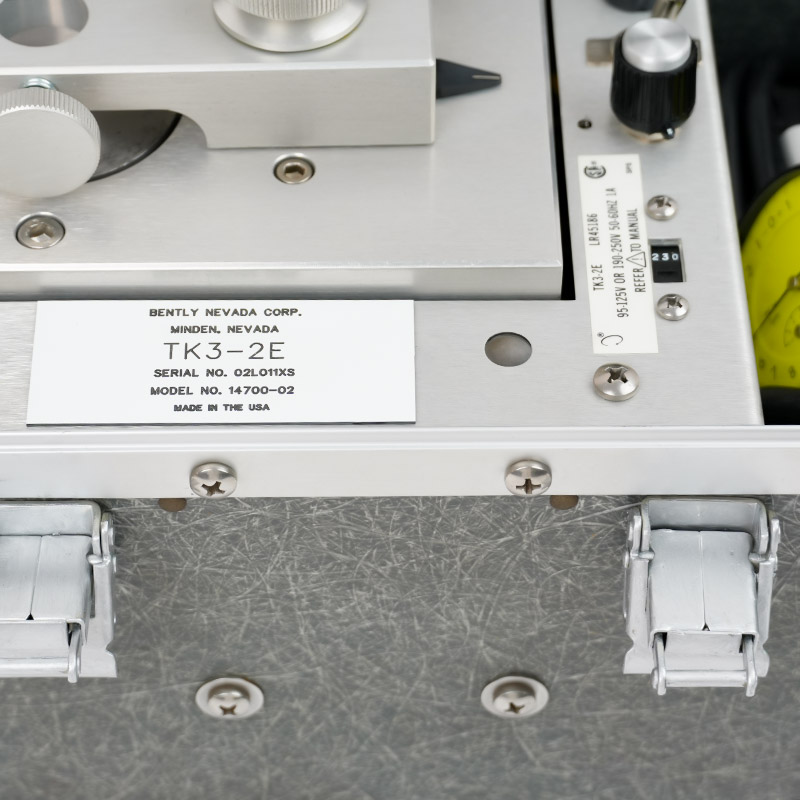
- Dual power supply options support 95–125 VAC or 190–250 VAC, 50/60 Hz (minimum current 1A)
- Compatible with standard mechanical proximity probes with tip diameters from 5 mm to 19 mm via a universal mounting bracket
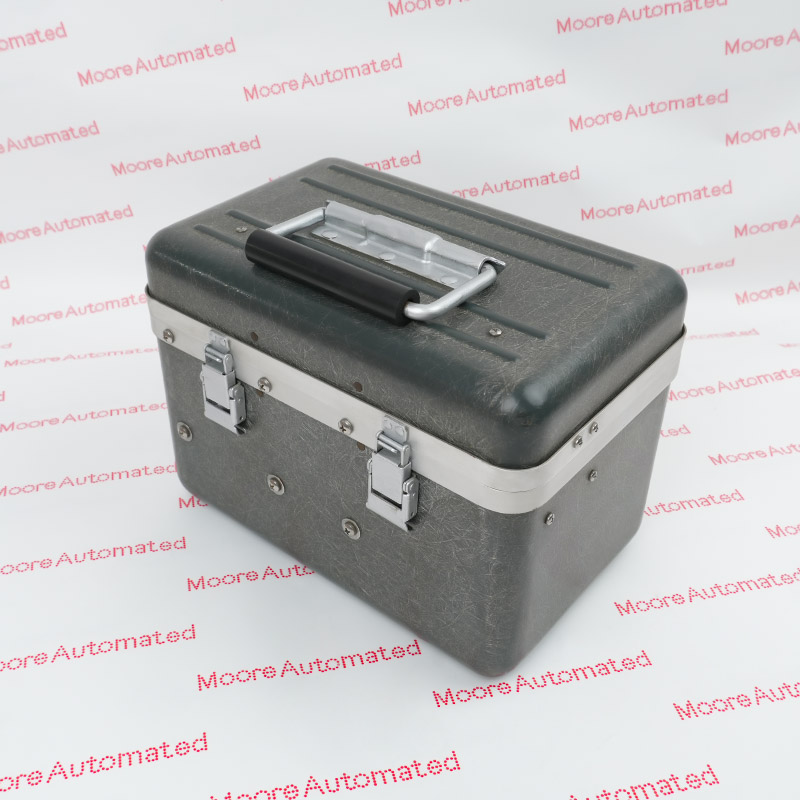
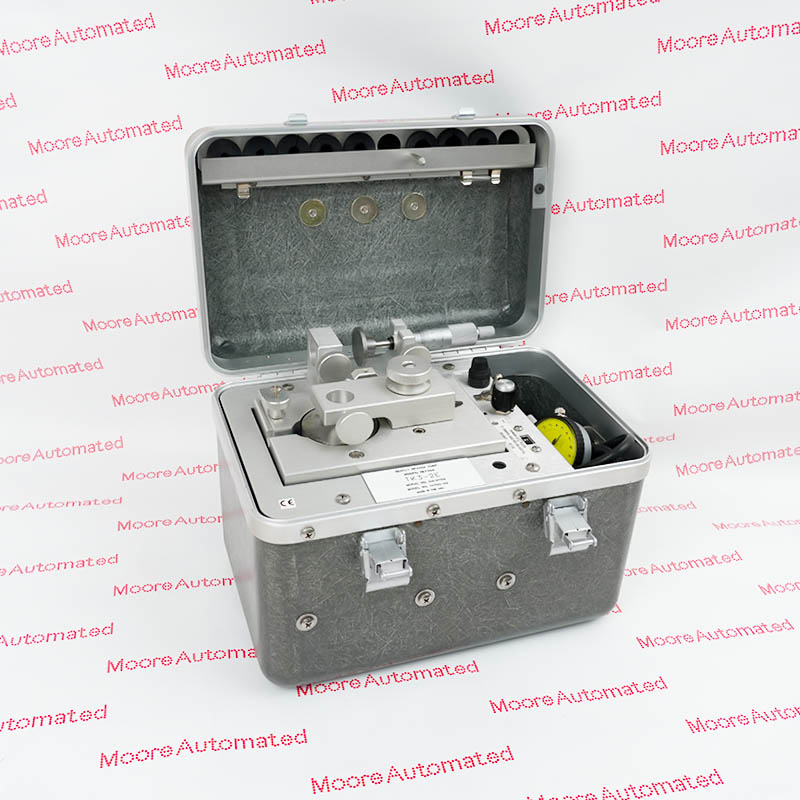
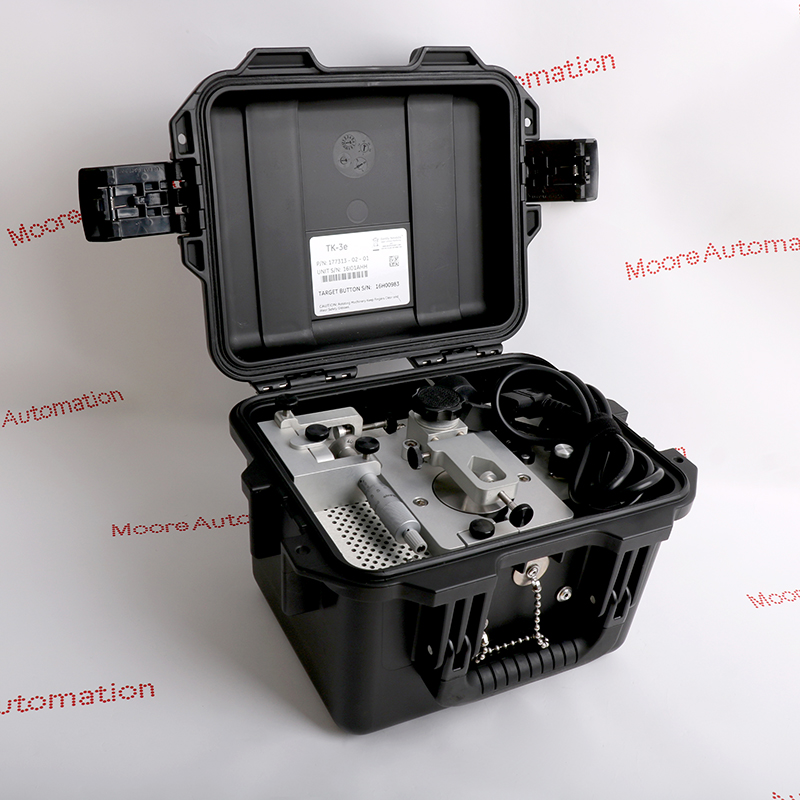
The TK-3 Proximity System Test Kit simulates shaft vibration and position for calibrating Bently Nevada monitors. It verifies the operating condition of the monitor readouts as well as the condition of the proximity transducer system. A properly calibrated system ensures that the transducer inputs and the resulting monitor readings are accurate.
TK3 Proximity System Test Kit. The user can then compare a vibration monitor’s reading to the known mechanical vibration signal input viewed by the proximity probe. The mechanical vibration signal from the TK3 can range from 50 to 254 μm (2 to 10 mils) peak-to-peak.
The TK3-2E Bently Nevada Proximity System Test Kit may still be available for purchase and support from Moore Automated Company beyond End-Of-Life (EOL) by the manufacturer (OEM).
Bently Nevada TK3-2E Proximity System Test Kit Manuals(Datasheets), Link
Important Notice: Other accessories, manuals, cables, calibration data, software, etc. are not included with this equipment unless listed in the above stock item description. All prices are shown in USD.
The TK-3 uses a removable spindle micrometer assembly to check the transducer system and position monitor calibration. This assembly features a universal probe mount that will accommodate probe diameters from 5 mm to 19 mm (0.197 in to 0.75 in). The mount holds the probe while the user moves the target toward or away from the probe tip in calibrated increments and records the output from the Proximitor Sensor using a voltmeter. The spindle micrometer assembly also features a convenient magnetic base for ease of use in the field.
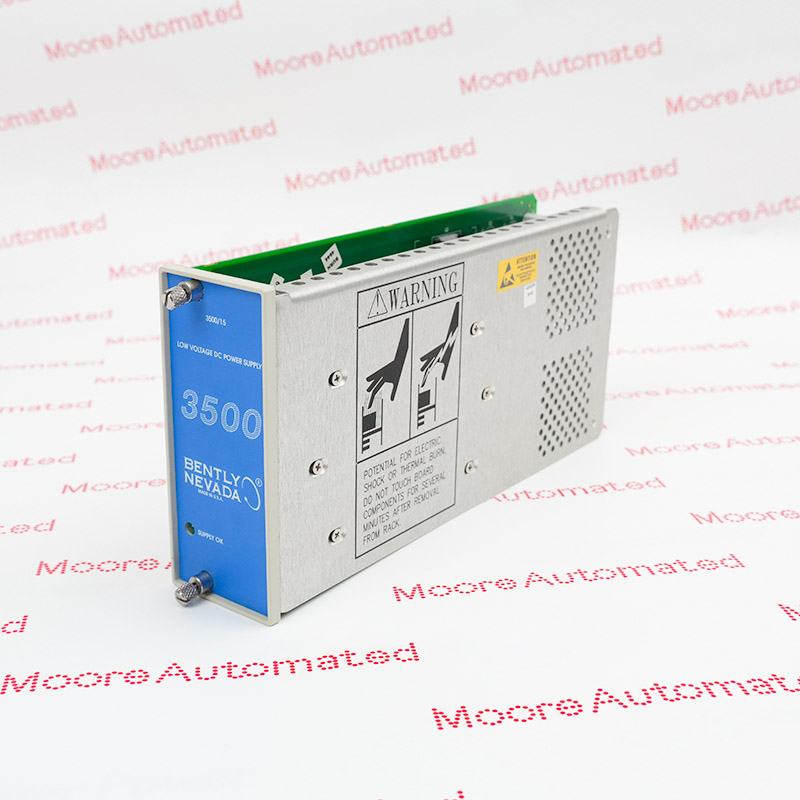
Reliability engineers and instrumentation engineers use the TK3-2E to pinpoint fault locations before opening complex machinery or replacing hardware. By connecting a voltmeter to the proximity circuit, users can precisely determine whether calibration drift or false alarms are caused by a faulty probe tip, a bent extension cable, a faulty proximity box, or an incorrectly configured monitoring channel rack.