




MP 3009X
Get A Quote
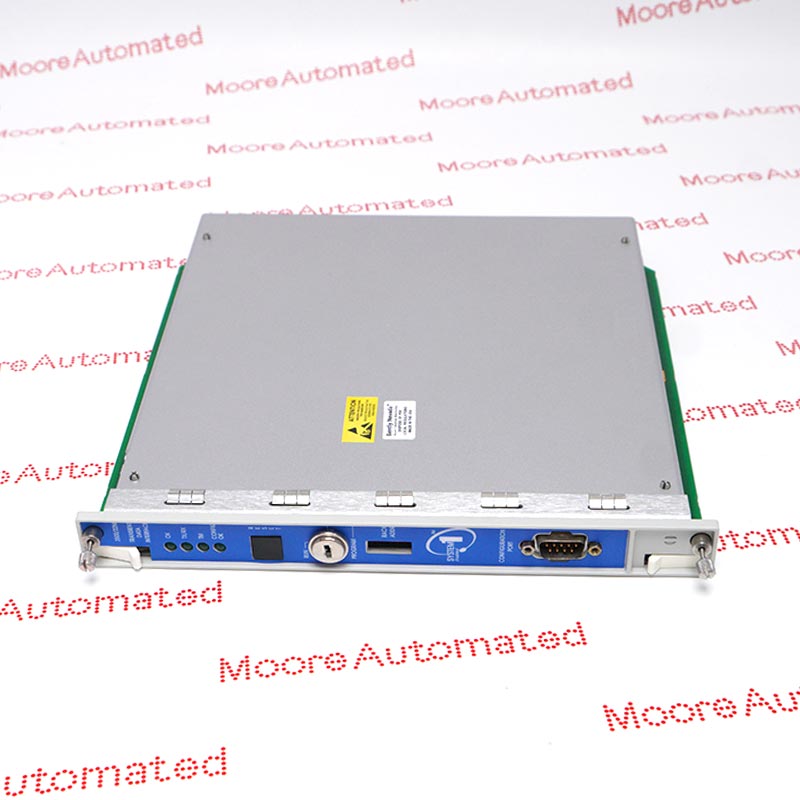
People often assume that as long as a Programmable Logic Controller (PLC) or Distributed Control System (DCS) module stays in its box, it remains in perfect condition. This is a dangerous mistake that can lead to massive financial losses. This risk is even higher for critical protection cards like the VIBRO METER VM600 MPC4 200-510-071-113, which are expected to work instantly when needed. Electronic parts are not like mechanical tools; they are complex systems that slowly break down due to chemical and physical changes over time. If a critical controller fails in a factory, you need the replacement to work immediately. A "dead on arrival" spare can turn a small problem into a multi-million dollar disaster. Using the right methods to manage these parts prevents emergency failures and keeps your factory running.
Good storage starts with controlling the air around your parts. If you ignore heat or moisture, your expensive modules will start to break down long before you ever plug them in.
Temperature control is not just about stopping a part from getting too hot. High temperatures speed up the chemical reactions that age electronics. Many parts use metal contacts that rust faster when the air is hot. Electrolytic fluids inside parts can also evaporate more quickly. For most PLC and DCS modules, keeping the room between 20℃ and 25℃ (68℉ to 77℉) is the best choice for long-term health.
Cold temperatures can be just as bad. When parts get too cold, materials inside them shrink at different rates. This can cause tiny cracks in the solder or layers of the circuit board to pull apart. Rapid changes in temperature are the biggest threat. If you move a cold module from a warehouse into a warm, humid control room, moisture will form on the cold metal. This is called condensation. If you power up a wet module, it will likely short circuit and fail immediately.
Moisture in the air is a constant threat to stored electronics. If the air is too damp, it allows tiny conductive paths to grow on the circuit boards. If the air is too dry, it increases the risk of static electricity, which can fry sensitive chips. For most storage rooms, keeping the relative humidity between 30% and 40% is the best balance. This range is dry enough to stop rust but moist enough to help stop static from building up.
In very humid areas, you must use dehumidifiers or sealed cabinets. Some parts are so sensitive that moisture can seep into the plastic parts of the chips. If these chips are later heated up quickly, the trapped moisture can expand and crack the chip from the inside. To stop this, modules should be kept in vacuum-sealed bags with drying packs called desiccant.
Industrial plants often have gases like sulfur or chlorine in the air. These gases can eat away at the metal on circuit boards. The International Society of Automation (ISA) uses a system to rank how corrosive an environment is. A "G1" rating means the air is clean and won't hurt the electronics. Modern electronics made after 2006 often use silver in their solder. This makes them even more likely to rust in "G2" or "G3" environments. Storage areas for critical spares should always aim for a G1 rating to ensure the parts stay in good shape.
Even in a perfect room, parts can decay from the inside. Chemical changes in capacitors and batteries happen over time, and you must manage these changes to keep your hardware functional.
The most common reason for a spare module failing is the breakdown of electrolytic capacitors. These parts use a thin layer of insulation to hold an electrical charge. This layer stays healthy as long as the part has power. When a module sits on a shelf without power, the chemical inside the capacitor starts to eat away at the insulation. If you suddenly apply full power to a module that has been stored for years, the weak insulation can fail. This causes a short circuit, and the capacitor might even explode.
To stop this, you must use a process called capacitor reforming. This involves slowly increasing the voltage to the module over several hours. This slow power-up allows the chemicals to rebuild the insulation layer without damaging the part. Any module stored for more than one year should be reformed before it is put into a live system. Some companies use portable tools to do this on a test bench.
Many older PLC modules use lithium batteries to save their memory. If the battery dies while the part is on the shelf, you will lose the program and the settings. Even if you never use the part, the battery slowly loses its charge. A smart rule is to replace these batteries every two to three years. You should also store batteries separately from the modules if you can. This prevents a leaking battery from spilling acid onto the circuit board. Newer systems use capacitors instead of batteries, but these still need to be powered up once a year to stay healthy.
Correct packaging acts as a second skin for your electronics. It blocks out the tiny threats that your eyes can't see, like static electricity and moisture that hangs in the air.
When storing electronic spare parts, you need a system that stops moisture from reaching the circuit board. A professional "Dry Pack" uses several layers. First is a Moisture Barrier Bag (MBB). These are thick, silver bags that stop air and moisture from passing through. Inside the bag, you add a desiccant pack. This pack sucks up any moisture that was trapped when the bag was sealed.
You should also include a Humidity Indicator Card (HIC). This is a small card with spots that change color if the air inside the bag gets too damp. This lets a technician check if the seal is still good without having to open the bag and test the part. When you seal these bags, don't suck all the air out like a food sealer. A strong vacuum can pull the bag too tight against sharp corners on the board, causing tiny holes that let moisture in.
Static electricity is a silent killer for PLCs. You might touch a module and not even feel a spark, but that tiny charge can destroy a microchip or weaken it so it fails later in the field. For advanced protection cards like the VIBRO METER VM600 MPC4 200-510-071-113, even a minor electrostatic discharge can cause hidden damage that only appears during operation. You must always use anti-static packaging to transport or store modules. These bags act like a shield, moving any static charge around the outside of the bag instead of through the part.
Any area where you handle these parts should be an Electrostatic Protected Area (EPA). This means the floors and tables are grounded. Technicians should wear grounded wrist straps or special shoes to bleed off any static charge from their bodies. You should only touch modules by their plastic edges or front panels. Never touch the gold pins or the tiny components on the board.
Managing a warehouse is more than just stacking boxes. You need clear rules for which parts to use first and how to track the software inside each module to prevent mismatches.
Following PLC storage best practices means having a plan for which parts to use. You should follow a First-In, First-Out (FIFO) rule. This means you always use the oldest spare part first. This prevents modules from sitting on the shelf so long that they become too old to trust. You should also rank your parts by how critical they are. A part that can stop the whole plant if it fails needs better storage and more frequent checks than a simple fuse or connector.
A PLC module's hardware is only half the story. The software inside it, called firmware, must match the system it is joining. If you pull a spare from the shelf and its firmware is five years old, it might not talk to your newer modules. This can cause hours of downtime while technicians try to figure out why the "new" part won't work.
Keep a log of the firmware version on every spare module. If you update the firmware in your live system, you should update your spares too. Labeling the outside of the anti-static bag with the firmware version is a simple way to save time during an emergency.
The reliability of your factory depends on the parts you keep on your shelves. Treating spares as active assets rather than junk in a box is the best way to ensure your plant stays running. By controlling the room temperature, managing moisture with the right bags, and performing regular maintenance like capacitor reforming, you can stop "dead on arrival" failures. These steps might take extra time and money now, but they are far cheaper than a week of lost production because a spare part failed when you needed it most.
Most parts are safe for up to 12 months. After one year, the chemicals in the capacitors and the batteries begin to fail. You should check and power up any part that has been on the shelf for more than a year.
No. Regular plastic and bubble wrap create a lot of static electricity. You must use special anti-static bubble wrap or pink foam that is made for electronics. The part itself should always be inside a static-shielding bag first.
If you apply full power to a drive or module that has sat for years, the internal insulation can fail. This often leads to a loud "pop," smoke, or a fire inside the unit, destroying it instantly.
Yes. Original boxes are made to fit the part and protect it during shipping. However, you should still put the part in a vacuum-sealed bag if your warehouse is not perfectly climate-controlled.


Copyright Notice © 2026 mooreautomated.com All rights reserved,Moore Automated is not an authorized distributor or representative of the manufacturers featured on this website. Brand names and trademarks featured are the property of their respective owners.


Leave Your Comment