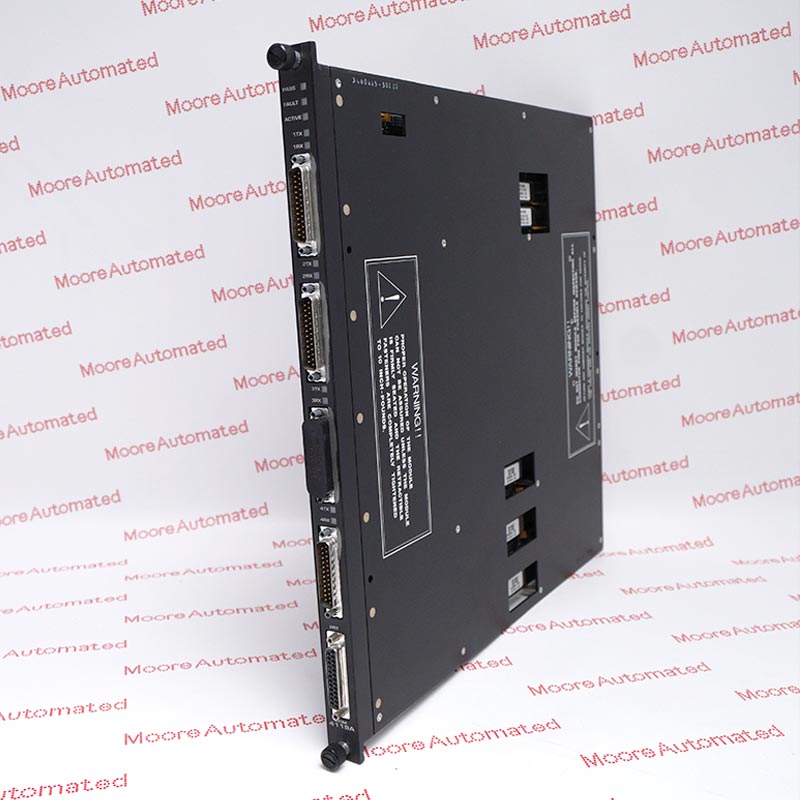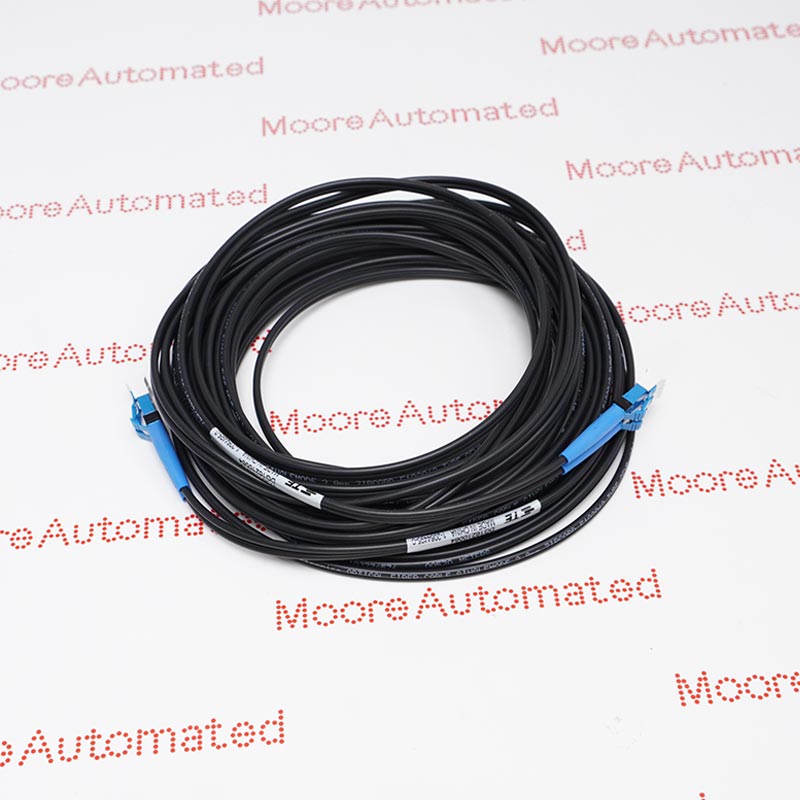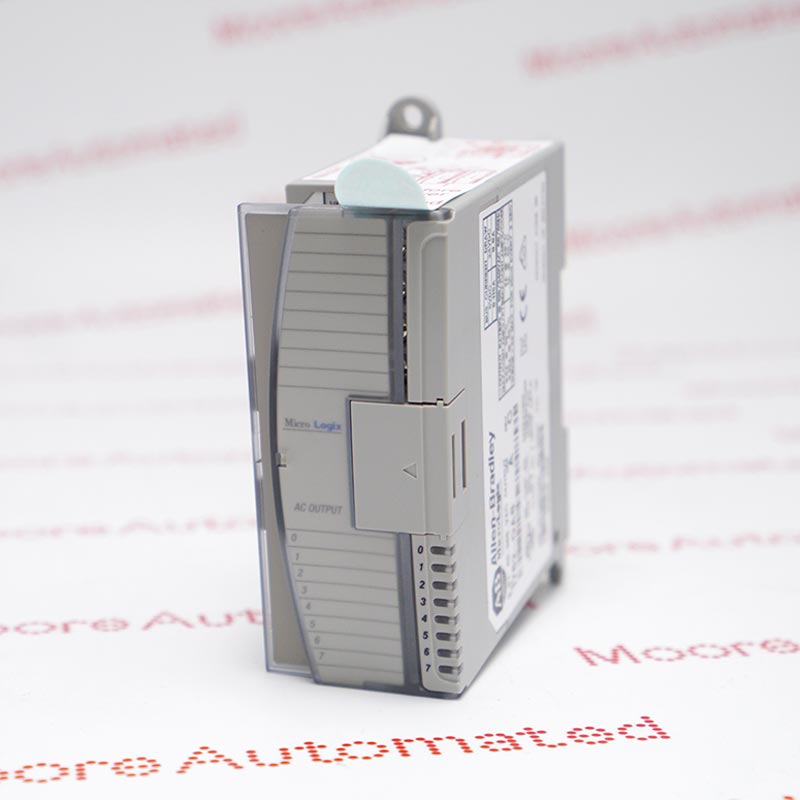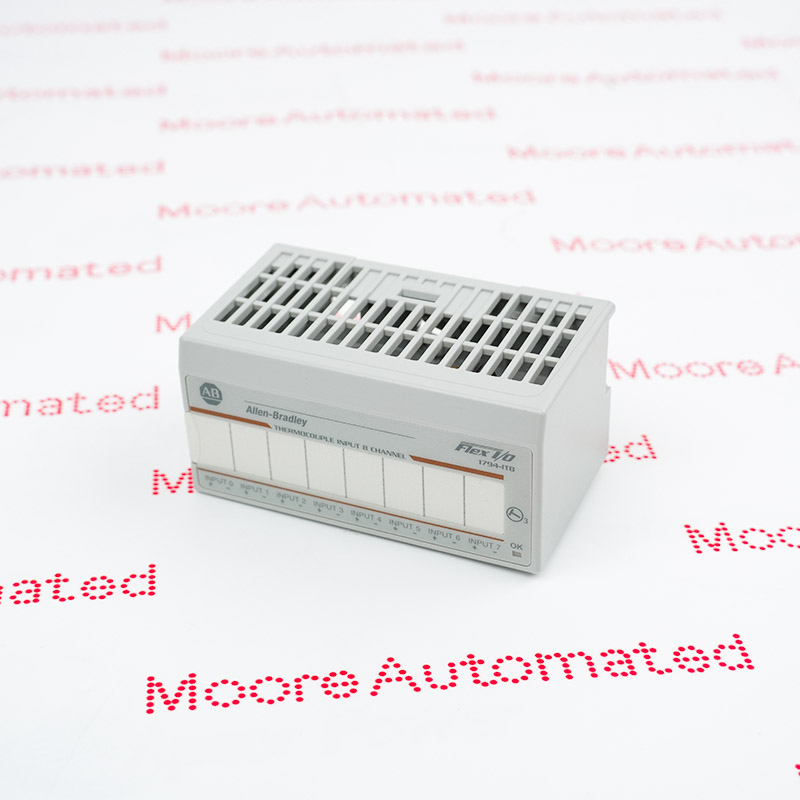
Output 12/24VDC POS LOGIC 0.5 amp per point(1 group of 16) 16 points
In Stock
Product Information:
This is a 16-point discrete relay output module
for industrial automation control systems
belonging to the GE Fanuc/Emerson VersaMax I/O series
It is suitable for AC/DC mixed load control scenarios
What is the fundamental electromechanical switching architecture implemented in the IC200MDL740?
A1. The IC200MDL740 utilizes a relay-based electromechanical output structure with 16 discrete channels. This architecture enables galvanic isolation between field devices and logic circuitry, making the IC200MDL740 suitable for mixed-voltage industrial automation environments where electrical separation is critical.
Q2. How does the IC200MDL740 achieve channel-level isolation and what dielectric strength characteristics define its safety margin?
A2. The IC200MDL740 provides robust channel-to-channel and channel-to-backplane isolation through relay contact separation and internal insulation design. Its dielectric withstand capability ensures operational resilience against transient overvoltages and industrial surge conditions, reinforcing the IC200MDL740’s suitability for harsh electrical environments.
Q3. What load classifications and switching envelope constraints govern the IC200MDL740 operational performance?
A3. The IC200MDL740 supports both resistive and inductive loads, with defined limits on voltage and current per relay contact. Its switching envelope is engineered to accommodate industrial control loads while maintaining contact reliability under repetitive actuation cycles.
Q4. How does the IC200MDL740 mitigate arc formation and contact erosion during inductive load interruption?
A4. The IC200MDL740 reduces contact degradation through controlled relay actuation characteristics and external suppression techniques (e.g., flyback diodes or RC snubbers). These strategies minimize back-EMF effects and extend the operational lifecycle of the IC200MDL740 relay contacts.
Q5. In what way does the IC200MDL740 integrate into the VersaMax backplane communication and scan-cycle synchronization model?
A5. The IC200MDL740 interfaces directly with the VersaMax backplane, receiving output state commands from the CPU during each scan cycle. This deterministic mapping ensures that the IC200MDL740 responds in synchrony with PLC logic execution timing.
Q6. How does the IC200MDL740 provide operational diagnostics and module-level status visibility?
A6. The IC200MDL740 incorporates LED indicators that reflect channel activity and module health status. These diagnostic outputs enable real-time monitoring of output states and assist in rapid fault isolation during system troubleshooting.
Q7. What environmental resilience parameters define the operational stability of the IC200MDL740 in industrial conditions?
A7. The IC200MDL740 is engineered to operate within industrial temperature, humidity, and vibration ranges. Its mechanical relay construction provides tolerance against electrical noise and environmental fluctuations commonly encountered in factory automation systems.
For more information on how your data is processed and stored by Moore automated please read our privacy policy.
Trusted by 5,000+ plants worldwide | Backed by our vast inventory of top-tier control parts, drives and servo motors, fast shipments are dispatched to cover your urgent needs. ABOUT US >>
Moore Disclaimer: Moore Automated's sales automation equipment and related solutions are intended for industrial automation and business operational efficiency improvement purposes only. Product information, technical parameters, and application cases are for reference only and do not constitute an absolute guarantee of performance for any specific industry, scenario, or final application. Actual equipment performance may vary depending on factors such as the usage environment, system integration method, and maintenance conditions. Users should confirm compatibility and safety based on professional technical assessments. Moore Automated assumes no liability for any direct or indirect losses caused by improper use, modification, or failure to operate according to specifications, to the extent permitted by law.