



Registered Address: 32D Floor Guomao Building, No.388, Hubin South Road, Siming District, Xiamen,Fujian, China
ISO 9001:2015 Certified
Our quality management system covers sourcing,testing and dispatch
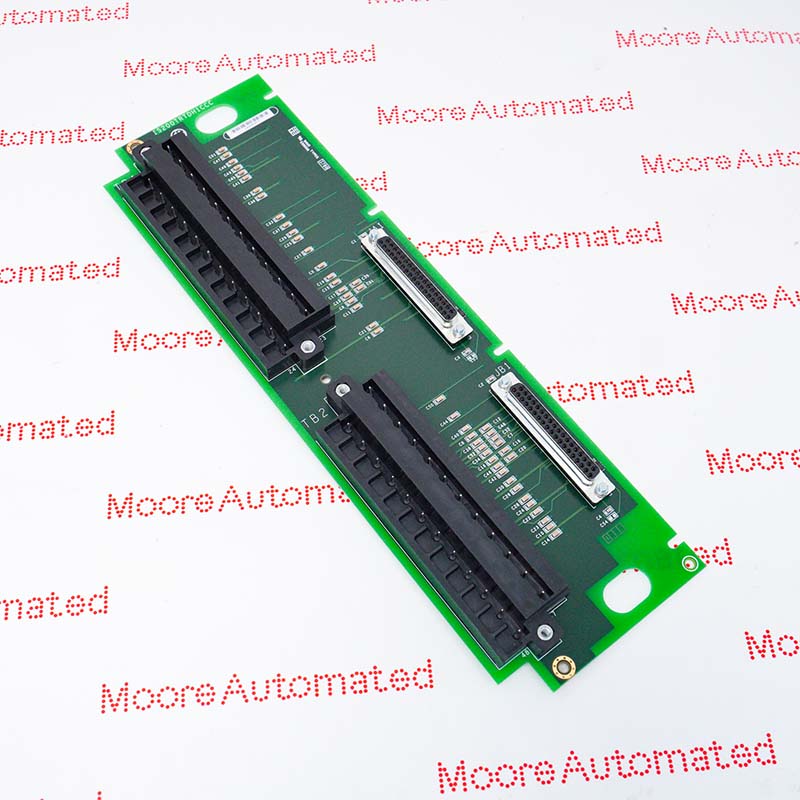
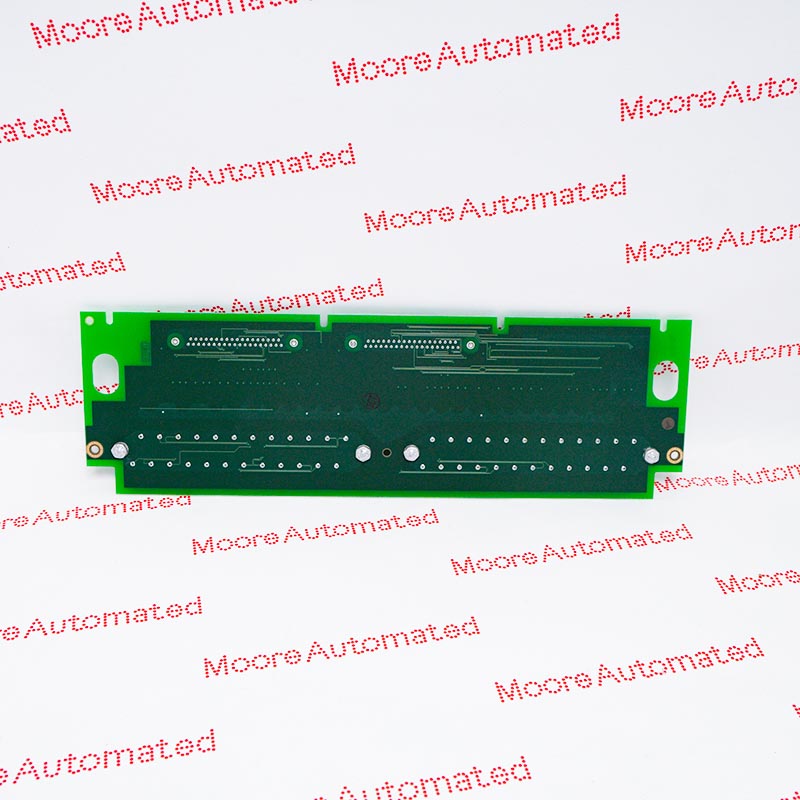
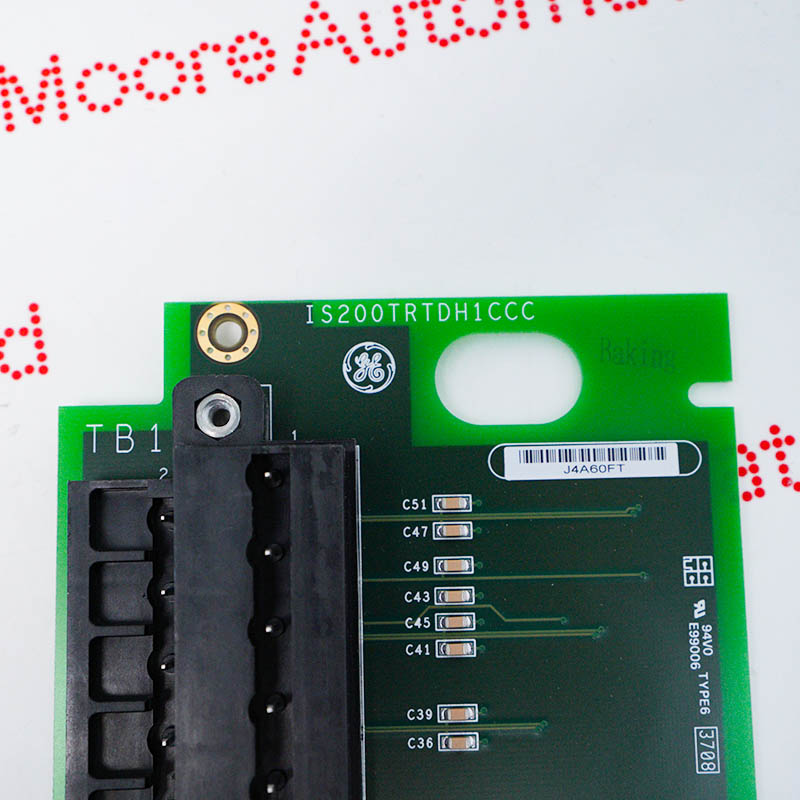
IS200TRTDH1CCC is a GE temperature resistance terminal module used within the GE Speedtronic turbine-control architecture. It provides the specified temperature resistance terminal module function while retaining the complete order code, hardware execution and receiving-system compatibility during replacement. Its documented functional acronym is TRTD.
Channel Setup: IS200TRTDH1CCC performs the temperature resistance terminal module function within the GE Mark V / Mark VIe Speedtronic. The retained documentation identifies functional acronym as TRTD; apply that value only to this documented execution.
Match the complete label, hardware form and functional position before transferring any setting, cable or termination from the removed unit.
System Context: approve IS200TRTDH1CCC only for the documented GE Speedtronic turbine-control architecture. Compare rack, carrier or panel generation, connector keying, terminal numbering and all paired assemblies with the installation drawings.
Photograph both sides and the installed position before removal so revision markings, jumpers, addressing and channel allocation can be reconstructed accurately.
Site Testing: isolate the equipment, remove stored energy and inspect the receiving hardware before installing IS200TRTDH1CCC.
Restore power in the approved sequence, review status and diagnostics, then test every affected control, signal, relay, communication, protection or monitoring path against the commissioning record.
Verify that the supplied item is marked IS200TRTDH1CCC and that its temperature resistance terminal module form, faceplate, connectors and printed revision agree with the approved GE Mark V / Mark VIe Speedtronic receiving record.
Retained product evidence for this execution includes Functional Acronym: TRTD; Assembly Version: Normal Assembly. Use photographs of the label and installed position to resolve ambiguity before shipment or installation.
For IS200TRTDH1CCC, provide the installed GE Speedtronic turbine-control architecture, required condition, quantity, receiving slot or mounting position and every connected terminal, cable or carrier assembly.
Record revision restrictions, configuration or calibration dependencies, testing requirements and required certificates so the quoted temperature resistance terminal module matches the maintenance scope.
Confirm the current OEM lifecycle stage for IS200TRTDH1CCC against manufacturer records at quotation. The supplied temperature resistance terminal module is matched by its complete hardware identity, revision and included assemblies.
Any alternative is proposed only after the receiving GE Speedtronic turbine-control architecture, interfaces, configuration dependencies and commissioning requirements have been reviewed.

Registered Address: 32D Floor Guomao Building, No.388, Hubin South Road, Siming District, Xiamen,Fujian, China
MooreAutomated.com is the official website and primary online platform operated by Moore Automation Limited. The website provides information about the company’s industrial automation parts sourcing services, product coverage and customer support. Moore Automation Limited operates as an independent supplier and is not an authorized distributor or representative of the manufacturers displayed on this website unless expressly stated.