



Registered Address: 32D Floor Guomao Building, No.388, Hubin South Road, Siming District, Xiamen,Fujian, China
ISO 9001:2015 Certified
Our quality management system covers sourcing,testing and dispatch


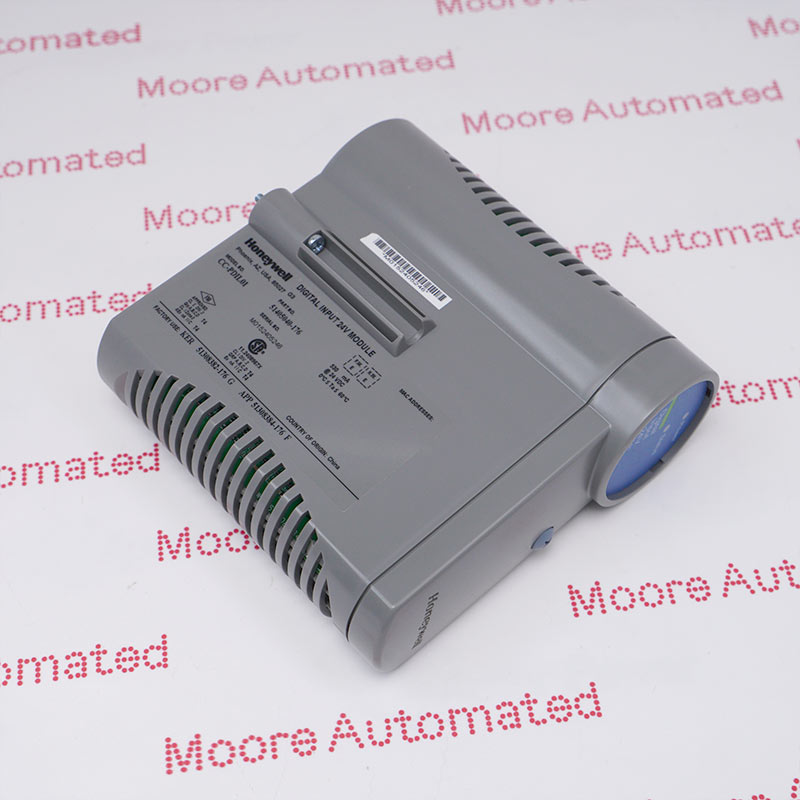
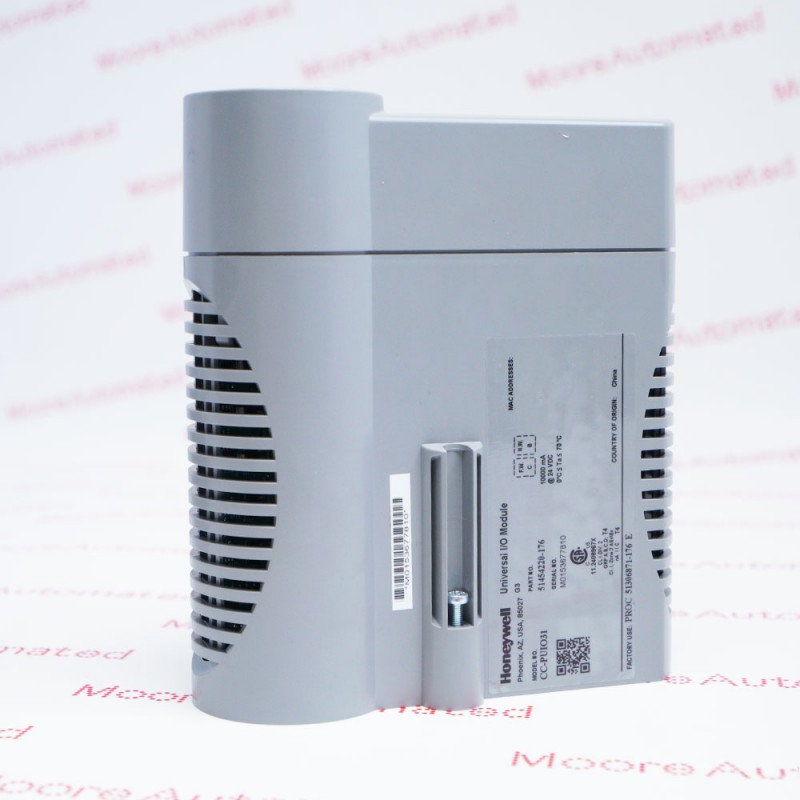
Honeywell identifies CC-PPIX01 as a Series-C pulse input module for C300 systems, with eight single-channel or four dual-channel inputs in mixed configurations and two outputs. The December 2021 specification pairs it with CC-TPIX11 IOTA and gives different frequency ranges for single versus dual mode. Fast cutoff applies to specified output channels. Verify the additional 51410089-175 marking and installed configuration.
Honeywell's December 2021 Series-C I/O specification lists CC-PPIX01 Pulse Input with a CC-TPIX11 redundant 12-inch IOTA. The input count is eight in single mode or four dual-pulse pairs; mixed single and dual channel assignments are supported. Its frequency table states 0–100 kHz for single channels and 0–10 kHz for dual channels, with 0–35 VDC input voltage and high-impedance differential optical isolation rated at 1000 VDC. It gives two outputs. These limits depend on the chosen channel mode and approved wiring; applying the single-channel 100 kHz ceiling to dual-pulse measurement would be incorrect.
The same Honeywell section describes calculated rate, accumulated pulse values, MeterSuite support and fast cutoff for output channels 7 and 8. The specified fast-cutoff latency is 1 ms maximum, but that is not a universal end-to-end shutdown guarantee. Minimum pulse width is 3 µs with pulse-width rejection off or 20 µs with it on; a footnote gives a distinct requirement for dual-channel operation. Before an authorized replacement, record the complete 51410089-175 and CC-PPIX01 labels, firmware, CC-TPIX11 IOTA, single/dual assignments, excitation and input thresholds, output wiring and redundancy. Afterward verify pulse counts, rate/total values, diagnostics and any approved cutoff test under site procedure.
Honeywell identifies CC-PPIX01 as a Series-C pulse input module with a CC-TPIX11 redundant IOTA. It is designed to provide C300 with pulse measurements, calculated rate and accumulated total, not a general 16-channel analog input function. The reviewed PDF does not map the site's extra 51410089-175 part number. Compare the complete physical label and approved system bill of materials before accepting the additional number as an exact manufacturer cross-reference.
The manufacturer's table supports eight single inputs or four dual pairs, with mixed single/dual arrangements. The frequency limit is 0–100 kHz for a single channel and 0–10 kHz for dual-pulse operation. Minimum detectable pulse width also depends on the configured rejection function and dual-mode rule. Record the installed channel map, threshold, edge selection, excitation and field wiring rather than treating all eight positions as identical in every application.
Honeywell lists two outputs and specifies fast-cutoff output type for channels 7 and 8 only, with 1 ms maximum latency in the cited module table. The published latency is a module specification, not a blanket process-safety or final-element response promise. Check the actual output circuit, fusing, software configuration and site-approved test procedure before using cutoff in a metering or control function. Verify all pulse values and diagnostics after authorized work.
Identify CC-PPIX01 and the additional 51410089-175 marking on the supplied unit and verify the latter with Honeywell records. Match CC-TPIX11 IOTA, firmware, eight-single/four-dual or mixed configuration, input voltage, threshold, edge, excitation and field wiring. The OEM lists 0–100 kHz for single mode and 0–10 kHz for dual mode. Ensure the actual signal frequency and pulse width comply with the selected mode; do not use one mode's limit for another.
Record baseline pulse count, rate, total, diagnostics, output wiring and any MeterSuite or cutoff configuration before change. Honeywell specifies two outputs and fast cutoff for channels 7 and 8 only with 1 ms maximum module latency. Apply the site's safety, metering and change-control procedure; a published module latency does not validate a full shutdown loop. After authorized installation, test channel mode, counting, accumulated values, redundancy if configured, diagnostics and each approved output function against known signals.

Registered Address: 32D Floor Guomao Building, No.388, Hubin South Road, Siming District, Xiamen,Fujian, China
MooreAutomated.com is the official website and primary online platform operated by Moore Automation Limited. The website provides information about the company’s industrial automation parts sourcing services, product coverage and customer support. Moore Automation Limited operates as an independent supplier and is not an authorized distributor or representative of the manufacturers displayed on this website unless expressly stated.