

Registered Address: 32D Floor Guomao Building, No.388, Hubin South Road, Siming District, Xiamen,Fujian, China
ISO 9001:2015 Certified
Our quality management system covers sourcing,testing and dispatch

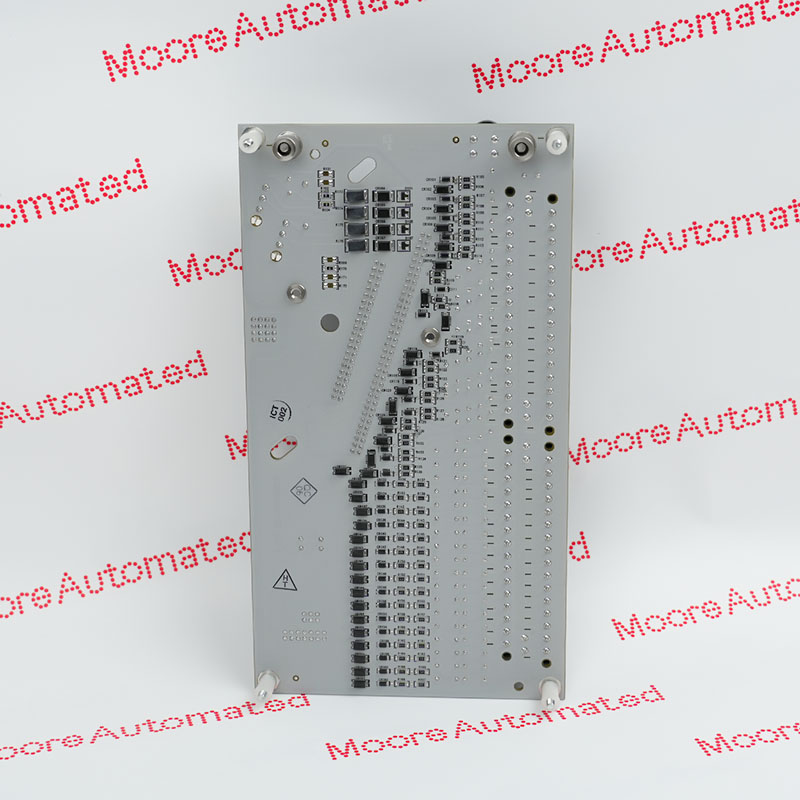
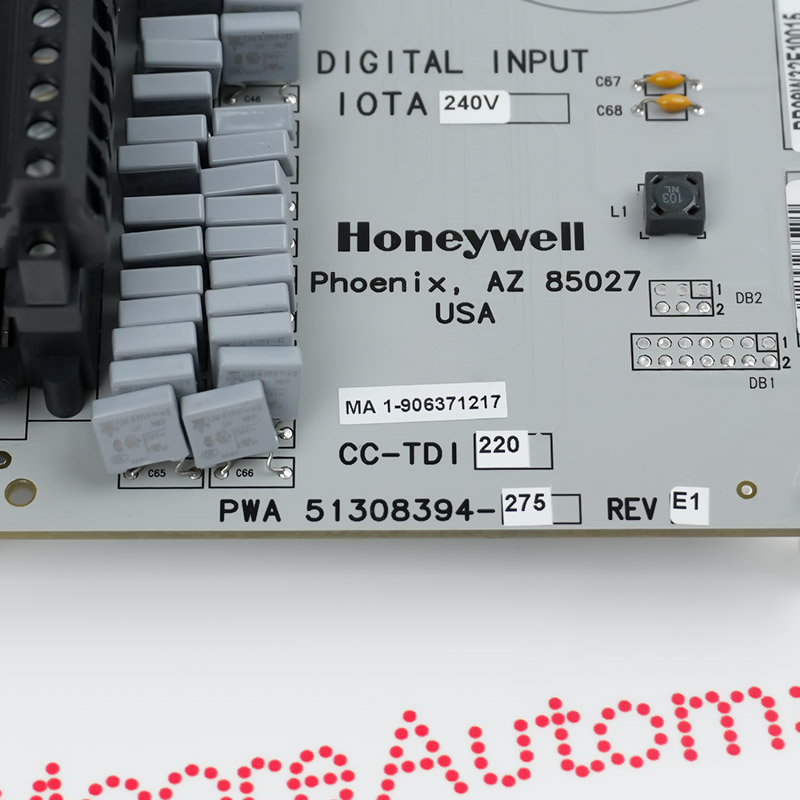
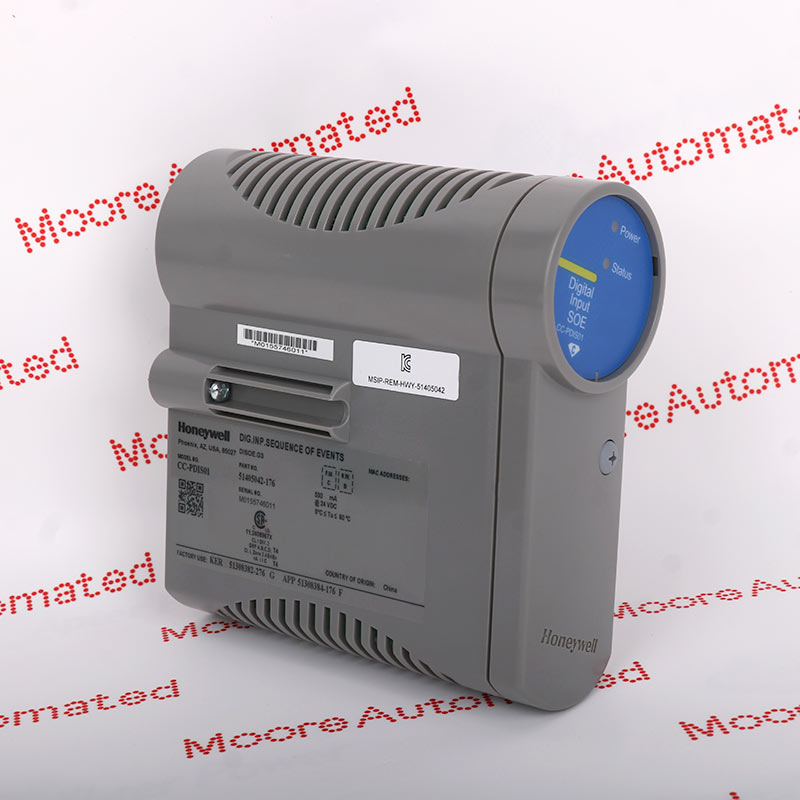
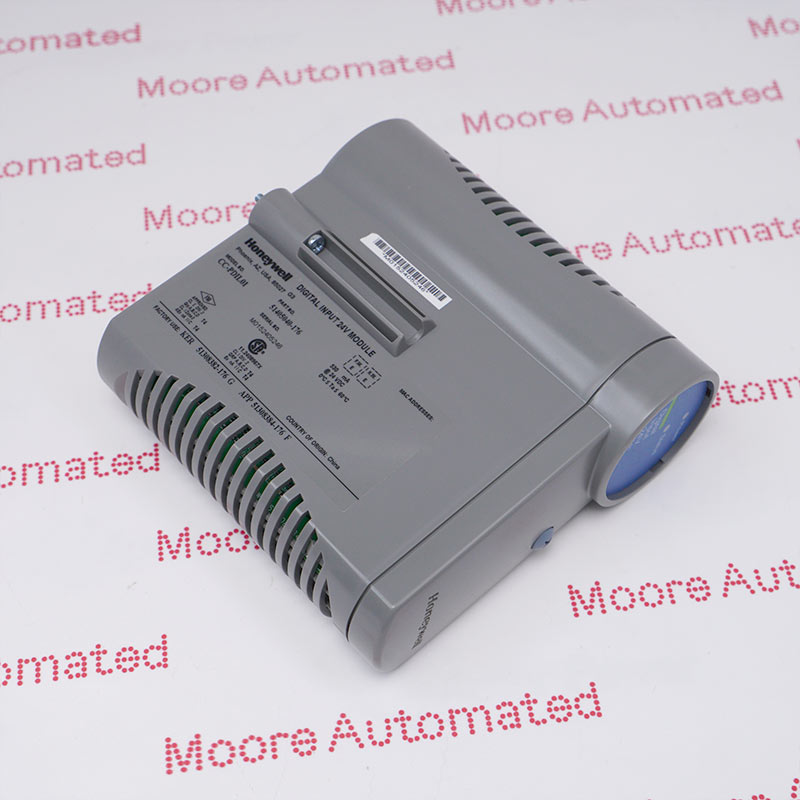
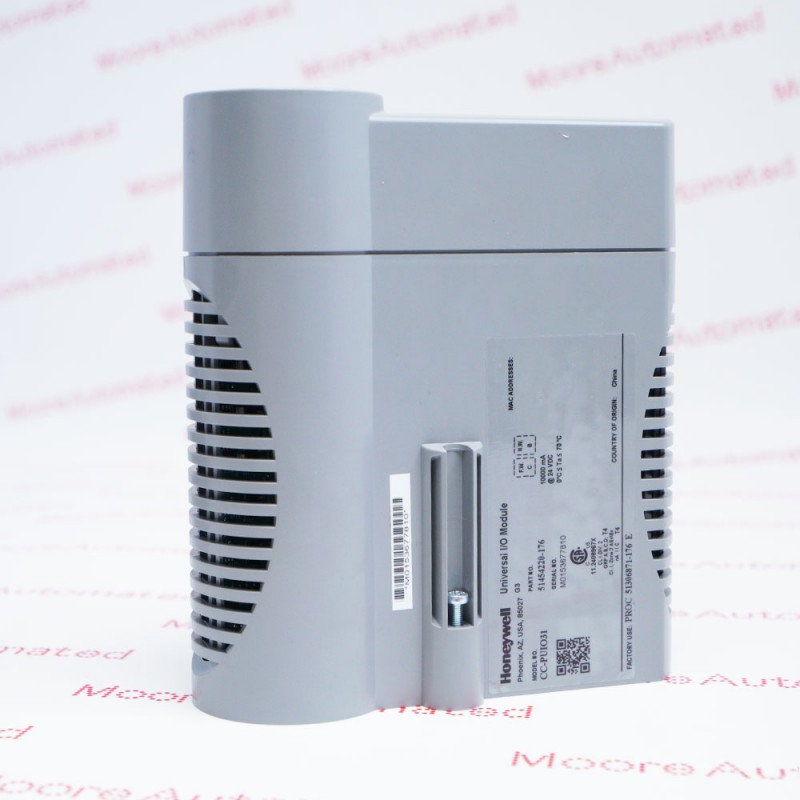
Honeywell lists CC-TDI220 as a non-redundant 9-inch Series-C high-voltage digital input IOTA paired with CC-PDIH01. Its table gives 240 VAC nominal and a 180–264 VAC RMS input range for the assembled input configuration. This is termination hardware, not the 32-channel I/O electronics module. Verify the additional 51308394-275 marking and actual field wiring before replacement.
Honeywell's Series-C I/O Specification section 5.15 lists CC-TDI220 under the 240 VAC IOTA column for the CC-PDIH01 high-voltage digital input module. The IOTA is non-redundant and shown as nine inches. The table's IOTA-specific column states 180–264 VAC RMS input-power range, 1.11 mA RMS minimum ON sense current, 0.32 mA RMS maximum OFF sense current and 47–63 Hz frequency. It also states a 25 ms maximum absolute delay across the input filter and isolation for that configuration. These details should be interpreted with the specified IOM and field circuit, not as a general-purpose terminal board rating.
For replacement, check the complete CC-TDI220 physical marking and the website's additional 51308394-275 number against Honeywell parts records, because the reviewed PDF only maps the base model. Document the installed CC-PDIH01 IOM, non-redundant nine-inch IOTA position, actual AC input voltage, terminal assignments, field isolation and controller configuration. The table's 32 channels describe the matched IOM, not independent intelligence in the IOTA. CC-TDI230 is a separately listed redundant termination and should not be substituted without system design approval. Follow high-voltage safety and site change control; after authorized work, test each affected input and diagnostics before returning the assembly to service.
Honeywell places CC-TDI220 in the IOTA-model row and CC-PDIH01 in the Input/Output Model row. This is a non-redundant nine-inch termination assembly, not an independent 32-channel I/O processor. Its role and the companion electronics both matter for a valid spare. The manufacturer table does not map 51308394-275, so compare the physical label and official parts record before claiming the extra number is confirmed.
The OEM 240 VAC IOTA column lists nominal 240 VAC, a 180–264 VAC RMS input-power range, 1.11 mA RMS minimum ON sense current, 0.32 mA RMS maximum OFF sense current and 47–63 Hz frequency. These values apply to the documented high-voltage DI configuration with CC-PDIH01. They are not universal limits for every Honeywell digital input module. Verify field voltage, terminals and circuit design before any replacement.
Honeywell lists CC-TDI220 as non-redundant and separately lists CC-TDI230 as the redundant high-voltage IOTA. A nine-inch physical arrangement and approved wiring should be checked against the installed cabinet. Do not substitute a redundant IOTA based solely on similar voltage or name. Record existing terminal mapping and diagnostics, follow applicable high-voltage isolation procedures, and test all affected inputs after authorized work.
Identify CC-TDI220 on the physical IOTA and verify the additional 51308394-275 marking through a Honeywell parts record. Confirm paired CC-PDIH01 electronics, nine-inch non-redundant position, 240 VAC nominal field circuit and the manufacturer's 180–264 VAC RMS range. Compare terminal assignments, wiring insulation, field supply and frequency with approved drawings. Do not transfer the IOM's 32-channel processing designation or the redundant CC-TDI230 arrangement to this standalone IOTA.
Record full labels, field voltage, channel-to-terminal mapping and baseline diagnostics before isolation. Use the site's high-voltage safety procedure and current Honeywell installation instructions; an IOTA specification is not authorization for live handling. Fit the verified non-redundant assembly and restore approved conductors and the companion IOM. After authorized work, prove each affected discrete input's ON/OFF state, diagnostics and expected response through the control system, and investigate any timing or voltage mismatch before service release.




Registered Address: 32D Floor Guomao Building, No.388, Hubin South Road, Siming District, Xiamen,Fujian, China
MooreAutomated.com is the official website and primary online platform operated by Moore Automation Limited. The website provides information about the company’s industrial automation parts sourcing services, product coverage and customer support. Moore Automation Limited operates as an independent supplier and is not an authorized distributor or representative of the manufacturers displayed on this website unless expressly stated.