Overview
Manuals
Principle
Key Applications
Features:
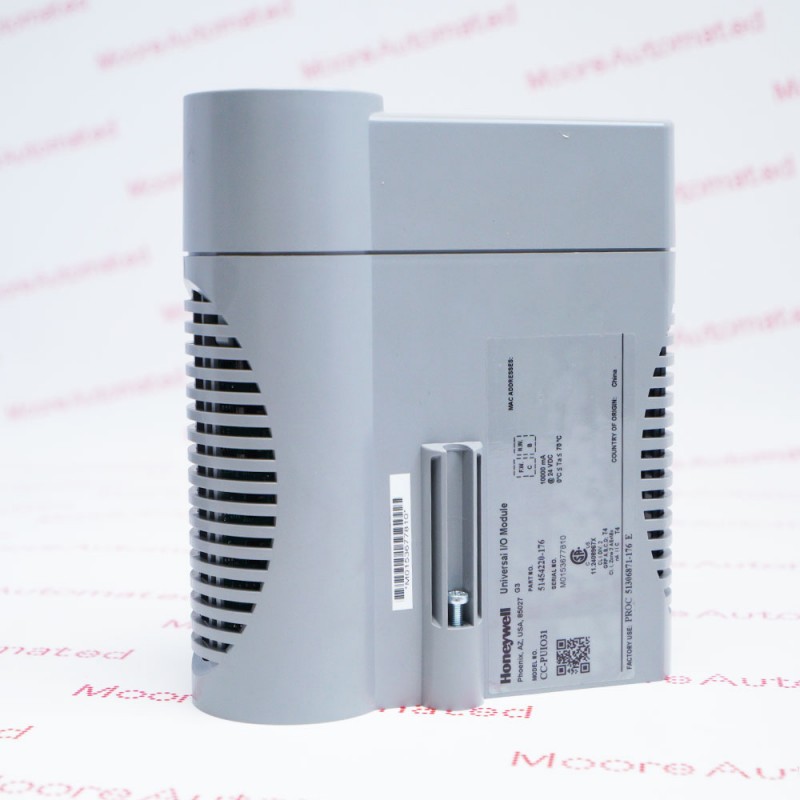
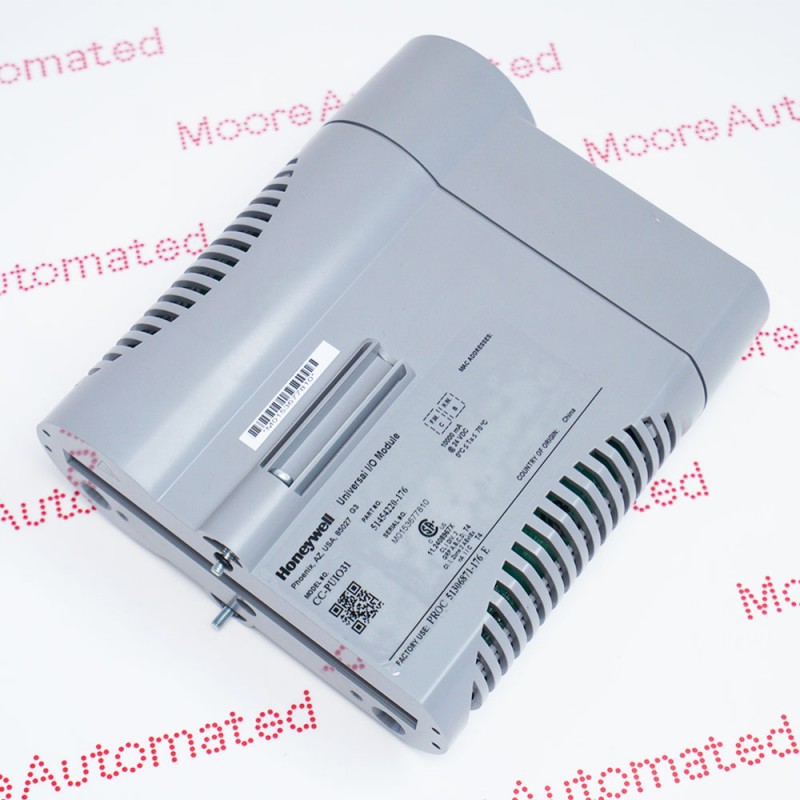
- Universal Input Output module
- Universal I/O module interfaces with analog input, analog output, digital input, and digital output field devices
- Safe-state (FAILOPT) behaviors configurable on a per channel basis for Digital / Analog Output
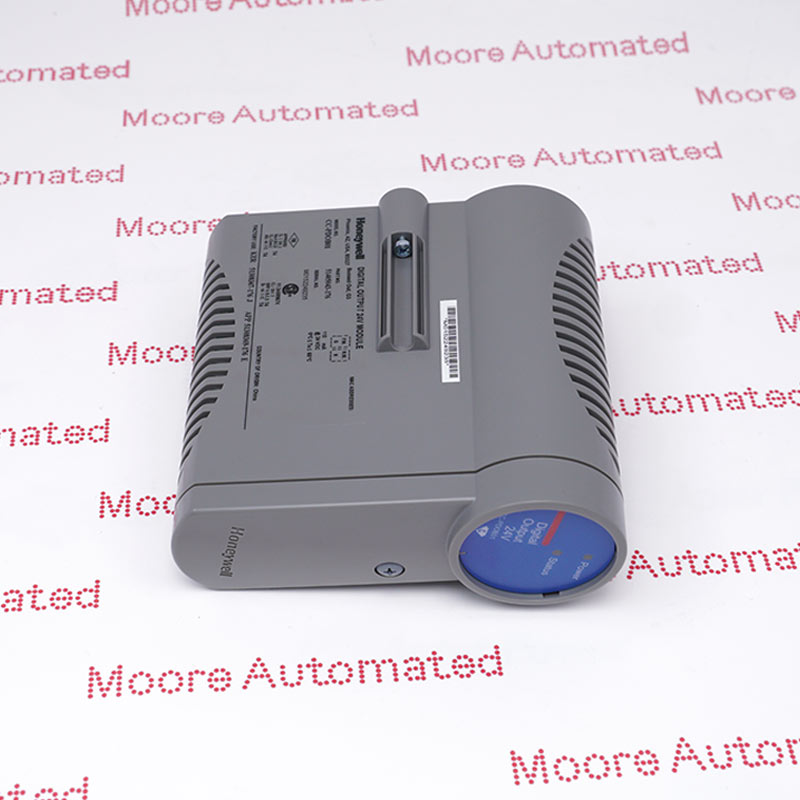
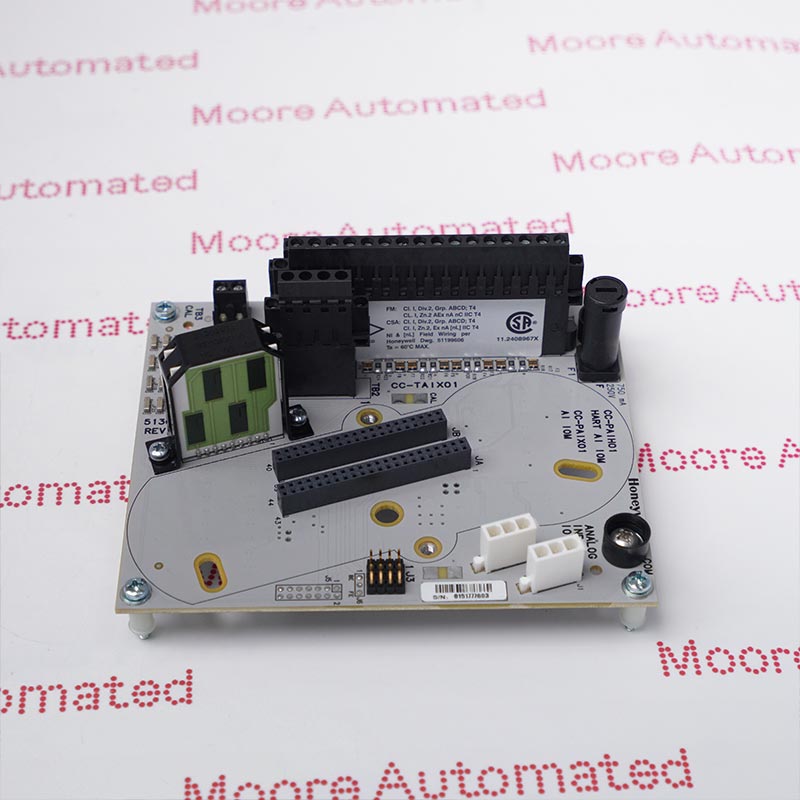
The primary function of this module is to facilitate communication between field devices (such as sensors and actuators) and the central control system. It provides multiple digital and analog input/output channels, enabling precise monitoring of process parameters and accurate control of industrial equipment, thus achieving efficient collaborative operation of complex automation systems.
This module is commonly used in environments with extremely high requirements for real-time data exchange and equipment control, such as power plants, process industries, and manufacturing. The module is designed to withstand industrial environmental conditions, such as electrical noise, vibration, and temperature fluctuations, ensuring the stable operation of the connected control system.
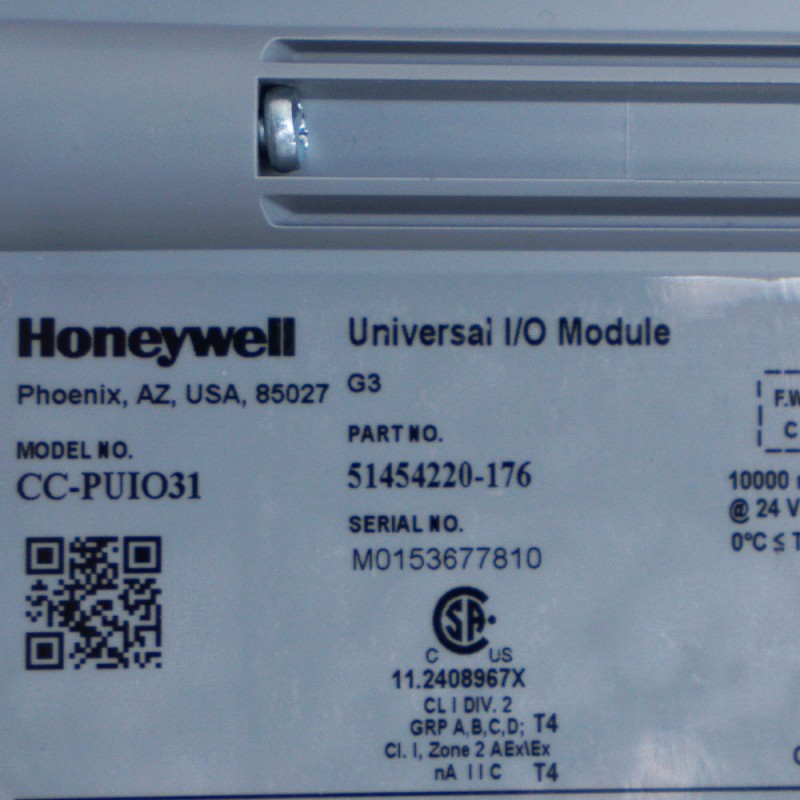
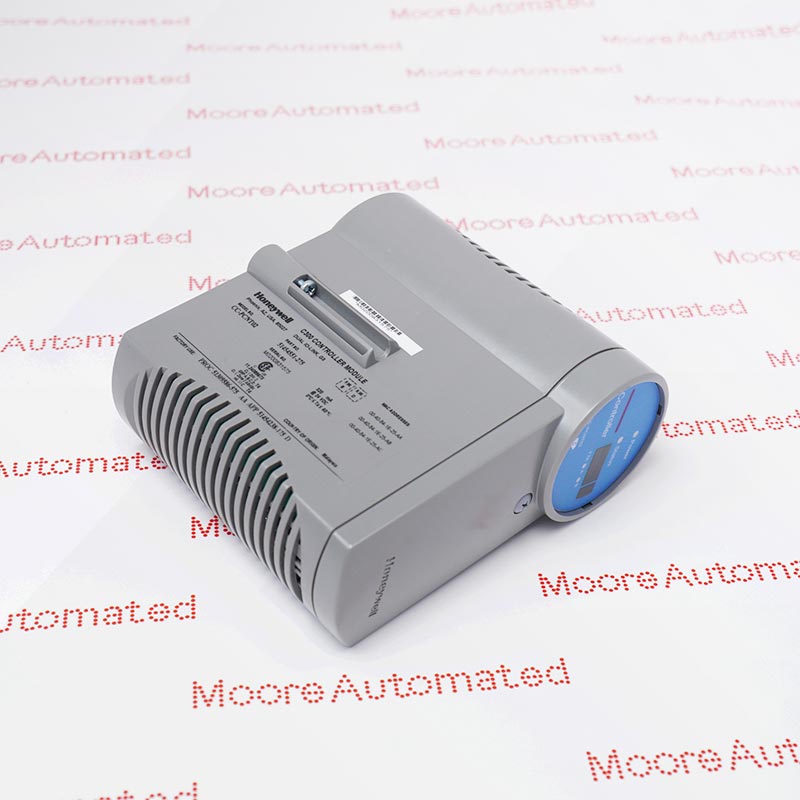
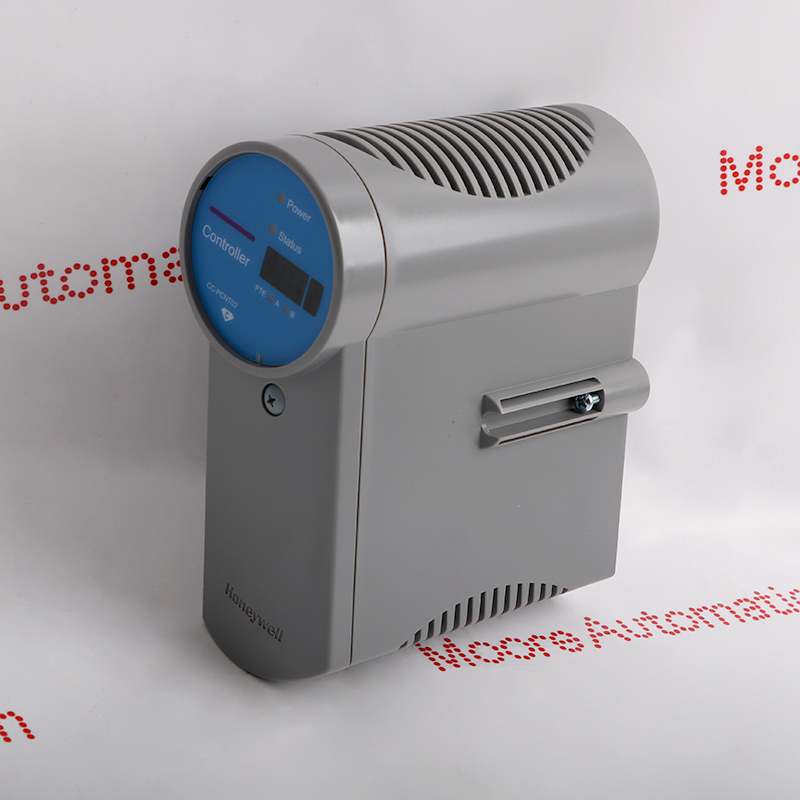
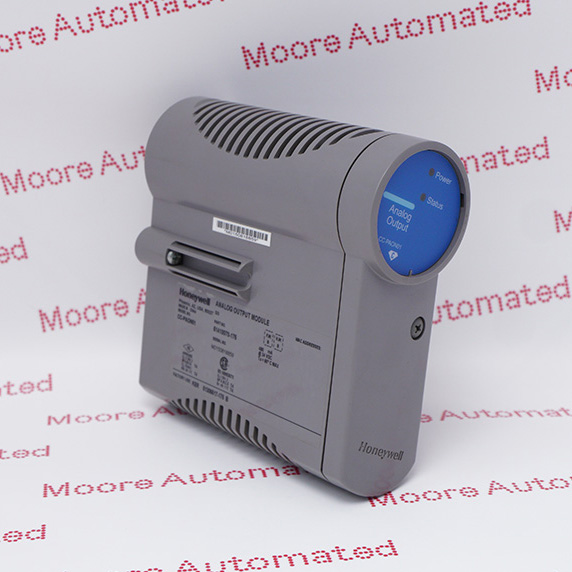
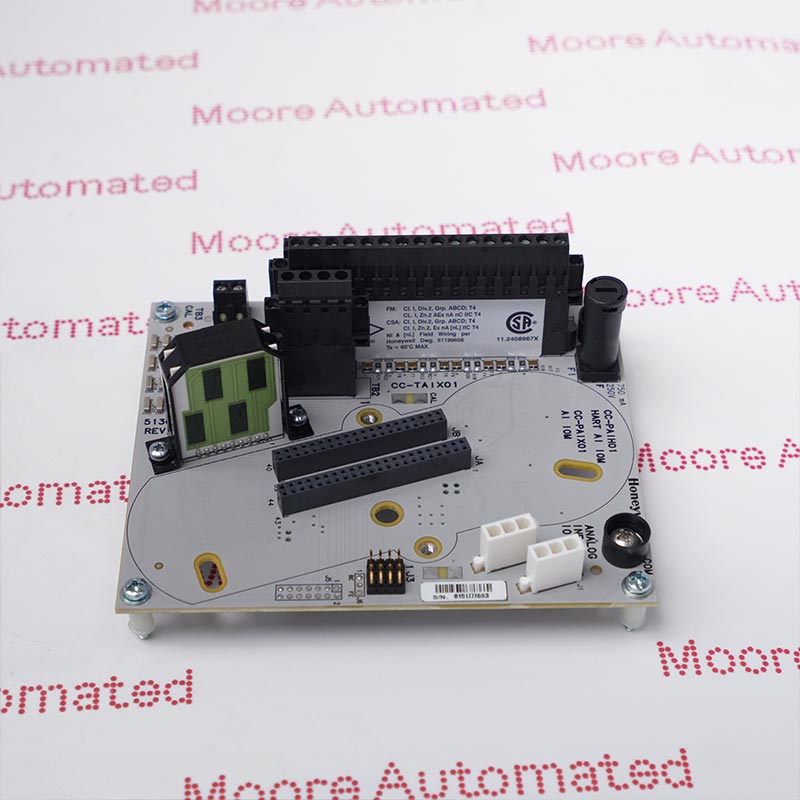
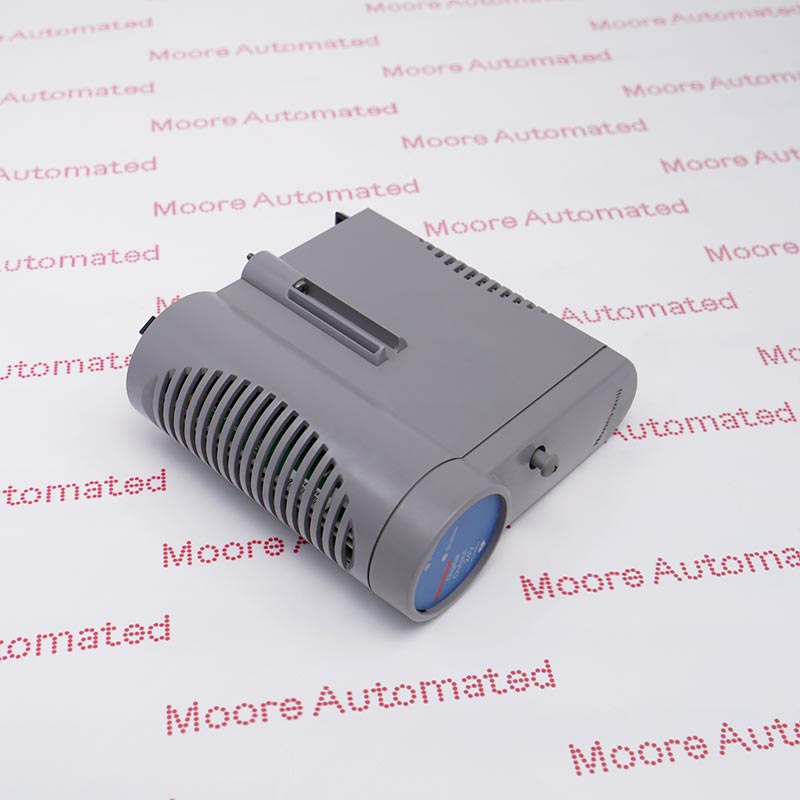
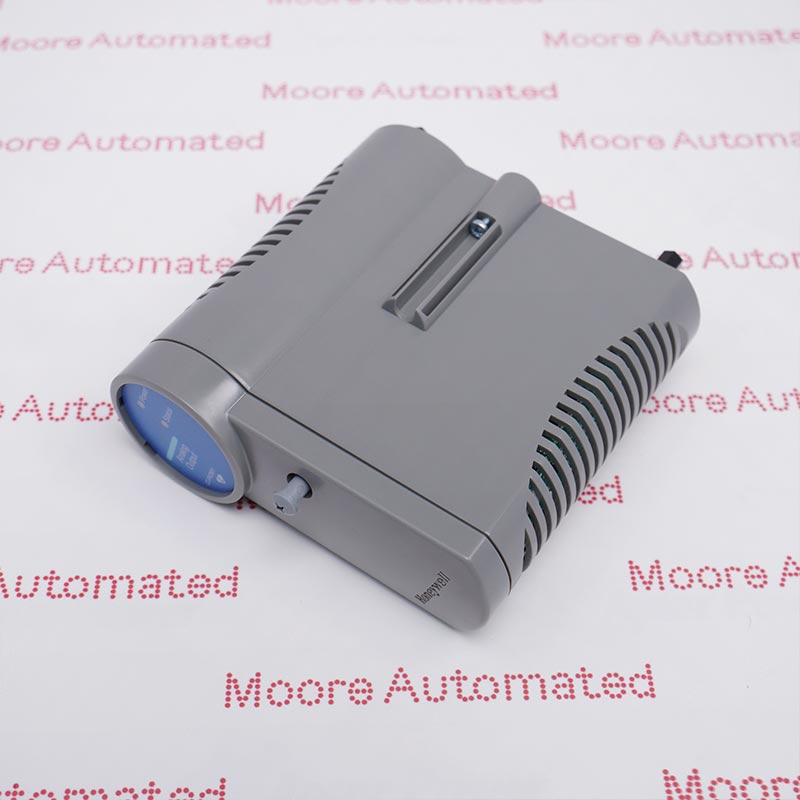
The CC-PUIO31 51454220-176 Honeywell Universal Input Output module may still be available for purchase and support from Moore Automated Company beyond End-Of-Life (EOL) by the manufacturer (OEM).
Honeywell CC-PUIO31 51454220-176 Universal Input Output module Manuals(Datasheets), Link
Important Notice: Other accessories, manuals, cables, calibration data, software, etc. are not included with this equipment unless listed in the above stock item description. All prices are shown in USD.
The module receives and processes input signals from field devices and then transmits them to the central controller via a backplane or fieldbus network. Similarly, control commands from the controller are routed to the appropriate output devices through this module. Through continuous monitoring, signal isolation, and protocol-based communication, this module ensures accurate, timely, and reliable interaction between the control system and the connected field devices.
1. Flexible Industrial Control: Primarily used in oil and gas, chemical, and nuclear power plants, it allows interaction with a variety of field devices using a single module.
2. Simplified Wiring: Signal types can be changed at the last minute via software rather than rewiring, reducing or eliminating traditional patch panels.
3. Remote I/O Deployment: Typically installed in Universal Process Control (UPC) cabinets for remote locations, minimizing cabling from the central controller to the remote location.