
Registered Address: 32D Floor Guomao Building, No.388, Hubin South Road, Siming District, Xiamen,Fujian, China
ISO 9001:2015 Certified
Our quality management system covers sourcing,testing and dispatch

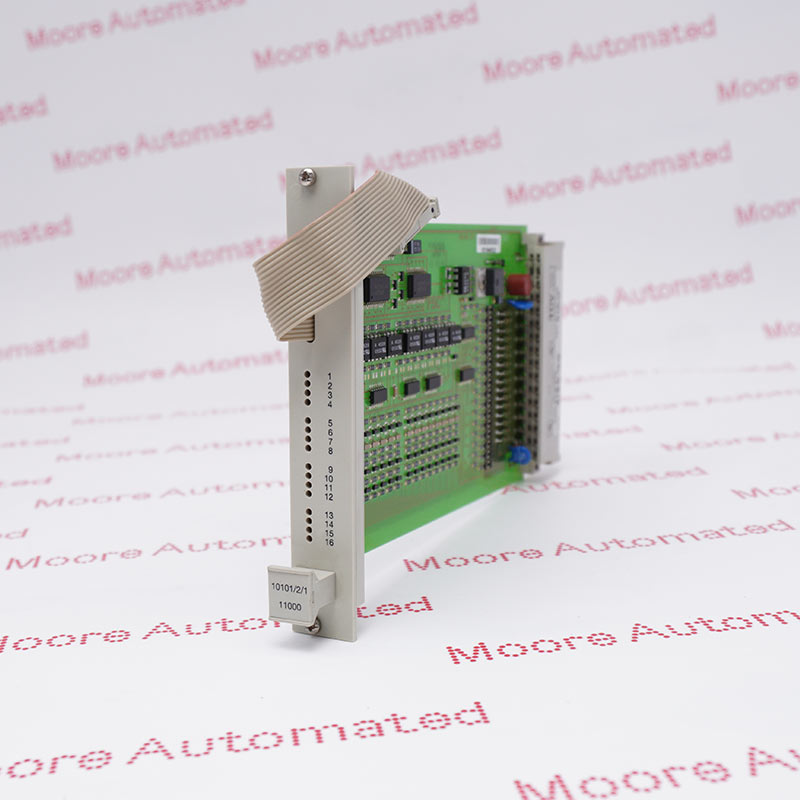
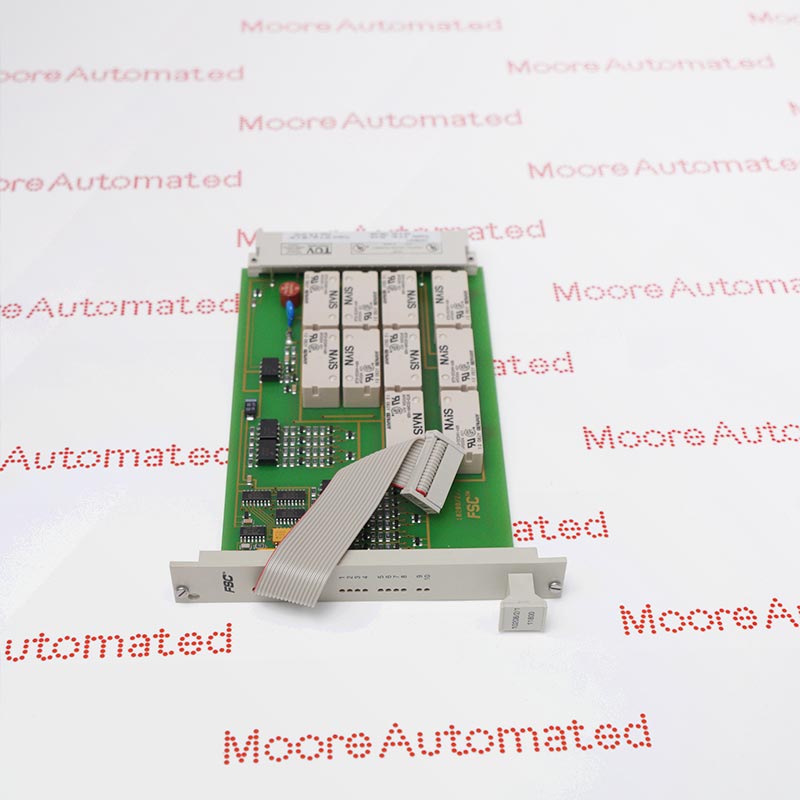
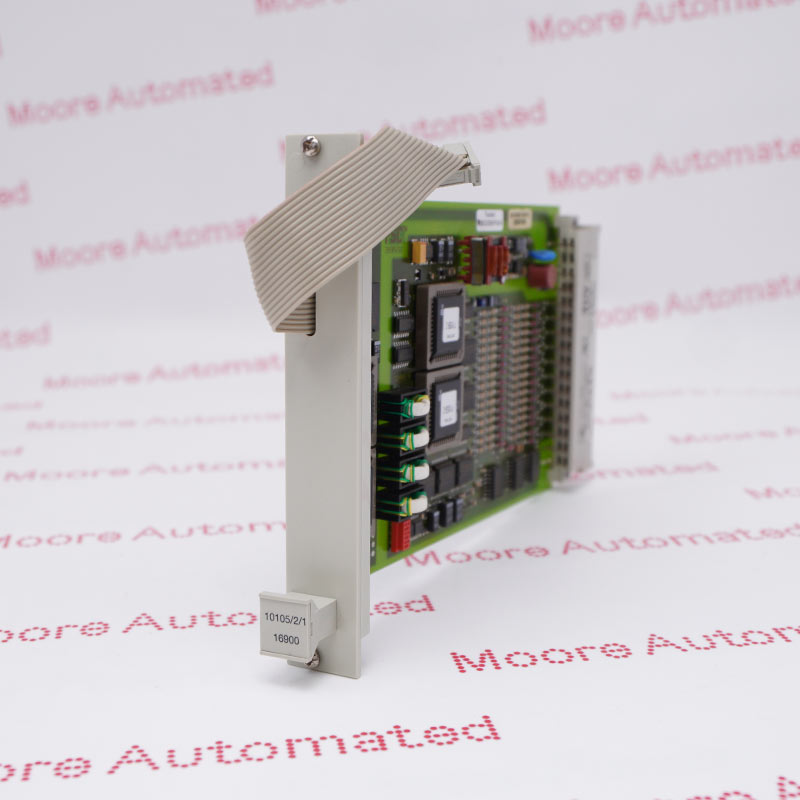
Honeywell 10209/2/1, type 11900, provides sixteen short-circuit-proof 24 VDC solid-state source outputs rated at up to 100 mA per channel. It drives documented resistive or inductive field loads up to 2.5 W per channel in an FSC I/O configuration that does not require fail-safe output certification. Confirm type 11900, rack keying A9/C21, the 24 VDC field supply, output assignment, load current, FTA and SIC cable before replacement.
10209/2/1 must be selected from the complete Honeywell identity and the receiving-system evidence. It drives documented resistive or inductive field loads up to 2.5 W per channel in an FSC I/O configuration that does not require fail-safe output certification. Isolate the I/O supply, record every output and common connection, confirm the receiving backplane keying and restore the exact FTA/cable arrangement.
Each of the sixteen channels sources 24 VDC to the assigned field circuit. Confirm load polarity, channel assignment and common wiring from the loop drawings.
The hardware manual documents direct and FTA connection arrangements. Match the installed SIC cable and FTA type instead of transferring a nearby 102xx wiring pattern.
The receiving rack is keyed at A9 and C21 for this module. Check the physical coding and type 11900 label before insertion.
Each channel is rated for 100 mA and loads up to 2.5 W. The maximum lamp load is 50 mA (1.2 W), maximum load capacitance is 1 µF, on-state voltage drop is below 1.2 VDC at 100 mA and off-state current is below 0.1 mA.
The FSC watchdog de-energizes the outputs when the system shuts down. This behavior does not make the module fail-safe: Honeywell states that the 10209/2/1 outputs are not tested and therefore may not be used for fail-safe applications.
Honeywell identifies FSC as its first-generation SIL 3 safety controller and states that the platform is discontinued and replaced by Safety Manager.
This legacy module should be selected by complete type code, revision and receiving-system evidence. Existing-system spare, repair and migration decisions must preserve the approved safety lifecycle and management-of-change process.
Commission the replacement with the model-specific checks listed above before returning the affected function to service.

Registered Address: 32D Floor Guomao Building, No.388, Hubin South Road, Siming District, Xiamen,Fujian, China
MooreAutomated.com is the official website and primary online platform operated by Moore Automation Limited. The website provides information about the company’s industrial automation parts sourcing services, product coverage and customer support. Moore Automation Limited operates as an independent supplier and is not an authorized distributor or representative of the manufacturers displayed on this website unless expressly stated.