



Sales Director, Moore Automated
Product Verification Team
When the line depends on a part the manufacturer no longer makes
Obsolete automation parts can extend the useful life of an installed system—but only when the exact identity, condition, interfaces and approval evidence are checked before purchase.
A discontinued PLC, DCS, drive, safety or machinery-protection component is rarely interchangeable by family name alone. A suffix, revision, firmware level, connector, coating, accessory or regional variation may change the fit. The safest sourcing process therefore begins with the installed asset and its evidence, not with a low-priced search result.
Five evidence gates for obsolete-part procurement
Identify
Record the complete manufacturer name, order code, suffix, hardware revision and any installed accessories.
Match
Check electrical ratings, I/O type, network, firmware, software, connector and mechanical fit against the running system.
Evidence
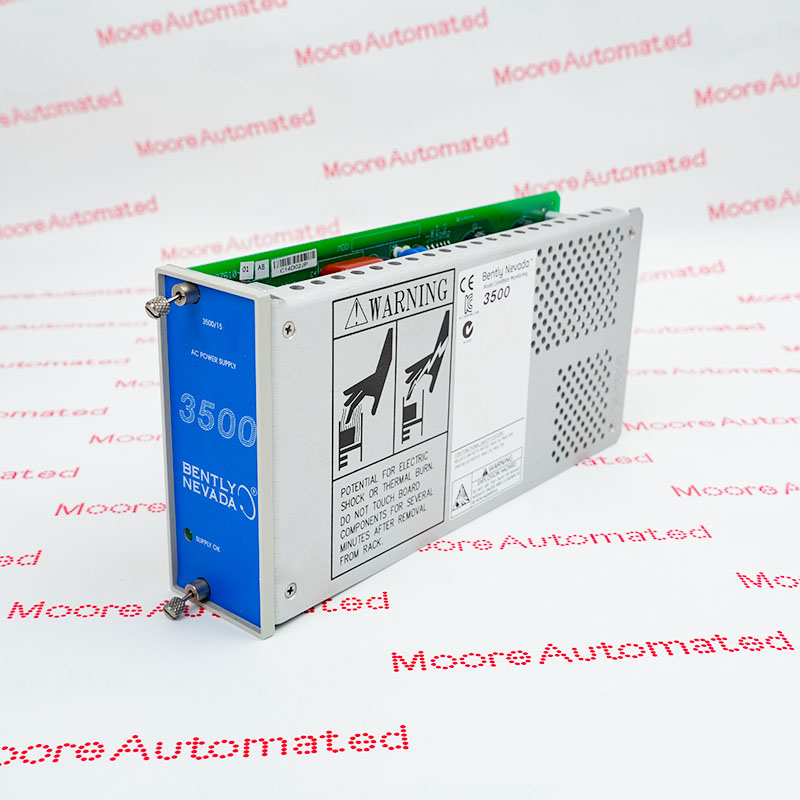
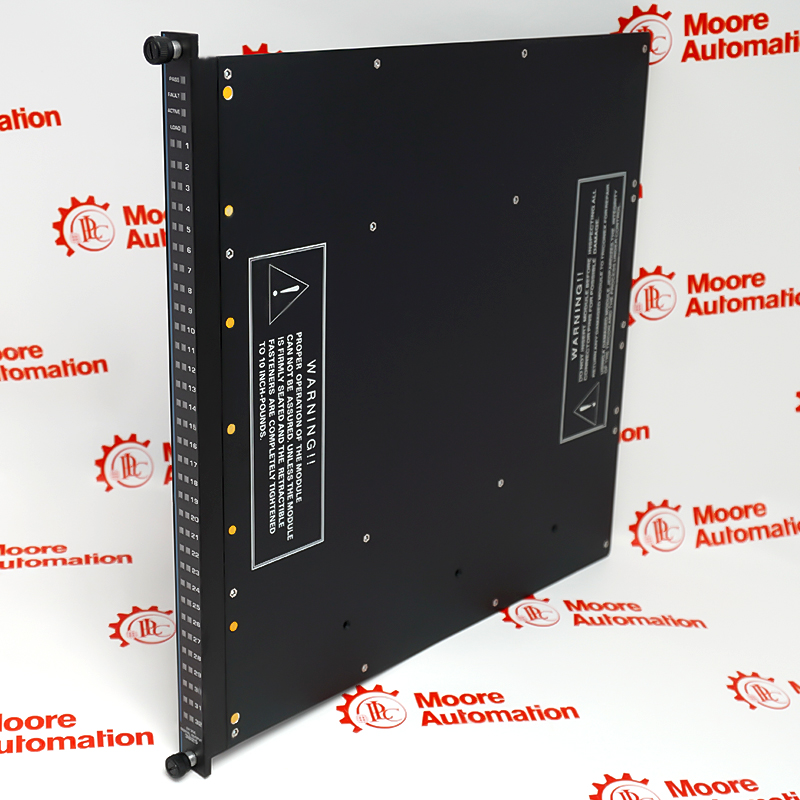
Request current photographs of the unit, label, connectors, packaging and quantity—not a catalogue illustration.
Inspect
Agree the condition, inspection scope, functional checks, warranty boundaries and handling of non-conformance.
Approve
Have a qualified engineer approve exact-fit use, controlled substitution or migration before the order is released.
Start with nameplate photographs, cabinet drawings, software and firmware records, network details and the application duty. A search that begins with an incomplete model number can return a physically similar but technically unsuitable item.
Evidence to request before issuing a purchase order
| Evidence | What it confirms | Recommended check |
|---|---|---|
| Full product label | Exact order code, revision, date code and electrical data | Compare every character with the installed unit and bill of materials. |
| Current item photographs | Physical stock, quantity, connectors and visible condition | Ask for dated images showing front, back, sides, label and terminals. |
| Condition statement | Whether the item is new surplus, refurbished or used | Put the agreed condition and acceptance criteria in writing. |
| Compatibility record | Firmware, software, protocol and configuration dependencies | Review against manufacturer manuals and the actual project configuration. |
| Inspection record | Model verification, visual checks and any functional test performed | Define which tests are possible and which require site validation. |
| Warranty terms | Remedy, exclusions, time limits and freight responsibility | Agree the process before shipment, especially for urgent orders. |
Where hidden sourcing risk usually appears
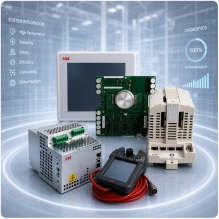
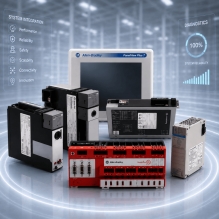
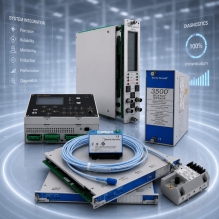
Related legacy-system product families
Browse Moore Automated’s on-site product categories, then send the complete installed part number and revision for an exact sourcing review.
Related customer success cases
How a Middle Eastern Client Verified Siemens Parts On Site in China
Read the on-site case PRODUCT TESTINGHow an Indonesian Partner Verified Bently Nevada 3500 Hardware Before Project Deployment
Read the customer case GLOBAL COOPERATIONSudan Customer Verifies ABB Hardware On Site Before International Delivery
Read the customer caseInformation sources
Source names are shown for traceability. No third-party website links are embedded in this article.
- IEC 62402:2019 — Obsolescence managementFramework and lifecycle guidance for managing obsolescence.
- NIST SP 800-161 Rev. 1 — Cybersecurity Supply Chain Risk Management Practices for Systems and OrganizationsSupply-chain due diligence and risk-management context.
- Manufacturer documentation for the exact ordered itemLifecycle notices, product manuals, release notes, certificates and compatibility documentation should be checked for the specific part number and revision.
- Moore Automated product catalogue, inspection records and customer case recordsUsed to identify on-site product routes and illustrate sourcing-review practices.
Frequently asked questions
How do I search for a discontinued automation part?
Use the complete order code, suffix and revision from the installed label. Add the system family, firmware and required condition instead of searching only by a shortened model name.
What photographs should I request?
Request dated, high-resolution views of the label, front, rear, sides, connectors, terminals, packaging and quantity. Product-page stock images alone do not prove the offered unit.
Can a later revision replace an earlier one?
Sometimes, but revision changes may affect firmware, software, redundancy, companion modules or certification. Confirm the change against manufacturer documentation and the project configuration.
Is new surplus the same as factory new?
No. New surplus generally describes unused stock outside the normal factory channel. Storage history, packaging, date code, warranty source and inspection scope should be stated separately.
What should be checked for long-stored parts?
Review date code and storage condition, then consider age-sensitive components such as batteries, capacitors, seals and displays. Agree an inspection and functional-test scope appropriate to the product.
What should I send Moore Automated for an exact review?
Send the manufacturer, complete part number, revision or firmware, quantity, required condition, installed-system details, nameplate photographs, destination and required delivery date.
Video example: inspect the actual item before ordering
This Moore Automated video shows a VIBRO-METER CA202 accelerometer with its packaging and visible product details. Use it as an example of the current evidence buyers should request; confirm the exact part number, revision and application separately.
Send an obsolete-parts sourcing brief
Moore Automated can review availability and sourcing evidence for current, scarce and discontinued industrial automation parts. The more complete the brief, the faster the team can separate an exact match from an unsupported alternative.
Include these six items
- Manufacturer and complete part number
- Hardware revision and firmware, if known
- Installed system and application duty
- Quantity and required product condition
- Clear nameplate and connector photographs
- Destination country and required date
Technical note: Moore Automated is an independent industrial automation parts supplier. Product names and trademarks belong to their respective owners. This article supports procurement review; final compatibility, safety and application approval remain the responsibility of the customer’s qualified engineering team.




Leave Your Comment